
Reverse Mortgage for Home Modifications Due to PTSD: Creating Trauma-Informed Spaces
How Ontario seniors living with PTSD can use a reverse mortgage to fund trauma-informed home modifications that create safe, healing spaces for recovery and stability.
Living with PTSD in your own home should feel safe, not triggering. For Ontario seniors managing post-traumatic stress disorder, whether from military service, trauma, or life events, your living environment directly impacts your mental health and recovery. A reverse mortgage can help you create trauma-informed spaces—modifications designed to reduce triggers, increase feelings of control, and support your healing.
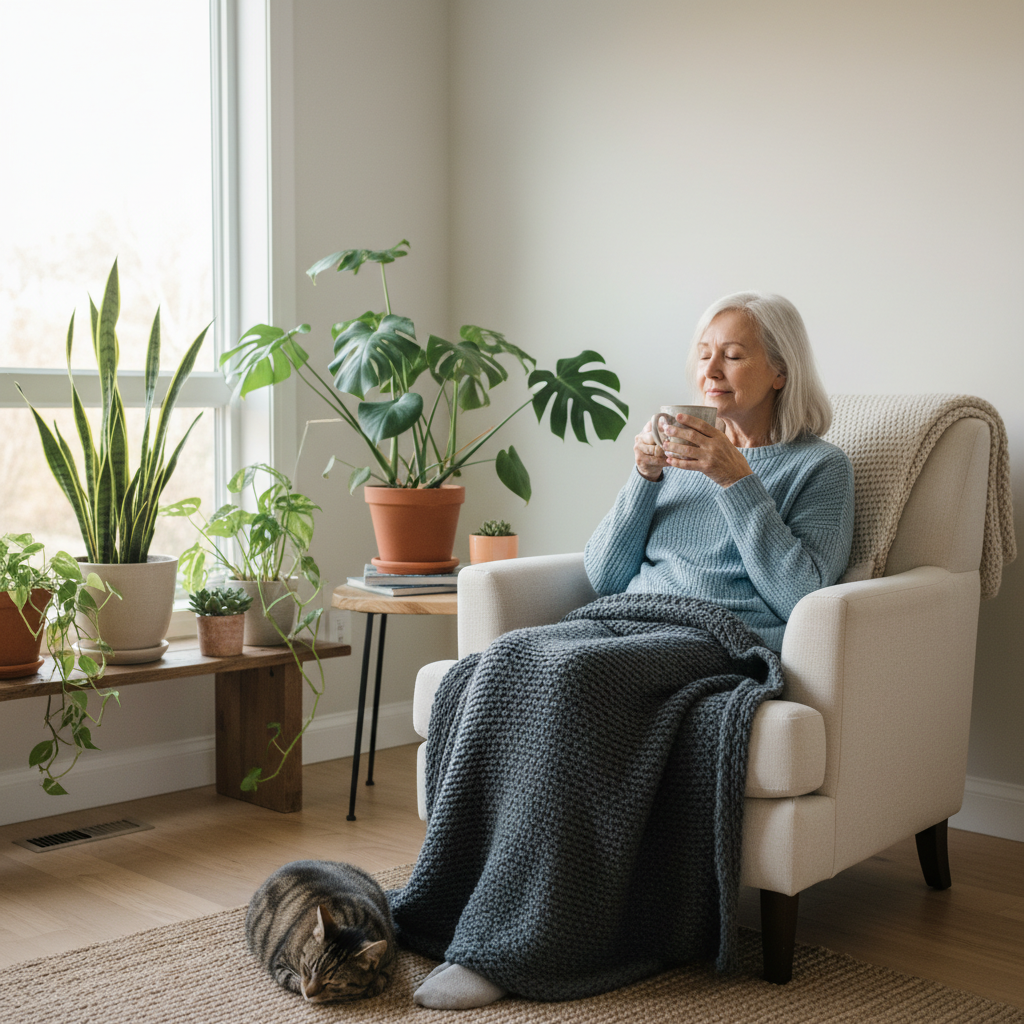
What Is a Trauma-Informed Home?
A trauma-informed home recognizes how environments affect people with PTSD. These spaces reduce hypervigilance, support emotional regulation, and create predictability. Unlike standard home modifications, trauma-informed design focuses on psychological safety alongside physical accessibility.
Key Principles of Trauma-Informed Design
| Principle | Application | Example |
|---|---|---|
| Visibility & Sightlines | Reduce blind spots; see exits and entrances clearly | Remove furniture blocking views; install mirrors in hallways |
| Control & Autonomy | Residents control lighting, temperature, sounds | Dimmable lights; soundproofing; window coverings |
| Predictability | Consistent, organized spaces; clear pathways | Decluttered rooms; labeled storage; consistent layouts |
| Safe Retreat Spaces | Quiet rooms free from stimulation | Bedroom sanctuary with blackout curtains and soft textures |
| Lighting & Color | Warm, adjustable lighting; calming colors | Avoid fluorescent lights; use grounding earth tones |
| Sound Management | Reduce unexpected or jarring sounds | Weatherstripping; heavy curtains; soundproof panels |
Common PTSD Triggers in the Home — And How to Address Them
Many seniors with PTSD describe specific home environments that escalate their symptoms: sudden noises, dim lighting creating blind spots, unexpected visitors, or spaces that feel confining. Here's how a reverse mortgage can fund modifications to address them.
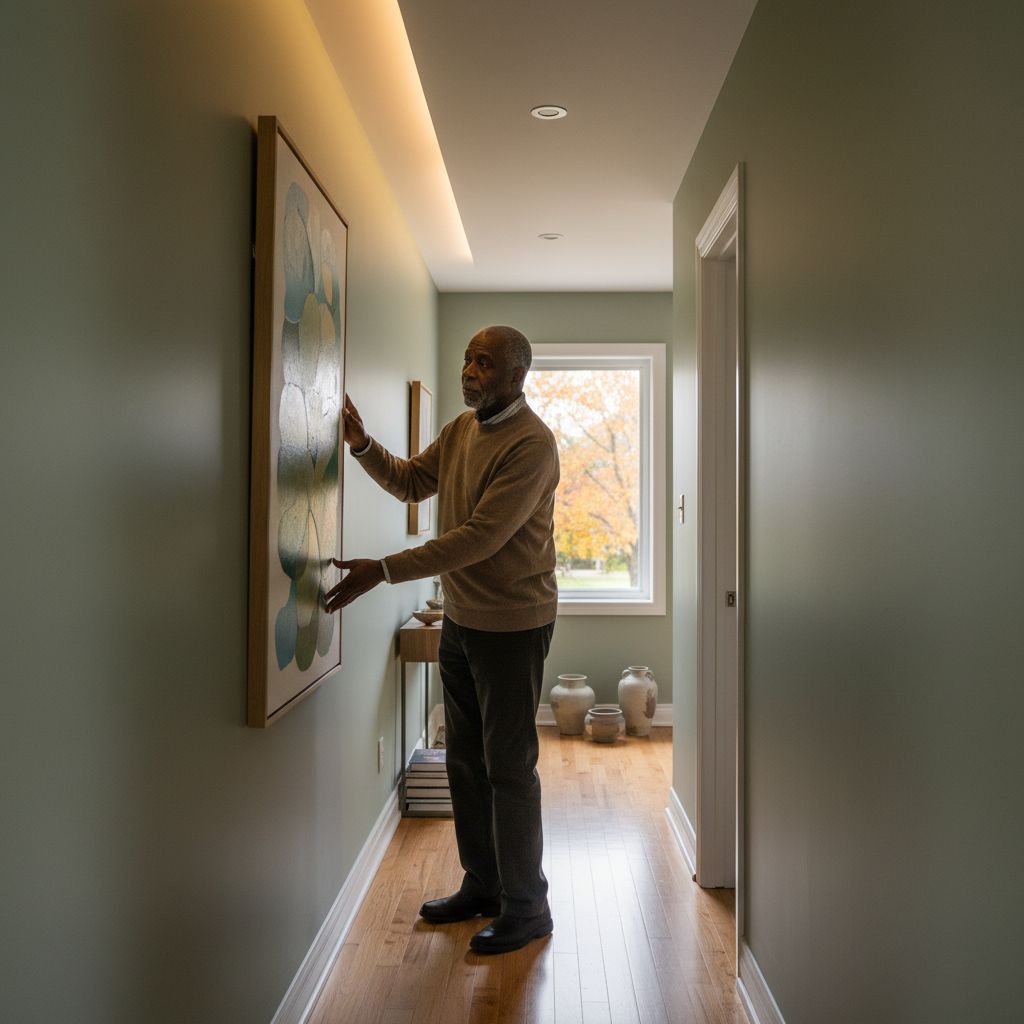
Trigger 1: Unexpected Noises and Startling Sounds
The problem: Loud appliances, creaky doors, garbage trucks, or sudden construction noise can trigger flashbacks or hyperarousal in PTSD.
Reverse mortgage solutions:
- Soundproofing materials: Acoustic panels ($1,500–$3,500), weatherstripping, heavy curtains, or door sweeps
- Smart sound management: White noise machines, white noise apps, or soft ambient sounds to mask jarring noises
- Door hardware upgrades: Soft-close hinges on doors that previously creaked or slammed
- Window upgrades: Double-pane windows or acoustic window inserts to reduce outside noise
Estimated cost: $2,000–$5,000
Trigger 2: Visibility & Safety Concerns
The problem: Blind spots, poor sightlines, or the inability to see who's entering create constant hypervigilance—"am I safe?"
Reverse mortgage solutions:
- Mirror installation: Strategic mirrors in hallways and corners to eliminate blind spots ($500–$1,500)
- Lighting upgrades: Motion-sensor lights in hallways and entryways so you always see approaching visitors
- Peephole or video doorbell: Know who's at the door before opening it ($200–$800)
- Open-concept modifications: Carefully removing non-load-bearing walls to increase sightlines ($3,000–$8,000)
Estimated cost: $4,000–$10,000
Trigger 3: Loss of Control Over Environment
The problem: Inability to control temperature, lighting, or privacy escalates anxiety. PTSD often co-occurs with a need for personal control.
Reverse mortgage solutions:
- Smart lighting systems: Install dimmers and color-adjustable bulbs so you control mood and intensity ($1,500–$3,000)
- Smart thermostats: Control temperature with precision; avoid discomfort from unexpected fluctuations ($800–$1,500)
- Blackout window treatments: Heavy curtains or motorized shades allow complete darkness on demand ($1,000–$3,000)
- Bathroom upgrades: Heated towel racks, soft lighting, and privacy locks to create a personal sanctuary ($2,000–$5,000)
Estimated cost: $5,000–$12,500
Trigger 4: Confined or Overwhelmed Spaces
The problem: Cluttered, cramped, or chaotic rooms escalate PTSD symptoms. Disorganization can trigger hypervigilance—"Is everything where it should be?"
Reverse mortgage solutions:
- Professional decluttering & organization: Hire an organizer experienced with PTSD ($2,000–$4,000)
- Built-in storage: Closet organizers, shelving, or custom storage reduce visual chaos ($2,000–$6,000)
- Paint & design: Calming colors (soft greens, blues, earth tones) vs. bright or overwhelming colors ($1,000–$2,500)
- Flooring upgrades: Remove trip hazards; smooth, safe flooring improves sense of control ($3,000–$8,000)
Estimated cost: $8,000–$20,500
Trigger 5: Bedroom as Safe Retreat
The problem: A traumatized nervous system needs a reliable sanctuary. A bedroom that feels unsafe prevents healing sleep and rest.
Reverse mortgage solutions:
- Lock upgrade: Secure locks that YOU control—no one enters without permission ($500–$1,500)
- Window treatments: Blackout curtains, shutters, or film to control light and privacy ($1,500–$3,000)
- Bedding & comfort: Quality mattress, pillows, and weighted blankets that support sleep ($2,000–$4,000)
- Sound control: White noise machines, acoustic panels, or door sweeps ($500–$1,500)
- Lighting design: Soft, warm lighting; dimmable bedside lamps; avoid overhead fluorescents ($1,000–$2,000)
Estimated cost: $6,500–$12,000
How a Reverse Mortgage Funds Trauma-Informed Design
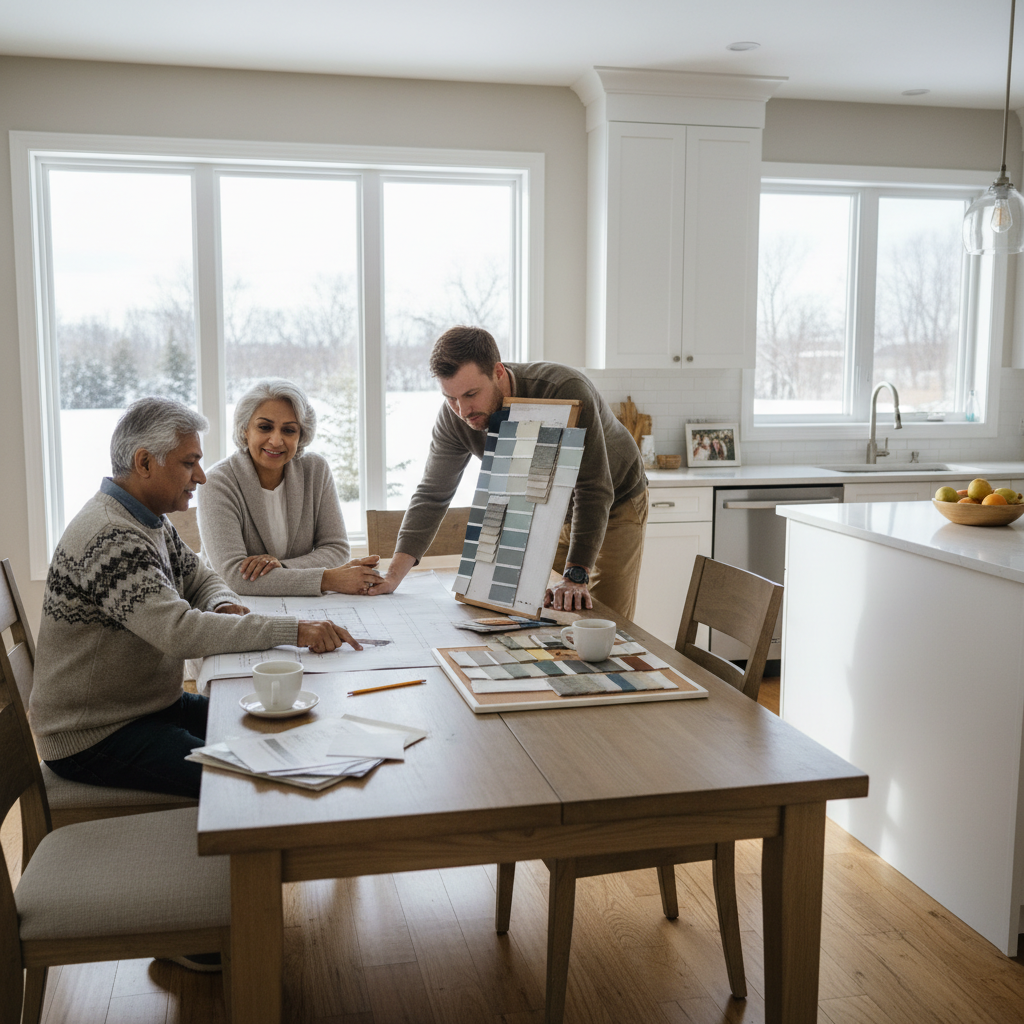
A reverse mortgage allows you to access your home equity without selling. For trauma-informed modifications, this is powerful because:
-
No monthly payments: A reverse mortgage doesn't require mortgage payments during your lifetime—only interest compounding on what you borrow. This preserves your monthly income for living expenses.
-
Flexible drawdown: You can access funds as you need them. Start with soundproofing, then move to lighting, then bedroom upgrades—all within your reverse mortgage.
-
Large lump sum available: Many Ontario seniors with substantial home equity can access $150,000 to $400,000+—more than enough for comprehensive trauma-informed modifications.
-
Funds are tax-free: Reverse mortgage proceeds aren't taxable income. Every dollar goes to your modifications, not taxes.
Eligibility & Qualification
To get a reverse mortgage for PTSD-informed home modifications:
- Age: 55+ in Ontario
- Home equity: Typically $150,000+ in available equity (depends on age and property value)
- Home ownership: Must own your primary residence outright or with very low mortgage balance
- Property type: Single-family homes, townhouses, condos—most property types qualify
Note: Mental health alone doesn't affect reverse mortgage qualification. A lender assesses your home's value and your equity, not your medical history.
Real-World Scenario: Margaret's Healing Space
Margaret, 67, Ontario: Margaret served in the Canadian Armed Forces and developed PTSD from her service. She lived alone in her Toronto home but had become trapped in her bedroom—the only space where she felt truly safe. Her hypervigilance made the rest of the house feel chaotic.
The challenge: She couldn't afford the $25,000–$35,000 in modifications needed to make her home trauma-informed. Her CPP and OAS covered basics, but not renovations.
The solution: Margaret accessed a reverse mortgage for $200,000 against her $450,000 home. She funded:
- Bedroom sanctuary upgrades ($8,000)
- Soundproofing living areas ($5,000)
- Strategic lighting and sightline improvements ($4,000)
- Professional decluttering and organization ($3,000)
- Total: $20,000
The result: Within 3 months, Margaret could move safely throughout her home. She uses her living room again, opens her curtains during the day, and sleeps without hypervigilance. Her healing accelerated because her environment now supported it.
Questions to Ask Your Healthcare Team
Before modifying your home, discuss trauma-informed design with your mental health provider or occupational therapist:
- What triggers are most active in my current space?
- Which modifications would support MY specific healing?
- Should I involve a trauma-informed designer or occupational therapist?
- How do I measure whether modifications are helping?
Many Ontario provinces offer occupational therapy assessments for seniors—ask if this is covered by your provincial health insurance.
Funding Options: Reverse Mortgage vs Alternatives
| Funding Source | Pros | Cons | Timeline |
|---|---|---|---|
| Reverse Mortgage | No monthly payments; large lump sum; tax-free | Compound interest; reduces estate | 4–6 weeks |
| HELOC | Lower rates; pay only interest; flexible | Requires mortgage payments; income qualification strict | 2–3 weeks |
| Personal savings | No debt; no interest | Depletes retirement savings; may be insufficient | Immediate |
| Home Equity Loan | Fixed rate; predictable payments | Requires monthly payments; may not qualify at 67+ | 3–4 weeks |
For most seniors with PTSD living on fixed incomes, a reverse mortgage is ideal because there are no monthly payments—your healing modifications don't create financial stress.
Getting Started With Trauma-Informed Home Design
-
Assess your triggers: Work with your therapist to identify which home features escalate your symptoms.
-
Prioritize modifications: Start with the highest-impact changes (e.g., bedroom safety first, then lighting).
-
Get professional input: Consult an occupational therapist or trauma-informed designer ($500–$1,500 for an assessment).
-
Get a reverse mortgage quote: Work with a licensed mortgage broker to see how much you can access. It's free to explore.
-
Implement gradually: You don't need to do everything at once. A reverse mortgage with a line of credit lets you access funds as you're ready.
Key Takeaways
- Trauma-informed home modifications typically cost $2,000-$20,500 per category, with a full-home overhaul often ranging $20,000-$35,000.
- Ontario homeowners 55+ can access reverse mortgage funds tax-free with no monthly payments required during their lifetime.
- Seniors with substantial home equity can often access $150,000 to $400,000+, though the amount depends on age and appraised property value.
- Mental health history does not affect reverse mortgage qualification; lenders assess home value and equity, not medical records.
- Funds can be drawn gradually, letting you fund soundproofing, lighting, or bedroom sanctuary upgrades in phases as your needs evolve.
- In the Margaret case study, $20,000 in targeted modifications funded by a reverse mortgage restored full use of her home within 3 months.
Frequently Asked Questions
Does having PTSD affect my ability to qualify for a reverse mortgage?
No. Reverse mortgage eligibility in Ontario is based on your age (55+), your home's appraised value, and your equity position, not your medical or mental health history. Lenders like HomeEquity Bank and Equitable Bank do not assess psychiatric conditions during underwriting.
How much can I typically borrow for home modifications?
Borrowing amounts generally range from 15% to 59% of your home's value depending on your age and the property. On a $450,000 home, that could mean access to roughly $67,500 to $265,500, though actual modification budgets are often much smaller.
Can I draw reverse mortgage funds in stages rather than all at once?
Yes. Many reverse mortgage products allow flexible or staged drawdowns, so you can fund one trigger category first, such as bedroom safety, and add soundproofing or lighting upgrades later as budget and priorities allow.
Will I have to make monthly payments on the funds I use for renovations?
No. A defining feature of a Canadian reverse mortgage is that no monthly payments are required. Interest compounds on the amount borrowed, and the loan is repaid when you sell, move out, or pass away.
Should I involve a healthcare provider before starting modifications?
Yes. An occupational therapist or your mental health provider can help identify which specific triggers in your home are most active, ensuring the modifications you fund actually target your recovery needs rather than generic accessibility features.
Is a reverse mortgage better than a HELOC for this kind of renovation?
For seniors on fixed incomes, a reverse mortgage is often preferable because it requires no monthly payments and has no strict income qualification, whereas a HELOC requires ongoing interest payments and stricter income verification.
The Bottom Line
PTSD is a nervous system response to trauma. A home environment that supports safety, predictability, and personal control accelerates healing. If you're a senior with PTSD living in Ontario, your home doesn't have to be a source of stress—it can become a healing sanctuary.
A reverse mortgage removes the financial barrier to trauma-informed modifications. No monthly payments, no income qualification, and tax-free access to your equity means you can invest in your mental health and quality of life.
Explore your reverse mortgage options and speak with a licensed broker today →
This content is for informational purposes only. Always consult your healthcare provider and a licensed mortgage broker to discuss your specific situation. Reverse mortgage rates, terms, and eligibility vary by lender and property.
Ready to Learn More?
Find out exactly how much you could unlock from your home — free and no obligation.
Related Articles
Reverse Mortgage When Your Adult Child Can't Work: Supporting Mental Health Recovery
Discover how a reverse mortgage can help you support an adult child facing mental health crises, burnout, or disability without jeopardizing your retirement.
Read →Aging in Place with a Reverse Mortgage: Home Modification Guide
How Ontario seniors can fund aging-in-place home modifications with a reverse mortgage — costs, top modifications, grants, and a complete planning guide.
Read →Reverse Mortgage for Healthcare Costs: Aging in Place in Ontario
How Ontario seniors use a reverse mortgage to fund home care, medical equipment, prescriptions, and healthcare expenses — and stay in their home longer.
Read →