
When Your Beloved Pet Needs End-of-Life Care: Reverse Mortgage for Emergency Veterinary Costs in Ontario
Your senior pet faces a terminal diagnosis requiring expensive comfort care and vet specialists. A reverse mortgage can fund their final chapter without financial panic.
Your 14-year-old dog is diagnosed with terminal kidney disease. The veterinary specialist recommends weekly dialysis ($300/session), pain management ($150/week in medications), and palliative care that will likely cost $8,000–$15,000 over the next 6–18 months. You want to give your companion the best final chapter possible, but you're on a fixed pension. A reverse mortgage can fund your pet's end-of-life comfort care, allowing you to prioritize their wellbeing during your remaining years together—without financial anxiety.
Aging Pets and Senior Homeowners: A Parallel Story
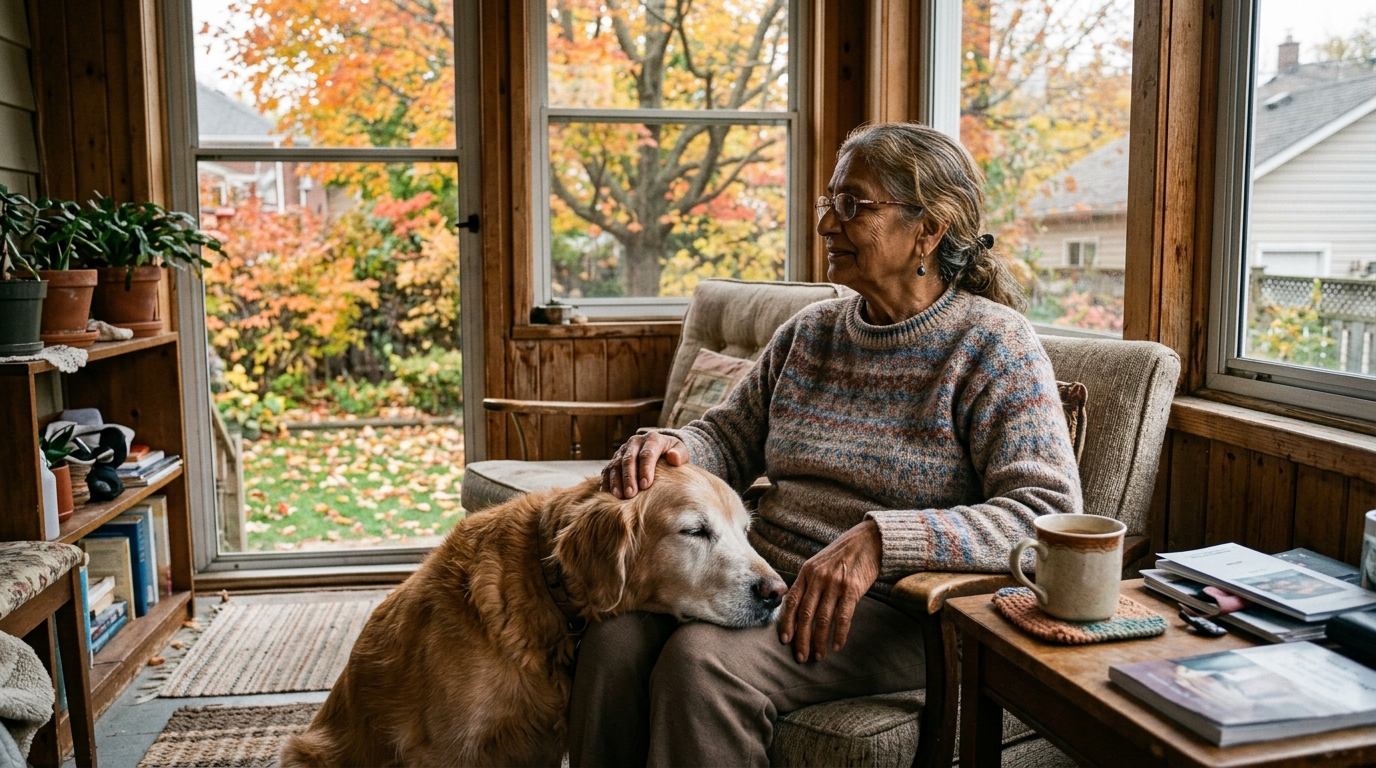
Aging pets and aging homeowners often face similar challenges: declining mobility, chronic pain, increasing medical costs, and the need for compassionate care during vulnerable final years. For Ontario seniors, pets often represent unconditional companionship during retirement—especially for widows, divorcees, or those whose adult children have relocated.
When a beloved pet faces terminal illness or end-of-life care needs, the financial burden can force devastating choices:
- Euthanasia earlier than necessary to avoid expense
- Declining recommended palliative care to save money
- Choosing cheaper treatment options that reduce comfort
- Personal financial stress that affects the senior's own health
A reverse mortgage removes this financial pressure, enabling you to make care decisions based on compassion and pet wellbeing, not emergency fund limitations.
According to veterinary research from the Ontario Veterinary Medical Association, approximately 60% of senior pet owners delay or decline recommended end-of-life care due to financial constraints—even when they can technically afford it.
End-of-Life Pet Care Costs in Ontario
| Care Type | Typical Cost | Frequency | Duration | Total Cost Over 12 Months |
|---|---|---|---|---|
| Veterinary specialist consultations | $200–$400/visit | Monthly | Ongoing | $2,400–$4,800 |
| Pain management medications | $100–$300/month | Daily/weekly dosing | Full duration | $1,200–$3,600 |
| Palliative care visits (in-home) | $150–$300/visit | Weekly to bi-weekly | Final months | $3,000–$7,800 |
| Dialysis sessions (kidney disease) | $250–$400/session | 2–3x weekly | Months | $6,000–$20,000+ |
| Hydrotherapy/physical therapy | $80–$150/session | Weekly | Months | $1,000–$3,000 |
| Dietary supplements and specialty food | $60–$150/month | Daily | Full duration | $720–$1,800 |
| Home modifications (ramps, orthopedic beds) | $500–$2,000 | One-time | Permanent | $500–$2,000 |
| Emergency euthanasia services (at home) | $300–$600 | One-time | End of life | $300–$600 |
| TOTAL POTENTIAL ANNUAL END-OF-LIFE CARE | — | — | — | $15,000–$43,600 |
Reality check: A senior pet facing terminal illness over 12–24 months can easily require $15,000–$25,000 in compassionate end-of-life care.
Types of End-of-Life Pet Care in Ontario
Modern veterinary medicine offers several approaches for aging, terminal, or declining pets:
Palliative Care (Quality of Life Focus)
- Pain management (medications, acupuncture, laser therapy)
- Comfort measures (orthopedic beds, mobility aids, home modifications)
- Nutritional support and appetite stimulation
- Regular veterinary monitoring for comfort progression
- Goal: Maximize quality of remaining time; comfort over lifespan
Hospice Care (Specialized End-of-Life)
- In-home veterinary visits focusing on comfort
- Advanced pain management protocols
- Emotional support for family during pet's decline
- Guidance on recognizing signs of suffering
- Coordinated euthanasia when appropriate
- Goal: Dignified transition; minimize suffering
Home Euthanasia Services
- Veterinarian visits your home to perform euthanasia
- Pet remains in familiar, comfortable environment
- Family can be present; often less traumatic
- $300–$600 cost; worth it for peace and dignity
- Goal: Compassionate end-of-life experience
Reverse Mortgage Strategy for Pet End-of-Life Care
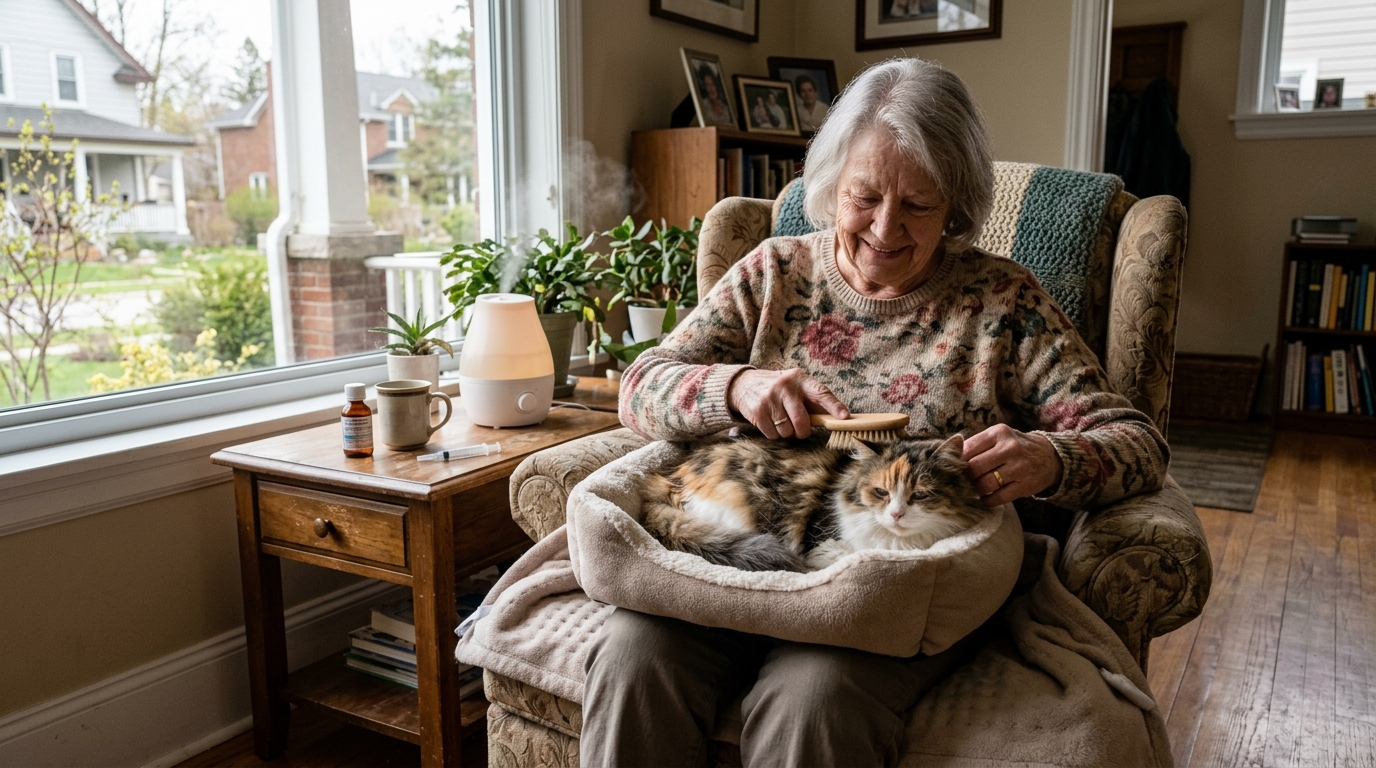
A reverse mortgage works perfectly for pet end-of-life care because:
- Timing alignment — You access equity precisely when veterinary costs escalate
- No monthly payment stress — You focus on pet's comfort, not loan payments
- Flexibility — Line of credit lets you access funds as needed for emerging care decisions
- Manageable cost — Reverse mortgage interest (~5.5%) is far lower than emergency credit card debt (18%+)
- Emotional support — Removes financial anxiety during emotionally difficult period
Example scenario: Robert is 74 with a 16-year-old Golden Retriever, Bella. Bella develops arthritis, early kidney disease, and declining mobility. Robert wants to provide palliative care but can't afford ongoing specialist visits + medications + mobility aids.
Robert's reverse mortgage strategy:
- Accesses $12,000 line of credit via reverse mortgage
- Uses funds for: monthly specialist consultations ($200 × 12 = $2,400), pain medications ($200/month × 12 = $2,400), orthopedic bed and ramps ($1,500), hydrotherapy sessions ($1,500), dietary supplements ($600), in-home euthanasia when appropriate ($500)
- Total: ~$10,000 deployed over 12–18 months
- Robert's pension covers food and basic care; reverse mortgage covers specialist/comfort expenses
- Monthly reverse mortgage cost: ~$50–$100 in accumulated interest
- Outcome: Bella receives dignified, compassionate end-of-life care. Robert experiences the final months with his companion without financial panic.
Pet Legacy Considerations
For many seniors, pets represent unconditional love and companionship during retirement years. Planning for their end-of-life care is also legacy planning—honoring the companionship they've provided.
Questions to consider:
- If you pass before your pet, what happens to them? (Formal plans with family or rescue organization)
- Do you want to fund their care even after you're gone? (Trust structure; reverse mortgage estate planning)
- How will you make end-of-life decisions? (Vet consultation; family discussion; written preferences)
Many seniors use reverse mortgages to establish pet care funds specifically designated for their animal companions' final years—both as practical care strategy and emotional legacy planning.
Emotional and Health Benefits of Pet End-of-Life Care
Beyond the immediate pet care, investing in quality end-of-life pet care provides measurable benefits to seniors' own wellbeing:
- Reduced depression and anxiety — Caring for a beloved companion extends purpose and meaning
- Increased social connection — Regular vet visits, discussions with specialists, community support
- Physical activity — Even reduced mobility pets require gentle interaction, movement, care
- Stress reduction — Removing financial barriers to care decisions lowers overall stress
- Sense of control — Making active care choices feels more empowering than crisis decision-making
Research shows that seniors who engage in active pet care during aging have better overall health outcomes and life satisfaction than those who delay care due to financial stress.
Key Takeaways
- Terminal pet care in Ontario typically costs $12,000–$25,000 over 12–24 months
- Senior pet owners often delay or deny recommended care due to financial constraints
- Reverse mortgage line of credit allows strategic, compassionate end-of-life pet care without monthly payment burden
- Palliative care and hospice services provide dignified, comfort-focused approaches to pet decline
- Home euthanasia services ($300–$600) offer peaceful, familiar end-of-life experience
- Pet care funding is recognized as legitimate reverse mortgage use by lenders like CHIP, Equitable Bank, and HomeEquity Bank
- Quality end-of-life pet care improves senior wellbeing and sense of purpose during final years together
Frequently Asked Questions
Is it expensive to euthanize a pet at home instead of at a clinic?
Home euthanasia costs $300–$600, compared to $150–$300 at a clinic. The additional cost is worth it for most families because the pet remains in familiar surroundings and the family can be present. Many seniors find this more peaceful than clinical settings.
Can I use a reverse mortgage to fund pet care after I pass away?
Not directly. However, you can fund a pet trust or designate money within your estate for ongoing pet care. Consult an estate lawyer to formalize pet care funding in your will or trust.
What if my veterinarian recommends very expensive treatment I can't afford?
Have an honest conversation with your vet about cost barriers and priorities. Many vets can suggest lower-cost alternatives that still provide quality of life. A reverse mortgage gives you more options to explore recommended care.
How do I know when it's time to consider euthanasia vs continuing palliative care?
Your veterinarian can guide this decision. Key signs your pet is suffering rather than comfortable: loss of appetite (not related to medication), inability to enjoy any activities, pain that medication doesn't control, loss of interest in family interaction. Discuss quality-of-life indicators with your vet.
Can I claim pet care expenses on my taxes?
Pet medical expenses are generally not tax-deductible in Canada (unless the pet is a registered service animal providing medical assistance). However, they may be deductible as a compassionate family expense depending on your province and circumstances. Check with your accountant.
What if I can't afford ongoing care but want to keep my pet comfortable?
Discuss this openly with your veterinarian. They can often suggest: reduced-frequency specialist visits, lower-cost medication alternatives, home care strategies you can manage, or a timeline for compassionate euthanasia. A reverse mortgage gives you access to more options.
Ready to ensure your beloved pet receives dignified end-of-life care? Contact Rick Sekhon at Rick Sekhon Reverse Mortgages to discuss how a reverse mortgage line of credit can fund your pet's final chapter and provide peace of mind during this meaningful time in Ontario.
Ready to Learn More?
Find out exactly how much you could unlock from your home — free and no obligation.
Related Articles
Your Mortgage Won't Renew at Retirement: How a Reverse Mortgage Becomes Your Backup Lender in Ontario
At retirement, your traditional mortgage reaches renewal but lenders won't approve you without employment income. A reverse mortgage is your backup plan.
Read →Smart Home Infrastructure for Ontario Seniors: Reverse Mortgage Funding for Whole-Home WiFi, Voice Control, and Remote Monitoring
Future-proof your home with smart home technology. A reverse mortgage can fund the infrastructure that keeps you safe and independent as you age in place.
Read →Professional Association Memberships Draining Your Retirement: A Reverse Mortgage Solution for Ontario Professionals
Aging professionals paying hundreds monthly for association dues they no longer need. A reverse mortgage can eliminate this expense once and for all.
Read →