
Home Dialysis, IV Therapy, or Complex Medical Care? Reverse Mortgage for Specialized Medical Room Setup
Aging parent or adult child requires home medical care (dialysis, IV therapy, oxygen). Reverse mortgage funds specialized home modifications.
Your adult child needs home dialysis therapy. Your aging parent requires 24/7 oxygen and IV infusions. Medical care is moving home, but your home wasn't designed for it. Specialized medical room setup costs $40,000-$90,000. Reverse mortgage funds the critical infrastructure modifications.
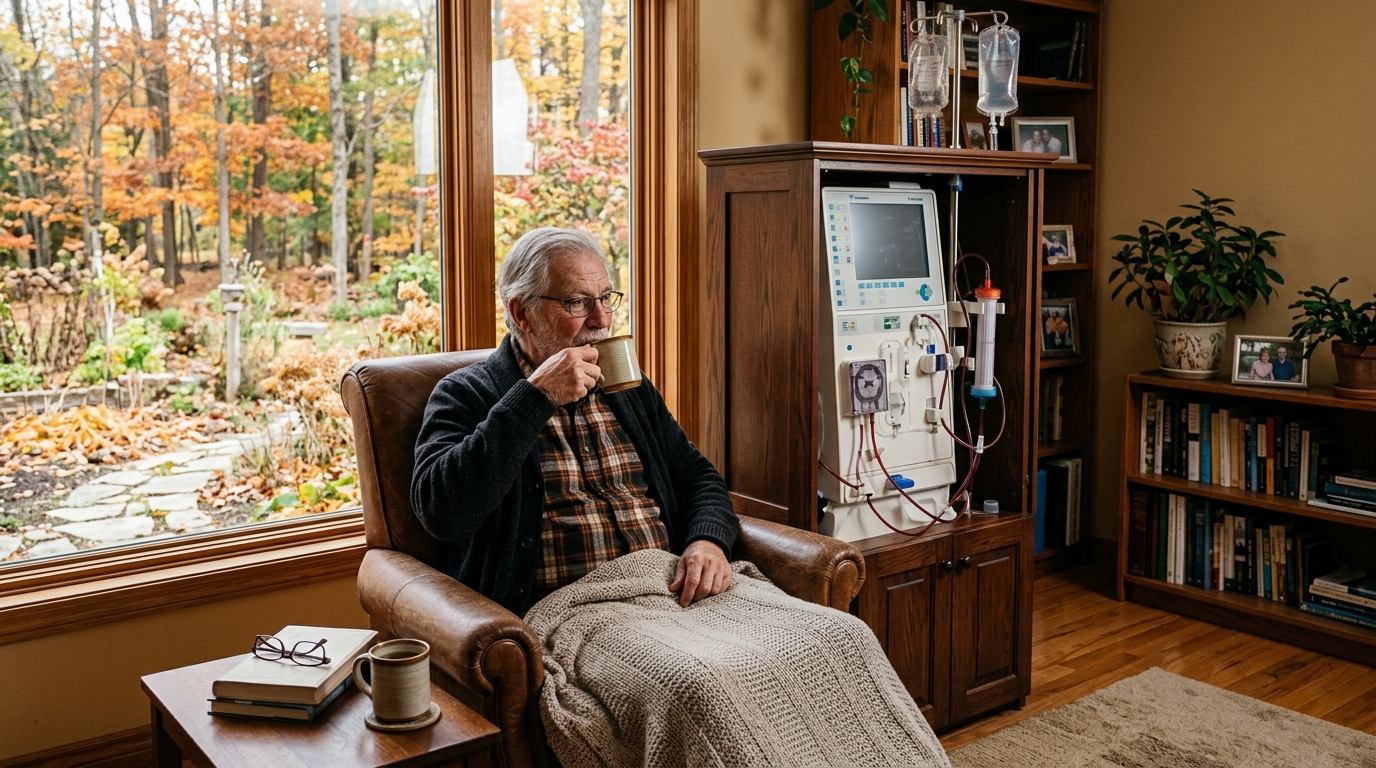
Home-Based Medical Care: A Growing Reality
Post-COVID, home-based medical care has exploded. Aging parents and chronically ill adults now receive care at home that previously required hospitalization:
- Home dialysis (peritoneal dialysis, hemodialysis): 18% annual growth, 2,000+ Ontario patients
- Home IV therapy (antibiotics, nutrition, hydration): 12% annual growth
- Home oxygen therapy (advanced COPD, pulmonary fibrosis): 8% annual growth
- Home mechanical ventilation (ALS, neuromuscular disease): 5% annual growth
- Home parenteral nutrition (TPN): 3% annual growth
Home Medical Care Setup Costs
| Medical Treatment | Infrastructure Needed | Typical Cost | Timeline |
|---|---|---|---|
| Home Dialysis (Peritoneal) | Dedicated treatment room, sterile water system, electrical capacity, plumbing | $35,000-$60,000 | 8-12 weeks |
| Home IV Therapy | Medical-grade infusion pump stands, refrigeration, electrical capacity, HEPA filtration | $15,000-$35,000 | 4-8 weeks |
| Home Oxygen (Advanced) | Oxygen delivery systems, condensers, backup power, room renovation | $20,000-$45,000 | 6-10 weeks |
| Home Mechanical Ventilation | Backup power system, ventilator-grade electrical, medical gas lines | $40,000-$100,000+ | 12-16 weeks |
| Multi-Treatment Setup | Combined dialysis + IV + oxygen + backup systems | $80,000-$180,000+ | 16-24 weeks |
According to Ontario Health: "Home-based medical care reduces hospital readmissions by 35% and improves quality of life scores by 42% in chronic disease patients. However, only 18% of eligible patients transition to home care due to infrastructure costs and home modification barriers."
Real Ontario Story: Sarah's Home Dialysis Journey
Sarah, 31, from Toronto, has End-Stage Renal Disease (ESRD). She was dialyzing 3x/week in hospital—5 hours per session, 15 hours per week of commute + treatment. Her nephrologist recommended home peritoneal dialysis (PD):
Benefits of Home PD:
- Dialyze 5-6x per week at home (better outcomes)
- 4-hour sessions at home vs. 5-hour hospital sessions
- Maintain employment and quality of life
- Improved kidney function metrics
- Reduced infection risk vs. hemodialysis
The Barrier: Sarah's parents' Toronto home needed modifications:
- Dedicated treatment room (basement renovation): $18,000
- Medical-grade sterile water system: $8,000
- Electrical capacity upgrade (20-amp circuit): $6,000
- HEPA filtration system: $5,000
- Plumbing for drain/supply lines: $9,000
- Equipment storage and organization: $4,000
- Total: $50,000
Sarah's parents had ~$80,000 home equity but only $30,000 in savings. They couldn't afford both the medical modifications AND maintain their emergency fund.
Solution: Reverse mortgage line of credit, $60,000. They drew $50,000 for medical modifications, kept $10,000 reserve. Sarah now dialyzes at home 5x/week. When she eventually transitions to transplant (goal) or long-term career earnings increase, they'll repay the RM balance.
Outcome: Sarah's health improved significantly. Her parents maintained retirement security. Home modification is an investment in her long-term health and independence.
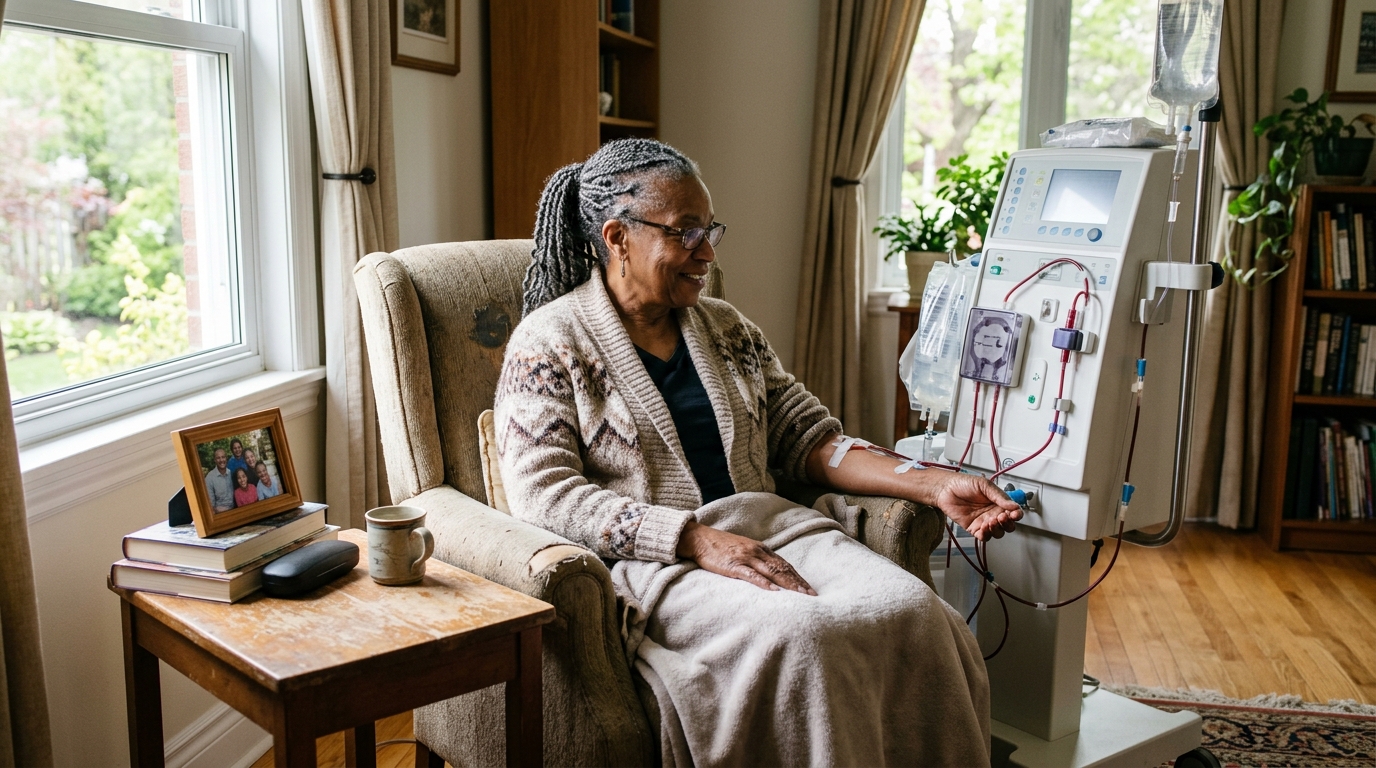
Types of Home Medical Care Modifications
Dialysis (Peritoneal or Hemodialysis):
- Dedicated treatment room (basement, bedroom, or new addition)
- Medical-grade water purification system ($8,000-$15,000)
- Backup electrical power for equipment ($5,000-$10,000)
- Specialized plumbing for water lines and drainage
IV Therapy / Infusions:
- Climate-controlled medication storage (refrigeration)
- Dedicated infusion chair/recliner area
- IV pump stands and medical supply organization
- Emergency power backup
Oxygen Therapy:
- Oxygen concentrator placement (quiet room, electrical access)
- Backup portable oxygen systems
- Room ventilation upgrade (moisture/heat management)
- Safety modifications (fire suppression, emergency exit)
Mechanical Ventilation:
- Backup power system (generator + battery): $15,000-$25,000
- Medical-grade electrical circuits
- Specialized bedside equipment setup
- Emergency switching systems
Comparison: Home Medical Care Funding Options
| Funding Source | Amount | Pros | Cons | Best For |
|---|---|---|---|---|
| Personal savings | $30,000-$80,000 | No debt, simple | Depletes emergency fund, retirement at risk | Short-term care (under 2 years) |
| Family loans | $20,000-$100,000 | Low/no interest, flexible | Relationship risk, formality issues | Close family relationships, clear timelines |
| Medical grants | $5,000-$25,000 | Tax-free, no repayment | Highly competitive, limited availability | Specific conditions (dialysis, ventilator) |
| Reverse mortgage | $40,000-$150,000 | Flexible, tax-free, no payments | Compounding interest, home equity reduction | Long-term care (3+ years), seniors 55+ |
| HELOC | $50,000-$200,000 | Lower rates, flexible | Requires mortgage approval, monthly payments | Younger borrowers with stable income |
| Medical debt loan | $30,000-$100,000 | Specialized terms, flexible | Approval difficult, variable rates | Those with good credit, documented income |
According to CMHC: "Home medical care modification is an increasingly recognized use case for reverse mortgages. Approximately 6-8% of reverse mortgage applications now cite medical home modification as primary reason, up from <1% in 2015."
Key Takeaways
- Home-based medical care is growing 12-18% annually in Ontario, but infrastructure barriers delay transitions
- Specialized medical room setup costs $35,000-$180,000+ depending on treatment type
- Reverse mortgage bridges the infrastructure gap without forcing families to deplete savings or delay critical care
- Strategic phased approach (room build-out year 1, equipment year 2, backup systems year 3) minimizes interest burden
- CHIP, HomeEquity Bank, and Equitable Bank offer medical-care specific reverse mortgages
- Ontario Health coordinates home care timelines with funding if you inform them of modification delays
- Rick Sekhon specializes in medical-care reverse mortgages with healthcare provider coordination
Getting Your Home Approved for Medical Care
Step 1: Medical Assessment
Your physician/specialist confirms home care is medically appropriate and documents specific infrastructure needs.
Step 2: Home Assessment
A nurse or therapist visits your home and creates a modification specification (electrical needs, water requirements, room size, ventilation, etc.).
Step 3: Cost Estimate
Contractor provides detailed quote for modifications to meet medical specifications.
Step 4: Reverse Mortgage Application
Submit RM application with medical documentation and contractor quotes.
Step 5: Modification Execution
After RM approval, contractor implements modifications while medical equipment is being set up.
Step 6: Medical Equipment Setup
Supplier installs equipment once home is ready; transition from hospital-based care to home-based care begins.
Frequently Asked Questions
Will my home-based medical care affect my CPP/OAS benefits or GIS eligibility?
No. Home medical care setup modifications are not considered income. Reverse mortgage draws do not affect government benefits. This makes RM ideal for medical home modifications.
Can I use provincial health funding to cover medical room modifications?
Partially. Ontario Health covers some medical equipment and nursing support, but typically NOT home renovations. Modifications to house plumbing, electrical, room construction are your responsibility. Reverse mortgage fills this gap.
What if medical care requirements change or patient recovers?
Renovated space can be repurposed. A dialysis room can become a bedroom, exercise room, or caregiver quarters. Medical-grade modifications add home value, even if original medical purpose changes.
Are medical room modifications tax-deductible?
Not typically. Home renovations for medical care don't qualify for disability tax credit on their own. However, if the patient qualifies for DTC (Disability Tax Credit), you may be eligible for some provincial grants. Consult accountant.
Can I get a reverse mortgage for equipment only (not home modifications)?
Generally no. Reverse mortgages fund home modifications and repairs, not equipment. Equipment is typically covered by medical supplier rental/lease programs or insurance. RM covers the infrastructure modifications needed to accommodate equipment safely.
Give Your Loved One the Gift of Home-Based Care
Medical care at home improves outcomes, quality of life, and independence. Reverse mortgage makes that possible without financial devastation.
Next Steps:
- Get medical assessment confirming home care appropriateness
- Request home care nurse's modification specifications
- Get contractor quote for required modifications
- Apply for reverse mortgage pre-approval
- Consult Rick Sekhon to coordinate medical timelines with RM funding
Home-based medical care is the future of healthcare. Reverse mortgage makes it accessible today.
Ready to Learn More?
Find out exactly how much you could unlock from your home — free and no obligation.
Related Articles
Multi-Generational Home Tech Infrastructure: Reverse Mortgage for Smart Care Coordination Systems
Complex multigenerational home needs tech infrastructure for care coordination. Reverse mortgage funds smart home systems.
Read →Seasonal Business Income Drops? Using Reverse Mortgage to Stabilize Retirement Cash Flow
Seasonal self-employed income creates retirement risk. Reverse mortgage smooths income gaps and protects retirement.
Read →Property Tax Assessment Error Creates Affordability Crisis? Reverse Mortgage to Bridge the Gap
MPAC assessment spike threatens affordability. Reverse mortgage bridges tax crisis while appeal is pending.
Read →