
Reverse Mortgage for Grandparent Fostering and Guardianship: Temporary Care vs. Permanent Adoption
Learn how a reverse mortgage can help you provide temporary foster care or guardianship for grandchildren without committing to permanent adoption.
When your grandchildren need emergency care, you may face a difficult choice: temporary fostering or permanent guardianship? Some Ontario grandparents want to help during a crisis—addiction recovery, job loss, housing crisis, hospitalization—but don't want permanent legal responsibility. Others face unclear timelines: their adult child's struggles may be temporary or may be permanent.
A reverse mortgage can fund either path: foster care that's legally temporary or guardianship that provides permanent security. Understanding the options—and the financial implications—helps you choose what's right for your family.
Grandparent Caregiving in Crisis: The Reality
Child Protection Services (CPS) in Ontario identifies over 17,000 children annually who need alternative care. Grandparents provide care in roughly one-third of these cases. Most situations fall into three categories:
Temporary Crisis Fostering
- Parent in treatment (addiction recovery, mental health hospitalization)
- Parent experiencing housing instability or homelessness
- Parent facing job loss or financial emergency
- Parent recently incarcerated or in legal proceedings
- Parent experiencing temporary but severe health crisis
Timeline: 3 months to 2 years (often ending when parent stabilizes)
Legal Guardianship (Longer-Term, Not Adoption)
- Parent permanently unable to provide care (mental illness, incarceration, permanent disability)
- Parent's whereabouts unknown or contact severed
- Parent's rights terminated or voluntarily surrendered
- Parent unwilling/unable to parent, but legal adoption not considered
Timeline: Until child reaches age 18 (or longer if arranged)
Permanent Adoption
- Parent's rights terminated
- You become legal parent (not grandparent)
- Complete legal responsibility and inheritance rights
- Often pursued when child's parents are deceased or have completely exited
Timeline: Permanent and legally irreversible
Most grandparents initially think in terms of temporary fostering ("Just until they get back on their feet"), but legal and practical realities often push toward guardianship or adoption.
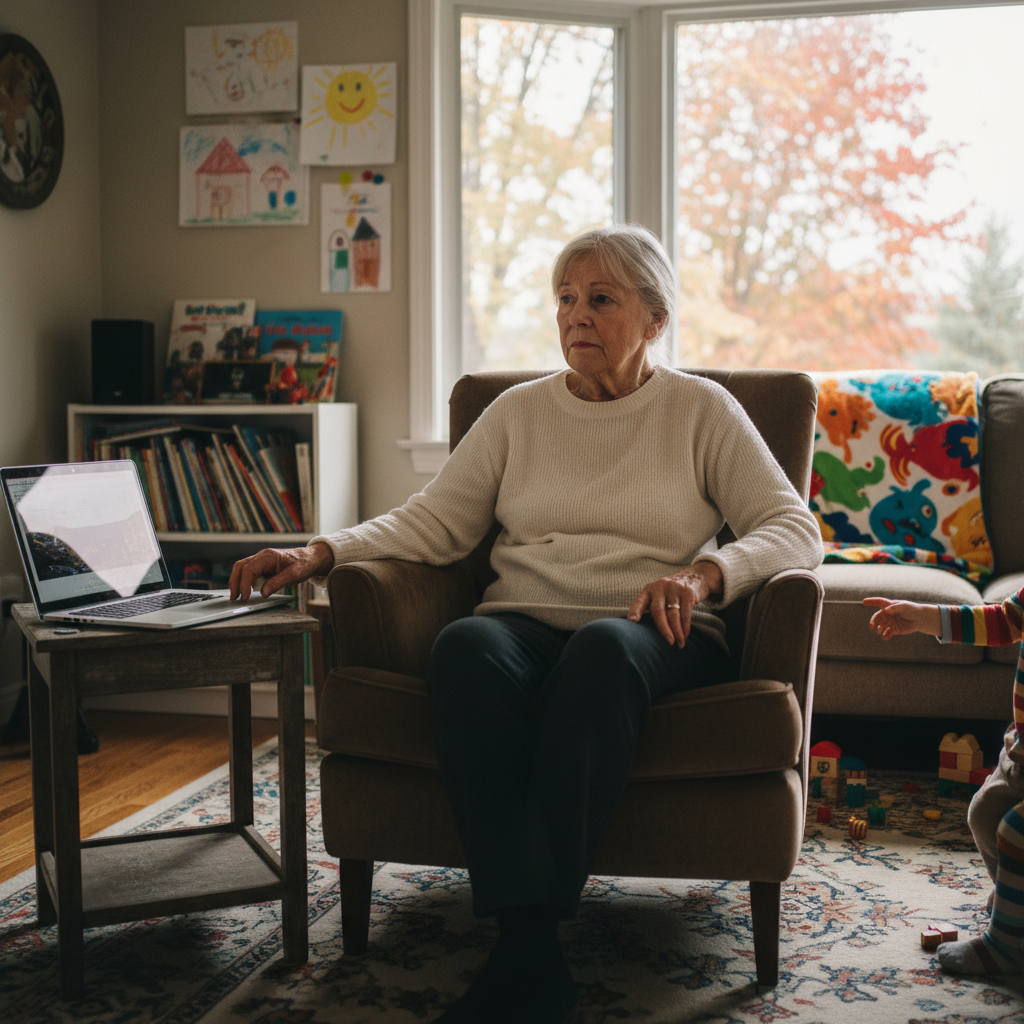
Understanding Ontario's Fostering System
How Foster Care Works Legally
In Ontario, "foster care" is a specific legal status, distinct from guardianship or adoption:
- Child remains in government care (usually through Children's Aid Society)
- You are a licensed foster parent (not legal guardian)
- The parent retains parental rights
- Government pays monthly foster care rates ($800-$1,200/month depending on age, needs)
- Services include ongoing social work support
- Services include therapy, education support, and health care coordination
Requirements for Foster Care
To legally foster in Ontario:
- Home study and background check
- Foster parent training (usually 30-40 hours)
- Ongoing social worker engagement
- Participation in permanency planning meetings
- Willingness to work toward reunification with parent
Benefits of Foster Care
- Monthly government payments help cover costs
- Ongoing professional support (social workers, therapists, healthcare)
- Clear expectation that this is temporary
- Parent's rights preserved (important if reunification is possible)
- Less emotionally permanent (foster care feels less like a life commitment)
- Better for children whose parents are clearly working toward reunification
Limitations of Foster Care
- Child legally belongs to government, not to you
- You have limited decision-making power (school choices, medical decisions require approval)
- Foster care can be disrupted if parent regains capacity
- Government can remove child if they determine you're unfit
- Emotional difficulty: you're expected to return child when reunification happens
- Limited time commitment to form deep family bonds (can be confusing for children)
Guardianship Without Adoption
Many Ontario grandparents choose legal guardianship rather than adoption:
How Guardianship Works
- You become legal guardian (not parent) through court order
- Parent retains parental rights but not custody
- You make all day-to-day decisions (medical, educational, etc.)
- Longer-term and more stable than foster care
- Not legally permanent like adoption
When Grandparents Pursue Guardianship
- Parent has severe mental illness (permanently impairs parenting ability)
- Parent has substance abuse addiction (unlikely to resolve)
- Parent is incarcerated (long-term or permanently)
- Parent has untreated developmental disability
- Parent has voluntarily relinquished parental involvement
- Parent's whereabouts unknown and contact impossible
Benefits of Guardianship
- More legal authority than foster care (you make key decisions)
- More stable than foster care (parents less likely to regain custody)
- Clearer legal status than informal caregiving
- Financial support available (Kinship Care Benefits in Ontario, up to $1,200/month)
- Professional support still available through CPS
- Child feels more "belonging" to your family (compared to foster care)
- You can access inheritance rights (if you choose to include them in your will)
Limitations of Guardianship
- No government financial support beyond Kinship Care Benefits
- Parent retains some parental rights (can challenge guardianship)
- You're legally responsible but not legally parent
- Grandchild may always identify as "in my grandparent's guardianship" rather than "my home"
- Estate planning is complicated (they're not legally your child)
- Guardianship can only be revoked through court (more complex than foster care)
Adoption: Permanent, Legal Parenthood
Some grandparents pursue adoption, making themselves the legal parent:
When Adoption Makes Sense
- Parent has died or disappeared completely
- Parent has voluntarily surrendered parental rights
- Child has been in your care long-term (3+ years)
- You want undeniable legal permanency and inheritance rights
- You plan to raise child to age 18 and beyond
Benefits of Adoption
- You become legal parent (not guardians or foster parent)
- Complete legal authority and decision-making power
- Child inherits from you (legal inheritance rights)
- Most secure legal status (cannot be reversed)
- Strongest legal bond (child is truly "yours")
- Clearest identity (child is your grandchild by law)
Limitations of Adoption
- Permanent and legally irreversible
- Parent's rights completely terminated
- You carry full parental responsibility and liability
- No government financial support
- Emotional commitment must be truly permanent
- Complicates relationships if parent later stabilizes
Financial Costs: Fostering vs Guardianship vs Adoption
Foster Care
- Government pays: $800-$1,200/month (covers basic food, housing, clothing)
- Your responsibility: Additional care costs not covered
- Professional support: Free (social workers, therapists)
- Legal costs: Free (government handles guardianship process)
- Net cost to you: $200-$500/month for extras
Guardianship
- Government pays: $800-$1,200/month Kinship Care Benefits
- Your responsibility: All other costs
- Professional support: Limited (may need to hire privately)
- Legal costs: $1,500-$4,000 for guardianship application
- Net cost to you: $500-$1,500/month (or $0 if benefits cover expenses)
Adoption
- Government pays: $0
- Your responsibility: All costs
- Professional support: Limited (may need to hire privately)
- Legal costs: $3,000-$8,000 for adoption process
- Net cost to you: $800-$2,000+/month until age 18
A reverse mortgage can make any of these affordable by providing funds for the gaps government doesn't cover.
| Care Arrangement | Government Support | Legal Costs | Typical Net Monthly Cost to You |
|---|---|---|---|
| Foster Care | $800-$1,200/month | Free (government-handled) | $200-$500/month |
| Guardianship | $800-$1,200/month (Kinship Care Benefits) | $1,500-$4,000 one-time | $500-$1,500/month |
| Adoption | $0 | $3,000-$8,000 one-time | $800-$2,000+/month |
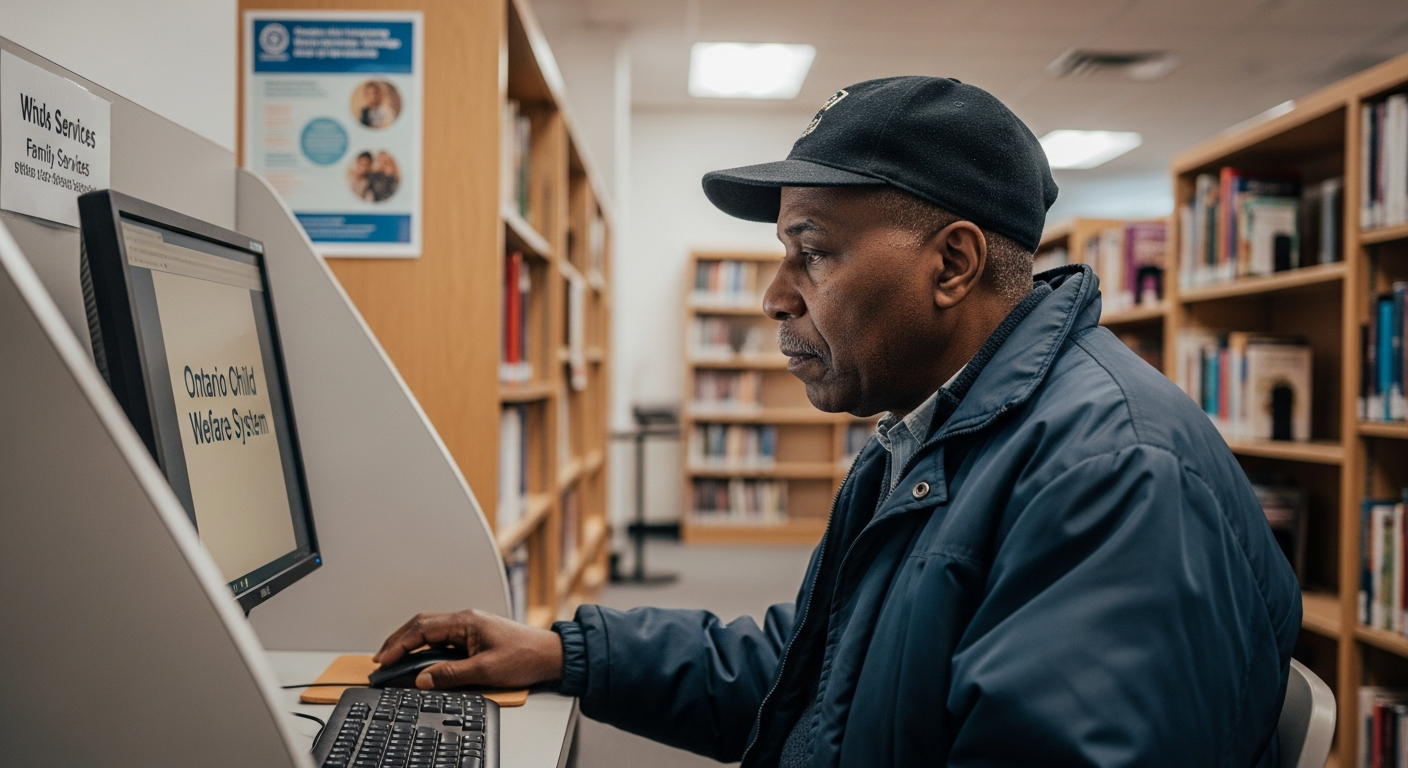
How a Reverse Mortgage Supports Grandparent Care
Covering the Gap Between Benefits and Actual Costs
Government support assumes basic housing, food, and clothing. It doesn't cover:
- Additional education costs (tutoring, special programs, music lessons)
- Healthcare beyond basics (glasses, dental, therapy)
- School supplies, uniforms, sports equipment
- Clothing as children grow and change
- Birthday celebrations and holiday gifts
- Emergency medical costs
- Therapy or counseling for trauma
Reverse mortgage: $25,000-$50,000 covers these gaps for 5-10 years
Home Modification for Multiple Children
Grandchildren in your care often need:
- Bedroom additions or renovations
- Bathroom updates for multiple children
- Kitchen expansion for larger household
- Play or study areas
- Safe outdoor spaces
Reverse mortgage: $30,000-$80,000 funds necessary home modifications
Education and Enrichment
Quality education support makes lasting difference:
- School tutoring or summer programs
- Art, music, or sports programs
- Special education assessments and support
- College preparation and access programs
Reverse mortgage: $10,000-$30,000 for multi-year education support
Legal and Professional Services
Guardianship or adoption involves ongoing legal work:
- Initial guardianship or adoption paperwork
- Ongoing legal issues (parent challenges, inheritance planning)
- Counseling and therapy for trauma-affected children
- Healthcare coordination
Reverse mortgage: $15,000-$40,000 for legal and professional support over time
Total Realistic Cost for Multi-Child Guardianship (10-year timeline)
- Basic government benefits: $96,000-$144,000 (from government)
- Your contribution: $60,000-$120,000 (housing modifications, education, healthcare, legal)
- A reverse mortgage providing $75,000-$100,000 makes this entirely manageable
| Reverse Mortgage Use | Typical Funding Range | Covers |
|---|---|---|
| Gap between benefits and actual costs | $25,000-$50,000 | Tutoring, healthcare extras, uniforms, gifts, emergencies (5-10 years) |
| Home modifications | $30,000-$80,000 | Bedroom additions, bathroom updates, kitchen expansion, play areas |
| Education and enrichment | $10,000-$30,000 | Tutoring, arts/sports programs, assessments, college prep (multi-year) |
| Legal and professional services | $15,000-$40,000 | Guardianship/adoption paperwork, ongoing legal issues, therapy |
Ontario homeowners 55+ can typically borrow 15-59% of their appraised home value through a reverse mortgage, with no monthly payments required and rates roughly 6.5%-8.5% depending on the lender and product. Proceeds are tax-free and don't affect OAS or GIS benefits, and negative-equity protection means you'll never owe more than your home is worth.
Decision-Making: Which Path Is Right?
Choose Foster Care If:
- Parent's difficulties are clearly temporary (treatment, job recovery, housing stabilization)
- Parent is actively working toward reunification
- Timeline is short (likely under 2 years)
- You're willing to help child transition back to parent
- You want ongoing professional support
- You prefer government financial assistance
Choose Guardianship If:
- Parent's issues are severe and unlikely to resolve (addiction, mental illness, incarceration)
- Timeline is likely long-term (3+ years, possibly until age 18)
- You want more legal authority than foster care provides
- Parent is unlikely to effectively challenge guardianship
- You want deeper family bonds than temporary foster care allows
- Child stability is your priority
Choose Adoption If:
- Parent has died, disappeared, or voluntarily surrendered rights
- You're prepared for permanent parental responsibility
- Child has been in your care long-term (3+ years)
- You want undeniable legal parent status
- You plan to include child in inheritance
- You're ready to be grandchild's "parent" legally and emotionally
Impact on Your Estate and Inheritance
Different care arrangements affect your will and inheritance planning:
Foster Care
- Child has no inheritance rights (they're not legally your dependent)
- Guardianship ends when child turns 18
- Plan addresses their needs after guardianship ends (educational funds, housing help)
Guardianship
- Child has no automatic inheritance rights (unlike legally adopted child)
- You can include them in will if you choose
- Guardianship can be contested after your death
- Other heirs may question inclusion
Adoption
- Child has full inheritance rights (equal to any biological child)
- Guardianship continues through your estate
- Clear legal status prevents future disputes
- Adopted grandchild can inherit, challenge will, etc.
Discuss estate planning with a lawyer regardless of which path you choose.

The Conversation With Your Adult Child
This is sensitive. You're potentially taking over parental responsibilities:
- Lead with compassion: "I know you're struggling. I want to help your children while you work on getting stable."
- Be clear on timeline: "I'm offering foster care [or guardianship] for X timeframe. Here's what needs to happen for reunification."
- Establish expectations: "I'll support your recovery, but you'll need to do the work—treatment, housing, employment."
- Address boundaries: "Guardianship doesn't mean you're not their parent. It means I have legal authority while you stabilize."
- Plan for change: "My goal is supporting you to parent your children again. Let's make that the plan."
This conversation should happen with possible professional mediation (family counselor, social worker).
Grandchildren's Experience
Remember: grandchildren experiencing parental loss (even temporary) are traumatized.
- Foster care feels temporary and insecure
- Guardianship feels more stable but can seem like parental replacement
- Adoption feels permanent but may feel like betrayal of birth parent
- All three require honest, age-appropriate communication with children
Professional support (therapist, counselor) helps children process their experience regardless of legal arrangement chosen.
Key Takeaways
- Ontario grandparents can typically borrow 15-59% of their home's appraised value through a reverse mortgage, with no monthly payments required.
- Foster care pays $800-$1,200/month from government but leaves you with $200-$500/month in uncovered extras.
- Guardianship legal costs run $1,500-$4,000, while adoption legal costs run $3,000-$8,000, both paid out of pocket.
- A 10-year multi-child guardianship arrangement can require $60,000-$120,000 in out-of-pocket contributions beyond government benefits.
- Reverse mortgage rates in Ontario are roughly 6.5%-8.5%, and proceeds are tax-free and don't affect OAS or GIS.
- Negative-equity protection means you'll never owe more than your home is worth, regardless of how long the arrangement lasts.
Frequently Asked Questions
Can a reverse mortgage affect my eligibility for government caregiving benefits?
No. Reverse mortgage proceeds are structured as a tax-free loan advance, not income, so they don't affect Kinship Care Benefits, OAS, GIS, or other government support. This makes a reverse mortgage a useful way to cover costs without jeopardizing existing benefits.
Do I need to be a certain age to qualify for a reverse mortgage as a caregiving grandparent?
Yes. In Ontario, all title holders on the home must be at least 55 years old to qualify for a reverse mortgage, regardless of the caregiving arrangement (foster, guardianship, or adoption) you choose for your grandchildren.
How much of my home's value can I access to help fund grandchild care?
Most Ontario reverse mortgage lenders allow you to borrow between 15% and 59% of your home's appraised value, depending on your age, home value, and location. Rick Sekhon can help you estimate the exact amount available based on your specific situation.
Does taking a reverse mortgage put my home at risk if I can't keep up payments?
No monthly payments are required with a reverse mortgage, so there's no risk of default from missed payments. The loan becomes due only when you sell, pass away, or permanently move out of the home, and negative-equity protection ensures you'll never owe more than the home is worth.
Is guardianship or adoption better for accessing reverse mortgage funds?
Your legal arrangement with your grandchildren doesn't affect your reverse mortgage eligibility — that's based on your age, home equity, and the property itself. Whether you choose foster care, guardianship, or adoption, a reverse mortgage can supplement whichever path fits your family's needs.
Can reverse mortgage funds be used for legal fees related to guardianship or adoption?
Yes. Reverse mortgage proceeds can be used for any purpose, including the $1,500-$4,000 typical cost of a guardianship application or the $3,000-$8,000 typical cost of an adoption process, along with ongoing legal and professional support.
The Long-Term Reality
Grandparents who've provided long-term care report:
Most Satisfaction From:
- Clear legal status (knowing your role and authority)
- Adequate financial support (whether from government or reverse mortgage)
- Professional support and guidance
- Honest expectations about timeline and goals
- Strong extended family and community support
Most Challenges From:
- Financial strain without reverse mortgage support
- Ambiguity about long-term arrangements
- Parental involvement that's unpredictable or disruptive
- Lack of professional support
- Other family members' judgment or lack of support
- Grief about adult child's struggles and lost relationship
A reverse mortgage removes financial strain from this equation, allowing you to focus on relationship, support, and legal clarity.
The Bottom Line: Providing care for grandchildren—whether foster, guardianship, or adoption—is one of the most meaningful family contributions you can make. A reverse mortgage removes financial barriers, allowing you to choose the legal arrangement that's truly right for your family rather than the one you can barely afford. It honors both your grandchildren's needs and your adult child's struggles with financial security and peace of mind.
Ready to Learn More?
Find out exactly how much you could unlock from your home — free and no obligation.
Related Articles
Reverse Mortgage for Home Modifications When Adult Child Has Sensory Processing Disorder
Fund sensory-safe home design for adult child with SPD. Reverse mortgage covers lighting, sound dampening, sensory rooms, and accessibility modifications.
Read →Reverse Mortgage for Occupational Health and Safety Professional Certification
Fund adult child's OHS certification and professional development. Reverse mortgage covers exam costs, training, and workplace safety credentials.
Read →Reverse Mortgage When Named Executor of Multiple Estates: Managing Complex Coordination
Managing multiple executor roles simultaneously strains finances. Use reverse mortgage to fund executor costs, legal fees, and time management across estates.
Read →