
Reverse Mortgage for Years of Deferred Home Maintenance: Prioritizing and Sequencing Critical Repairs
Fund overdue home repairs safely and strategically. Reverse mortgage to address decades of deferred maintenance while aging in place in Ontario.
You've lived in your home for 30 years and maintained it reasonably well, but recently you've noticed the roof is aging, the foundation has cracks, the electrical system is outdated, and the plumbing groans—you've deferred small issues for years because "it still works." Now that you're retired and aging in place, addressing decades of deferred maintenance feels overwhelming and impossible.
Many Ontario seniors face the reality of aging homes with accumulated maintenance needs. The cost to address everything at once can exceed $50,000–$150,000. A reverse mortgage provides strategic access to funds for prioritized repairs sequenced in a way that maximizes safety and prevents catastrophic failures.
Why Deferred Maintenance Accelerates in Retirement
Homeownership involves ongoing maintenance, but many seniors reduce repair spending when they retire and income drops. What seems like wise budgeting in year one becomes dangerous deferred maintenance by year 10 or 15.
Common deferred maintenance patterns:
- Roof inspections skipped (catching small leaks before they cause structural damage)
- Foundation cracks monitored but not repaired (allowing water intrusion, mold)
- Electrical updates postponed (relying on aging panels, outdated wiring)
- Plumbing issues worked around (managing low water pressure, slow drains instead of replacing pipes)
- HVAC maintenance deferred (running aging systems past intended lifespan)
- Exterior caulking and weatherproofing ignored (allowing water damage to compound)
According to CMHC research, the average Ontario homeowner 65+ has accumulated $35,000–$95,000 in deferred maintenance by retirement. This creates three problems:
- Safety hazard (electrical fires, structural collapse, mold exposure)
- Rapid cost escalation (a $5,000 roof repair becomes $25,000 when water damage spreads)
- Aging-in-place barrier (can't safely remain home without repairs)
The Hidden Costs of Deferred Maintenance: Cascading Failures
Small deferred maintenance items don't stay small. Water from a small roof leak leads to attic mold, which damages insulation, which reduces energy efficiency, which increases heating costs. One small failure cascades into multiple expensive problems.
How deferred maintenance escalates:
| Initial Issue | Year 1 Cost | Year 5 Cost (If Deferred) | Reason for Escalation |
|---|---|---|---|
| Roof shingle damage | $500–$1,000 repair | $15,000–$30,000 replacement | Water penetration damages attic, framing, insulation |
| Foundation crack | $2,000–$5,000 sealing | $25,000–$60,000 major repair | Crack widens, allowing basement flooding, mold |
| Electrical panel outdated | $3,000–$8,000 upgrade | $10,000–$20,000 emergency repair + replacement | Fire risk, device failures, forced replacement during crisis |
| Plumbing corrosion | $1,500–$4,000 section replacement | $20,000–$40,000 full replumb | Pipe failure in walls, water damage to structure |
| HVAC maintenance skipped | $200–$400/year service | $8,000–$15,000 emergency replacement | Equipment fails in winter, forcing expensive rush replacement |
Total cost of waiting to address all five items as crises: $58,000–$165,000 vs. proactive repair: $10,700–$37,400

Prioritizing Repairs: The Safety-First Framework
Not all deferred maintenance is equally urgent. A strategic reverse mortgage plan addresses repairs in priority order: safety hazards first, then structural integrity, then efficiency.
Priority 1 (Immediate Safety—address within weeks):
| Issue | Estimated Cost | Safety Risk |
|---|---|---|
| Electrical hazards (exposed wiring, overloaded panels, fire risk) | $3,000–$15,000 | Electrocution, house fire |
| Roof leaks affecting living spaces | $5,000–$20,000 | Structural collapse, mold exposure |
| Foundation cracks allowing water/pests | $2,000–$10,000 | Basement flooding, structural damage |
| Mold (active, spreading) | $3,000–$15,000 | Respiratory hazard, especially for seniors |
| Gas leak or heating system malfunction | $1,500–$8,000 | Carbon monoxide poisoning, fire |
Priority 1 typical budget: $14,500–$68,000
Priority 2 (Structural Integrity—address within 3–6 months):
| Issue | Estimated Cost | Impact |
|---|---|---|
| Roof deterioration (not leaking, but aging) | $8,000–$25,000 | Prevents future leaks, extends home life |
| Plumbing upgrades (copper corrosion, low water pressure) | $5,000–$20,000 | Prevents failures, improves water quality |
| Insulation and weatherproofing | $3,000–$12,000 | Improves energy efficiency, reduces long-term costs |
| Basement moisture control (preventive) | $2,000–$10,000 | Prevents mold, protects structure |
| Exterior caulking and siding repairs | $2,000–$8,000 | Prevents water intrusion, extends home life |
Priority 2 typical budget: $20,000–$75,000
Priority 3 (Efficiency and Comfort—address within 6–12 months):
| Issue | Estimated Cost | Benefit |
|---|---|---|
| HVAC upgrade (efficiency improvement) | $5,000–$12,000 | Reduces energy costs, improves comfort |
| Window replacement (older single-pane) | $4,000–$15,000 | Improves insulation, reduces drafts |
| Bathroom/kitchen updates (functional, not cosmetic) | $5,000–$20,000 | Improves aging-in-place functionality |
| Deck/entryway repairs (aging, becoming unsafe) | $3,000–$12,000 | Prevents falls, improves accessibility |
Priority 3 typical budget: $17,000–$59,000
Strategic Sequencing: Why Order Matters
Repairing deferred maintenance in the wrong order wastes money and creates new problems.
Example of poor sequencing: Replacing windows (cosmetic) before addressing roof leaks (structural) means new windows become damaged from water intrusion. Cost: Window replacement + water damage repair = $20,000 instead of addressing roof first ($10,000).
Effective reverse mortgage strategy for deferred maintenance:
- Inspection phase (Weeks 1–2): Hire professional building inspector to identify all deferred maintenance, prioritize by safety and cost impact. Cost: $500–$1,500
- Phase 1 repairs (Months 1–3): Address Priority 1 safety issues. Cost: $14,500–$68,000
- Phase 2 repairs (Months 4–9): Address Priority 2 structural integrity. Cost: $20,000–$75,000
- Contingency reserve (Months 10+): Hold funds for discovered issues or emergency repairs. Recommended: 15–20% of total project budget
Total strategic deferred maintenance budget: $35,000–$145,000
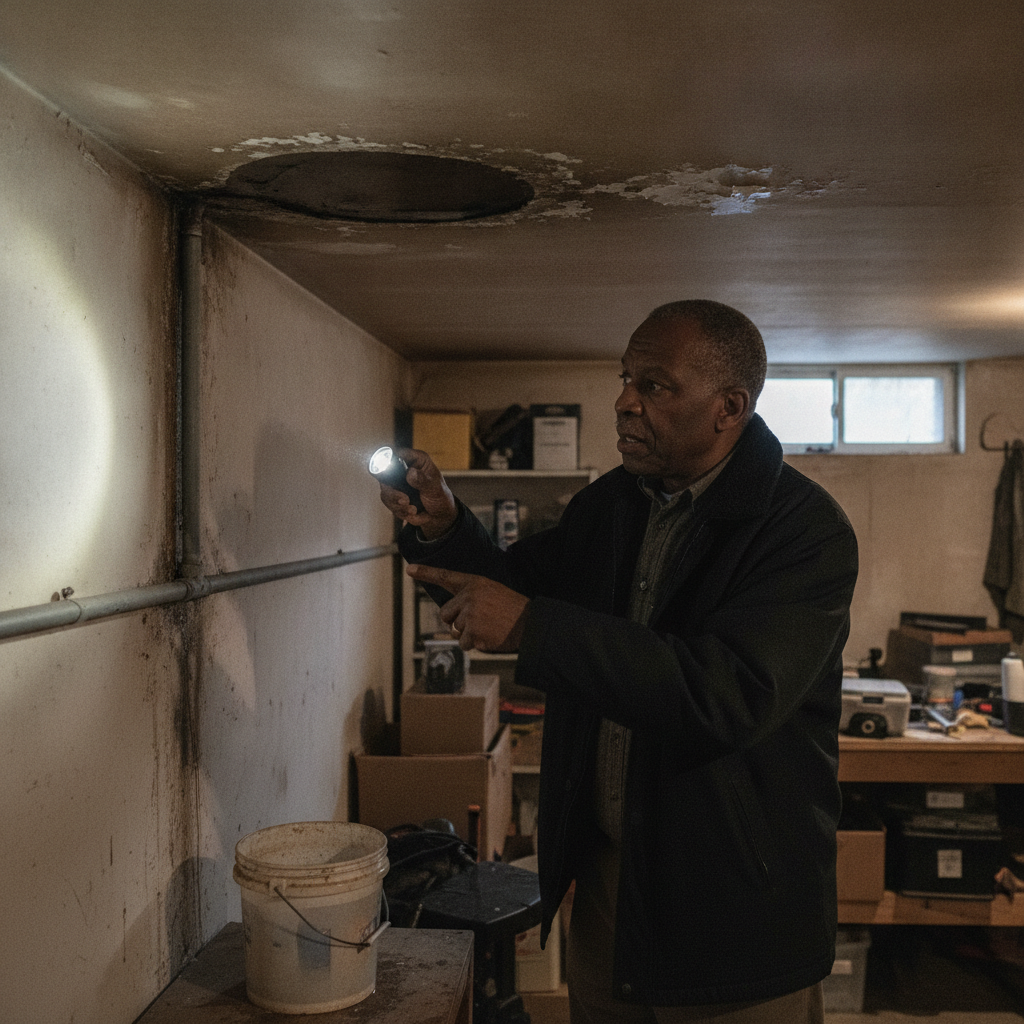
Insurance and Liability: Why Deferred Maintenance Matters to Your Lender
Home insurance companies are increasingly selective about covering homes with deferred maintenance. Insurers may:
- Refuse to renew policies if roof is beyond its rated lifespan
- Increase premiums 20–40% if electrical system is outdated
- Exclude water damage if foundation cracks are known and unrepaired
- Drop coverage entirely if mold is present
Insurance cost impact of deferred maintenance:
According to Insurance Bureau of Canada, homes with known deferred maintenance pay 15–50% higher premiums. A home with $50,000 in deferred maintenance might pay an extra $200–$500 annually in insurance costs.
Reverse mortgage lenders also care: CHIP, HomeEquity Bank, Equitable Bank, and Bloom Financial all require home appraisals. Significant deferred maintenance affects appraisal values and may complicate loan approval if structural integrity is questioned.
Energy Efficiency: Hidden Costs of Deferred Maintenance
Aging homes with deferred maintenance cost significantly more to heat and cool. Many seniors don't realize how much of their heating/cooling costs stem from deferred efficiency upgrades.
Hidden heating costs (deferred maintenance):
- Single-pane windows vs. modern double-pane: Additional $1,000–$2,000/year heating cost
- Poor insulation from unmaintained attic: Additional $800–$1,500/year heating cost
- Roof leaks causing attic insulation damage: Additional $600–$1,200/year heating cost
- Outdated HVAC running inefficiently: Additional $400–$800/year operating cost
Total annual hidden cost of deferred maintenance: $2,800–$5,500/year
Over 10 years, this amounts to $28,000–$55,000 in excess energy costs—exceeding the cost of proactive upgrades.
The Financial Math: Reverse Mortgage vs. Deferred Maintenance Compounding
Many seniors delay maintenance to preserve cash, but the math works against them.
Comparison: Proactive vs. Deferred approach:
| Year | Proactive (RM) | Deferred | Difference |
|---|---|---|---|
| Year 1 | RM: $50,000 borrowed + interest | Annual heating: $3,000; repairs: $0 | $50,000 cost + interest |
| Year 3 | RM: Interest accumulating (~$10,000) | Heating: $9,000; minor repairs: $8,000 | RM interest + deferred repairs |
| Year 5 | RM: Interest ~$18,000; repairs done | Heating: $15,000; major repairs needed: $25,000 | RM interest vs. $40,000 repairs + heating |
| Year 10 | RM: Interest ~$35,000; full repairs done | Heating: $30,000; cascading crisis repairs: $80,000 | RM cost $85,000 vs. $110,000 repairs + heating |
Reverse mortgage approach becomes more cost-effective after 5–7 years.
Working with Contractors: Avoiding Scams and Overcharging
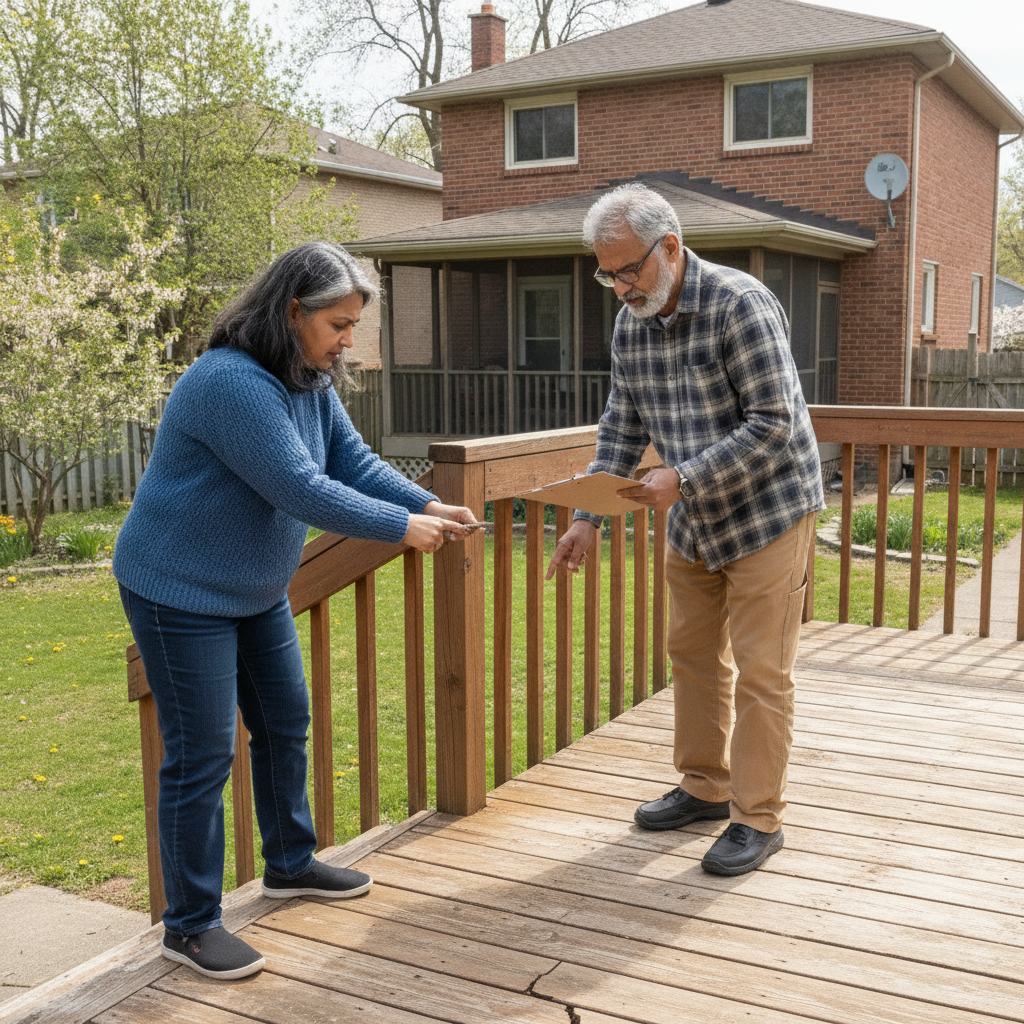
Seniors addressing deferred maintenance after decades are vulnerable to contractor overcharging and unnecessary upgrades. Rick Sekhon Reverse Mortgages recommends:
- Get 3 independent written estimates for each major repair
- Hire structural engineer for foundation issues ($500–$1,500 assessment, saves thousands in unnecessary work)
- Verify contractor licensing and insurance
- Request phased payment (25% down, 25% at milestones, balance on completion)
- Use reverse mortgage line of credit rather than lump sum to control cash flow
Key Takeaways
- Average Ontario senior has accumulated $35,000–$95,000 in deferred maintenance by retirement
- Deferred maintenance issues escalate 5–10 times in cost when left unrepaired (roof: $500 issue becomes $15,000–$30,000 problem)
- Prioritized repair strategy addresses safety hazards first, then structural integrity, then efficiency
- Deferred maintenance increases home insurance costs 15–50% annually ($200–$500/year extra)
- Aging systems waste $2,800–$5,500 annually in excess energy costs, totaling $28,000–$55,000 over 10 years
- Proactive reverse mortgage approach becomes more cost-effective than deferred maintenance after 5–7 years
Frequently Asked Questions
How do I know which repairs are truly urgent vs. which can wait?
Hire a professional home inspector ($500–$1,500) to provide written prioritization. Inspectors identify safety hazards (electrical, mold, structural) versus cosmetic issues. This one expense saves thousands by preventing unnecessary work and ensuring correct priority sequence.
Can I use a reverse mortgage line of credit to fund repairs gradually, rather than taking a lump sum?
Yes, absolutely. Line-of-credit reverse mortgages allow you to access funds as needed over time. This is ideal for phased repairs—address Priority 1 this year, Priority 2 next year—while controlling interest costs and cash flow.
What if my home inspection reveals more deferred maintenance than I expected, and my reverse mortgage isn't large enough?
If your home's equity is modest, you may need to prioritize even more tightly—addressing only critical safety issues and deferring efficiency upgrades. Alternatively, some seniors combine reverse mortgage with strategic HELOC for modest additional funds.
Will addressing deferred maintenance actually increase my home's value?
Somewhat. A home inspection reveals deferred maintenance, which reduces appraised value. Addressing critical safety and structural issues prevents further value decline. However, homes with historic deferred maintenance rarely appreciate significantly—the goal is to stabilize value and enable safe aging in place.
Should I disclose deferred maintenance when applying for a reverse mortgage?
Yes. Lenders order appraisals that reveal deferred maintenance. Disclosing it proactively and sharing your repair plan demonstrates responsibility and planning—improving lender confidence in your application.
What if I can't afford to address all the deferred maintenance even with a reverse mortgage?
Focus ruthlessly on Priority 1 (safety hazards). Safety issues make a home uninhabitable for aging in place. If equity is insufficient, consult with Rick Sekhon Reverse Mortgages about whether downsizing or relocating to a lower-maintenance home makes financial sense.
Ready to Learn More?
Find out exactly how much you could unlock from your home — free and no obligation.
Related Articles
Reverse Mortgage for DEI Consulting Practice: Launching Diversity, Equity, and Inclusion Consulting in Retirement
Start a diversity and inclusion consulting practice. Help corporations and nonprofits build equitable cultures; reverse mortgage funds training, business setup, and market entry.
Read →Reverse Mortgage for Residential Sustainability Auditing Practice: Certifying Aging in Place
Launch a professional home energy and sustainability auditing business. Help Ontario homeowners certify efficiency; reverse mortgage funds training, tools, and market entry.
Read →Reverse Mortgage for Archival and Digital Preservation Consulting: Preserving Institutional History and Heritage
Launch archival consulting practice preserving records for institutions. Help libraries, archives, nonprofits; reverse mortgage funds training, tools, and market entry.
Read →