
Reverse Mortgage to Avoid Property Tax Foreclosure in Ontario: Stop the Clock Before You Lose Your Home
Avoid Ontario property tax foreclosure with a reverse mortgage. Learn how to access home equity to pay delinquent taxes and keep your home.
What if your dream home of 40 years gets taken from you—not because you can't afford it, but because property tax payments slipped through the cracks? The good news: a reverse mortgage can stop a tax foreclosure in Ontario before it's too late. You own your home free and clear, but unpaid property taxes pose a real threat. Here's how to reclaim financial control.
Why Ontario Property Tax Delinquency Spirals Quickly
Property tax foreclosure in Ontario happens faster than most homeowners realize. When homeowners miss property tax payments, municipalities begin a formal enforcement process. The Ontario Property Tax Act allows municipalities to register a lien on your property and, after a defined notice period, force a sale to recover unpaid taxes plus penalties and interest.
A reverse mortgage is a direct, fast-acting solution. Unlike traditional borrowing (which requires income documentation you may not have in full retirement), a reverse mortgage only requires home equity—and if you've owned your home for decades, you likely have substantial equity.
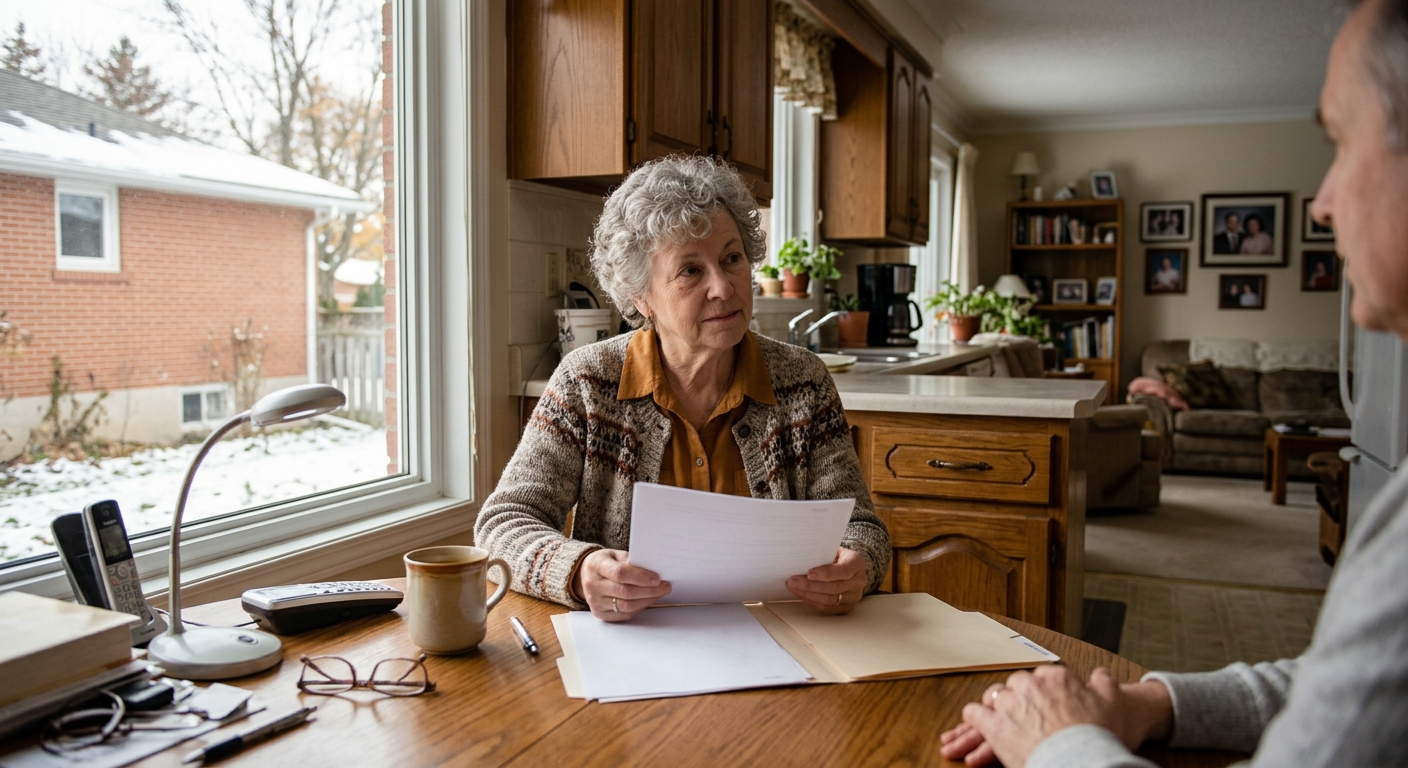
How Property Tax Arrears Accumulate in Ontario
Many retirees face property tax delinquency for reasons beyond carelessness:
- Fixed-income squeeze: Living on CPP/OAS alone, property taxes rise 2-3% annually while income does not.
- Payment oversight: A spouse handled finances; the surviving spouse never received the tax bill.
- Health crisis: Hospitalization or dementia diagnosis caused bills to go unpaid for months.
- Unexpected assessment: MPAC reassessment tripled property tax; homeowner couldn't adjust budget in time.
| Scenario | Annual Property Tax (Example) | Delinquency Period (Months) | Total Arrears + Penalties |
|---|---|---|---|
| Single fixed-income retiree | $4,500 | 12 | ~$5,200 |
| Surviving spouse after death | $4,800 | 18 | ~$6,100 |
| Post-MPAC reassessment | $6,200 | 9 | ~$7,100 |
| Hospitalized homeowner | $5,000 | 14 | ~$6,300 |
How Ontario municipalities enforce property tax recovery:
| Stage | Timeline | Action |
|---|---|---|
| Arrears Notice Issued | 1-3 months after miss | Registered letter demanding payment |
| Tax Sale Registration | 30–90 days later | Municipality registers claim on title; interest accrues at 8% per year |
| Final Notice to Redeem | 90 days after registration | Last chance to pay full arrears or face enforcement sale |
| Foreclosure/Sale | 120+ days after final notice | Municipality can force sale of property to satisfy debt |
A Reverse Mortgage Stops the Foreclosure Clock
A reverse mortgage accessed quickly can pay arrears in full before a forced sale happens. Here's why it works:
- Fast approval (14–30 days): Reverse mortgages close faster than traditional refinancing because lenders focus on home equity, not income.
- Lump sum availability: Funds arrive as a one-time payout to pay the arrears immediately.
- No monthly payments: You don't repay until you sell or pass away, so fixed income isn't further stressed.
- Home stays yours: The reverse mortgage secures the loan against your equity; your home and ownership remain yours.
Case Study: Margaret's Tax Crisis
Margaret, 72, widowed, living on $28,000 annual CPP/OAS, owned a home worth $450,000 with no mortgage. When her property tax bills went to her old address during a mail-hold, she missed three years of payments. By the time she discovered $16,500 in arrears plus penalties, Ontario's municipality had already registered a tax sale lien.
She had three options:
- Sell her home quickly in a distressed market (lose 10–15% to hasty sale).
- Take a personal loan (her fixed income disqualified her).
- Access a reverse mortgage ($300,000 available against her $450,000 home).
Margaret chose the reverse mortgage. Within 25 days, she received $18,000. The municipality accepted full payment, the lien was removed, and Margaret stayed in her home. Monthly cost: $0. She used $18,000 of her $300,000 available credit, leaving $282,000 for future care costs.
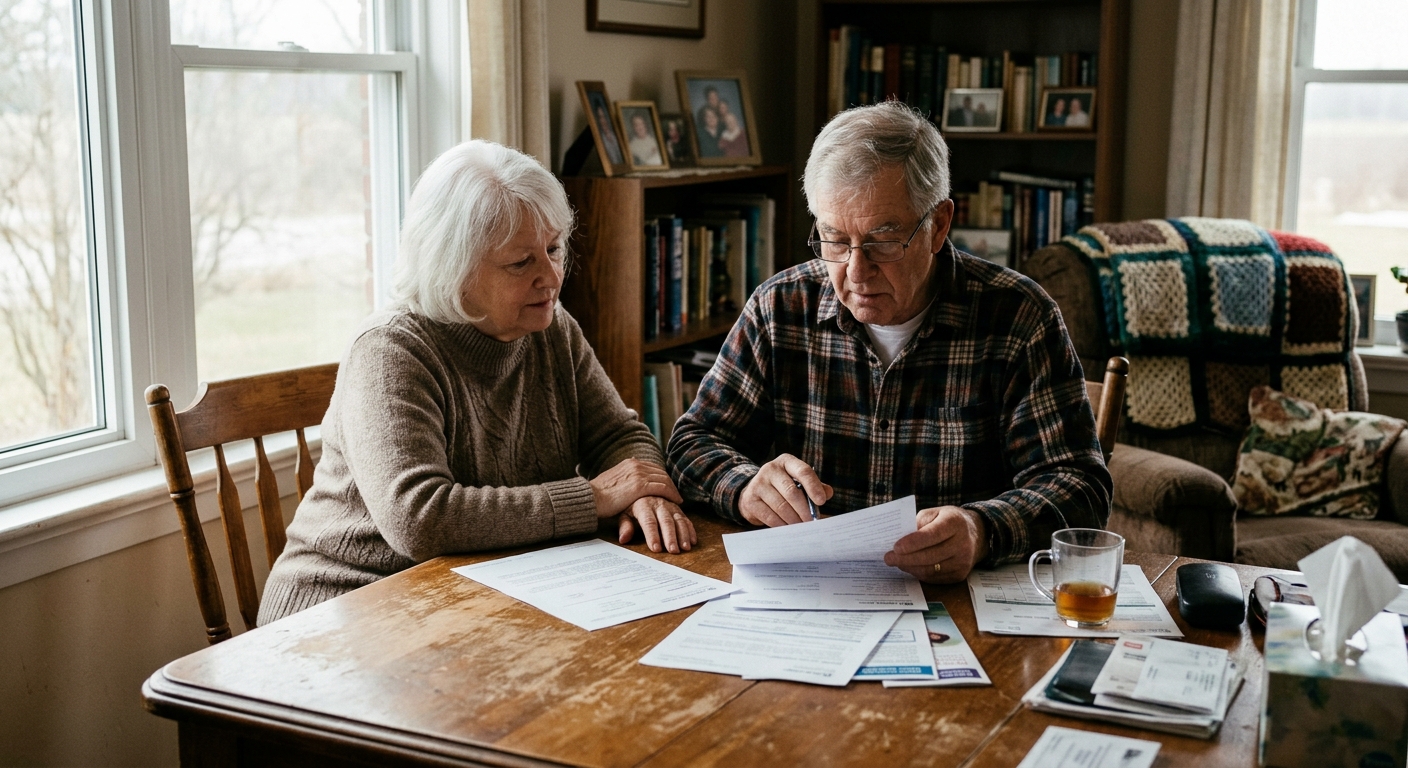
Understanding Your Ontario Property Tax Arrears and Reverse Mortgage Options
How Much Can You Borrow to Cover Tax Arrears?
Most reverse mortgage lenders in Ontario—including CHIP, HomeEquity Bank, Equitable Bank, and Bloom Financial—will lend up to 50–55% of your home's appraised value minus existing debt. If you have no mortgage, your available equity is higher.
Example calculation:
- Home appraised value: $500,000
- Property tax arrears + penalties: $22,000
- Existing mortgage: $0
- Available reverse mortgage (50%): $250,000
- You can cover the $22,000 arrears and have $228,000 remaining for other needs.
CRA Perspective: Tax Liens vs. Property Tax Arrears
A common concern: If I use a reverse mortgage to pay property tax arrears, does CRA get priority, or does the municipality?
In Ontario, municipal property tax liens have priority over most other debts, including CRA liens. This means if you're behind on BOTH property taxes AND CRA debt, paying the property tax arrears first prevents the worst immediate threat (foreclosure).
According to FSRAO (Financial Services Regulatory Authority of Ontario), property tax enforcement is one of the fastest-moving debt recovery tools municipalities have, making early intervention critical.
The Process: From Arrears to Reverse Mortgage Approval
Step 1: Assess Your Arrears (1–2 days)
Contact your municipal tax office directly and request:
- Total arrears (unpaid principal)
- Accumulated interest and penalty amounts
- Current enforcement status (is a lien registered? A sale notice posted?)
Step 2: Get Your Home Appraised (5–10 days)
A reverse mortgage lender will order a professional appraisal. Once your home value is confirmed, they calculate available equity.
Step 3: Apply for the Reverse Mortgage (3–7 days)
Submit your application. With strong home equity and a clear title path (once tax arrears are cleared), approval is usually straightforward.
Step 4: Independent Legal Advice & Closing (3–7 days)
Ontario requires you to receive independent legal advice before signing. Your lawyer will ensure you understand the loan terms and will coordinate with the lender to pay off arrears directly to the municipality from closing proceeds.
Step 5: Payout & Lien Removal (1–5 business days)
Once the reverse mortgage closes, funds go directly to the municipality. The tax lien is discharged, and your title is clear.
Total timeline: 14–30 days (depending on municipal processing speed).
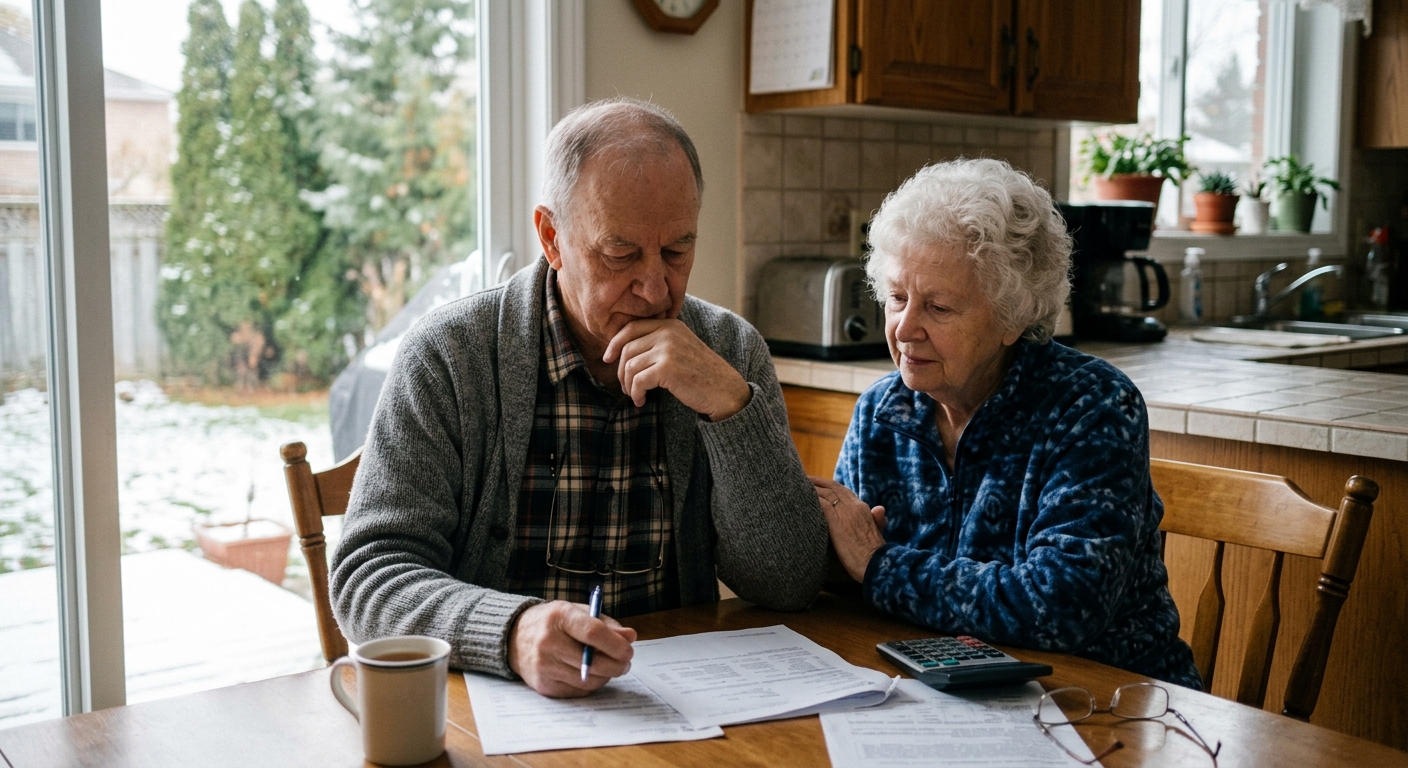
What to Expect: Interest Costs and Long-Term Impact
Reverse mortgage interest rates in Ontario (as of August 2026) range from 6.0% to 7.2% depending on the lender and whether you choose variable or fixed.
If you borrow $20,000 at 6.5% fixed to cover tax arrears:
| Year | Balance (No Payments) | Interest Accrued |
|---|---|---|
| Year 1 | $21,300 | $1,300 |
| Year 5 | $26,400 | $6,400 |
| Year 10 | $37,100 | $17,100 |
Important: Reverse mortgage interest compounds because you don't make monthly payments. However, you retain full home ownership. If you sell in 5 years or pass away, your estate pays back the loan from home sale proceeds.
Many advisors, including Rick Sekhon Reverse Mortgages, recommend exploring a reverse mortgage for tax arrears only when:
- Your home equity exceeds the arrears by at least 10× (safety margin).
- You plan to stay in your home 5+ more years.
- No other quick debt solution exists (you don't qualify for traditional refinancing).
Preventing Future Property Tax Arrears: Proactive Strategies
Once your arrears are cleared, avoid future delinquency:
- Set up automatic payments with your municipality (most accept monthly auto-pay).
- Request payment plan review annually as property values and assessed values change.
- Monitor MPAC reassessments and appeal if your assessment seems inflated.
- Establish a tax reserve within your reverse mortgage line of credit—use it only for property taxes each year.
According to FCAC (Financial Consumer Agency of Canada), seniors who set up automatic bill payments avoid 95% of property tax arrears issues.
Key Takeaways
- Ontario municipalities can force a home sale within 120+ days if property tax arrears are not resolved—time is critical.
- A reverse mortgage provides fast (14–30 day) access to home equity without monthly payment obligations.
- Available reverse mortgages from lenders like CHIP, HomeEquity Bank, Equitable Bank, and Bloom Financial can cover arrears plus leave room for future needs.
- Interest compounds but is only payable when you sell or pass; your home remains yours.
- Prevention (automatic payments, regular assessment monitoring) is far easier than crisis intervention.
- Working with a reverse mortgage specialist like Rick Sekhon Reverse Mortgages ensures legal and municipal processes are coordinated correctly.
Frequently Asked Questions
Can a reverse mortgage be used to pay property taxes if I'm already in foreclosure?
Not in active foreclosure—the lender will require a clear title. However, if arrears are registered but not yet in forced sale, a reverse mortgage can intervene. Contact a specialist immediately; delays of even days matter.
Will paying property tax arrears with a reverse mortgage affect my CPP or OAS benefits?
No. Reverse mortgage proceeds do not count as income for CPP/OAS calculations (CRA does not tax them). Your benefits are unaffected.
What if I have both a traditional mortgage AND property tax arrears?
A reverse mortgage cannot close until the first mortgage is paid off. If you have insufficient equity after paying the first mortgage and arrears, this strategy won't work. Consult Rick Sekhon Reverse Mortgages for alternative solutions.
How does a reverse mortgage interact with a municipal tax lien on my property?
The reverse mortgage lender coordinates directly with the municipality. At closing, funds are remitted to discharge the lien. Your title is cleared before you sign the reverse mortgage. The lender manages this process.
Can my adult children be added to a reverse mortgage to help me pay arrears?
A reverse mortgage is issued to the homeowner only. Adult children cannot be co-borrowers. However, they can gift you money to supplement your reverse mortgage payout if needed.
What happens if I sell my home after paying arrears with a reverse mortgage?
If you sell within 5 years after borrowing $20,000, the balance owed (principal + accrued interest, approximately $26,400–$28,000) is paid from sale proceeds before you receive your equity. You keep any remaining proceeds.
Ready to Learn More?
Find out exactly how much you could unlock from your home — free and no obligation.
Related Articles
Reverse Mortgage for Accessible Community Kitchen: Culinary Training and Aging in Place
Convert your home kitchen into an accessible commercial culinary training space. Reverse mortgage funds renovation while creating community impact.
Read →Reverse Mortgage to Launch Home-Based Tax Prep and Retirement Planning Business
Fund your home-based tax and retirement planning practice with a reverse mortgage. Serve aging Canadians while accessing home equity in Ontario.
Read →Reverse Mortgage for Retirement Community Entrance Fees: Active Adult Transitions
Fund retirement community move without forced downsizing. Ontario guide for 55+ aging in place now, transitioning later to active adult communities.
Read →