
Reverse Mortgage for Aging Parent With Late-Diagnosed ADHD: Managing Safety and Finances
Discover how a reverse mortgage helps aging parents newly diagnosed with ADHD manage household safety, financial organization, and care costs in Ontario.
Is your aging parent struggling with newly diagnosed ADHD, and you're unsure how to help them stay safely at home? Late-life ADHD diagnoses are increasingly common in older adults whose symptoms were overlooked for decades—and the financial and safety impacts can be substantial. A reverse mortgage can provide the funding to address both the immediate home modifications and the ongoing support costs that come with managing ADHD in later life.
Understanding ADHD in Aging Adults
Late-diagnosed ADHD in seniors is a documented but often-overlooked condition. ADHD (Attention-Deficit/Hyperactivity Disorder) affects approximately 2-3% of older adults, yet many reach retirement age without a formal diagnosis. In aging parents, unmanaged ADHD symptoms—including difficulty with organization, impulse control, time management, and executive function—can create serious safety risks and financial vulnerability. When finally diagnosed, aging parents often need immediate support to restructure their homes and lives.
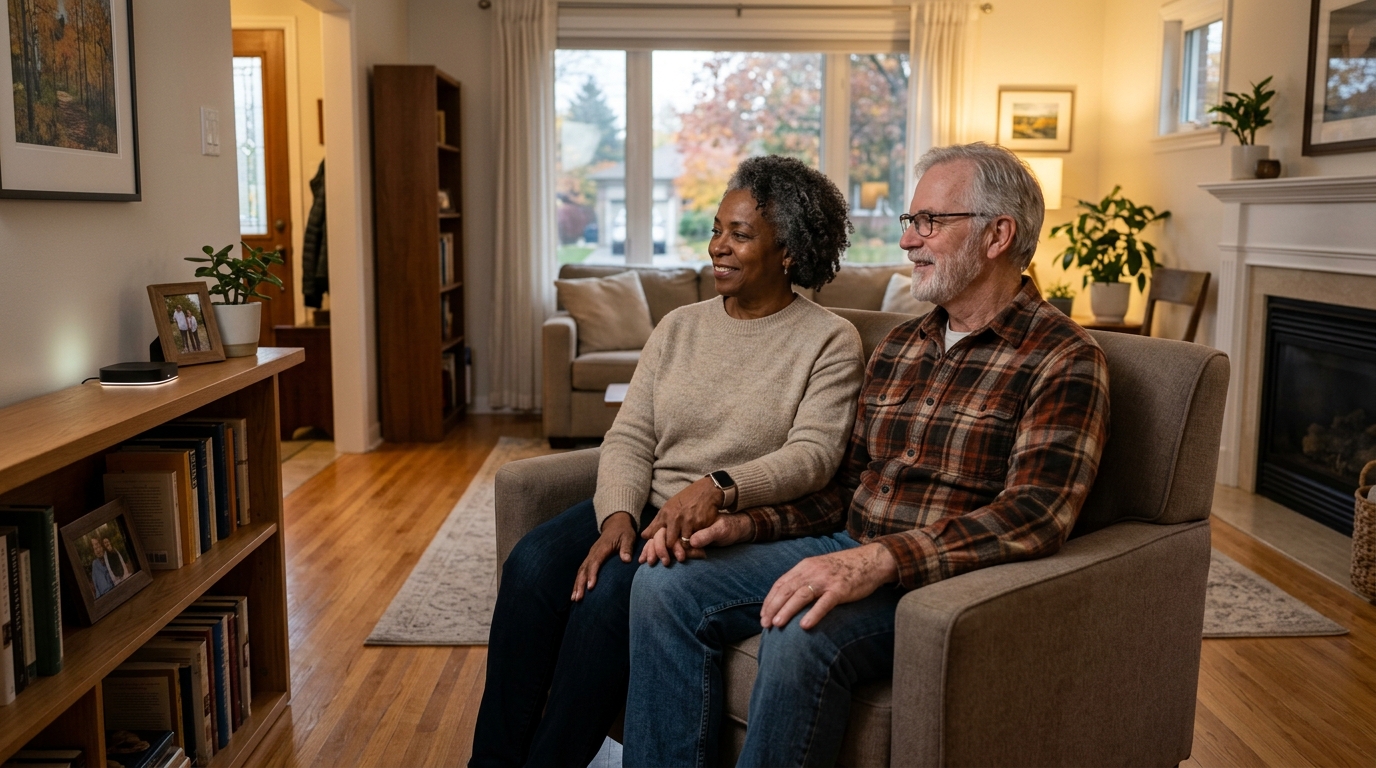
According to the ADHD Society of Canada, older adults with undiagnosed ADHD frequently experience increased risk of financial scams, medication non-compliance, hoarding behaviors, and safety incidents at home. These challenges compound the typical aging-in-place concerns and can make independent living impossible without significant intervention.
Why Late-Diagnosed ADHD Creates Financial Hardship
When an aging parent receives an ADHD diagnosis in their 60s or 70s, the immediate cost implications are substantial:
| Cost Category | Typical Range (Ontario) | Notes |
|---|---|---|
| Comprehensive ADHD assessment & testing | $800–$2,500 | Specialist neuropsychological evaluation |
| ADHD medication (monthly, varies by drug) | $60–$300 | Stimulants vs. non-stimulants; coverage varies |
| ADHD coaching or behavioral therapy (per session) | $75–$150 | Often not covered by provincial health |
| Home safety modifications (organizational systems, locks, etc.) | $2,000–$8,000 | Custom storage, smart locks, motion sensors |
| Professional home organizer/downsizing services | $1,500–$5,000 | Helping manage hoarding or clutter risk |
| Caregiver support or supervision time | $20–$35/hour | Monitoring finances, medication, safety |
Beyond the direct costs, aging parents with unmanaged ADHD often face financial consequences: missed bill payments leading to service shutoffs, vulnerability to financial exploitation, accidental injury from impulse or inattention, and medication errors that trigger health crises.
How a Reverse Mortgage Addresses ADHD-Related Needs
A reverse mortgage can provide immediate, flexible funding for both prevention and management:
Home Safety and Environmental Modifications
ADHD-friendly home design includes specific modifications that standard aging-in-place renovations don't address:
- Organized medication management systems: Smart pill dispensers with alarms, visual tracking boards, and automatic reminders ($300–$1,500)
- Financial command centers: Dedicated desk space with bill-pay stations, organized filing, and visual checklists ($500–$2,000)
- Impulse control barriers: Locks on appliances, restricted access to high-risk items, organized pantries ($800–$3,000)
- Visual organization systems: Color-coded zones, transparent storage, clear labeling throughout the home ($1,000–$4,000)
- Safety monitoring: Motion-sensor lighting, emergency alerts, door/window sensors to prevent wandering or unsupervised exits ($1,500–$4,000)
Professional Support Services
A reverse mortgage can fund ongoing professional support:
- ADHD coaching from specialists trained in older adult executive function ($3,000–$8,000/year)
- Financial management services from certified financial counselors ($2,000–$6,000/year for monthly oversight)
- Home care aide time specifically trained in ADHD support and medication supervision ($25,000–$40,000/year)
- Professional organizers for periodic home maintenance and clutter management ($2,000–$5,000/year)

Coordinating Reverse Mortgage with Government Benefits
An important consideration: accessing a reverse mortgage may affect your aging parent's eligibility for certain government benefits. According to the Government of Ontario Ministry of Health, careful planning is essential when managing ADHD-related costs alongside benefits like GIS (Guaranteed Income Supplement) or ODSP (Ontario Disability Support Program).
The key is structuring the reverse mortgage withdrawal to minimize impact on means-tested benefits. Rick Sekhon Reverse Mortgages recommends working with both a reverse mortgage specialist and a benefits advisor to ensure:
- Withdrawals are drawn in strategic timing to avoid benefit clawbacks
- Your parent's asset threshold for GIS eligibility is protected
- Medication and therapies remain affordable without benefit loss
| Benefit | ADHD-Related Cost Impact | RM Strategy Consideration |
|---|---|---|
| GIS (Guaranteed Income Supplement) | ADHD coaching & therapy not covered | Time withdrawals to preserve asset test |
| ODSP | Medication partially covered; organizers not | Coordinate with case manager |
| OAS (Old Age Security) | No direct ADHD benefit | Timing doesn't affect eligibility |
| Prescription Drug Coverage | Varies by plan; ADHD meds often covered | Verify coverage gaps before withdrawal |
Real-Life Scenario: Managing Safety and Independence
Margaret's Story: Margaret was diagnosed with ADHD at 67 after her daughter noticed recurring patterns: missed doctor appointments, overdue bills, a cluttered home with safety hazards, and three medication errors in one month. At first, Margaret resisted the diagnosis—"I've managed fine this long"—but the safety incidents convinced her to seek support.
Margaret's reverse mortgage, structured as a line of credit, provided:
- Immediate funding for a comprehensive home safety assessment ($1,200)
- Environmental modifications: Smart medication dispenser, organized filing system, safety locks ($4,500)
- Professional ADHD coaching (3 sessions/month for 6 months): $2,700
- Home care aide supervision (8 hours/week): $18,000/year
Total Year 1 cost: ~$26,400 funded through the reverse mortgage line of credit. Margaret kept her independence, avoided costly ER visits and medication errors, and managed her ADHD successfully. Her daughter checks in monthly via video call, and the structured environment Margaret created means she requires far less daily supervision than if she'd moved to assisted living ($60,000+/year).
Key Takeaways
- Late-diagnosed ADHD in aging parents creates documented safety risks, financial vulnerability, and caregiver burden
- Home modifications for ADHD go beyond standard accessibility—they address impulse control, executive function, and medication management
- Reverse mortgage funding can support both preventive modifications and ongoing professional coaching and supervision
- Carefully coordinate reverse mortgage withdrawals with government benefits to avoid unintended clawbacks
- Structured environmental support can allow aging parents with ADHD to remain independent longer and with higher quality of life
According to the Canadian Adult ADHD Resource Centre, environmental restructuring and professional support services significantly reduce safety incidents and improve medication compliance in older adults with ADHD compared to medication alone.
Funding Timeline and Product Options
When addressing ADHD-related costs, most aging parents benefit from a reverse mortgage line of credit rather than a lump-sum payout. This allows:
- Initial funding for home modifications and assessment (months 1-3)
- Ongoing monthly draws for coaching and caregiver supervision (months 3+)
- Flexibility to adjust as your parent's needs evolve
Products like CHIP Life Mortgage and Equitable Bank's HomeEquity Plan offer line-of-credit structures that work well for this scenario. The FSRAO (Financial Services Regulatory Authority of Ontario) requires clear disclosure of all costs and options, so ensure your advisor walks through the total cost of borrowing before committing.
Frequently Asked Questions
Will a reverse mortgage affect my aging parent's disability benefits if they apply for CPP Disability?
No, a reverse mortgage itself doesn't impact eligibility for CPP Disability benefits, but timing matters. If your parent applies for CPP-D, the asset test timing varies. Consult with Rick Sekhon Reverse Mortgages and a disability benefits advisor to coordinate the application timeline and withdrawal strategy.
Can the reverse mortgage fund ongoing therapy and coaching indefinitely?
Yes, if structured as a line of credit, your parent can draw funds monthly or as needed for coaching, supervision, and support services. The total available depends on home equity and age. Plan for 15-20 years of draws based on initial available balance.
What if my parent's ADHD symptoms worsen and they eventually need full-time care?
A reverse mortgage doesn't prevent later transition to assisted living or long-term care—it simply funds the "staying home with support" phase. If your parent eventually moves to care, the reverse mortgage becomes due when the home is sold, but the equity accessed earlier extends the years they could remain independent.
Does OHIP cover ADHD coaching for seniors?
No. Ontario's coverage for adult ADHD is limited to diagnosis; ongoing coaching and behavioral therapy for older adults typically require private payment. This is where reverse mortgage funding becomes essential for accessing professional support.
Can I use reverse mortgage funds to pay a family member as a caregiver for ADHD-related support?
Yes, with documentation. If you or another family member provides care specifically for ADHD management (organizing medications, managing finances, maintaining the structured environment), the reverse mortgage can fund formal caregiver payments. This requires clear agreements and bookkeeping to satisfy CRA and CMHC requirements.
What is the typical cost difference between home modifications for standard aging-in-place vs. ADHD-specific aging in place?
ADHD-specific modifications typically cost 40-60% more because they require specialized systems (medication dispensers, financial command centers, impulse-control barriers) rather than standard accessibility features like grab bars or ramps. Budget accordingly and work with an organizer experienced in ADHD.
Getting your aging parent the right support for late-diagnosed ADHD is both a health priority and a financial strategy. A reverse mortgage can unlock the home equity needed to create a safe, independent living situation—but professional guidance is essential. Connect with a reverse mortgage specialist to explore how your parent's home can fund the specific support they need.
Ready to Learn More?
Find out exactly how much you could unlock from your home — free and no obligation.
Related Articles
Reverse Mortgage When Aging Homeowner Discovers Hidden Defects: Seller Non-Disclosure Remediation
Fund major repairs when aging homeowner discovers undisclosed property defects. Reverse mortgage for remediation costs in Ontario.
Read →Reverse Mortgage When Longtime Live-In Caregiver Retires or Becomes Ill: Care Restructuring
Emergency financial strategy when aging parent's live-in caregiver must leave. Reverse mortgage for sudden care system overhaul in Ontario.
Read →Reverse Mortgage for Managing Escalating Prescription Drug Costs: Polypharmacy in Aging
Learn how a reverse mortgage can fund rising medication costs when aging parents on multiple drugs face affordability crises in Ontario healthcare.
Read →