
Reverse Mortgage When Aging Parent Refuses to Acknowledge Cognitive Decline
Strategic funding for aging parents who deny memory loss. Get ahead of safety risks before forced decisions become necessary.
Your aging parent insists they're fine, but you've noticed the signs: missed appointments, repeated questions, confusion about finances. What happens when they refuse to acknowledge cognitive changes—and you can't force them to accept help? A reverse mortgage offers a way to fund proactive safety measures and professional support without waiting for a crisis to force action.
The Denial Dilemma: Why Aging Parents Resist Cognitive Decline Acknowledgment
Cognitive decline denial is deeply rooted in fear and identity. Your parent isn't being stubborn—they're protecting their sense of self. For someone who's prided themselves on independence, acknowledging memory loss feels like losing control. Unfortunately, denial often delays the very interventions that could preserve their independence longest.
The cost of waiting? Safety risks compound. A parent who refuses to acknowledge memory loss might forget to take medications, miss bill payments leading to debt, or create fire hazards from stove accidents. By then, forced placement in long-term care becomes the only option—exactly what they feared most.
A reverse mortgage lets you fund preventive strategies that don't require your parent's buy-in. You can implement safety systems, hire professional monitoring, and set up reminders—all while respecting their autonomy and maintaining the home they want to stay in.
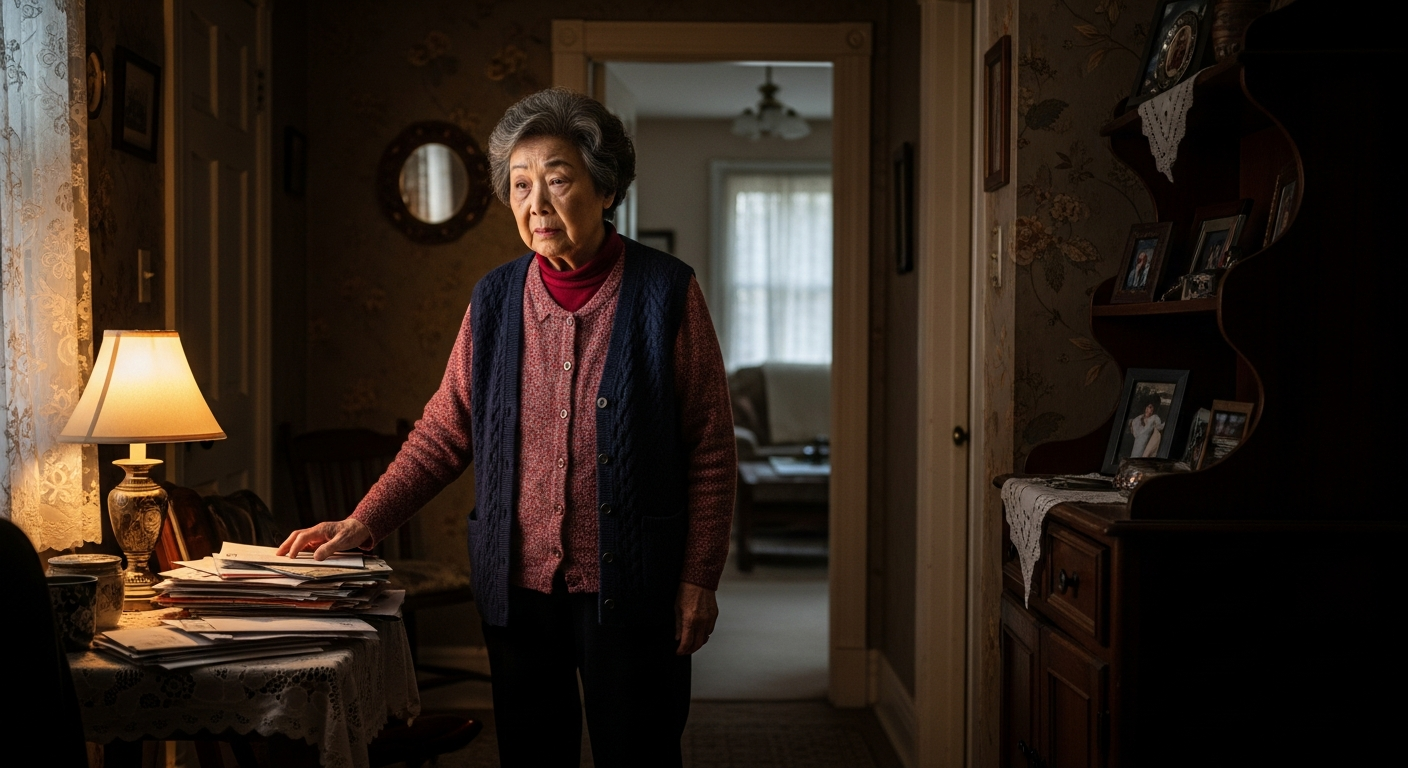
When Denial Becomes a Financial Risk
Memory loss directly impacts financial safety. Seniors with undiagnosed cognitive decline are significantly more vulnerable to fraud and financial exploitation.
Key financial risks from cognitive decline denial:
| Risk | Impact | Reverse Mortgage Solution |
|---|---|---|
| Bill payment lapses | Debt accumulation, credit damage | Automate payments through RM proceeds |
| Scam vulnerability | Loss of thousands to fraud | Fund professional bill payment oversight |
| Tax deduction missing | Reduced refunds, CRA complications | Hire tax professional using RM proceeds |
| Insurance lapses | Home uninsured, property unprotected | Ensure coverage maintained from RM funds |
| Medication errors | Health complications, ER visits | Fund smart medication dispensing systems |
Why Professional Intervention (Not Family) Works Better
When adult children suggest changes, aging parents hear criticism and loss of control. When professionals recommend the same changes, it's perceived as expertise, not judgment.
According to FCAC (Financial Consumer Agency of Canada), seniors are more likely to accept financial oversight from licensed professionals than from family members, even when family involvement is genuinely protective.
A reverse mortgage funds professional support that your parent might accept while rejecting your suggestions:
- Bill payment services (professional oversight without adult child involvement)
- Cognitive assessments (framed as "health monitoring," not decline detection)
- Medication management (technical systems that feel empowering, not restrictive)
Reverse Mortgage Strategies for Denial-Based Cognitive Decline
1. Fund Professional In-Home Cognitive Training and Memory Support
Cognitive decline denial often softens when framed as "brain health optimization" rather than memory loss treatment. Reverse mortgage proceeds can fund:
- Cognitive training programs ($50–150/week) through occupational therapists
- Memory support apps and systems ($20–80/month) for appointment reminders and bill tracking
- Nutritional counseling ($100–200/session) since deficiencies worsen cognition
Your parent participates in "wellness," not "decline treatment."
2. Install Safety Systems Your Parent Doesn't See as Intrusive
Technology acceptance differs from human oversight. A smart home system feels like modern living, not surveillance.
| System | Cost | Benefit |
|---|---|---|
| Smart medication dispenser | $1,500–2,000 setup | Automatic reminders, family alerts on missed doses |
| Fall detection wearable | $200–600 + $30/month | Emergency response without discussing falls |
| Stove safety auto-shutoff | $500–1,200 | Prevents fire hazards from forgotten pots |
| Smart motion sensors | $600–1,500 | Detects unusual night activity patterns |
| Secure document organizer | $200–500 | Prevents misplaced bills and important documents |
Key: Frame these as "convenience upgrades" for your parent's household. A fall detection pendant isn't admitting vulnerability; it's having peace of mind.
3. Hire a Geriatric Care Manager as a "Neutral Third Party"
A geriatric care manager ($200–400 for assessment) becomes your parent's advocate, not their skeptical adult child. The care manager:
- Conducts cognitive screening using standard assessment tools
- Identifies safety gaps your parent won't admit
- Recommends changes your parent hears from an "expert," not family
- Monitors patterns and reports to you privately
Reverse mortgage funds this professional boundary-keeping role.

Building the Financial Case: Proactive vs. Crisis Management
Monthly proactive costs prevent catastrophic expenses later:
| Strategy | Monthly Cost | Annual Cost | Alternative (Crisis Care) |
|---|---|---|---|
| Cognitive training + monitoring | $300–500 | $3,600–6,000 | Long-term care: $60,000–80,000/year |
| Bill payment service | $100–200 | $1,200–2,400 | Emergency debt recovery |
| Medication management | $50–150 | $600–1,800 | ER visits for medication errors |
| Smart home safety | $100–300 | $1,200–3,600 | Hospital care for falls |
| Total proactive | $550–1,150/month | $6,600–13,800/year | Forced care: $80,000–100,000+/year |
The reverse mortgage advantage: You access equity upfront, fund proactive systems now, and prevent catastrophic costs that force unwanted institutional placement.
How Much Equity Do You Need?
Most reverse mortgage lenders (CHIP, Equitable Bank, Home Trust) require:
- Minimum age: 55 (for borrower/parent)
- Minimum home equity: $150,000–200,000
- Typical Ontario home value: $300,000+
Example: Parent age 72, home valued at $600,000, existing mortgage $200,000. Available equity: ~$250,000–300,000. Monthly drawdown of $1,000–1,500 covers all cognitive decline prevention strategies indefinitely.
According to CMHC research, seniors who proactively access home equity for health and safety modifications stay in their homes 3–5 years longer than those waiting for crisis-driven decisions.
Setting Boundaries: Using RM Funds Without Forcing Acknowledgment
Here's the psychological trick that works: Don't tell your parent the changes are because of cognitive decline.
Frame them as:
- "New smart home technology everyone's using for convenience"
- "Routine health monitoring, like getting an annual checkup"
- "Professional services to reduce your stress about paperwork"
- "Upgrades to make your home more enjoyable"
Your parent doesn't need to admit decline to benefit from safety infrastructure. The reverse mortgage lets you act without forcing admission, which paradoxically preserves their dignity better than confrontation.

Working With Professionals: Navigating the Denial Conversation
A reverse mortgage specialist can help structure conversations with your parent that don't trigger defensiveness:
- Frame the RM as a lifestyle choice, not a medical necessity
- Focus on what your parent gains (flexibility, access to funds for wants)
- Separate the RM application from cognitive concerns
- Involve your parent in decisions where possible
The application process itself becomes a check-up: lenders require cognitive capacity assessment. If your parent passes, you proceed knowing they have legal capacity to sign. If concerns emerge, you have professional documentation to begin formal care conversations.
Key Takeaways
- Denial prolongs danger: Waiting for acknowledgment often leads to crisis-driven placement—the opposite of your parent's wishes.
- Proactive intervention costs 5–10x less: $7,000–14,000/year vs. $80,000–100,000+/year in crisis care.
- Technology and professionals work when family suggestions fail: Experts are heard differently than concerned adult children.
- Reverse mortgage funds the gap: Access equity now to implement safety systems before denial becomes dangerous.
- Frame it as lifestyle, not decline: Your parent accepts smart home upgrades without admitting anything.
- Professional assessment provides documentation: If your parent passes the RM cognitive screening, you have proof of capacity. If they fail, you have grounds for intervention.
Frequently Asked Questions
What if my aging parent fails the cognitive assessment during the RM application?
Lender-required cognitive assessments aren't legally binding for capacity alone, but they create professional documentation. If concerns emerge, you have evidence to discuss guardianship or power of attorney with a lawyer. You're not forced to proceed with the RM.
Can I use reverse mortgage funds to monitor my parent without their knowledge?
No—covert monitoring crosses ethical lines. However, you can fund monitoring systems (smart home, medication dispensers, fall detection) that provide oversight without human surveillance. Your parent feels they're using technology, not being watched.
How do I talk to my parent about a reverse mortgage without triggering defensiveness?
Lead with financial flexibility: "Mom, I want to make sure you have access to funds for anything you want. A reverse mortgage gives you flexibility while you stay home." Don't mention cognitive concerns until they ask questions.
If my parent denies cognitive decline, will lenders approve a reverse mortgage?
Yes—as long as your parent demonstrates capacity during cognitive screening, lenders will approve. Denial itself doesn't disqualify someone. If they show incapacity signs, lenders may decline or recommend a power of attorney holder sign instead.
What's better for cognitive decline prevention: line of credit or lump sum?
A line of credit works best for ongoing costs (monthly services). A lump sum works for major installations (smart home systems, renovations). Many people use both: lump sum for upfront setup, then drawdown the line of credit monthly.
How do I handle it if my parent discovers I've made changes without permission?
Frame everything as professional recommendations they received, not family decisions: "Your occupational therapist suggested this," "Your doctor's office called about the fall detection." This preserves their autonomy and your relationship.
Ready to explore proactive cognitive decline protection for your aging parent? Contact Rick Sekhon Reverse Mortgages for a confidential consultation. We'll help you structure funding that respects your parent's dignity while keeping them safe at home.
Ready to Learn More?
Find out exactly how much you could unlock from your home — free and no obligation.
Related Articles
Reverse Mortgage for Managing Predictable Decline: Phased Accessibility Planning Over 10+ Years
Plan home modifications proactively in phases, not crisis-driven emergencies. A reverse mortgage funds accessibility upgrades as your mobility needs change predictably.
Read →Reverse Mortgage When Siblings Fundamentally Disagree on Aging Parent's Home Safety Modifications
Navigate sibling conflict over whether to renovate, move, or stay in an aging home. Use reverse mortgage to fund compromise solutions and prevent family rifts.
Read →Reverse Mortgage When Aging Parent Wants to Financially Support Extended Family Members
Help your aging parent fund long-term financial support for siblings, nieces, nephews, or other extended family. Establish sustainable support without depleting retirement.
Read →