
Reverse Mortgage When Siblings Fundamentally Disagree on Aging Parent's Home Safety Modifications
Navigate sibling conflict over whether to renovate, move, or stay in an aging home. Use reverse mortgage to fund compromise solutions and prevent family rifts.
Your aging parent wants to stay in their home forever. One sibling demands they downsize immediately for "safety." Another sibling thinks they're being dismissed from important decisions. Your parent is caught in the middle, and everyone is angry. A reverse mortgage can resolve the conflict by funding modifications that satisfy both camps—without requiring family consensus you'll never reach.
The Sibling Conflict Blueprint: Why Home Safety Becomes a Family Battle
This pattern repeats in thousands of Ontario families:
Parent's position: "This is my home of 40 years. I'm staying."
Sibling A's position: "Mom/Dad isn't safe alone. We need to move them to assisted living NOW."
Sibling B's position: "Nobody asked me about this decision. Downsizing is Dad's choice, not ours."
Sibling C's position: "I'm 2,000 km away. I don't trust any of you to make good decisions."
What actually happens:
- Months of tense family conversations
- Parent feels pressured and defensive
- Siblings feel unheard and distrustful
- Nobody invests in home improvements because nobody agrees
- Parent's home becomes less safe because of inaction from conflict
- Eventually, a crisis forces a decision nobody wanted
- Family rupture over the decision
The reverse mortgage solution: Fund modifications that everyone agrees are reasonable, even if they don't agree on the ultimate outcome. This breaks the conflict stalemate.
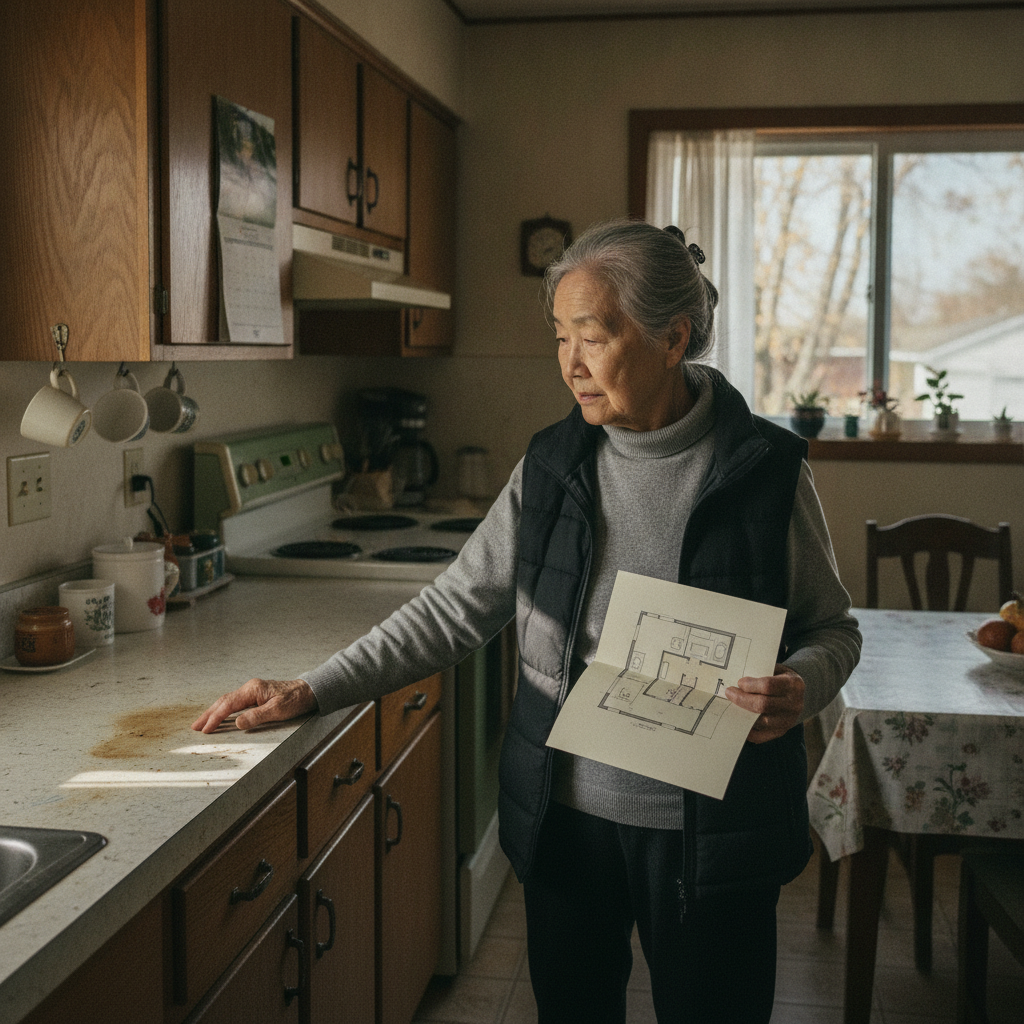
The Five Common Sibling Positions (and What They Actually Mean)
Position 1: "Parent Should Move to Assisted Living NOW"
What they say: "Dad's not safe alone. He'll fall. He'll forget to take medications. This is irresponsible."
What they actually mean: "I'm scared. I can't handle responsibility if something goes wrong. I need Dad in professional care so I'm not guilty if he declines."
The real concern: Fear and guilt, masked as safety concern.
Position 2: "Parent Should Age in Place in Their Home"
What they say: "Mom wants to stay here. Forcing her to move is cruel. She'll decline faster in a new place."
What they actually mean: "I want Mom independent. I don't want to be a full-time caregiver. Aging in place buys us time."
The real concern: Autonomy and avoiding caregiving burden.
Position 3: "I'm Being Sidelined in Decisions"
What they say: "Why wasn't I consulted? This is a family decision and I live out of province."
What they actually mean: "I feel powerless and disconnected. I want to matter in this decision."
The real concern: Control and inclusion.
Position 4: "This Is Eating into My Inheritance"
What they say: "These renovations cost $50,000. That comes directly out of what I'm inheriting."
What they actually mean: "I don't feel like I matter. I only care if this affects MY financial outcome."
The real concern: Financial security and fairness.
Position 5: "I Don't Know Enough to Have an Opinion"
What they say: "Whatever you all decide. I'm just glad you're handling it."
What they actually mean: "I'm overwhelmed. I can't think clearly about this. I'll go along with whoever seems most confident."
The real concern: Complexity and wanting someone else to take responsibility.
How Reverse Mortgage Breaks the Conflict Stalemate
The magic of a reverse mortgage: It funds modifications without requiring consensus on the ultimate outcome.
Here's the framework:
Step 1: Agree on "Reasonable Modifications"
Rather than debating "stay vs. move," ask: "What modifications would make this home safer, regardless of whether Parent stays or eventually moves?"
Everyone (usually) agrees on basic safety:
- Grab bars in bathroom
- Better lighting
- Accessible entrance
- Medication dispensing system
- Fall detection
- Stair lift or wheelchair ramp (if needed)
Cost: $20,000–50,000 depending on scope.
This is neutral ground. Nobody loses if you install these. Safety improves regardless of future housing decisions.
Step 2: Fund Modifications Through Reverse Mortgage
Access RM funds ($50,000–100,000) for modifications. This:
- Shows Parent: "We're supporting your choice to stay home for now"
- Shows Sibling A: "We're taking safety seriously"
- Shows Sibling B: "We consulted and made a joint decision"
- Shows Sibling C: "Your input mattered; we got professional advice"
Everyone invested; everyone's concerns addressed.
Step 3: Build Timeline for Future Decisions
Modifications buy time:
- If Parent is safer with modifications, Sibling A's urgent concern is addressed
- If Parent remains independent with modifications, Sibling B's autonomy is preserved
- Sibling C can visit and see safety improvements
- Sibling D's inheritance is protected (modifications often increase or maintain home value)
Timeline: Assess in 12–18 months whether modifications are working or whether Parent needs more support (assisted living, etc.). By then:
- Parent has had time to adjust to the idea of change
- Siblings have had time to accept it
- Decision comes from stability, not crisis
Step 4: Create Documented Decision Record
This is crucial: Document that:
- All siblings were consulted
- RM was accessed for safety, not one sibling's agenda
- Modifications were agreed on by consensus
- Future decisions (move, stay, downsize) are separate from modification decision
This prevents future disputes: "Why did you spend $50,000 on the house instead of moving Parent?" Answer: "Because you all agreed these modifications were reasonable. Separate decision about future housing."
Specific Modification Packages That Reduce Conflict
Rather than debating "everything," use pre-designed packages that address multiple concerns:
| Package | Cost | Addresses Concern | Safety Benefit |
|---|---|---|---|
| Bathroom + Stairs | $15,000–25,000 | Falls (Sibling A's fear) | Grab bars, shower chair, stair lift |
| Accessibility + Monitoring | $20,000–30,000 | Isolation + safety (Sibling B + A) | Ramps, tech monitoring, emergency response |
| Full House Safety | $35,000–50,000 | Comprehensive (all siblings) | Lighting, grab bars, medical alert, ramp, stair lift |
| Tech + Monitoring Only | $5,000–10,000 | Compromise option | Medication dispenser, fall detection, 24/7 monitoring |
Use these packages to sidestep debate. Instead of arguing philosophy, pick a package: "This addresses everyone's concerns."
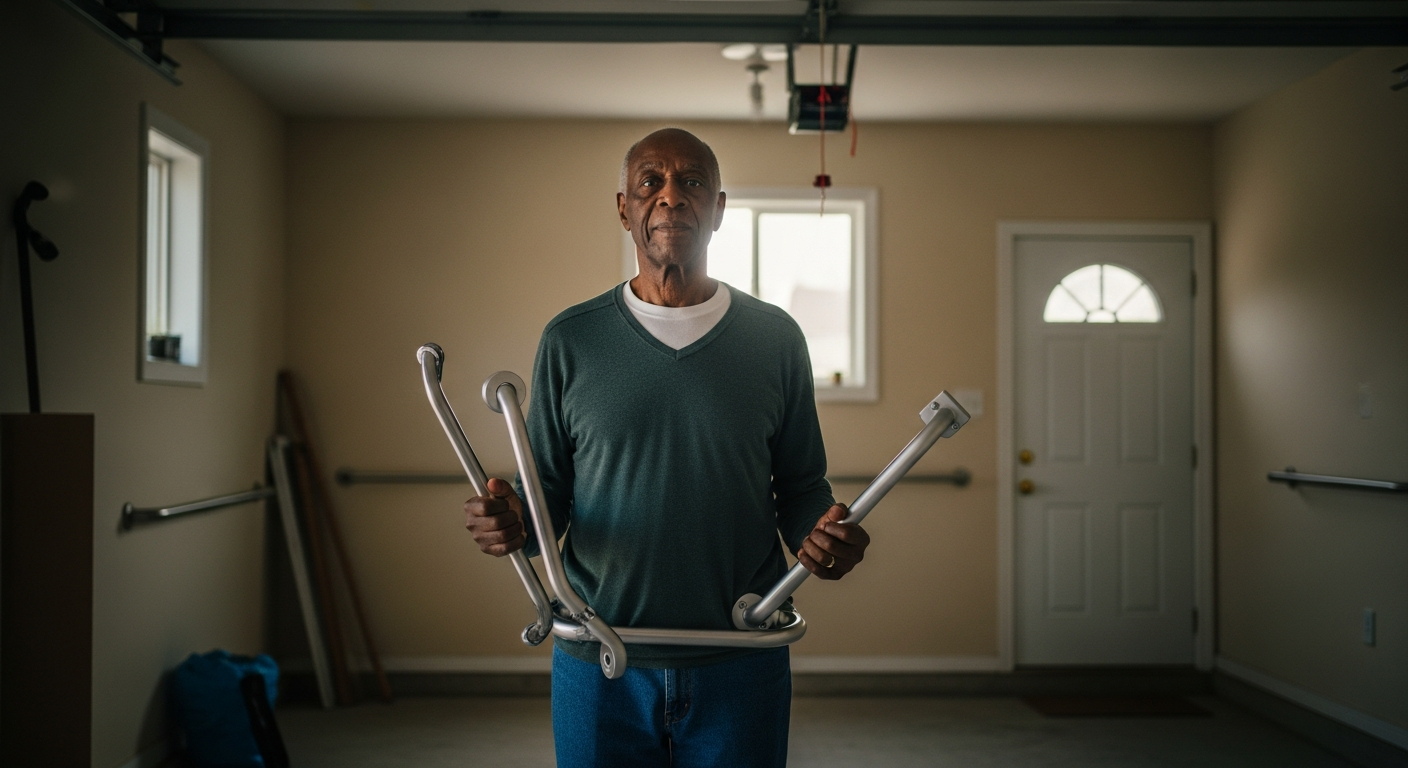
The Inheritance Impact: How Modifications Affect Estate Value
Here's a secret many families don't know: Home accessibility modifications often increase home value, or at least maintain it.
| Modification | Impact on Home Value | Reason |
|---|---|---|
| Accessible bathroom (walk-in shower, grab bars) | +$5,000–10,000 | Accessible homes appeal to aging downsizers |
| Ramp and accessible entrance | Neutral to +$3,000 | Functional benefit; doesn't detract |
| Stair lift | Neutral (removable) | Can be removed; doesn't decrease value |
| Grab bars and lighting | Neutral to +$2,000 | Perceived safety; minor value add |
| Smart home monitoring | Neutral (tech depreciates) | Adds safety perception |
| Complete accessible package | Neutral to +$10,000–20,000 | Attracts buyers in 55+ market |
The math: Spend $40,000 on accessibility. Home value stays flat or increases $10,000–20,000. If it stays flat, you're spending equity for safety benefit, not losing wealth.
Key message for Sibling D (inheritance-focused): "These modifications protect the house value and might increase it. They're not wasted spending."
The Reverse Mortgage Prevents Conflict Escalation
Without reverse mortgage funding, here's what typically happens:
Month 1: Family meeting about safety. Everyone argues.
Month 3: Parent falls. Someone says, "This is why we should move."
Month 5: Renovations needed anyway to address fall damage. Money comes out faster, in crisis mode.
Month 8: Parent refuses to cooperate with moves. Siblings blame each other.
Month 12: Crisis forces placement. Family angry at each other, not united around Parent.
With reverse mortgage planning:
Month 1: Family meeting. "Let's access RM funds for reasonable safety modifications. Everyone agrees? Yes. Done."
Month 2–4: Modifications installed. Parent's home is safer. Siblings see concrete investment in Parent's safety and autonomy.
Month 5–18: Parent has time to adjust to modified environment. Siblings have time to adjust to Parent's aging.
Month 18: Family reassesses together from a place of stability, not crisis. Decisions are made collaboratively.
Preventing the "You're Spending My Inheritance" Argument
If a sibling objects to RM-funded modifications:
Reframe the conversation:
| Objection | Reframe |
|---|---|
| "Why spend $40,000 on modifications? That's my inheritance!" | "Modifications protect the home and Parent's safety. If Parent needs placement later, a safer, accessible home sells faster and at better price." |
| "This is a waste if Parent moves anyway." | "If Parent moves in 2 years, modifications made the home safer during that time AND potentially more saleable. Win-win." |
| "I'd rather see that money go to care, not renovations." | "We need both. Modifications create safe home; reverse mortgage can also fund care. They're not either/or." |
| "Why didn't we ask for consensus before doing this?" | "You're right. Let's rebuild trust by documenting this decision together and planning next steps collaboratively." |
The key: Get all siblings to agree on modifications upfront, before RM is accessed. This prevents the "you spent my money" argument.
Working With a Family Mediator
If sibling conflict is severe, hire a professional family mediator ($150–300/hour) to facilitate the modifications discussion.
A mediator helps because:
- Neutral third party prevents sibling conflicts from derailing decisions
- Mediator documents that everyone was heard
- Mediator structures conversation so it's not about blame, but about Parent's safety
- Reduces emotional escalation that poisons family relationships
Cost: $1,500–3,000 for 4–6 mediation sessions. A reverse mortgage can fund this.
It's worth it. Family healing is worth $2,000.
Building a "Post-Modification Decision Framework"
Once modifications are funded and installed, create a documented framework for future decisions:
| Timeline | Question | Decision |
|---|---|---|
| Month 1–6 | Are modifications working? | Keep going; reassess in 6 months |
| Month 6–12 | Is Parent managing? Do they need more support? | If yes, discuss assisted living timeline with Parent + all siblings |
| Month 12–18 | Has Parent's health changed? | Reassess housing needs; move if appropriate |
| Month 18+ | Is current situation sustainable? | Downsize, move to assisted living, or continue at home with additional support |
This prevents new conflict because decisions are guided by predetermined criteria (Parent's actual functioning), not sibling opinions.
Key Takeaways
- Sibling conflict over aging parent's housing usually masks deeper fears: guilt, powerlessness, financial worry, disconnection.
- Reverse mortgage breaks the stalemate by funding "reasonable modifications" everyone can agree on, without resolving the stay-vs-move debate.
- Accessibility modifications typically increase or maintain home value, not decrease it; address inheritance concerns by framing as asset protection.
- Documented decision-making prevents future conflict: If all siblings agree modifications were reasonable, nobody can later blame one person for "wasting inheritance."
- Family mediator ($1,500–3,000) can prevent relationship rupture if conflict is severe; worth the investment.
- Timeline-based decision framework prevents endless debate; decisions are guided by Parent's actual functioning, not opinions.
Frequently Asked Questions
What if one sibling refuses to participate in the decision?
Proceed anyway with the siblings who engage. Document that the non-participating sibling was invited and chose not to engage. This prevents future blame ("Why didn't you ask me?"). Include their contact in documentation so they can't claim they weren't informed.
What if the modifications don't actually help and Parent gets worse?
They still provided value: Parent had time at home longer, was safer during that time, and family had time to adjust. Modifications + decline is better than decline + crisis. Use the monitored timeframe to transition to assisted living when it becomes clear modifications aren't enough.
Can I use reverse mortgage funds to hire a family mediator?
Yes. Include mediation costs in your RM drawdown. It's preventive spending that saves family relationships.
What if Parent doesn't want modifications?
Work with a geriatric care manager or occupational therapist to explain safety risks. If Parent still refuses, you have documented that you offered; any future decline isn't your responsibility. Reverse mortgage funds are still there if Parent changes their mind later.
Should I consult a lawyer before using reverse mortgage for modifications that affect inheritance?
If significant funds are involved ($50,000+) and siblings are contentious, yes—a lawyer can structure the decision to ensure it's documented as family consensus, not one sibling's unilateral choice. Cost: $500–1,500, covered by RM drawdown.
What if the reverse mortgage application requires all adult children's consent?
It doesn't. Only the parent (age 55+) needs to apply. Adult children don't have legal authority over the decision (unless they're power of attorney, which is rare). However, family consensus is valuable even if not legally required.
Ready to resolve sibling conflict about your aging parent's housing with professional guidance? Contact Rick Sekhon Reverse Mortgages. We help families navigate these decisions with transparency and documentation that prevents future conflict. We'll help you structure modifications that everyone can support.
Ready to Learn More?
Find out exactly how much you could unlock from your home — free and no obligation.
Related Articles
Reverse Mortgage After Your Caregiver Retires: Restructuring Care and Rebuilding Independence
Your longtime caregiver is retiring. A reverse mortgage funds the transition to new care arrangements and helps you rebuild independence after years of dependence.
Read →Reverse Mortgage for Managing Predictable Decline: Phased Accessibility Planning Over 10+ Years
Plan home modifications proactively in phases, not crisis-driven emergencies. A reverse mortgage funds accessibility upgrades as your mobility needs change predictably.
Read →Reverse Mortgage for Single Seniors Who Never Married: Estate Planning Without Traditional Family
Plan your legacy when you're single with no spouse or adult children. A reverse mortgage funds charitable giving, friendships, and chosen family while simplifying your estate.
Read →