
When Undiagnosed Mental Health Complicates Reverse Mortgage Planning
Protecting your reverse mortgage decision when aging parent or adult child shows signs of undiagnosed depression, anxiety, or personality disorders affecting judgment.
You're concerned your aging parent might have depression, anxiety, or an undiagnosed personality disorder—and this affects how they manage (or don't manage) finances. Or perhaps your adult child is showing signs of mental health challenges that complicate their ability to handle financial independence. Undiagnosed mental health conditions create real risks: poor financial decisions, vulnerability to exploitation, inability to care for oneself. A reverse mortgage can help, but only if you understand these complications and plan protective structures carefully.
How Undiagnosed Mental Health Disorders Affect Financial Decision-Making
Mental health conditions often masquerade as poor judgment, stubbornness, or personality flaws. In reality, conditions like depression, generalized anxiety disorder, and untreated personality disorders significantly impact financial capability:
| Condition | Financial Impact | Reverse Mortgage Risk |
|---|---|---|
| Depression | Avoidance of finances; lack of motivation to address problems; fatalism ("why bother?") | Parent may refuse to apply; may make poor draw decisions; may ignore bills |
| Generalized anxiety | Paralysis over financial decisions; catastrophizing about small risks; analysis-paralysis | Parent obsesses over reverse mortgage details; refuses to proceed despite clear benefits |
| Borderline personality | Impulsive spending; relationship instability affecting finances; fear of abandonment driving bad choices | Parent may overspend borrowed funds; relationship drama affecting co-signer stability |
| Narcissistic traits | Avoidance of professional advice; grandiose financial decisions; exploitation by others | Parent refuses lawyer review; makes deals without understanding; susceptible to scams |
| Undiagnosed ADHD | Disorganization; missed payments; impulsivity with money | Parent forgets to make reverse mortgage payments (if required); loses documents |
The critical insight: A reverse mortgage is a good tool, but it amplifies existing mental health vulnerabilities. If your parent has untreated depression and poor financial judgment, a reverse mortgage gives them access to more equity to mismanage.
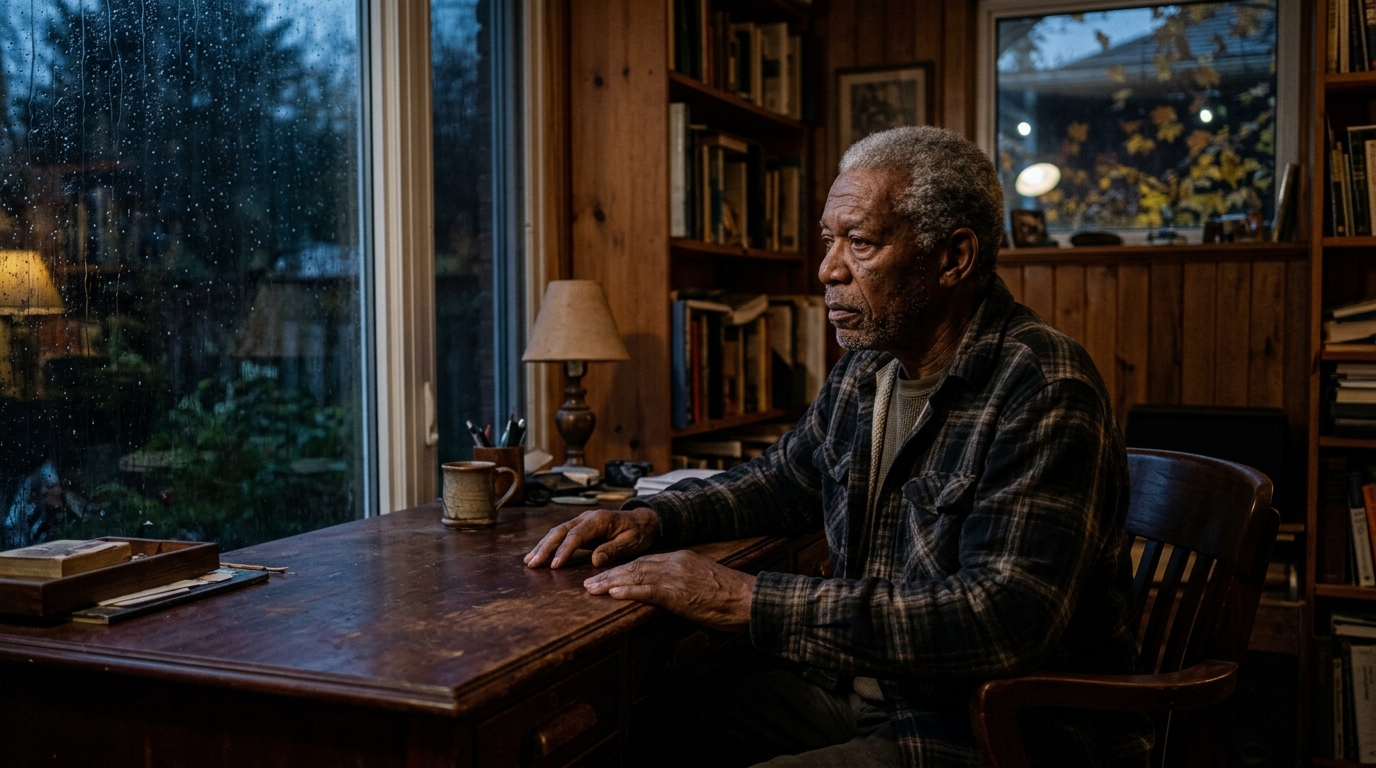
Red Flags: When Mental Health Might Be Affecting Reverse Mortgage Planning
Ask yourself: Does the person show signs of:
- Isolation and withdrawal ("I don't want to talk about finances"; avoiding family contact)
- Hopelessness ("I'm not going to live long anyway, why plan?"; fatalistic thinking)
- Anxiety spirals (excessive worry about reverse mortgage risks; inability to make a decision despite clear benefits)
- Impulsive decisions (sudden financial moves without thinking through consequences; erratic behavior)
- Relationship volatility (recent breakup, new relationship drama, family estrangement; instability affecting finances)
- Avoidance of medical/professional advice (refuses to see doctors; dismisses lawyer recommendations; self-diagnoses)
- Unusual spending patterns (sudden extravagance, neglecting basic needs, hoarding)
- Paranoia or conspiracy thinking ("The lender is trying to scam me"; "Lawyers are all liars")
- Difficulty with basic tasks (can't remember to pay bills; chaos in home; avoidance of mail/documents)
If you identify 3+ signs, mental health evaluation should precede reverse mortgage planning.
Protecting a Reverse Mortgage When Mental Health Is a Factor
If you decide to proceed despite mental health concerns, implement protective structures:
Protection 1: Mandatory Mental Health Assessment
Before the reverse mortgage closes, require a professional mental health assessment:
- Identify any undiagnosed conditions
- Determine capacity for financial decision-making
- Create a care plan (therapy, medication, support structures)
- Cost: $300–$600 (often covered by provincial health; privately covered if necessary)
This assessment protects the borrower and gives the lender confidence the decision is valid.
Protection 2: Involve Trusted Advisors in Decision-Making
Don't let the person make reverse mortgage decisions alone:
| Advisor Role | Function |
|---|---|
| Independent lawyer (required) | Explains terms, assesses capacity, documents consent |
| Trusted family member (recommended if possible) | Witnesses process, provides reality-checking, supports implementation |
| Therapist or counselor (if appropriate) | Helps person understand emotional reactions to financial decisions |
| Financial advisor (optional) | Models budget; explains how to use reverse mortgage funds wisely |
Collective decision-making reduces impulsive poor choices and provides documentation that consent was informed.
Protection 3: Restrict Access to Funds
Don't give full access to all available equity at once:
| Access Strategy | Advantage | Disadvantage |
|---|---|---|
| Lump sum immediately | Simple; funds available | Risk of spending impulsively; no long-term protection |
| Staged draws | Control spending; preserve equity | Requires ongoing oversight; borrower must ask each time |
| Line of credit | Flexibility; only charges interest on drawn funds | Risk if person overdraws repeatedly |
| Directed payments | Lender pays debts directly (mortgage, taxes, utilities) | Limits freedom; may feel infantilizing |
For someone with undiagnosed mental health challenges, staged draws or directed payments are safer than lump-sum access.
Example: Instead of drawing $100,000 at once, draw $10,000/month for 10 months. This limits damage if the person makes impulsive spending decisions.
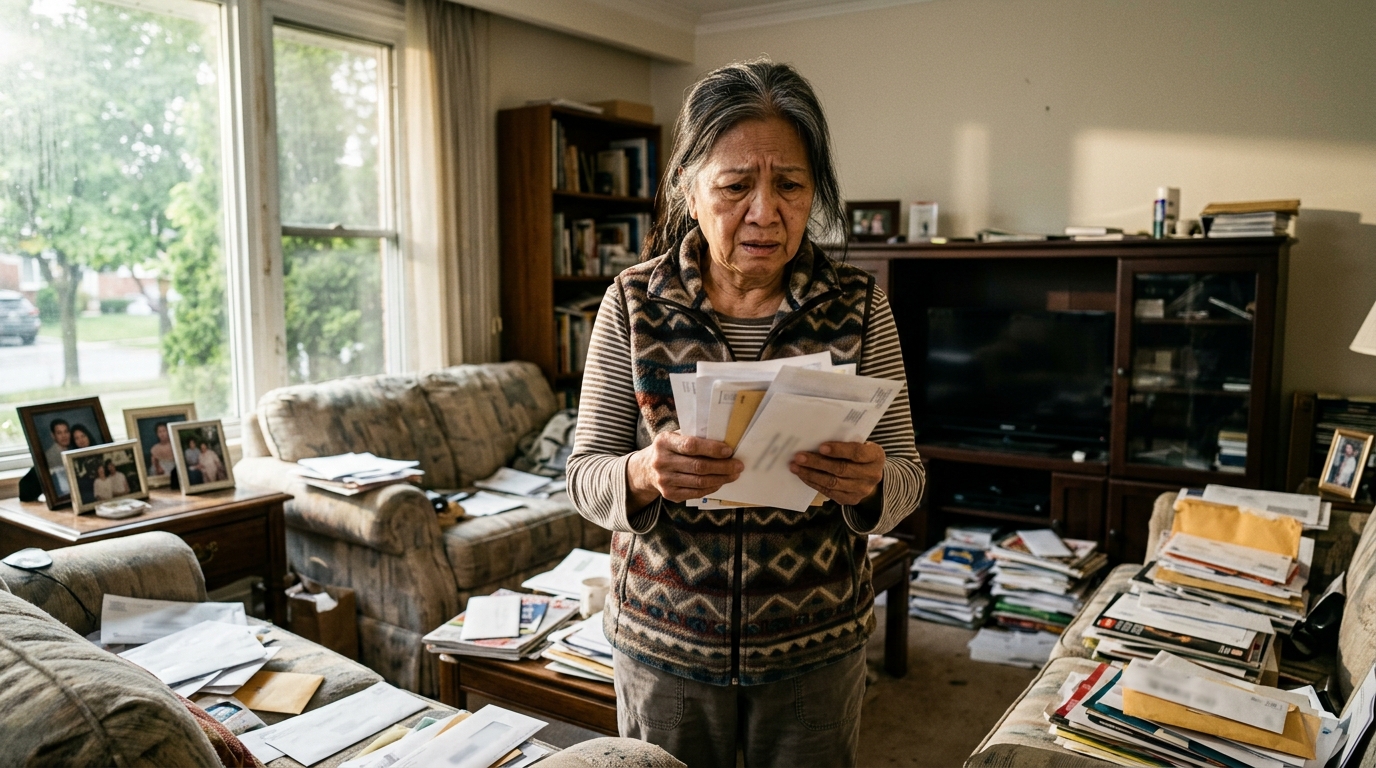
Case Study: Depression Masked as Financial Irresponsibility
Frank, 74, shows signs of depression:
- His wife passed 18 months ago
- He's withdrawn from friends; stopped attending church
- Adult children notice he avoids discussing money ("What's the point?")
- His home is falling into disrepair (hasn't fixed leaking roof, broken porch)
- He skips doctor appointments
- Adult children want to help him age in place safely via reverse mortgage
- But they sense something deeper than financial disorganization
Frank's adult children's protective approach:
-
Suggest mental health evaluation (gently, without shame)
- "Dad, I've noticed you seem down since Mom passed. Have you considered talking to someone?"
- Depression diagnosis; Frank starts therapy and medication
-
Proceed with reverse mortgage once Frank is more stable (3–6 months later)
- His therapist confirms he's making clearer decisions
- His outlook is more hopeful
- He's more engaged with care planning
-
Structure the reverse mortgage protectively:
- Adult child involved in process (witness to capacity)
- Lawyer explains everything thoroughly
- Staged draws: $15,000 initially for roof and porch repairs (directed payments)
- Then $500/month line of credit for ongoing expenses (not lump sum)
- Quarterly check-ins with family to track spending
-
Result:
- Frank's home is repaired; he's aging in place safely
- He's not impulsively spending equity while depressed
- Family involvement provides oversight without controlling him
- Frank's mental health stabilizes; he later increases reverse mortgage use independently
Without this protective approach:
- Frank might have gotten reverse mortgage while severely depressed
- He might have drawn full equity lump sum
- He might have spent it chaotically or given it away
- He might not have made home repairs (core need)
- Family would be more stressed
Ethical Considerations: When NOT to Pursue a Reverse Mortgage
Be honest: In some cases, a reverse mortgage isn't appropriate:
| Situation | Why Not Appropriate |
|---|---|
| Severe cognitive decline / dementia | Person cannot understand terms; capacity is absent; reverse mortgage is not ethical |
| Untreated severe mental illness (active psychosis, acute mania) | Person's judgment is fundamentally impaired; decisions aren't informed |
| Active substance abuse | Risk of spending equity on addiction; high danger of exploitation |
| Existing financial exploitation | Money will go to exploiters, not the person; reverse mortgage makes it worse |
| Severe personality disorder (untreated) | Impulsive decisions; relationship chaos; likely to misuse funds destructively |
In these cases, address the underlying issue first. Stabilize mental health. Then, if appropriate, revisit reverse mortgage.
The responsible approach: Reverse mortgage is a tool, not a solution to mental health problems. If mental health is untreated, the tool amplifies problems rather than solving them.
Key Takeaways
- Undiagnosed mental health conditions significantly affect financial decision-making and reverse mortgage use
- Depression, anxiety, and personality disorders can masquerade as "poor judgment" or "stubbornness"
- A mental health assessment should precede reverse mortgage closure if conditions are suspected
- Protective structures (staged draws, directed payments, family involvement, lawyer oversight) reduce risk
- In severe cases, address mental health before pursuing reverse mortgage
- The goal is using a reverse mortgage tool responsibly, not using it to enable destructive patterns
Frequently Asked Questions
If my aging parent has depression and might refuse a reverse mortgage due to hopelessness, what should I do?
Encourage mental health treatment first. Depression distorts thinking; a depressed person may believe "why bother planning?" once they're treated, their outlook shifts. After treatment, revisit reverse mortgage conversation. You can't force anyone, but you can create the conditions for better decision-making.
Can a therapist or psychiatrist affect reverse mortgage qualification?
A mental health diagnosis doesn't disqualify you. What matters is capacity to understand the reverse mortgage terms. If you have a diagnosis but are stable (treated, medicated, supported), you can qualify. The lawyer assesses capacity; diagnosis alone isn't grounds for refusal.
What if my adult child has undiagnosed mental health issues and I want to gift them money from my reverse mortgage—is that safe?
Not without safeguards. If your adult child has untreated bipolar disorder, addiction, or severe anxiety, large cash gifts might be misused (impulsive spending, giving to exploiters, self-harm). Instead: pay directly for their needs (therapy, education, housing down payment) rather than handing cash. This protects both your equity and their wellbeing.
Can a reverse mortgage actually worsen mental health (by creating guilt/shame)?
For some people, yes. If someone has depression or shame about aging, a reverse mortgage might feel like "giving up" or "admitting failure." This requires psychological reframing: positioning reverse mortgage as strategic planning, not defeat. Therapy can help with this mindset shift.
If my parent gets a reverse mortgage and later develops dementia, who manages the reverse mortgage?
This is complex and why power of attorney planning is critical. Before a reverse mortgage, establish power of attorney (including financial authority). If your parent later develops dementia, you (or whoever holds POA) can manage the reverse mortgage on their behalf—making draws, managing payments. The lender will require capacity assessment or documentation, but the mechanism exists.
What's the difference between undiagnosed mental health and aging-related cognitive decline?
Mental health conditions (depression, anxiety) affect mood, motivation, and decision-making but usually leave cognition intact. Cognitive decline (early dementia, Alzheimer's) affects memory, processing, and understanding fundamentally. Both complicate reverse mortgage decisions, but remedies are different. Mental health: treatment (therapy, medication). Cognitive: protective structures (POA, family oversight). Ideally, assess both.
Mental health and financial decisions are deeply intertwined. If you suspect undiagnosed mental health issues affecting reverse mortgage planning, address them responsibly and protectively. A mental health assessment isn't weakness—it's wisdom. It protects both the decision-maker and the family from harm.
Ready to Learn More?
Find out exactly how much you could unlock from your home — free and no obligation.
Related Articles
Three-Generation Immigration Sponsorship: Reverse Mortgage for Multi-Level Family Support
Supporting aging parents' immigration while funding your adult child's education. Reverse mortgage strategy for multi-generational Canadian sponsorship planning.
Read →When Aging Parent Refuses Financial Transparency: Reverse Mortgage Planning
Managing reverse mortgage planning when your aging parent won't disclose finances or assets. Transparency gaps and protective strategies for adult children.
Read →Reverse Mortgage to Hire a Professional Palliative Care Transition Coordinator
Before hospice, a care transition coordinator helps plan the shift from treatment to comfort care. A reverse mortgage funds this crucial professional guide.
Read →