
Snowbirds and Reverse Mortgages: Tax Implications of Winter Escapes
Ontario snowbirds spending winters in Florida or Arizona face complex tax situations. Learn how reverse mortgages interact with principal residence exemptions, Canadian residency, and cross-border tax reporting.
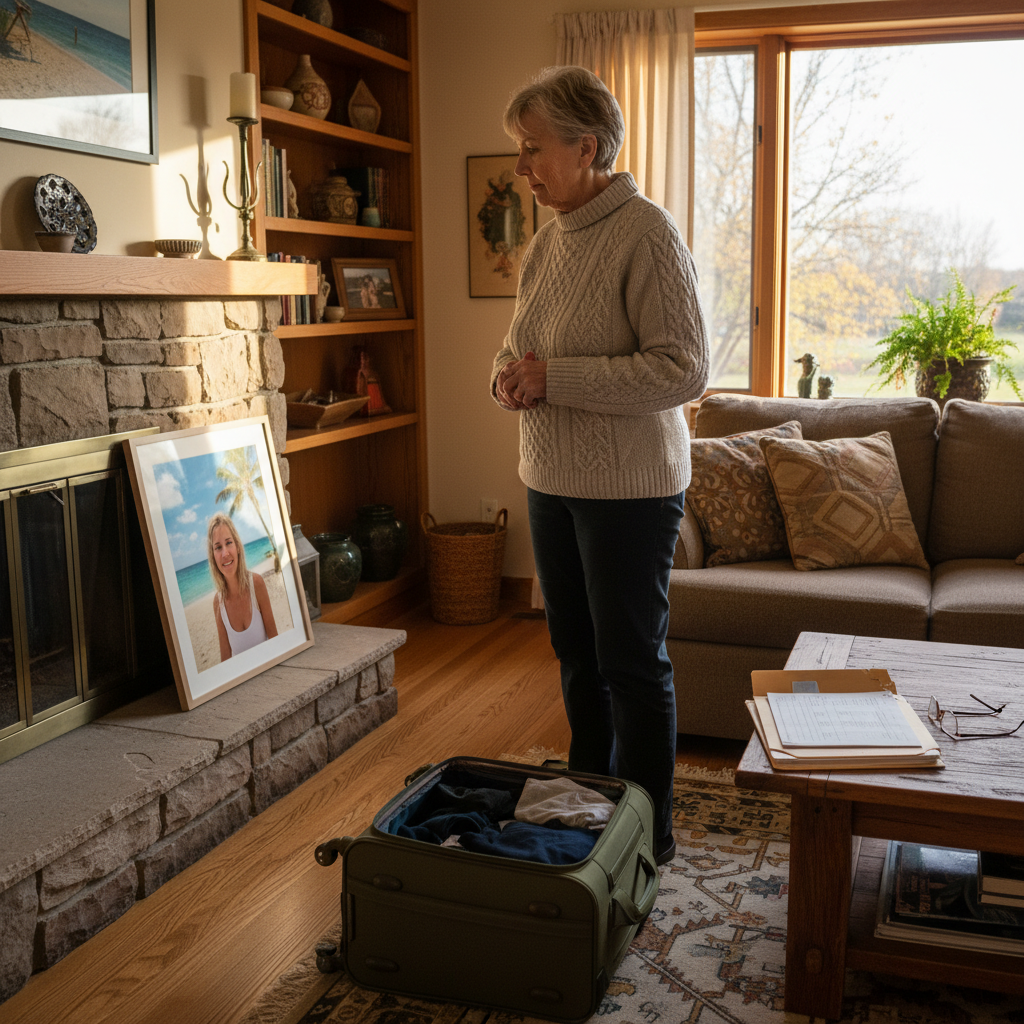
You spend November to April in Arizona. May to October in your Ontario home. This is the Canadian snowbird lifestyle—and it's increasingly common. But when you're semi-resident in Canada and considering a reverse mortgage, tax complications emerge that most financial advisors don't fully appreciate.
This article is for educational purposes only and does not constitute financial advice.
The Snowbird Tax Reality
The Key Question: What's Your Canadian Residency Status?
For Canadian tax purposes (CRA), your residency status determines:
- Whether Canadian tax applies to worldwide income
- Whether you pay Canadian income tax on US-source income
- How capital gains on your home are taxed
- Whether reverse mortgage proceeds are treated as income
The CRA tests for Canadian residency:
| Test | Description |
|---|---|
| Residential ties | Home, spouse/dependents, social ties in Canada |
| Time in country | Generally, >183 days/year = resident for tax purposes |
| Economic ties | Employment, bank accounts, business interests in Canada |
Snowbird typical profile:
- ✓ Principal residence in Ontario (strong residential tie)
- ✓ Spouse/dependents in Canada (strong tie)
- ✓ ~180–200 days/year in Canada (borderline)
- ✓ Banking, investments in Canada (strong tie)
CRA conclusion: Most snowbirds are still considered Canadian tax residents even though they spend half the year abroad. The principal residence and family ties usually outweigh the time factor.
Important: Being a Canadian tax resident is DIFFERENT from being a PR card holder or citizen. Snowbirds who are citizens spending 5 months/year abroad are still Canadian tax residents for CRA purposes.
Reverse Mortgage Proceeds: Tax Treatment for Snowbirds
Core Rule: Reverse Mortgage Funds Are Tax-Free
A reverse mortgage is a loan, not income. The CRA does not tax reverse mortgage proceeds.
This is true regardless of where you live or spend your time.
- If you're a Canadian tax resident, reverse mortgage proceeds are tax-free
- If you've become a non-resident (moved to US permanently), reverse mortgage proceeds are still tax-free
- If you're a snowbird (hybrid status), reverse mortgage proceeds are still tax-free
Why? Because it's a loan that must be repaid. Money you borrow is not income—it's a liability.
Example: You borrow $300,000 via reverse mortgage. This $300,000 is NOT taxable income. You don't report it on your tax return.
Where Complications Arise
The tax issues are NOT about the reverse mortgage itself—they're about how you use the funds and what happens to your home.

Issue #1: Principal Residence Exemption & Capital Gains Tax
The Complication: "Ordinarily Inhabited" Requirement
In Canada, your principal residence is exempt from capital gains tax. When you sell, you pay no tax on the profit.
But there's a catch: Your principal residence must be "ordinarily inhabited" by you during the years you're claiming the exemption.
For snowbirds: If you spend 5 months/year in Ontario and 7 months/year in Arizona, is your Ontario home "ordinarily inhabited"?
CRA's position: It depends on the facts. The primary residence (where you spend most of your time) should be where you claim the principal residence exemption.
Scenario: Snowbird With Primary Home in Arizona
Situation: James, 70, spent 20 years snowbirding—May to October in Ontario cottage, November to April in Arizona. In 2020, he purchased a home in Phoenix and now spends 8 months/year there (his primary residence). He spends 4 months/year in Ontario.
Tax implication: The Arizona home is now his principal residence for CRA purposes. The Ontario cottage is a secondary residence.
If he sells the Ontario cottage in 2026 for $950,000 (originally purchased for $550,000), the $400,000 gain is subject to capital gains tax.
Tax cost: $400,000 × 50% inclusion rate × 43.4% marginal tax rate (Ontario) = ~$87,000 in tax.
How Does a Reverse Mortgage Change This?
Reverse mortgage doesn't change the principal residence exemption rules. It's irrelevant whether the home has a reverse mortgage on it. What matters is:
- Which home is your principal residence (per CRA definition)?
- How many years did you own it while it qualified for exemption?
BUT—strategic consideration: Some snowbirds choose to take a reverse mortgage on their Ontario home to avoid selling it and triggering capital gains tax.
Example: James has $400,000 in taxable capital gains on his Ontario cottage. Rather than sell it (and pay $87,000 in tax), he takes a $300,000 reverse mortgage to fund his Arizona retirement. He keeps the cottage, avoids the tax trigger, and maintains his Ontario residency tie for CRA purposes.
Cost-benefit analysis:
- Option A (Sell): Pay $87,000 capital gains tax immediately
- Option B (Reverse mortgage): Keep cottage, pay reverse mortgage interest (~$19,500/year at 6.5%), maintain cottage indefinitely
If James lives 10–15 more years, Option B costs $195,000–$292,500 in interest, PLUS he still owes the full mortgage principal. Option A is cheaper—but Option B lets him keep the cottage for sentimental reasons or preserve it for heirs.
Issue #2: Cross-Border Tax Reporting & US IRS Requirements
If You Spend >6 Months in the US: Form 8854 & FBAR
US tax law requires different reporting depending on your time in the US:
| US Time | Tax Status | Reporting |
|---|---|---|
| <183 days/year | Non-resident alien | FBAR (if US financial accounts >$10K) |
| 183+ days/year (weighted average over 3 years) | US tax resident | Form 1040 (full US tax return) |
| Permanent resident (green card) | US citizen equivalent | Form 1040 (always) |
Snowbird with reverse mortgage specifics:
If you're a Canadian citizen spending 5 months in the US and 7 months in Canada, you're NOT a US tax resident. You file as a non-resident alien.
But if you have a reverse mortgage: You're borrowing money from a Canadian lender (CHIP, Equitable Bank, etc.). This is not US-taxable income, and you don't report it to the IRS.
Where it gets complicated: If you're investing the reverse mortgage funds in US assets (stock brokerage account, rental property, etc.), you may trigger US tax reporting obligations—unrelated to the reverse mortgage itself.
Canada-US Tax Treaty: Principal Residence on Both Sides?
Many snowbirds own both a Canadian home and a US winter home.
Tax treaty rule: You can claim a principal residence exemption in only one country for each property.
Example: Maria owns a cottage in Ontario and a condo in Arizona, living in each 6 months/year.
For her Ontario cottage: She claims principal residence exemption (no Canadian capital gains tax).
For her Arizona condo: She claims US principal residence exemption (no US capital gains tax under the per-person $250,000 exemption—$500,000 if married).
With a reverse mortgage: If she borrows against the Ontario cottage, the principal residence exemption status doesn't change. She's borrowing against her principal residence, but she can't have two principal residences in tax law.
Strategic implication: She should NOT take a reverse mortgage against the Ontario cottage if her primary residence is now the Arizona home. Instead, she should refinance the Arizona home if needed, OR sell the Ontario cottage, pay the capital gains tax (which is now applicable), and invest the proceeds.

Issue #3: Principal Residence Exemption Form & Reporting
When you (or your heirs) eventually sell your Ontario home, you must file Form T776 or Schedule 3 reporting the principal residence exemption claim.
If a reverse mortgage is outstanding at the time of sale, you must:
- Report the gross sale price
- Deduct the reverse mortgage balance (which is owed to the lender)
- Calculate your capital gain on the net proceeds
- Claim principal residence exemption to reduce taxable capital gain to $0 (if still applicable)
Example: Ontario home sells for $1.2M. Reverse mortgage balance is $450,000.
| Line | Amount |
|---|---|
| Gross sale price | $1,200,000 |
| Less: Reverse mortgage balance | ($450,000) |
| Net proceeds to homeowner | $750,000 |
| Original purchase price (1995) | $300,000 |
| Capital gain (gross) | $900,000 |
| Principal residence exemption (all years owned) | $900,000 |
| Taxable capital gain | $0 |
In this case, the entire gain is exempt—no capital gains tax. The reverse mortgage doesn't affect this calculation; it's a debt that reduces net proceeds.
But if the home had periods where it wasn't the principal residence, the exemption is prorated.
Snowbird-Specific Reverse Mortgage Risks
Risk 1: Permanent Residency Change
Many snowbirds eventually move to the US permanently (better weather, health care, family reasons). The moment you establish US permanent residency (green card, or >183 days for 3 consecutive years), you become a US tax resident.
Impact on reverse mortgage: None directly. The reverse mortgage is still a Canadian loan that must be repaid. But your tax situation changes dramatically—you now owe US income tax, file Form 1040, and may trigger more complex reporting obligations.
Risk 2: Home Abandonment & Residency Loss
If you spend 9 months in Arizona and only 3 months in Ontario, and you rent out part of the Ontario home, CRA might argue it's no longer a principal residence—it's a rental property.
With a reverse mortgage: If the Ontario home loses principal residence exemption status, future capital gains become taxable. The reverse mortgage doesn't trigger this change, but the tax consequence is significant.
Risk 3: Moving Back to Canada Permanently After Extended US Time
Some snowbirds return to Canada permanently in their 80s (health care access, family care, costs). If you've established US tax residency, unwinding this status (Form 8854) requires complex reporting and may trigger exit taxes on unrealized gains.
Reverse mortgage planning implication: Before establishing permanent US residency, clarify your long-term plan with a cross-border accountant. If there's a chance you'll return to Canada, maintaining Canadian principal residence status is important.
Practical Snowbird Reverse Mortgage Strategy
Step 1: Confirm Your Principal Residence Status
Ask yourself:
- Which home is my primary home (most time/family ties)?
- Will this remain my principal residence for the next 5–10 years?
- Am I likely to become a US permanent resident?
Step 2: Work With a Cross-Border Accountant
Before taking a reverse mortgage, brief your accountant:
- Snowbird status (months/year in each country)
- Plans to stay in Canada long-term OR move to US
- Current principal residence exemption strategy
This 30-minute consultation can save you $50,000+ in taxes.
Step 3: Choose Your Reverse Mortgage Purpose Carefully
Good use: Funding retirement spending without selling the home Risky use: Investing reverse mortgage funds in US real estate (complicates US tax reporting)
Step 4: Document Your Residency Clearly
Keep records:
- Utility bills showing address
- Driver's licenses in each country
- Calendar of days spent in each location
- Lease/rental agreements if renting part of home
If CRA ever questions your principal residence claim, documentation helps.
Frequently Asked Questions
Can I take a reverse mortgage if I'm a snowbird?
Yes, as long as you're 55+ and the Ontario home is your principal residence (primary residential address for Canadian tax purposes). You don't need to be in Canada full-time.
Does spending 4 months in Arizona and 8 months in Ontario disqualify me from claiming my Ontario home as principal residence?
Not automatically. CRA considers total residential ties (family, employment, home ownership). Owning the Ontario home, having family there, and spending majority of active months there usually qualifies it as principal residence. But work with a tax accountant to confirm.
If I become a US permanent resident, can I still keep my Ontario reverse mortgage?
Yes. The reverse mortgage is a Canadian debt against a Canadian property. Your residency status doesn't force repayment. But your tax situation changes—you owe US income tax on worldwide income, must file Form 1040, and may owe exit taxes if you renounce Canadian residency. Consult a cross-border tax advisor.
Do I need to report my reverse mortgage to the IRS?
Only if it generates US-source income (e.g., you invest the funds in US stocks and get dividends) or if you file a US tax return. The reverse mortgage itself is a Canadian loan—not US-taxable. But consult a cross-border accountant to confirm your reporting obligations.
Key Takeaways
| Factor | Snowbird Consideration |
|---|---|
| Principal residence exemption | Must confirm Ontario home still qualifies (not secondary to Arizona home) |
| Capital gains on home sale | May owe tax if US home is now primary residence |
| US tax reporting | Only required if spending 183+ days in US or earning US income |
| Reverse mortgage proceeds | Tax-free (loan, not income)—regardless of residency |
| Cross-border tax planning | Critical before taking reverse mortgage; consult CPA |
The Bottom Line
A reverse mortgage is absolutely available to snowbirds. The proceeds are tax-free, and the product works the same way as for full-time Ontario residents. But snowbirds face additional tax complexity around principal residence exemptions and US residency reporting. Before taking a reverse mortgage, invest a few hundred dollars in a cross-border tax consultation to confirm your strategy is optimal.
The reverse mortgage itself isn't complicated—but your tax situation is. Plan accordingly.
Speak to a licensed mortgage professional. Independent legal advice is required before closing a reverse mortgage in Ontario.
Consult a qualified tax advisor and cross-border accountant for guidance specific to your situation.
This content is for illustrative purposes only. Rates may vary. Call Rick Sekhon for the best rates and more information.
Ready to Learn More?
Find out exactly how much you could unlock from your home — free and no obligation.
Related Articles
Reverse Mortgage for Snowbirds: Keep Your Home
Can Canadian snowbirds get a reverse mortgage? Learn the principal residence rules, lender requirements, and how reverse mortgage snowbirds Canada policies work in 2026.
Read →CRA Tax Treatment of Reverse Mortgage Proceeds: Rules Explained Simply
How Canada Revenue Agency classifies reverse mortgage proceeds for tax purposes. Complete CRA rule set for 2026: income tax, capital gains, GST/HST, and estate treatment.
Read →Reverse Mortgage Tax Implications in Canada: What Ontario Homeowners Need to Know
Are reverse mortgage proceeds taxable in Canada? How do they affect OAS, GIS, and CPP? A complete guide to the tax implications of reverse mortgages for Ontario seniors.
Read →