
Reverse Mortgage for Adult Child's Workplace Return After Mental Health Crisis
Adult child took mental health leave and worried about returning to work? Reverse mortgage funds therapy, coaching, and structured comeback support.
Your adult child has been on mental health leave from work. They've been in therapy, medication, and recovery mode for months. Now the question looms: can they go back? The prospect of returning to the workplace — the same job, same stressors, same environment — triggers new anxiety.
A reverse mortgage can fund the comprehensive support system that makes workplace comeback not just possible, but sustainable.

The Mental Health Leave-to-Return Transition
Mental health crises in the workplace are increasingly common. According to Statistics Canada, 1 in 5 Canadians will experience a mental health condition in a given year. For working adults, this often means:
- Medical leave (weeks to months away from work)
- Therapy and medication stabilization (ongoing treatment)
- Gradual return protocols (gradual work schedule increases)
- Workplace accommodation requests (modified duties, flexibility)
- Return-to-work coaching (rebuilding confidence and coping skills)
The transition back is fragile. Without proper support, many workers relapse into mental health crisis within 3–6 months of returning to work.
The Hidden Costs of Structured Return
While mental health leave may be partially covered by employee benefits or disability insurance, the return-to-work phase often requires additional support that's NOT covered:
| Support Service | Cost | Duration | Why It Matters |
|---|---|---|---|
| Return-to-work therapist | $150–$250/session | 10–20 sessions over 3 months | Specialized support for workplace reintegration |
| Executive/career coach | $100–$300/session | 6–12 sessions | Confidence building, skills refreshing |
| Psychiatrist medication management | $200–$400/session | 1–2 per month, ongoing | Monitor medication during return |
| Employee assistance program (EAP) | $0–$5,000/year | Ongoing | May be covered by employer, but not always |
| Occupational therapist consultation | $150–$250/session | 3–5 sessions | Assess workplace accommodations, coping |
| Disability insurance co-pays | $500–$2,000 | Ongoing | Deductibles during return phase |
Total return-to-work support costs: $3,000–$10,000 over 3–6 months
According to the Canadian Centre for Occupational Health and Safety, workers with structured return-to-work support have 60% higher success rates in sustaining employment compared to those returning without support.
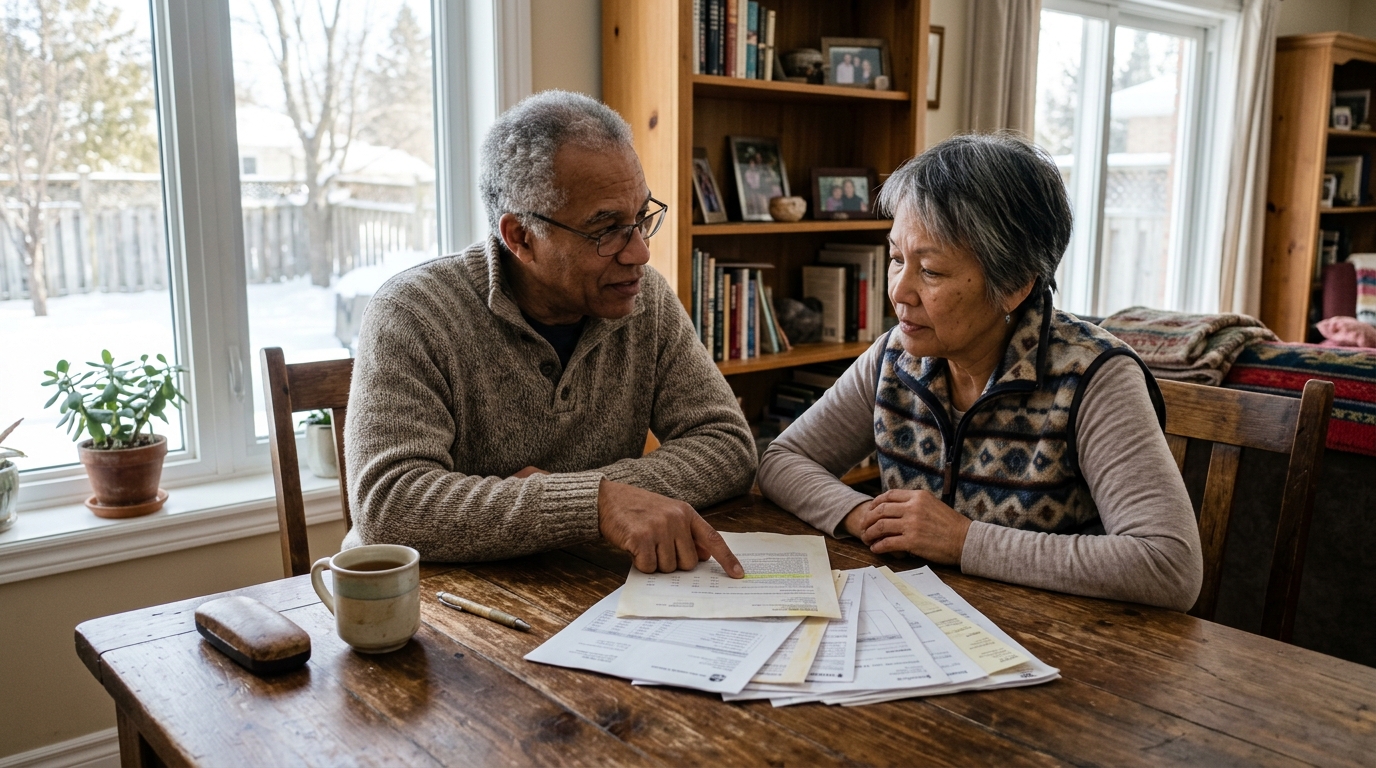
When Adult Children Need Parental Support During Return
Your adult child in mental health recovery is in a vulnerable position:
- They may have lost income during leave (if benefits don't cover full salary)
- They're anxious about re-entering the workplace
- They can't afford full-price therapy and coaching ($150–$300/session adds up)
- They need your emotional support — but also practical financial support to afford professional help
Without financial support, your adult child may:
- Attempt return without adequate support (higher relapse risk)
- Forego professional help to save money (using willpower alone, which often fails)
- Turn to substance use as coping mechanism (alcohol, drugs as self-medication)
- Ask extended family for loans (co-signing debt, which adds pressure)
- Remain on disability indefinitely (loss of work identity and income long-term)
A reverse mortgage provides a way to fund comprehensive return-to-work support without forcing your adult child into debt.
Scenario: Marketing Professional's Burnout and Return
Jennifer, age 34, has been a successful marketing director for 8 years. Three months ago, she hit a wall: severe burnout, anxiety attacks, insomnia. She took medical leave.
Her situation now:
- Approved for 6-month leave of absence at 60% pay
- Has been in weekly therapy for 3 months (partially covered by EAP)
- Started antidepressant medication (stabilized)
- Facing return to work in 3 months
- Worried: "What if I can't handle it? What if I relapse?"
Her return-to-work needs:
- Specialized return-to-work therapist (10 sessions × $200): $2,000
- Career coach to rebuild confidence (8 sessions × $150): $1,200
- Psychiatrist medication management during return (6 visits × $250): $1,500
- Occupational therapist for workplace accommodation recommendations (4 sessions × $180): $720
- Stress management coaching/skills training (6 sessions × $120): $720
Total return-to-work investment: $6,140 over 4 months
Jennifer's position: She's on 60% pay during leave. She can't afford $6,140 in additional therapy while financially depleted. She's considering returning without support to "just power through it."
Her aging parents' position: Both are retired, ages 68 and 70, with $330,000 home equity. They're concerned that returning without support will trigger relapse. They want to help but can't afford $6,140 out of retirement savings.
Using a reverse mortgage:
- Jennifer's parents access $8,000 from home equity
- Funds cover all return-to-work support services comprehensively
- Jennifer has specialized therapist, coach, and medical oversight during vulnerable return phase
- She returns to work with structured support in place
- Success rate for sustained employment increases dramatically
Outcome: Jennifer's return is stable and supported. Her parents maintain retirement security. The reverse mortgage becomes an investment in her mental health sustainability.
The Architecture of Successful Return-to-Work
Structured return requires coordination across multiple professionals:
Phase 1: Pre-Return (1–2 months before work)
- Therapist: Establish specific anxiety triggers and coping strategies
- Occupational therapist: Assess workplace environment, identify accommodations needed
- Psychiatrist: Stabilize medication, monitor for relapse signs
Phase 2: Gradual Return (4–8 weeks at work)
- Coach: Daily/weekly check-ins about workplace challenges
- Therapist: Weekly processing of return experiences, stress management
- Psychiatrist: Monthly medication monitoring
Phase 3: Stabilization (Weeks 9–16)
- Coach: Bi-weekly check-ins (reducing frequency)
- Therapist: Bi-weekly (reducing from weekly)
- Psychiatrist: Monthly ongoing management
Without this coordination, your adult child is returning without a safety net. One bad day at work becomes a relapse trigger.

Negotiating Workplace Accommodations
Part of successful return is securing accommodations from the employer:
| Common Accommodation | Purpose | Likelihood of Approval |
|---|---|---|
| Gradual hour increase (start at 50%, build to full-time) | Prevents overwhelming return | Very high |
| Modified duties (eliminate high-stress project initially) | Reduces anxiety triggers | High |
| Flexible schedule / work-from-home days | Reduces commute stress, allows therapy appointments | High |
| Stress-reduction breaks (quiet space, flexible breaks) | Prevents overwhelm | Very high |
| Supervisor communication (brief check-ins, clear feedback) | Reduces uncertainty and anxiety | High |
| Mental health day provision (extra days for mental health appointments) | Allows ongoing treatment | Moderate to high |
An occupational therapist can help negotiate these accommodations — including documentation for the employer.
Setting Boundaries to Prevent Relapse
If you're funding return-to-work support, establish some boundaries:
| Boundary | Purpose | Example |
|---|---|---|
| Specific dollar limit | Prevents unlimited financial commitment | "We'll fund up to $8,000 for 6 months of support" |
| Time-limited support | Creates urgency to stabilize at work | "Support through successful 6-month return" |
| Clear expectations about returning | Adult child takes responsibility | "You're responsible for continuing therapy once stabilized" |
| Employer accommodation requirement | Ensures real support at work | "Employer must approve accommodations before return" |
| Relapse protocol | Clear plan if mental health crisis recurs | "If you need to leave work again, we'll reassess" |
Key Takeaways
- Return-to-work after mental health crisis requires specialized support — not just willpower or positive thinking
- Structured return includes therapy, coaching, medication management, and occupational guidance — $3,000–$10,000 investment
- Without support, relapse risk is 40%+ — the investment prevents costly crisis and long-term disability
- A reverse mortgage funds comprehensive return-to-work setup without forcing debt on your adult child
- Workplace accommodations are essential — your adult child doesn't return to the same stressful situation
- Coordination across professionals matters — therapist, coach, psychiatrist, occupational therapist all communicating
Steps to Support Your Adult Child's Workplace Return
1. Assess mental health stability. Is your adult child medically cleared to return? Do their therapist and psychiatrist agree it's appropriate timing?
2. Identify specific support needs. What challenges does your child anticipate at work? What coping skills do they need to develop?
3. Research return-to-work specialists. Find therapists and coaches who specialize in workplace return after mental health crisis (different from general therapy).
4. Get medical team alignment. Ensure therapist, psychiatrist, and occupational therapist are all communicating and coordinating.
5. Negotiate workplace accommodations. Before return, clarify what adjustments the employer will provide.
6. Talk to Rick Sekhon Reverse Mortgages. If you need funds for comprehensive return-to-work support, understand your options.
7. Create a relapse plan. What happens if your adult child struggles during return? Have this conversation proactively.
Frequently Asked Questions
Should I fund return-to-work support for my adult child?
Yes, if: (1) your retirement income is stable, (2) you have significant home equity, (3) your adult child is medically cleared to return, and (4) the investment prevents relapse and long-term disability.
What if my adult child isn't ready to return to work?
Pushing return too early is harmful. Work with their medical team. If they're not ready, extending leave is better than forcing return and triggering relapse.
Can my adult child use EAP (Employee Assistance Program) instead of private therapists?
Many employers offer EAP — often covering 3–5 sessions. It's usually not enough for specialized return-to-work support. EAP + private therapy combo is ideal.
Should my adult child return to the same job or find a new one?
That depends on the job itself. If the job was the source of burnout, a career change may be necessary. Work with a career coach to assess.
What if my adult child's employer doesn't approve accommodations?
Document the request and the denial. Consult an employment lawyer if accommodations are reasonable and legally required (disability protection).
How long should I fund support — weeks or months?
Typically 3–6 months of intensive support, tapering as your child stabilizes. Long-term maintenance therapy (ongoing, less frequent) may continue indefinitely.
Next Steps
Returning to work after mental health crisis is possible — but not without support. Your adult child's success depends on structured therapy, coaching, medical oversight, and workplace accommodations working together.
Talk to Rick Sekhon Reverse Mortgages about funding comprehensive return-to-work support for your adult child's mental health sustainability.
Ready to Learn More?
Find out exactly how much you could unlock from your home — free and no obligation.
Related Articles
Caregiver Burnout and Trauma: Reverse Mortgage for Your Own Mental Health Recovery
Caring for aging parents or ill spouses is emotionally traumatic. Learn how Ontario caregivers use reverse mortgages to fund their own therapy, counseling, and mental health recovery from caregiver burnout and PTSD.
Read →Reverse Mortgage to Support Adult Child's Career Recovery After Burnout: Financial and Emotional Healing
Help your adult child recover from workplace burnout with a reverse mortgage. Finance their healing timeline, time off, and career redirection in Ontario.
Read →Reverse Mortgage for DEI Consulting Practice: Launching Diversity, Equity, and Inclusion Consulting in Retirement
Start a diversity and inclusion consulting practice. Help corporations and nonprofits build equitable cultures; reverse mortgage funds training, business setup, and market entry.
Read →