
Caregiver Burnout and Trauma: Reverse Mortgage for Your Own Mental Health Recovery
Caring for aging parents or ill spouses is emotionally traumatic. Learn how Ontario caregivers use reverse mortgages to fund their own therapy, counseling, and mental health recovery from caregiver burnout and PTSD.
Watching someone you love decline is traumatic.
Whether you're caring for an aging parent with dementia, a spouse recovering from stroke, or a child with chronic illness, you experience real psychological trauma:
- Witnessing suffering day after day
- Feeling helpless to prevent deterioration
- Managing medical crises beyond your training
- Losing your own identity to caregiving
- Anticipatory grief (mourning someone who's still alive)
Many caregivers develop PTSD, depression, and anxiety—yet they're the least likely to seek help because they're too busy caring for others.
A reverse mortgage can fund something caregivers rarely allow themselves: professional mental health treatment for your own recovery.
Understanding Caregiver Trauma and PTSD
Caregiving isn't a gentle responsibility. It's a psychological injury waiting to happen.
Caregiver Trauma Triggers
- Witnessing a fall or medical emergency
- Holding a loved one through medical procedures
- Making life-or-death decisions about care
- Dealing with aggressive behavior (dementia, delirium, chronic pain)
- Loss of your loved one's recognition (they don't know who you are)
- Repetitive exposure to bodily functions and bodily suffering
- Sleep deprivation and constant hypervigilance
- Isolation (you can't leave to do anything else)
PTSD Symptoms Many Caregivers Experience
- Intrusive memories: Replaying a medical crisis or moment of suffering
- Nightmares: About losing your loved one, medical emergencies
- Hypervigilance: Unable to relax; jumping at sounds that might signal a problem
- Avoidance: Avoiding rooms where traumatic moments occurred
- Emotional numbing: Feeling disconnected from your loved one and others
- Negative self-talk: Blaming yourself for what you can't prevent
- Guilt: Survivor's guilt if your loved one dies; guilt about feelings of relief if caregiving ends
This isn't weakness. This is a normal psychological response to ongoing trauma.
The Caregiving Crisis: Why Therapy Is Essential
In Ontario, approximately 2.2 million people are unpaid family caregivers. Of those:
- 40% report experiencing depression or anxiety
- 30% report symptoms consistent with PTSD
- 60% say caregiving significantly impacts their own health
- 70% report financial strain from caregiving
- 80% report isolation and loss of social connection
Yet caregivers spend an average of $4,500/year out of pocket on care-related costs—and zero on their own mental health.
A reverse mortgage can flip that priority.
| Ontario Caregiver Statistic | Share Affected |
|---|---|
| Report depression or anxiety | 40% |
| Report symptoms consistent with PTSD | 30% |
| Say caregiving significantly impacts their health | 60% |
| Report financial strain from caregiving | 70% |
| Report isolation and loss of social connection | 80% |
Ontario Therapy Options for Caregiver Trauma
Option 1: Individual Therapy (Psychotherapy)
Cost: $150–$300/session
Duration: Weekly or bi-weekly for 6–12 months typical
Total investment: $3,600–$14,400 per year
Effective for:
- PTSD and intrusive memories (trauma-focused therapy)
- Depression and anxiety
- Grief and anticipatory loss
- Rebuilding identity and purpose beyond caregiving
Option 2: EMDR (Eye Movement Desensitization & Reprocessing)
Cost: $200–$350/session
Duration: 8–12 sessions typical for caregiver trauma
Total investment: $1,600–$4,200
Effective for:
- PTSD (especially single traumatic incidents: falls, medical crises)
- Intrusive memories and nightmares
- Hypervigilance and anxiety
- Accelerated healing (faster than traditional talk therapy)
Option 3: Trauma-Focused Cognitive Behavioral Therapy (TF-CBT)
Cost: $150–$250/session
Duration: 12–16 sessions
Total investment: $1,800–$4,000
Effective for:
- Caregiver PTSD and trauma responses
- Changing negative thought patterns
- Rebuilding sense of safety
- Preventing depression
Option 4: Support Groups (Caregiver Peer Support)
Cost: Free–$20/session
Duration: Weekly or monthly, ongoing
Total investment: $0–$240/year
Effective for:
- Reducing isolation
- Hearing from others in similar situations
- Practical tips and coping strategies
- Validating your experience
Option 5: Intensive Retreat Programs
Cost: $2,000–$5,000 for 3–5 day program
Duration: Once or twice per year
Total investment: $4,000–$10,000/year
Effective for:
- Caregiver renewal and perspective shift
- Building coping tools in intensive format
- Peer connection and community
- Stepping away from caregiving to recover
Ontario Case Study: Sandra's Therapy Investment
Sandra, 67, from Hamilton, had been caring for her husband with Alzheimer's for 5 years. She'd experienced the progression from diagnosis, through lucidity loss, to aggressive behaviors and incontinence. By year 5, she was at complete breaking point.
Her symptoms:
- Intrusive memories of her husband's violent moments (he'd hit her when confused)
- Nightmares 3–4 times per week
- Constant hypervigilance (jumping at sounds, unable to relax)
- Guilt that she felt relieved on days he was calm
- Depression and hopelessness ("How long until he dies? How will I survive this?")
- Isolation (couldn't leave home, friends had stopped calling)
- Physical symptoms (chronic tension, insomnia, digestive issues)
Her history:
- Sandra had never been to therapy
- She believed caregiving was her responsibility alone
- She felt ashamed of her "negative" feelings toward her husband
- She'd spent $50,000+ out of pocket on his care; nothing on her own health
What Sandra did:
- Got a reverse mortgage evaluation and drew $15,000
- Allocated funds strategically:
- EMDR trauma therapy: 12 sessions × $250 = $3,000
- Individual psychotherapy: 20 sessions × $180 = $3,600
- Caregiver support group: 1 year enrollment = $240
- Respite care (to attend therapy): 2 hours/week × 52 weeks × $25/hr = $2,600
- Self-care (massage, rest): $2,000
- Remaining reserve: $3,560
The outcome (after 1 year of therapy):
- EMDR resolved her intrusive memories of violent moments
- Psychotherapy helped her understand her guilt (normal, not shameful)
- She rebuilt identity: "I'm not just my husband's caregiver; I'm Sandra"
- Her sleep improved; nightmares decreased from 3–4/week to 1–2/month
- She reconnected with friends for lunch and activities
- She developed coping strategies for ongoing stress
The investment paid off in:
- Better mental health (no longer depressed)
- Better caregiving (less reactive, more patient)
- Better marriage (she could be present with her husband instead of traumatized)
- Prevention of caregiver-induced health problems (blood pressure normalized, weight stabilized)
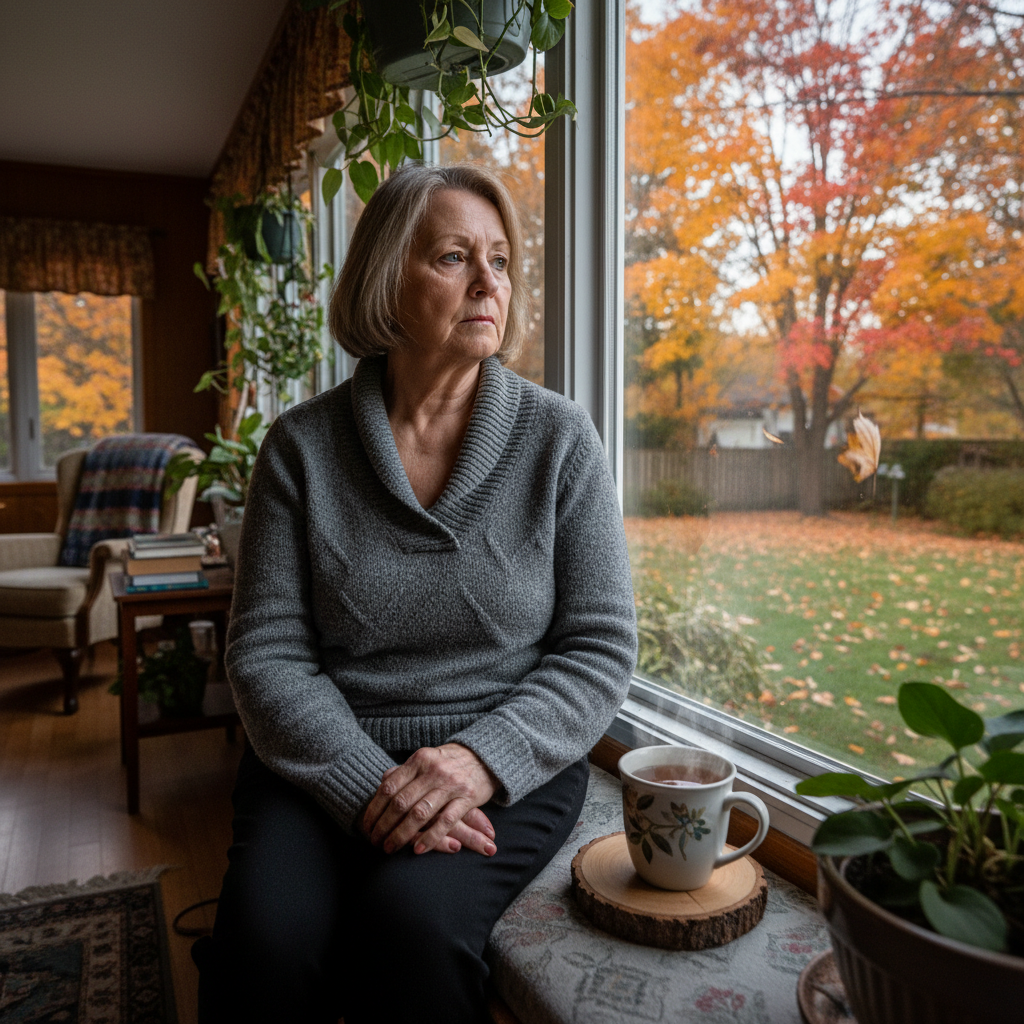
Breaking the Shame Barrier: Why Caregivers Don't Seek Help
Most caregivers don't pursue mental health support because:
Barrier 1: "I'm supposed to be strong"
Reality: Witnessing suffering is inherently traumatizing. Strength is seeking help, not enduring in silence.
Barrier 2: "It would be selfish to spend money on myself"
Reality: Your mental health directly affects the care quality you provide. Healing yourself IS caregiving.
Barrier 3: "I can't leave them to go to therapy"
Solution: Respite care (paid caregiver) for 1–2 hours during your therapy sessions. A reverse mortgage can fund this.
Barrier 4: "Therapy is too expensive"
Solution: A reverse mortgage provides tax-free funds specifically for this purpose. Mental health is health care.
Barrier 5: "I don't have time to 'process feelings'"
Reality: Your untreated trauma leaks out as irritability, depression, and physical illness. Therapy saves time long-term.
Choosing the Right Therapy Approach
Ask yourself:
- Am I experiencing intrusive memories or nightmares? → EMDR
- Am I struggling with grief and identity loss? → Individual psychotherapy
- Do I need to hear I'm not alone? → Support groups
- Am I overwhelmed and need intensive reset? → Retreat program
- Do I have multiple trauma responses? → Combination approach
Start with a consultation: Many therapists offer free 15–30 minute consultations to determine if you're a good fit.
| Therapy Option | Cost per Session | Typical Total Investment |
|---|---|---|
| Individual psychotherapy | $150–$300 | $3,600–$14,400/year |
| EMDR | $200–$350 | $1,600–$4,200 (8–12 sessions) |
| Trauma-Focused CBT | $150–$250 | $1,800–$4,000 (12–16 sessions) |
| Support groups | Free–$20 | $0–$240/year |
| Intensive retreat programs | N/A | $4,000–$10,000/year |

Affording It: Reverse Mortgage + Government Benefits
A reverse mortgage for caregiver therapy can be layered with:
Government Coverage (Partial)
- Ontario Health (OHIP): Limited; usually only crisis counseling
- Workplace benefits: If you or your spouse still work, some plans cover therapy
- Veterans benefits: If you're a military veteran, more coverage available
Non-Profit Organizations (Free–$50/session)
- Caregiver Ontario: Support groups and resources
- CCAC (Community Care Access Centre): Connects caregivers with programs
- Distress centers: Crisis counseling, low-cost therapy referrals
Reverse Mortgage Strategy
- Draw amount: $10,000–$20,000 for 6–12 months of therapy
- Cost at 6% interest: $600–$1,200/year in interest
- Benefit: Your mental health, which enables you to continue caregiving safely
When to Stop Caregiving and Seek Care Placement
Therapy is powerful, but it's not a substitute for professional care when caregiving is unsustainable.
Signs it's time to transition to care facility:
- You're experiencing suicidal thoughts or severe depression
- You're unable to provide safe care (medication errors, neglect)
- Physical violence toward your loved one or yourself
- You're isolating completely despite therapy
- Your own medical conditions are deteriorating seriously
- You've tried respite care and still can't recover
In these cases, reverse mortgage funds can help with:
- Care facility placement costs (deposits, moving expenses)
- Ongoing visits and involvement (visiting costs, activities)
- Guilt-related therapy during the transition
Placing your loved one in care is not failure. It's recognizing that professional care is what's needed—and freeing you to heal.
Key Takeaways
- In Ontario, an estimated 30% of unpaid family caregivers report symptoms consistent with PTSD, and 40% report depression or anxiety.
- Reverse mortgages require all homeowners on title to be 55 or older, and typically unlock 15%–59% of appraised home value with no monthly payments.
- A $10,000–$20,000 reverse mortgage draw can fund 6–12 months of therapy, with interest costs around $600–$1,200/year at roughly 6% interest.
- EMDR therapy is often the fastest-acting option for trauma symptoms like intrusive memories and nightmares, typically resolving in 8–12 sessions ($1,600–$4,200 total).
- Reverse mortgage proceeds are tax-free loan advances, so funding your own therapy does not create taxable income or affect OAS, GIS, or CPP.
- The loan is only repaid when the home is sold, the last borrower passes away, or the home is permanently vacated—so there's no repayment pressure while you're actively caregiving and healing.
Frequently Asked Questions
Is it selfish to use my home equity for my own therapy instead of my loved one's care?
No. Your mental health directly affects the quality and sustainability of the care you provide. Untreated caregiver trauma often leads to burnout, health decline, or a full caregiving breakdown, which harms everyone involved. Funding your own recovery is a form of caregiving, not a departure from it.
Will a reverse mortgage for therapy affect my OAS, GIS, or CPP benefits?
No. Reverse mortgage funds are a loan, not income, so they are tax-free and do not count against OAS, GIS, or CPP eligibility. This makes it possible to invest in your mental health without risking other retirement income.
How much does a reverse mortgage typically cost if I draw funds for therapy?
At a typical interest rate of around 6%, a $10,000–$20,000 draw for therapy costs roughly $600–$1,200 per year in interest, with no monthly payments required. The balance is added to the loan and repaid later from the home's equity.
What if I can't leave my loved one alone to attend therapy sessions?
Many caregivers use a portion of their reverse mortgage draw to fund respite care—paid coverage for a few hours a week—specifically so they can attend therapy sessions without leaving their loved one unsupervised.
Do I need good credit or provable income to access reverse mortgage funds for therapy?
No. Approval is based on your age (55 or older for all title holders), your home's appraised value, and your equity—not your income or credit score. This makes reverse mortgage funding accessible even for caregivers with limited or irregular income.
What happens to the reverse mortgage if my loved one eventually moves into a care facility?
The reverse mortgage stays in place as long as you remain living in the home. It only becomes due when the home is sold, the last remaining borrower passes away, or the home is permanently vacated, so a change in your loved one's care setting doesn't automatically trigger repayment.
Your Wellbeing Matters: Permission to Prioritize
If you're a caregiver reading this, hear this: Your mental health is not a luxury. It's a necessity.
You cannot pour from an empty cup. You cannot provide compassionate care while traumatized. You cannot support your loved one while you're falling apart.
Funding your own therapy with a reverse mortgage isn't selfish—it's the most important investment you can make in both your life and your loved one's wellbeing.
You deserve to heal.
Ontario Mental Health Resources:
- Crisis line: 1-833-456-4566 (24/7)
- Caregiver Ontario: caregiverontario.ca
- Therapy search: Find therapist Ontario (findatherapist.ca)
- Support groups: Caregiver support groups available at ccac.on.ca
Ready to Learn More?
Find out exactly how much you could unlock from your home — free and no obligation.
Related Articles
Reverse Mortgage for Home EV Charging and Smart Utility Grid Upgrade: Modernizing Your Ontario Home
Fund electrical panel upgrades, EV charger installation, and smart meter readiness for aging in place with a reverse mortgage in Ontario.
Read →Reverse Mortgage Before Industrial Rezoning: Securing Equity When Your Neighborhood Changes
Protect your home equity with a reverse mortgage before industrial rezoning or commercial development reduces your property value in Ontario.
Read →Reverse Mortgage for Multilingual Household Caregiving: Language Support and Cognitive Decline Management
Fund bilingual caregivers, professional interpreters, and language-specific cognitive assessment for aging parents in Ontario multilingual homes.
Read →