
Reverse Mortgage for Accessible Short-Term Rental Conversion: Aging in Place Plus Income Generation
Fund home conversion to accessible short-term rental with a reverse mortgage. Generate income while aging in place in your Ontario home.
Would you like to generate retirement income from your home while maintaining your own accessible living space? A reverse mortgage can fund conversion of part of your home to accessible short-term rental, creating stable income that supports aging in place without downsizing.
Many Ontario homeowners have excess space suitable for short-term rental income but lack capital for conversion: updating guest spaces to rental standards, adding separate entrances, upgrading bathrooms for accessibility, installing independent climate control. A reverse mortgage funds these conversions, creating income streams that supplement retirement while letting you remain in your home with the accessibility modifications you need for comfortable aging.
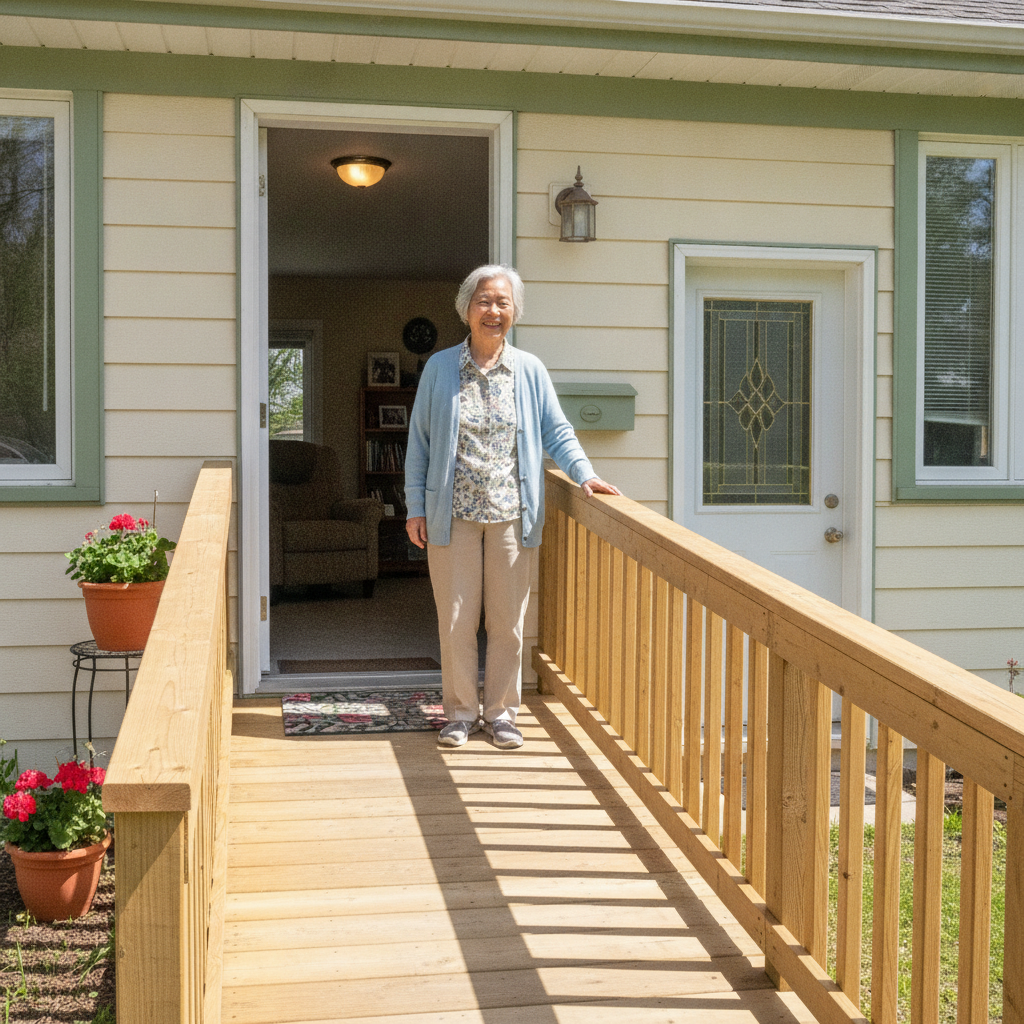
Understanding Short-Term Rental Economics for Aging Homeowners
Short-term rental income (through Airbnb, VRBO, and similar platforms) averages $2,000-$4,000 monthly for accessible spaces in Ontario. Unlike long-term renting, short-term rentals command premium rates because they serve travelers, business visitors, and families seeking home environments. Accessible spaces attract even higher premium rates—parents traveling with disabled children, elderly visiting family members, and mobility-conscious travelers specifically seek accessible properties.
According to Airbnb Canada, accessible property listings achieve 12-15% higher nightly rates than comparable standard properties. In Ontario's tourism markets (Toronto, Ottawa, Niagara), accessible short-term rentals average $150-$250 nightly versus $100-$150 for standard rentals.
Creating Accessible Short-Term Rental Spaces
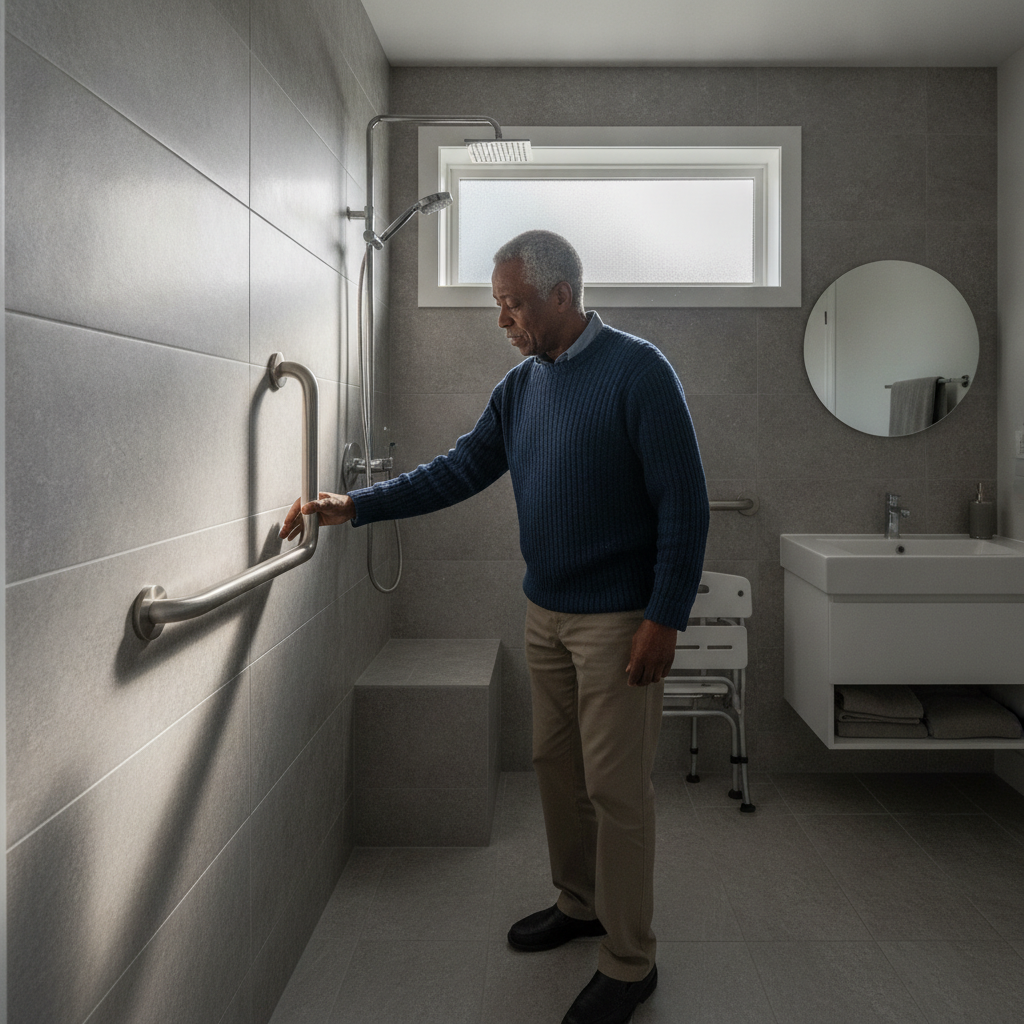
Key Accessibility Features for Rental Income
- Wheelchair-accessible entry and pathways
- Accessible bedroom with transfer-friendly bed configuration
- Fully accessible bathroom with roll-in shower, grab bars, accessible sinks
- Accessible kitchen with lowered counters and appliances
- Accessible parking or easy entry from vehicle
- Clear wayfinding and lighting
- Climate-controlled comfort across seasons
These same modifications support your aging in place—creating a home that works for you while generating income from guest stays.
Income Generation Models
| Model | Typical Setup | Monthly Income | Maintenance |
|---|---|---|---|
| Bedroom rental | 1-2 guest bedrooms, shared common areas | $1,500-$2,500 | Low-moderate |
| Suite rental | Separate accessible suite with entrance, bathroom, kitchenette | $2,500-$4,000 | Moderate |
| Full home rental | List entire home for short-term guests while you travel or stay elsewhere | $3,000-$6,000 | Moderate-high |
| Accessory rental | Converted garage, basement suite, garden building | $1,500-$3,000 | Low-moderate |
According to Statistics Canada, short-term rental income has become significant retirement supplementation—averaging $18,000-$30,000 annually in Ontario urban markets. This income, combined with CPP and OAS, enables sustainable aging in place without downsizing.
Reverse Mortgage Funding for Rental Conversion
Typical Conversion Costs
| Conversion Element | Cost Range |
|---|---|
| Accessibility audit and design | $1,000-$2,500 |
| Bathroom accessibility upgrades | $3,000-$8,000 |
| Bedroom accessibility modifications | $2,000-$5,000 |
| Separate entrance and entry systems | $2,000-$6,000 |
| Kitchen accessibility (if applicable) | $2,000-$5,000 |
| Climate control and utilities separation | $2,000-$4,000 |
| Guest-use furnishings and linens | $2,000-$4,000 |
| Liability insurance and legal setup | $500-$1,500 |
| Professional photography/listing creation | $300-$800 |
| **Total conversion investment | $15,000-$40,000 |
With monthly income of $2,000-$3,500, this investment recovers within 4-6 years while you age in place with modifications supporting your independence.
Why Short-Term Rental Income Supports Aging in Place
The modifications supporting short-term rental income (accessible bathrooms, accessible entries, independent climate control, clear lighting, accessible kitchen design) are often identical to modifications aging homeowners need for continued independence. Your reverse mortgage funds improvements that simultaneously serve guests and support your aging, creating income while providing the accessibility modifications you'd fund anyway.
Many Ontario seniors find this model ideal: the home modifications improve their daily life while income supplements retirement.
Key Steps to Launch Accessible Short-Term Rental
✓ Assess space suitable for short-term rental (separate entrance ideal, not required)
✓ Get professional accessibility assessment; design space for both guests and your needs
✓ Get reverse mortgage to fund conversion work
✓ Research Ontario short-term rental regulations (Toronto has specific rules; Ottawa differs)
✓ Set up liability insurance (critical for rental operations)
✓ List on Airbnb/VRBO with detailed accessibility descriptions
✓ Start conservatively (one room/season) to learn operations before expanding
✗ Don't skip accessibility design; accessible properties command 15% higher rates
✗ Don't avoid liability insurance; property damage liability is essential
✗ Don't misrepresent accessibility features in listings; guests expect what you describe
Quick Reference
| Aspect | Key Point |
|---|---|
| Primary funding need | Conversion to accessible standards: $15,000-$40,000 |
| Expected monthly income | $2,000-$3,500 from short-term rental |
| Payback period | 4-6 years; income flows throughout |
| Tax implications | Rental income is taxable; consult accountant about deductions |
| Best timing | When you want aging-in-place accessibility AND income supplementation |
| Persona fit | Aging in Place + Debt Relief: accessibility modifications + supplemental income |
Frequently Asked Questions
Is short-term rental income taxable?
Yes. Rental income is fully taxable at your marginal tax rate. However, you can deduct operating expenses: property tax, insurance, utilities, maintenance, supplies. Consult an accountant to maximize deductions.
What if my Ontario municipality restricts short-term rentals?
Toronto has specific rules limiting short-term rentals; Ottawa, Hamilton, and other municipalities have different regulations. Research your specific municipality before listing. Many restrictions apply primarily to full-home rentals—room rentals are often permitted.
Can I run short-term rental while managing mobility or health challenges?
Yes, especially with planning. Many hosts coordinate with property managers handling day-to-day operations. If health challenges limit hands-on management, hire cleaning, maintenance, and guest coordination services. Income still exceeds management costs significantly.
What if guests damage my property?
Liability insurance covers guest damage. Airbnb also provides host protection policies. Proper insurance is essential—never operate short-term rental without it. Insurance costs typically $100-$200 monthly but protect your investment completely.
Ready to Generate Retirement Income While Aging in Place?
Short-term rental conversion creates a win-win: your home gains accessibility modifications supporting your aging while generating supplemental retirement income. A reverse mortgage funds the conversion, creating ongoing income that strengthens your retirement security for decades.
Ready to Learn More?
Find out exactly how much you could unlock from your home — free and no obligation.
Related Articles
Reverse Mortgage for Rental Income: Funding Airbnb, Room Rentals, and Property Management
Use a reverse mortgage to fund home renovations, property management, and rental setup for Airbnb or room rental income. Ontario strategy for monetizing home equity in retirement.
Read →Aging in Place with a Reverse Mortgage: Home Modification Guide
How Ontario seniors can fund aging-in-place home modifications with a reverse mortgage — costs, top modifications, grants, and a complete planning guide.
Read →Reverse Mortgage for DEI Consulting Practice: Launching Diversity, Equity, and Inclusion Consulting in Retirement
Start a diversity and inclusion consulting practice. Help corporations and nonprofits build equitable cultures; reverse mortgage funds training, business setup, and market entry.
Read →