
Reverse Mortgage to Fund Your Own Sabbatical: Step Back From Caregiving and Reconnect With Yourself
Fund a 6-month to 1-year caregiving sabbatical to recover from burnout. Step back, heal, and return as a stronger caregiver—without financial guilt.
You've been your aging parent's primary caregiver for 5 years. You've missed vacations, friendships, and your own health needs. You're burned out—mentally, physically, emotionally—but leaving feels impossible. A reverse mortgage can fund a paid sabbatical from caregiving, allowing you to step back temporarily, heal, and return as a stronger caregiver (or decide caregiving isn't sustainable long-term).
The Caregiver Burnout Crisis in Ontario
According to Statistics Canada, 8.3 million Canadian adults serve as unpaid family caregivers. Among those caring for aging parents or spouses, 40% report severe burnout, with symptoms including depression, anxiety, chronic pain, and compromised immune function. Ontario's caregiver support programs offer respite care (temporary relief), but few support true sabbaticals—extended breaks for caregiver recovery.
The cost of caregiver burnout is staggering: Burnout-related health crises, therapy, hospitalization, and lost work income often exceed the cost of hiring professional care for the respite period. Yet many caregivers endure years of suffering because they can't afford to step back—even temporarily.
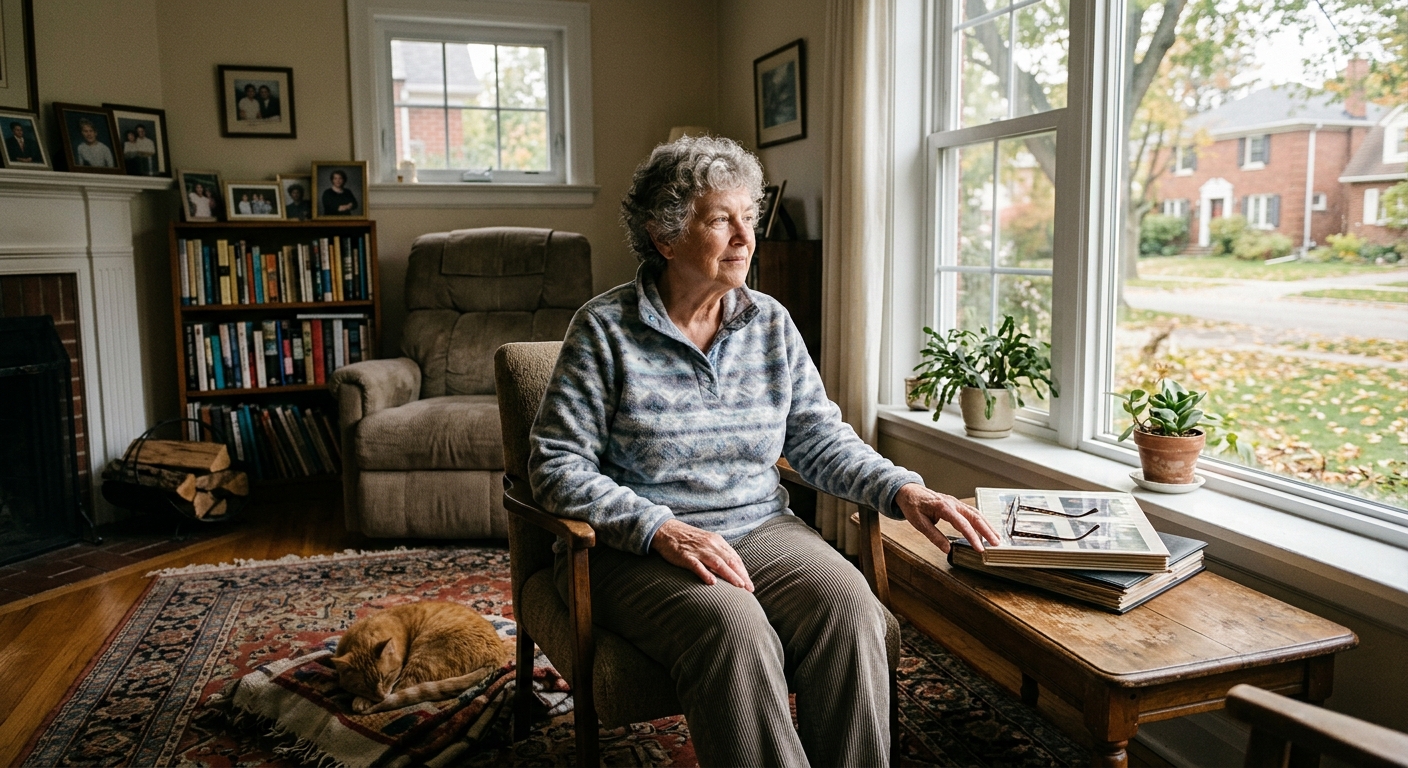
The Caregiver Sabbatical Model
A caregiver sabbatical typically lasts 3–12 months. During this period:
- Professional caregivers assume primary responsibility for your aging parent/spouse
- You receive income replacement or living expense support
- Professional support (therapist, life coach, physician) helps you address burnout
- Clear endpoint: You either return to caregiving (usually in a reduced capacity) or transition to professional care full-time
This is NOT abandoning your parent. It's a strategic reset that often extends your capacity to provide quality care by years.
Financial Model: Sabbatical Funding
| Expense Category | Monthly Cost | 6-Month Sabbatical | 12-Month Sabbatical |
|---|---|---|---|
| Professional in-home caregiver (40 hrs/week) | $3,000–$5,000 | $18,000–$30,000 | $36,000–$60,000 |
| Your personal living expenses | $2,000–$3,500 | $12,000–$21,000 | $24,000–$42,000 |
| Therapy/mental health support for you | $300–$500 | $1,800–$3,000 | $3,600–$6,000 |
| Travel/retreat/healing activities (optional) | $500–$2,000 | $3,000–$12,000 | $6,000–$24,000 |
| Total needed | $5,800–$11,000 | $34,800–$66,000 | $69,600–$132,000 |
Without a reverse mortgage, most caregivers cannot afford this sabbatical. With a reverse mortgage line of credit, it becomes financially possible.
How a Reverse Mortgage Supports Your Sabbatical
A reverse mortgage provides:
- No monthly payments during sabbatical — Funds your personal living expenses without adding debt stress
- Flexibility in draws — Access funds monthly, ensuring consistent cash flow during your break
- Lower interest rates — Typically 6.5–7.5%, compared to personal loans (8–12%) or credit cards (19.99%)
- Reduces guilt about your parent's costs — You're not "burdening" your child; you're using your own home equity to fund necessary care
Financial comparison:
| Funding Option | Cost Structure | Monthly Payment | Impact on Mental Health During Sabbatical |
|---|---|---|---|
| Reverse mortgage line of credit | Interest accrues; no payment obligation | $0 | Guilt-free, focused recovery |
| Personal loan | Principal + interest payments required | $600–$1,200 | Financial stress undermines recovery |
| Credit card | 19.99% APR | Minimum $500–$1,500 | Anxiety about debt spirals |
| Using savings | Depletes emergency reserves | Guilt about "using" retirement savings | Shame-driven recovery (ineffective) |
According to FCAC research, caregiver burnout funded through high-interest debt often worsens—the debt stress prevents actual mental recovery.
Structuring Your Sabbatical for Maximum Healing
A strategic sabbatical includes more than just time off:
| Sabbatical Component | Duration | Cost | Healing Impact |
|---|---|---|---|
| Decompression phase | Weeks 1–4 | Rest, medical checkup, medication adjustment | Recognize physical exhaustion |
| Professional assessment | Weeks 5–8 | Therapist, life coach consultations | Identify burnout root causes |
| Active recovery | Weeks 9–20 | Therapy sessions, wellness activities, social reconnection | Address depression, anxiety, isolation |
| Decision point | Week 21 | Career counseling, caregiver reassessment | Decide: return part-time, transition to professional care, or restructure family support |
| Transition phase | Weeks 22–26 | Gradual reintroduction to caregiving or professional care handoff | Sustainable new arrangement |
This structure isn't vacation—it's targeted healing with measurable outcomes.
What Happens When You Return (Or Choose Not To)
After your sabbatical, three pathways typically emerge:
- Return as part-time caregiver (50% of previous responsibility, with professional care covering the rest)
- Transition aging parent to full-time professional care (moving to assisted living, hiring 24/7 caregivers, or facility-based care)
- Restructure family caregiving (siblings share responsibility; adult child takes primary role; caregiving becomes shared task rather than solo burden)
A well-funded sabbatical gives you the mental clarity to make this decision from a place of health, not desperation.

Key Takeaways
- 8.3 million Canadian family caregivers; 40% experience severe burnout with depression, anxiety, and health crises
- Caregiver burnout-related health costs and lost income often exceed the cost of a professional sabbatical ($35,000–$132,000 for 6–12 months)
- Reverse mortgage line of credit ($50,000–$100,000) funds professional caregiving during your break without monthly payment pressure
- Strategic sabbaticals (with therapy, wellness, and decision-making) extend caregiver capacity by years or facilitate transitions to sustainable arrangements
- FCAC research shows high-interest debt funding caregiving breaks actually worsens burnout; reverse mortgages provide guilt-free healing space
You Deserve to Heal
Your aging parent needs a healthy, present caregiver—not a burned-out martyr. A sabbatical isn't selfish; it's essential maintenance that allows you to continue showing up for your family.
Frequently Asked Questions
Will my aging parent feel abandoned or hurt if I take a sabbatical?
Possibly, initially. However, honest conversation prevents abandonment feelings. Frame it as: "I need 6 months to recover from burnout so I can be a better caregiver to you. Professional caregivers will provide excellent care while I heal." Most aging parents, when they understand the alternative (you collapsing from exhaustion), accept professional care during your sabbatical. Additionally, you can maintain regular visits and connection while the professional caregiver handles daily tasks.
Can I use a reverse mortgage sabbatical while my parent is still on a long-term care wait list?
Yes. In fact, a sabbatical often accelerates LTC placement. If your parent is on a 12–18 month wait list, using a professional caregiver during your sabbatical extends your capacity to support them at home while waiting. When LTC opens, you're more mentally prepared for the transition. Alternatively, your sabbatical clarity might reveal that LTC transition is necessary—and you'll make that decision from health, not crisis.
What if I realize during my sabbatical that I don't want to return to caregiving?
That's valuable data. Many caregivers discover during sabbatical that they've been providing care they never chose, out of guilt or obligation. A reverse mortgage sabbatical allows you to make an informed decision: You can transition aging parent to professional/residential care guilt-free, knowing you gave caregiving your absolute best for years. This isn't failure—it's honoring your own wellbeing and your parent's need for sustainable, quality care.
Will a reverse mortgage for my sabbatical affect my aging parent's government benefits?
No. The reverse mortgage is your loan against your home. Your parent's benefits (CPP, OAS, GIS, ODSP) are based on their assets and income, not your borrowing. However, consult a benefits specialist if your parent has means-tested benefits like GIS to confirm how professional care costs (covered by your reverse mortgage) are treated.
How do I talk to my siblings or family about funding a sabbatical with a reverse mortgage?
Lead with honesty: "I've reached caregiver burnout and need to step back for 6 months. I'm using my home equity to fund professional caregiving during that time. I'm not asking for contributions—this is my decision and my financial responsibility." Most family members respect this honesty. Some might offer to help. Either way, you've clarified that your health is non-negotiable. Additionally, your sabbatical often opens conversations about shared caregiver responsibility that siblings avoid when one person is bearing the full burden.
What if my aging parent's health deteriorates during my sabbatical and they need me?
Professional caregivers are trained for health changes. Your contract with caregivers should include provisions for escalated care, hospital coordination, and emergency communication. You'll receive regular updates and can be present for medical decisions without resuming full caregiving responsibility. However, if a genuine crisis occurs (parent requires hospitalization, significant cognitive decline), you'll return early from sabbatical while maintaining professional care support to prevent re-burnout. Your sabbatical isn't absolute—it's a healing break, not abandonment.
Your burnout is real. Your need for a break is legitimate. A reverse mortgage can make your healing possible. Contact Rick Sekhon Reverse Mortgages to explore how to fund a caregiver sabbatical that restores your health and strengthens your family's long-term caregiving sustainability.
Ready to Learn More?
Find out exactly how much you could unlock from your home — free and no obligation.
Related Articles
When Undiagnosed Mental Health Complicates Reverse Mortgage Planning
Protecting your reverse mortgage decision when aging parent or adult child shows signs of undiagnosed depression, anxiety, or personality disorders affecting judgment.
Read →Reverse Mortgage to Fund Your Own Mental Health After Caregiving Crisis
Caregiver burnout and trauma are real. A reverse mortgage funds the therapy, respite time, and recovery you need to heal after years of caregiving.
Read →Reverse Mortgage When Adult Child Has Episodic Disability: Planning for Unpredictable Care Cycles
Fund variable care support for adult child's cyclical disability. Reverse mortgage for bipolar disorder, migraine clusters, fibromyalgia flares, and other episodic conditions.
Read →