
Reverse Mortgage for Property Boundary Disputes: Resolving Neighbor Legal Conflicts
How reverse mortgages can fund legal costs for resolving property line disputes and neighbor conflicts in Ontario. Complete guide for homeowners 55+.
What happens when your neighbor disputes your property boundary and you need expensive legal counsel to resolve it? Many Ontario homeowners discover that decades-long assumptions about their lot line are suddenly contested—triggering surveying costs, lawyer fees, and mediation expenses that can easily reach $15,000–$50,000. A reverse mortgage can provide the immediate liquidity to defend your property rights without selling your home or liquidating retirement savings.
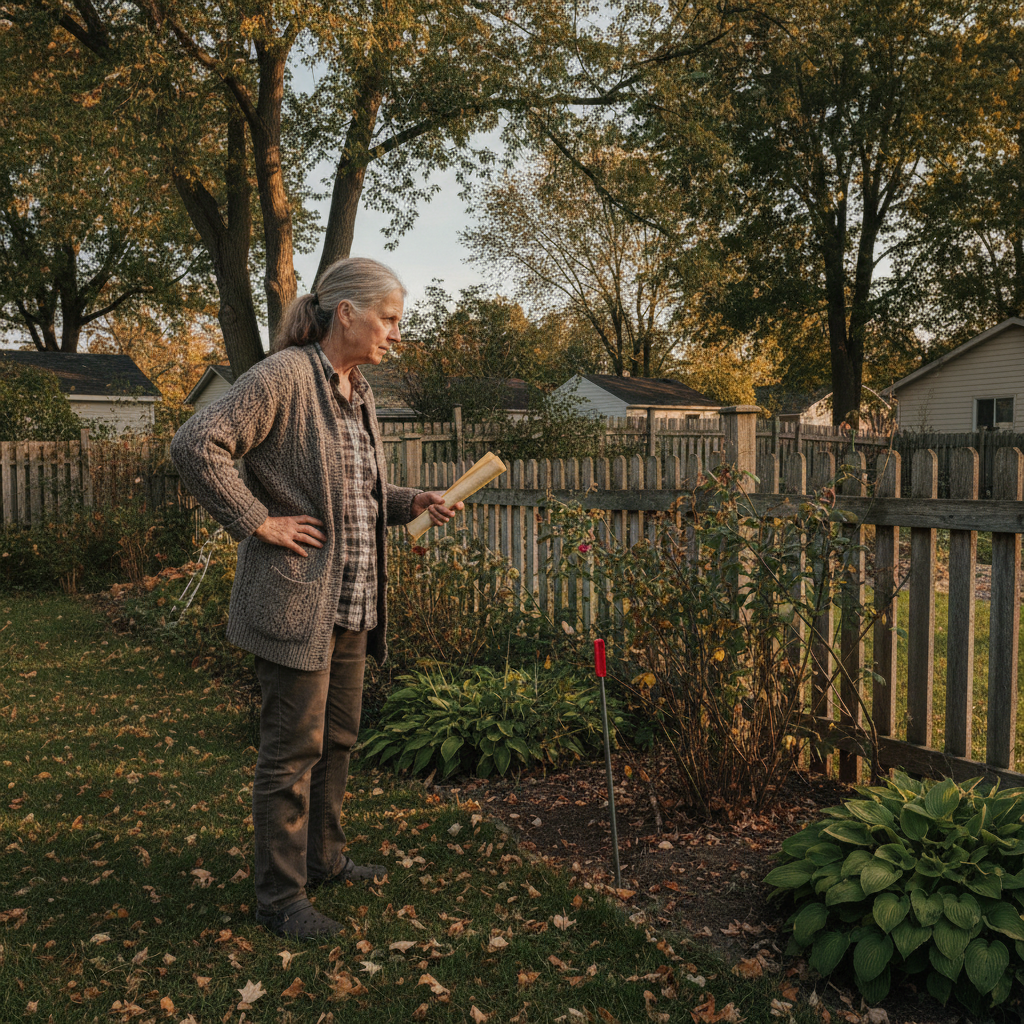
Understanding Property Boundary Disputes in Ontario
Property boundary disputes occur when neighboring property owners disagree about the exact location of the property line between their homes. A boundary dispute is a civil matter requiring legal intervention, surveying, and sometimes mediation or litigation to resolve the dispute and establish legal rights over the contested land.
In Ontario, boundary disputes are surprisingly common because:
- Older properties were surveyed using outdated methods that don't match modern GPS accuracy
- Original survey documents are lost, unclear, or inconsistent with current deeds
- Decades of fence placement, landscaping, or building placement create assumptions that contradict the legal boundary
- Subsequent owners are unaware of historic disputes and unknowingly violate neighbor agreements
The costs escalate quickly because resolving a boundary dispute involves multiple professionals:
| Cost Component | Low Estimate | High Estimate |
|---|---|---|
| Professional land survey (Ontario) | $2,500 | $6,000 |
| Real estate lawyer consultation | $3,000 | $10,000 |
| Mediation services (if needed) | $2,000 | $5,000 |
| Expert witness testimony | $5,000 | $15,000 |
| Litigation costs (if court proceeding) | $10,000+ | $50,000+ |
For homeowners on fixed retirement income, these costs are impossible to cover without selling the home or depleting savings meant for healthcare and living expenses.

How Reverse Mortgages Fund Boundary Dispute Legal Costs
A reverse mortgage provides immediate access to your home's equity, allowing you to hire the legal experts needed to defend your property rights without delaying due to cash flow constraints. Unlike a home equity line of credit (HELOC), which requires monthly payments that burden a fixed retirement budget, a reverse mortgage is non-recourse and doesn't require repayment until you sell, move, or pass away.
This makes reverse mortgages particularly suited to boundary dispute funding because:
- Immediate liquidity. You can access funds within 2–4 weeks to pay for upfront surveying and legal consultations
- No monthly payments. Your fixed retirement income remains intact; interest compounds but isn't deducted monthly
- Full homeownership. You remain the title holder and decision-maker throughout the dispute resolution process
- Flexible draw strategy. Draw funds as invoices arrive rather than borrowing a lump sum upfront
According to the Financial Consumer Agency of Canada (FCAC), reverse mortgages are a legitimate tool for accessing home equity in retirement. They are particularly suitable for one-time, non-recurring expenses like legal costs—as opposed to ongoing care costs that might be better served by a line of credit.
Steps to Resolve a Property Boundary Dispute
Understanding the typical resolution process helps you budget for reverse mortgage draws and plan your legal strategy:
Step 1: Obtain a Professional Land Survey
The first step is always a current survey by a licensed Ontario land surveyor. This establishes the legal boundary according to current standards and the original deed. Surveying costs $2,500–$6,000 depending on property size and lot shape.
Step 2: Consult a Real Estate Lawyer
A lawyer specializing in property disputes will review your deed, the neighbor's deed, historical surveys, and any agreements on file. They'll advise whether your position is defensible and recommend the next steps. Initial consultation: $500–$1,500. Full engagement: $3,000–$10,000+.
Step 3: Attempt Mediation (Often Required)
Many Ontario courts now require parties to attempt mediation before litigation. A professional mediator facilitates negotiation to reach a boundary agreement or settlement. Mediation costs $2,000–$5,000 and often prevents costly litigation.
Step 4: Litigation (If Necessary)
If mediation fails, you may need to go to court to establish the true boundary. This involves expert testimony, cross-examination, and a judge's ruling. Litigation costs $10,000–$50,000+ depending on complexity and length of proceedings.

Persona Fit: Debt Relief and Property Protection
Property boundary disputes primarily affect the Debt Relief persona—homeowners seeking to protect their asset (the home and land) while avoiding forced asset sales. They also fit Aging in Place when the dispute threatens to force relocation or limit accessibility modifications.
Using a reverse mortgage for boundary dispute resolution allows you to:
- Stay in your home while resolving the legal matter
- Protect the full value of your property by establishing clear legal ownership
- Avoid selling at a disadvantage while stressed about the dispute
- Maintain your retirement budget without emergency debt
Comparing Boundary Dispute Funding Options
| Funding Option | Upfront Costs | Monthly Payment | Timeline | Homeownership Impact |
|---|---|---|---|---|
| Reverse Mortgage | Modest origination (~$3K) | $0/month | 2–4 weeks | Full ownership retained |
| HELOC | Lower origination (~$1.5K) | Yes, based on draws | 1–2 weeks | Full ownership retained |
| Personal Loan | Modest origination (~$500) | Yes, high rate | 1 week | No home impact |
| Sell Home / Move | $0 origination | N/A | 3–6 months | Lose property |
| Borrow from Family | $0 | Informal | 1–2 weeks | Risk family tension |
For retirees on fixed income, the reverse mortgage's zero-payment structure makes it the most suitable option—HELOC payments would strain your monthly budget, while a personal loan carries high interest rates that compound the cost.
Key Takeaways
✓ Property boundary disputes in Ontario cost $15,000–$50,000+ to resolve legally — surveying, lawyer fees, mediation, and potential litigation all add up quickly
✓ A reverse mortgage provides immediate, interest-free access to funds — you pay no monthly payments, only interest on borrowed amounts (compounded at maturity)
✓ Rick Sekhon Reverse Mortgages specializes in funding legal expenses — speak with them about accessing your equity to protect your property rights
✓ Mediation is often required before litigation — budgeting $2,000–$5,000 for mediation can prevent $40,000+ in court costs
✓ CHIP and HomeEquity Bank both offer reverse mortgages for one-time legal expenses like boundary disputes
Important Considerations
Before drawing a reverse mortgage for boundary dispute legal costs, clarify these points with your lawyer:
- Is the dispute likely to be resolved by mediation, or will litigation be necessary? This determines your total budget.
- What is your legal position? If your surveyor's findings clearly support your boundary, you're in a stronger negotiating position for mediation.
- Is homeowners' insurance relevant? Some disputes arise from neighbor encroachments (fence, deck) that may involve insurance claims.
- What is the settlement range? Your lawyer can estimate the cost to win, the cost to settle, and the risk of losing.
Frequently Asked Questions
Can a reverse mortgage cover ongoing legal costs if the dispute goes to litigation?
Yes. You can draw additional funds at any time during the reverse mortgage term. Structure your initial draw to cover pre-litigation costs (survey, mediation), then draw again if litigation becomes necessary. Rick Sekhon Reverse Mortgages can help you set up a flexible line of credit structure.
Will a property boundary dispute affect my home's appraisal for a reverse mortgage?
No. The reverse mortgage appraisal is based on your home's current market value. An unresolved dispute may slightly reduce value (as it creates a legal cloud), but the appraisal process is separate from the dispute resolution. Resolving the dispute will likely improve your home's value.
What if my neighbor also gets a lawyer and litigation becomes expensive for both of us?
This is common. Your lawyer can propose a "split-the-difference" settlement where both parties agree to a boundary midway between disputed positions, with each paying their own legal costs. This avoids the 50/50 risk of litigation where the loser pays significantly more.
Can I use a reverse mortgage to fund my neighbor's legal costs as part of a settlement?
Generally no—a reverse mortgage funds your own borrowing, not third-party costs. However, you could offer to "gift" a settlement amount to your neighbor, then fund that gift through a reverse mortgage draw. Consult your lawyer on the settlement structure.
How long does a boundary dispute take to resolve?
Mediation typically takes 3–6 months. Litigation can take 12–24+ months depending on court scheduling and complexity. Plan your reverse mortgage draw timeline based on your lawyer's estimated resolution date.
Should I get a survey before applying for a reverse mortgage?
No. Apply for the reverse mortgage first, then use the funds to pay for the survey and legal consultation. This way, you've secured your borrowing power before incurring professional fees.
Facing a property boundary dispute? Access your home's equity to fund the legal defense of your rights. Get your free Ontario Reverse Mortgage Guide →
Ready to Learn More?
Find out exactly how much you could unlock from your home — free and no obligation.
Related Articles
Reverse Mortgage for Property Litigation and Legal Disputes: Protecting Your Home Investment
Boundary disputes, easement violations, or neighbor conflicts drain your savings. A reverse mortgage can fund legal defense without sacrificing retirement income.
Read →Reverse Mortgage for Protecting Your Home From Contractor Disputes and Mechanic Liens
A contractor dispute or mechanic lien can threaten your home's ownership. Learn how a reverse mortgage can protect your equity and resolve contractor claims.
Read →Reverse Mortgage for Settling Judgment Debts from Civil Lawsuits
How to use a reverse mortgage to settle civil judgment debts and wage garnishment risks. Ontario legal and financial strategy for aging homeowners.
Read →