
Reverse Mortgage for Property Litigation and Legal Disputes: Protecting Your Home Investment
Boundary disputes, easement violations, or neighbor conflicts drain your savings. A reverse mortgage can fund legal defense without sacrificing retirement income.
When Your Property Becomes a Legal Battleground
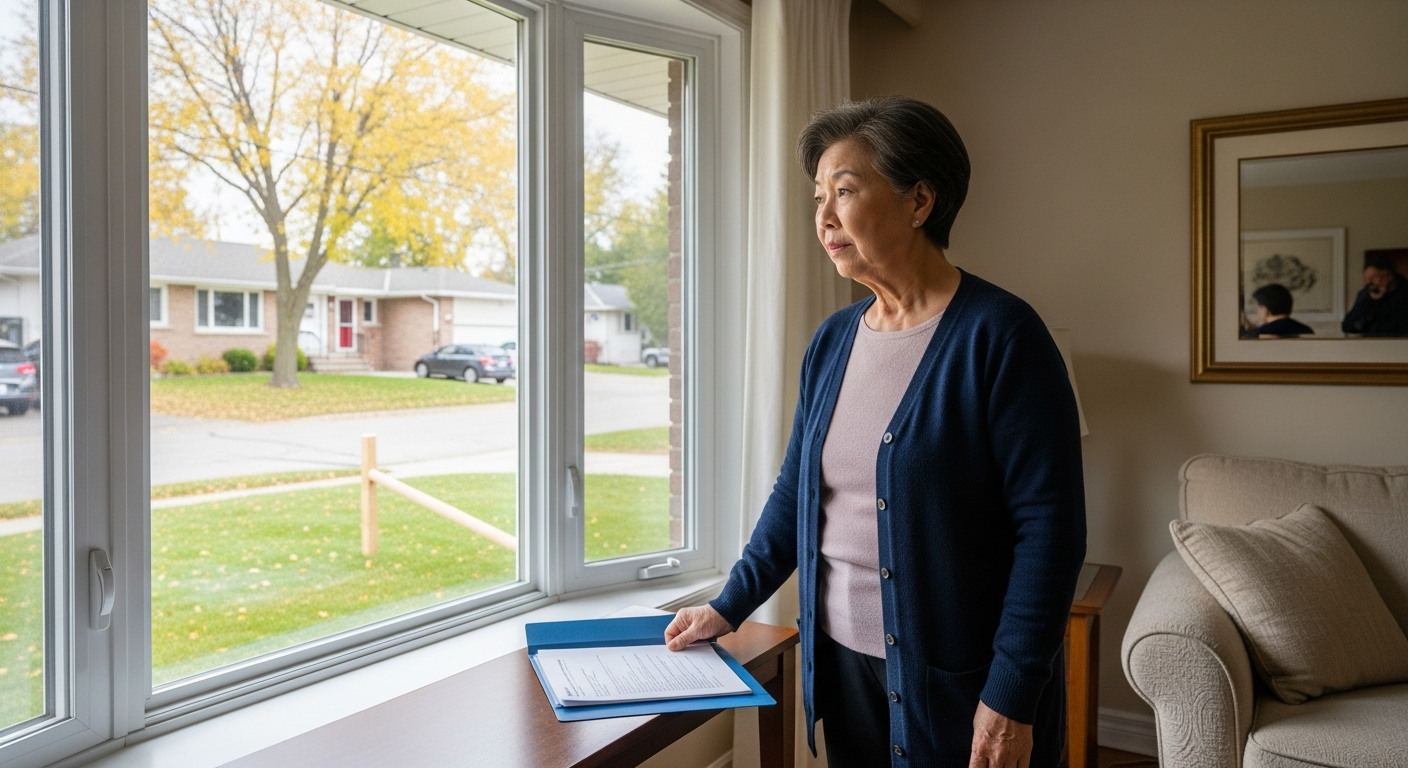
You've owned your Ontario home for 30 years. Recently, your neighbor installed a fence on what you believe is your property. Or they expanded their driveway onto your land. Or they claim an easement on your property that wasn't previously enforced.
You disagree. You know the property lines are clear in your deed. But now you're locked in a property dispute that could take months or years to resolve.
Legal costs for property litigation in Ontario are substantial:
- Lawyer consultation and initial assessment: $1,500-$3,000
- Property survey to establish boundaries: $2,000-$4,000
- Legal document preparation and discovery: $5,000-$10,000
- Court proceedings and trial: $10,000-$30,000+
- Total litigation cost: $18,000-$50,000+
For a retiree on CPP/OAS, these costs are impossible to absorb without devastating retirement income. Yet avoiding legal action means accepting the property loss or encroachment.
| Litigation Stage | Typical Ontario Cost |
|---|---|
| Lawyer consultation and assessment | $1,500-$3,000 |
| Property survey | $2,000-$4,000 |
| Legal document preparation and discovery | $5,000-$10,000 |
| Court proceedings and trial | $10,000-$30,000+ |
| Total litigation cost | $18,000-$50,000+ |
A reverse mortgage can fund your legal defense—ensuring your property rights are protected without financial catastrophe.
Types of Property Disputes in Ontario
Boundary Disputes:
- Neighbor's fence installed on your property
- Disagreement about where property line actually is
- Historical encroachments that are now formalized
- Recent surveys showing different lines than previous understanding
Easement Disputes:
- Neighbor claiming easement rights (right to cross your property)
- Utility easements being enforced in unexpected ways
- Old easements from previous owners being invoked
- Disagreement about scope and extent of easement
Trespass Issues:
- Neighbor using part of your property (driveway, yard space)
- Temporary construction projects on your land
- Persistent encroachments being claimed as historic rights
Restrictive Covenant Disputes:
- Old deed restrictions limiting your property use
- Enforcement of historical restrictions you didn't know about
- Disagreement about interpretation of property deed language
Environmental/Contamination:
- Neighbor's property contamination affecting your land
- Shared environmental liability
- Remediation cost disputes
Each type requires specialized legal expertise and can cost $15,000-$50,000+ to fully resolve.
The Real Cost of Not Fighting
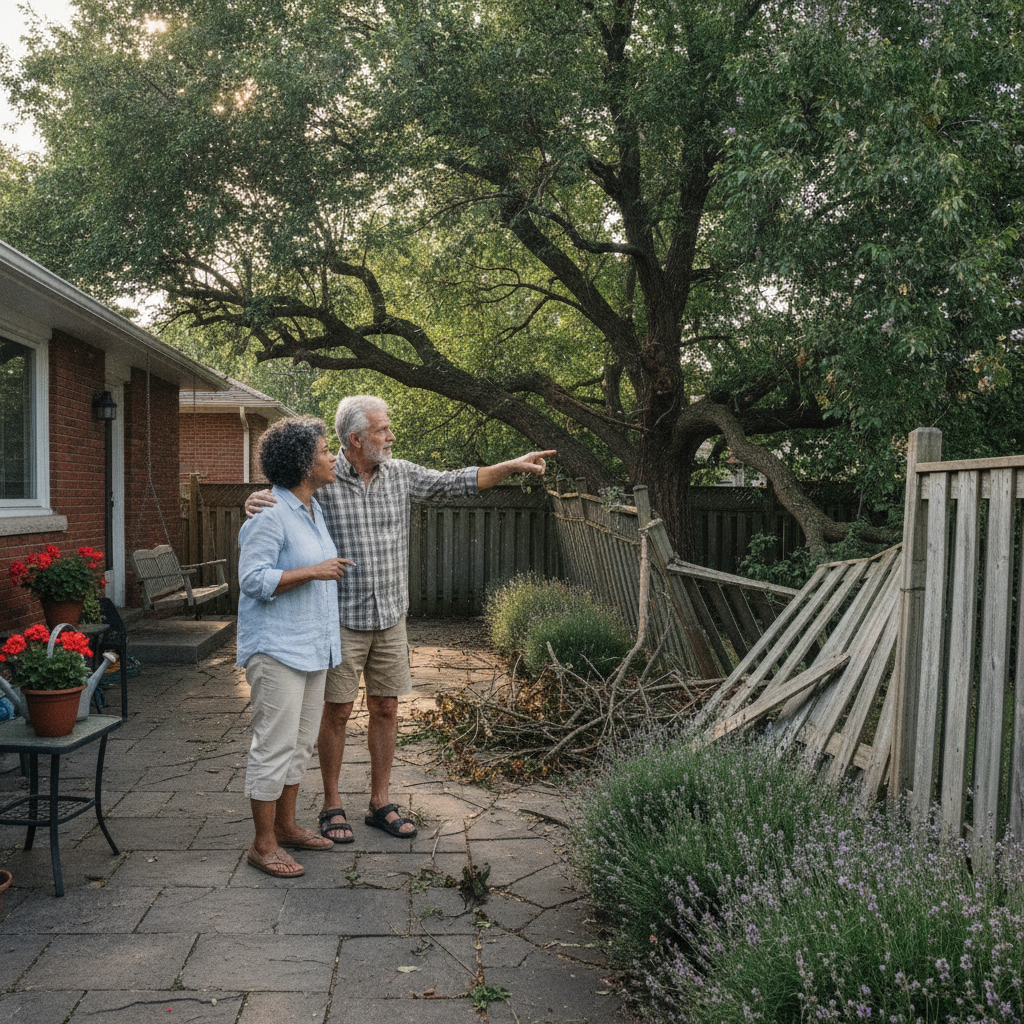
Scenario: Your neighbor's fence encroaches 18 inches onto your property. The fence cost them $5,000. You know it's on your land, but the lawyer says:
- Property survey: $3,000
- Legal action: $15,000-$25,000
- Total: $18,000-$28,000
You're tempted to let it go. After all, 18 inches doesn't matter that much, right?
The Problem:
- Encroachment can become easement through repeated use
- If you later sell, buyer will see the fence and demand you remove it (or reduce price)
- Unresolved disputes cloud title and prevent home sale
- You've essentially lost 18 inches of property value forever
- If encroachment involves building structure, future disputes escalate
Ignoring the encroachment actually costs you more than fighting it legally.
The Reverse Mortgage Solution
Scenario:
- Your home value: $650,000
- Your age: 72
- Property dispute: boundary encroachment affecting property value
- Legal costs to resolve: $20,000-$30,000
- Your retirement income: $3,000/month (CPP/OAS)
- Your liquid savings: $8,000
The Reverse Mortgage Path:
- Apply for reverse mortgage for $25,000-$30,000
- Consult with real estate lawyer
- Obtain property survey to establish true boundaries
- Fund legal defense and court proceedings
- Resolve property dispute decisively
- Home title is cleared; property rights are protected
- Reverse mortgage is repaid when home sells or you pass away
- Your heirs inherit clear, unencumbered title
| Home Value | Typical Reverse Mortgage Range (15-59%) |
|---|---|
| $500,000 | $75,000-$295,000 |
| $650,000 | $97,500-$383,500 |
| $850,000 | $127,500-$501,500 |
The Real Impact:
- You protect your property rights and investment
- You preserve home value (disputed properties sell for less)
- You avoid years of stress and uncertainty
- Your adult children inherit clear title (no disputes)
- Your retirement income remains untouched
- The cost is recovered through protected property value
Real Ontario Property Dispute Story
The Story: Harold, 74, lived on a lakefront property worth $850,000. His neighbor built a boathouse that partially extended onto Harold's property—about 8 feet by 20 feet of his waterfront.
Harold was angry but hesitant. A lawyer told him:
- "You're right—it's your property"
- "But to win, we'll need a survey ($3,000), legal work ($20,000+), and potentially court ($10,000+)"
- "Total: $33,000-$40,000"
Harold initially thought: "I'll just leave it. It's not worth $40,000."
But his adult daughter (a real estate agent) said: "Dad, your property is worth $850,000. The boathouse is valued at $30,000. If you don't fight, the neighbor essentially stole $30,000 from you. Plus your lakefront is worth more without the encroachment."
Harold took a reverse mortgage for $35,000. He hired a lawyer. The survey confirmed the boathouse was on his property. The neighbor, facing certain legal loss, agreed to remove the boathouse and pay Harold $15,000 settlement.
Harold's lakefront value increased (no boathouse encroachment). The neighbor paid most of the legal costs. Harold's reverse mortgage was partially repaid from settlement funds.
Net result: Harold protected his $850,000 asset by investing $35,000 in legal defense.
When to Fight Property Disputes
Fight a property dispute if:
- The property value affected is greater than the legal costs
- The encroachment involves physical structures (not temporary)
- The dispute affects future home sale
- The neighbor is unlikely to voluntarily resolve
- You have clear deed documentation supporting your position
- The dispute will only worsen with time
Don't fight if:
- The value of disputed land is tiny (less than $5,000)
- The issue is minor and temporary
- Both parties are willing to negotiate quickly
- The encroachment is historic and harmless
- Fighting will damage important relationships
Finding the Right Real Estate Lawyer
Steps to Hire:
- Get referrals from real estate agents or friends
- Interview 2-3 lawyers specializing in property disputes
- Ask about their experience with boundary/easement cases
- Request cost estimates for your specific dispute
- Understand their timeline and process
- Confirm they have local knowledge of Ontario property law
Questions to Ask:
- How many similar cases have you handled?
- What's the likely outcome in my situation?
- What's the total cost range?
- What's the typical timeline?
- What documentation do I need?
- Have you dealt with this neighbor type before?
Red Flags:
- Lawyer is vague about costs or timeline
- They guarantee victory (no lawyer can)
- They're overly aggressive (escalates legal costs)
- They don't ask about settlement options
- They seem unfamiliar with boundary dispute law
The Survey: Essential for Property Disputes
Before pursuing legal action, you need a professional property survey:
What It Does:
- Establishes precise property boundary lines
- References historical surveys and deed documents
- Identifies any encroachments or discrepancies
- Provides court-admissible documentation
- Cost: $2,000-$4,000 for residential property
Why It's Essential:
- You need hard evidence of your position
- Neighbor might claim the boundary is different
- Courts require professional survey documentation
- Survey often motivates settlement (neighbor sees they're wrong)
The survey is often the best $3,000 investment in property dispute resolution.
Settlement vs. Court Battle
Many property disputes resolve through settlement:
Settlement Advantages:
- Faster resolution (months vs. years)
- Lower legal costs ($5,000-$10,000 vs. $20,000+)
- Preserve neighbor relationship
- Predictable outcome
- Can include monetary compensation
Court Battle Advantages:
- Legally definitive resolution
- Forces neighbor to accept defeat
- Sets precedent (prevents future violations)
- Appeals available if you lose
- Can include attorney fee awards
For most retirees, settlement is preferable. A good lawyer helps negotiate favorable settlement quickly, saving legal costs while protecting your rights.
| Resolution Path | Typical Timeline | Typical Legal Cost |
|---|---|---|
| Settlement | 2-6 months | $5,000-$10,000 |
| Court battle | 1-3 years | $20,000-$50,000+ |
Protecting Your Property Rights Going Forward
After resolving a dispute (or preventing one):
- Keep detailed property records — Deed, survey, insurance documents, photos
- Document encroachments immediately — Don't let minor issues become established rights
- Communicate in writing — Use formal letters, not casual conversation
- Respond quickly to threats — Consult lawyer immediately if neighbor encroaches
- Maintain property boundaries — Keep fences, signage, and demarcations clear
- Title insurance — Verify you have title insurance (covers many property disputes)
The Estate Protection Benefit
Unresolved property disputes create headaches for your heirs:
Without Resolution:
- Adult children inherit disputed property
- Title is clouded; property is harder to sell
- Disputes continue after your death (heirs must defend your rights)
- Property value is reduced
With Resolution (funded by reverse mortgage):
- Adult children inherit clear, unencumbered title
- Property can be sold easily without disputes
- Property value is maximized
- Your investment is protected for the next generation
The $30,000 you invest in legal defense now protects your children's inheritance later. That's a wise legacy investment.
Key Takeaways
- Ontario property litigation typically costs $18,000-$50,000+ depending on complexity and whether the matter settles or goes to trial.
- Settlement resolves most property disputes in 2-6 months for $5,000-$10,000, far less than a 1-3 year court battle costing $20,000-$50,000+.
- A professional property survey ($2,000-$4,000) is essential court-admissible evidence and often prompts a neighbor to settle.
- Reverse mortgage borrowing is available to Ontario homeowners 55+ against 15-59% of home value, with no monthly payments required.
- Unresolved encroachments can become legal easements over time, permanently reducing your property's value and complicating a future sale.
- Funds used to clear a title dispute protect both your home's resale value and your heirs' inheritance.
Frequently Asked Questions
Can I use reverse mortgage funds specifically for legal fees?
Yes. Reverse mortgage proceeds are paid to you as tax-free cash with no restrictions on use, so you can direct funds toward lawyer retainers, survey costs, or court fees just as you would with any other expense.
Will a property dispute affect my reverse mortgage application?
An active, unresolved title dispute can complicate underwriting since lenders like HomeEquity Bank and Equitable Bank need clear title as security. In many cases the reverse mortgage is arranged to fund the resolution, with the lender working alongside your lawyer.
How much can I borrow to cover litigation costs?
Ontario homeowners 55 and older can typically borrow between 15% and 59% of their home's appraised value, depending on age, property, and lender. On a $650,000 home, that could range from roughly $97,500 to $383,500.
Is a reverse mortgage a good option for a small dispute?
Not usually. If the disputed land or issue is worth less than a few thousand dollars, the legal and borrowing costs likely outweigh the benefit. Reverse mortgage funding makes the most sense when the property value at stake clearly exceeds the litigation cost.
What happens to the reverse mortgage if I win a settlement?
Settlement funds you receive can be used to pay down the reverse mortgage balance at any time without penalty in most cases, reducing the amount that will eventually be repaid from your estate.
Do I need a lawyer experienced in Ontario property law specifically?
Yes. Boundary, easement, and encroachment law varies by province, so choose a lawyer with direct experience in Ontario real estate litigation and, ideally, prior cases involving similar disputes.
Moving Forward: Protecting Your Property Through Legal Action
If you're facing a property dispute, take these steps:
- Consult a real estate lawyer — Understand your position and options
- Get a property survey — Establish facts of boundary/encroachment
- Explore settlement first — Often the fastest, cheapest resolution
- Get reverse mortgage quote — Know your legal funding available
- Act decisively — Delays make property disputes harder to resolve
For Ontario homeowners 70+, property disputes can threaten your most valuable asset. A reverse mortgage ensures you can defend your property rights without sacrificing retirement income.
Your home is your investment and your legacy. Protecting it through legal action when necessary is a wise use of reverse mortgage funds. Don't let property disputes compromise your retirement security or your children's inheritance.
Fight for your property rights. A reverse mortgage makes that financially possible.
Ready to Learn More?
Find out exactly how much you could unlock from your home — free and no obligation.
Related Articles
Reverse Mortgage to Fund Adult Child's Full-Time Executive MBA: Career Acceleration Without Debt
Use a reverse mortgage to fund your adult child's full-time MBA living costs, preventing student debt while they accelerate their career in Ontario.
Read →Reverse Mortgage for Aging Parent's Hidden Property Tax Arrears: Emergency Tax Debt Recovery
Discover your aging parent's underpaid property taxes and resolve arrears before foreclosure using a reverse mortgage in Ontario.
Read →Reverse Mortgage When Adult Child's Spousal Immigration Status Is Revoked: Emergency Family Support
Fund urgent legal defense and family restructuring when your adult child's spouse faces deportation due to immigration status revocation in Ontario.
Read →