
Reverse Mortgage When Home Condition Deteriorates Faster Than Expected: Funding Urgent Escalation
Aging parents face unexpected home repairs. Learn how a reverse mortgage funds urgent home preservation when deterioration accelerates.
What happens when your home falls apart faster than your budget can handle?
Many Ontario homeowners aged 55+ assume their aging home will deteriorate on a predictable timeline. Then reality strikes: foundation cracks widen suddenly, plumbing fails catastrophically, or roof damage appears after a storm—and the cost balloons far beyond what property tax or savings can cover. This isn't just an inconvenience; it's a crisis that can force you to leave your home. A reverse mortgage can provide emergency access to your home equity to fund these accelerated repairs before they compromise your safety and independence.
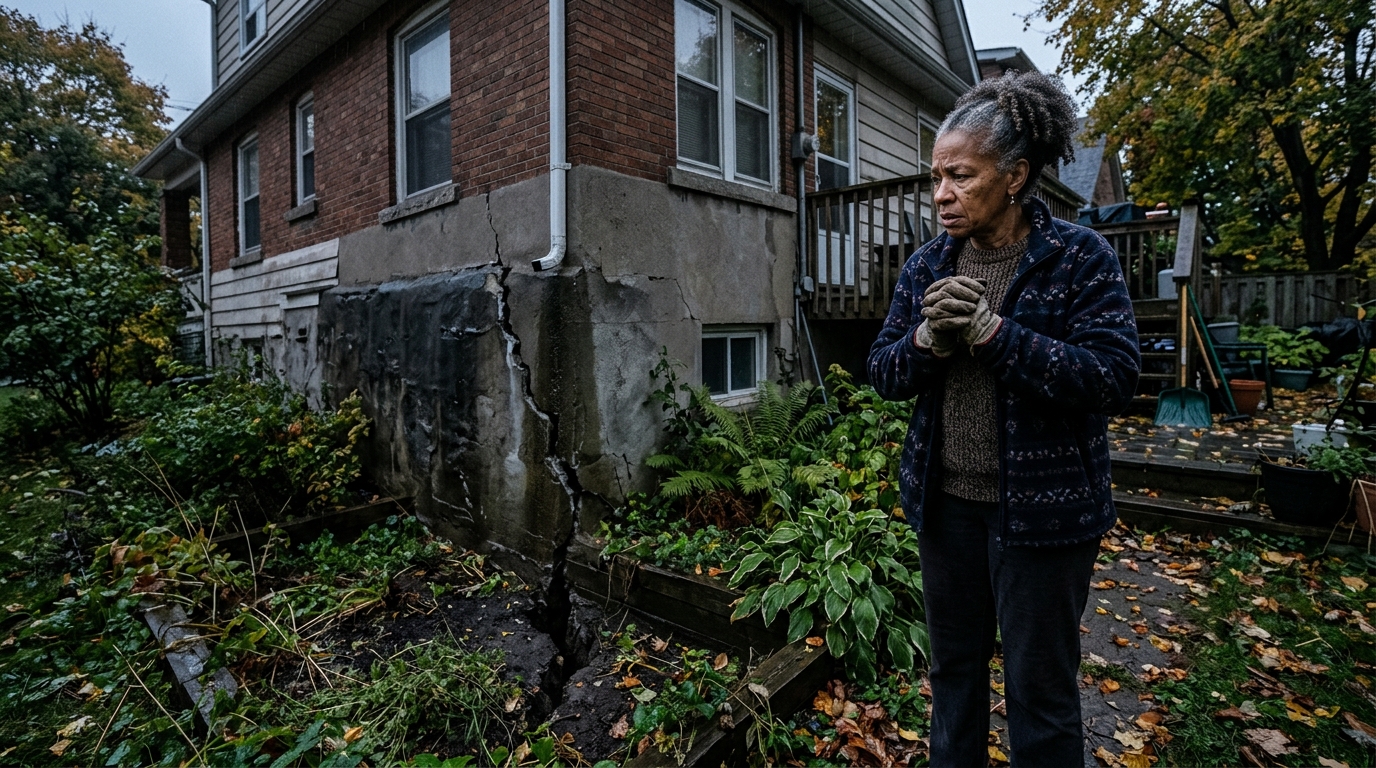
Understanding Accelerated Home Deterioration
Aging homes don't age in straight lines—they accelerate.
A typical 30–50-year-old Ontario home may show stable maintenance needs for a decade, then suddenly require multiple major systems at once. Foundation issues, electrical code violations discovered during insurance reviews, water intrusion from poor drainage, and deferred maintenance all converge in a financial perfect storm.
According to CMHC, Ontario homes built before 1990 are 3.5x more likely to require major systems replacement simultaneously compared to homes built after 2005. When multiple failures happen within 18–24 months, homeowners often face $40,000–$80,000+ in critical repairs. For retirees on fixed incomes, this can be the difference between staying home and forced relocation.
Deterioration accelerates because:
- Foundation settlement compounds over time – small cracks widen, creating water pathways
- Deferred maintenance creates cascading failures – a leaking roof causes attic rot, which weakens structural support
- System interdependencies fail together – failing HVAC puts stress on electrical system; water damage triggers mold remediation
- Building envelope breakdown – poor exterior sealing allows moisture that triggers interior damage
- Aging infrastructure collapses suddenly – septic systems, wells, and plumbing often fail without warning
The financial impact is immediate and non-negotiable: home safety and livability depend on addressing these repairs quickly, not gradually.
Why Traditional Funding Doesn't Work
| Funding Option | Access Timeline | Cost | Flexibility | Best For |
|---|---|---|---|---|
| Home Equity Line of Credit (HELOC) | 2-4 weeks (with qualification) | Prime + 0.5-1% | Ongoing flexibility | Excellent credit, stable income |
| Home Renovation Loan | 3-6 weeks | 5-7% fixed | Single-purpose | Planned renovations |
| Traditional Second Mortgage | 4-8 weeks | 6-9% | Limited | Significant equity, strong income |
| Reverse Mortgage | 6-8 weeks (or existing LOC instant) | 5-6.5% | Monthly/lump/LOC | 55+, no income requirement |
| Savings/Credit Cards | Immediate | 21%+ (cards) | Limited | Minor repairs only |
When home deterioration is urgent, traditional financing becomes problematic:
- HELOCs require income qualification – retirees on CPP/OAS may not meet lender requirements, especially if you're no longer employed
- Second mortgages demand good credit and appraisal delays – a 4–6 week timeline means mold continues spreading, water damage worsens
- Lines of credit can be frozen – if property values drop or credit scores shift, your available credit disappears
- Renovation loans are slow – contractor quotes, approval periods, and disbursement schedules don't match home crises
A reverse mortgage's advantage: if you already have one with a line-of-credit option, you can access funds in days. If you don't, closing takes 6–8 weeks—still faster than most alternatives when deterioration is severe.

When Deterioration Triggers a Reverse Mortgage Decision
The critical moment arrives when you must choose between urgency and cost.
Home deterioration severe enough to warrant a reverse mortgage typically includes:
- Structural threats – foundation cracks wider than 1cm, subsidence, water intrusion
- System failures – electrical panel outdated per code, plumbing complete failure, HVAC non-functional in winter
- Health and safety hazards – mold, asbestos, radon, unsafe electrical
- Cascade failures – multiple systems failing within 12 months (roof + electrical + plumbing)
- Insurance cancellations or rate spikes – insurers refusing coverage or demanding repairs before renewal
Ontario homeowners should consider a reverse mortgage for urgent repairs when:
| Scenario | Why RM Makes Sense | Alternative Cost |
|---|---|---|
| Home fails inspection for insurance renewal | Access equity immediately before lapse | $2,000-5,000/month uninsured exposure |
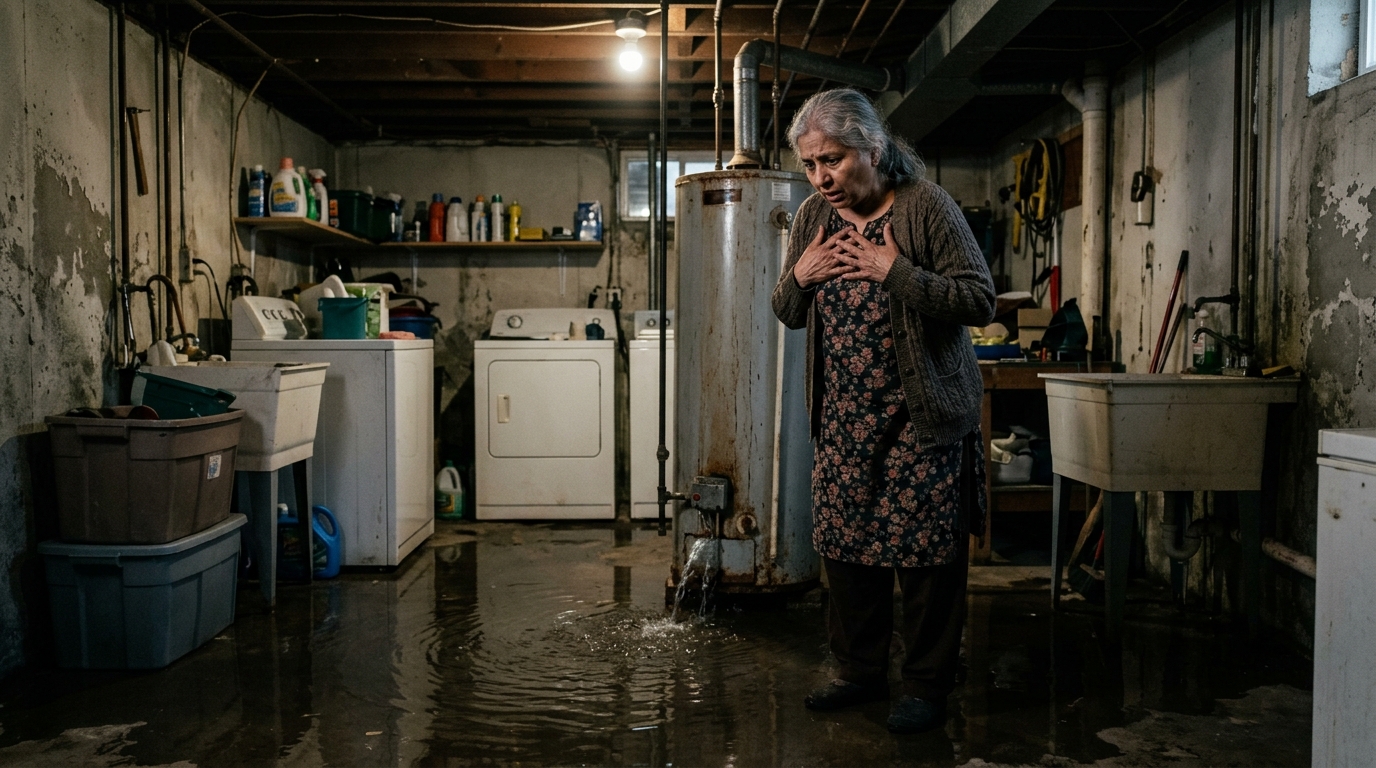
| Basement floods and foundation cracks | Emergency structural repairs | Forced sale or mold liability |
| Electrical system fails code compliance | Municipal enforcement order | Home becomes illegal to occupy |
| Multiple system failures within 18 months | Avoid piecemeal debt accumulation | 3-5 separate loans at higher rates |
| Aging parent refuses to leave home | Fund accessibility + repairs together | Premature long-term care placement |
Rick Sekhon Reverse Mortgages can structure an RM to fund repair urgency: establish a line of credit component ($15,000–$30,000) for rapid access, then draw lump sums as contractors invoice work.
Strategic Sequencing: What to Fund First
Not all deterioration is equally urgent. A reverse mortgage's flexibility allows you to prioritize:
Tier 1 (Fund Immediately – Safety & Livability):
- Foundation/structural repairs
- Electrical safety upgrades (code violations)
- Roof/weather protection
- Plumbing/water damage remediation
Tier 2 (Fund Within 6 Months – Preservation & System Continuity):
- HVAC replacement
- Insulation/envelope improvements
- Accessibility modifications (if aging in place)
Tier 3 (Fund Within 12 Months – Comfort & Optimization):
- Kitchen/bathroom upgrades
- Flooring replacement
- Interior aesthetic improvements
Lenders like CHIP and Equitable Bank will approve reverse mortgages that fund multiple categories simultaneously. Your role is to sequence draws to match contractor schedules and cash flow needs.
Reverse Mortgage Structure for Deteriorating Home Scenarios
Most Ontario lenders offer two structures when home condition is deteriorating:
1. Lump Sum + Line of Credit Hybrid
- Receive $20,000–$40,000 upfront for immediate repairs
- Establish LOC for remaining approved amount ($10,000–$50,000)
- Draw LOC as contractors complete phases
- Pay interest only on amounts drawn
2. Monthly Draws (Annuity-Style)
- Receive set monthly amount ($800–$1,500) over 3–5 years
- Matches typical renovation timeline
- Simplifies budgeting and cash flow
- Interest accrues on schedule regardless of draw timing
3. Single Lump Sum
- Fastest closure (6–8 weeks)
- All funds available immediately
- Highest interest cost (accrues on entire amount)
- Best for emergencies requiring immediate payment
According to FCAC, 35% of Ontario retirees taking reverse mortgages for home repairs choose the hybrid LOC structure—it balances urgency with cost control.
How Much Can You Access?
Home deterioration doesn't change your reverse mortgage qualification amount. Your borrowing power depends on:
- Age (55+)
- Home value (current appraisal)
- Interest rates and lender products
- No income or credit requirements
| Home Value | Age 60-65 | Age 65-75 | Age 75+ |
|---|---|---|---|
| $300,000 | $90,000-105,000 | $105,000-120,000 | $120,000-135,000 |
| $500,000 | $150,000-175,000 | $175,000-205,000 | $205,000-235,000 |
| $750,000 | $225,000-262,500 | $262,000-307,000 | $307,000-360,000 |
| $1,000,000 | $300,000-350,000 | $350,000-410,000 | $410,000-485,000 |
Percentages approximate; actual amounts vary by lender, rate environment, and product type.
If your home value increases after deterioration is repaired (many structural repairs improve appraisals), you may qualify for additional equity later.
Key Takeaways
- Home deterioration accelerates unpredictably – multiple systems often fail within 18–24 months on aging Ontario homes
- Traditional financing is too slow – HELOCs and second mortgages take 4–8 weeks; emergency repairs can't wait
- Reverse mortgages provide rapid access – 6–8 weeks to closing, plus line-of-credit options for instant draws
- Sequencing matters – prioritize safety (structure, electrical, roof) before comfort upgrades
- No income required – retirees on CPP/OAS qualify; traditional lenders may decline
- Hybrid structures balance speed and cost – lump sum + LOC lets you fund repairs as contractors work
Frequently Asked Questions
Will home repairs improve my appraisal value?
Yes, but not dollar-for-dollar. Structural repairs, electrical upgrades, and roof replacements typically recover 60–85% of their cost in home value. A $25,000 foundation repair might increase appraisal by $15,000–$20,000. Safety-critical repairs don't increase value; they maintain it.
Can I refinance my reverse mortgage if repairs increase home value?
Possibly, at renewal or if value jumps significantly. Some lenders allow mid-term refinancing if appraisal increases exceed 15%. Talk to Bloom Financial or HomeEquity Bank about refinancing options after major repairs are complete.
What if the contractor wants payment before work starts?
Standard practice—most contractors require 50% upfront, 50% on completion. A reverse mortgage line of credit allows you to draw funds in tranches. Lump-sum reverse mortgages give you all funds immediately, so you can manage contractor payments directly.
Does a reverse mortgage affect my ability to get home insurance?
No, reverse mortgages don't impact insurance eligibility. In fact, completing major repairs (roof, electrical, foundation) may improve your insurance rates. Insurers reward updated systems and addressed hazards.
Should I do a full home inspection before applying for a reverse mortgage?
Highly recommended if you suspect deterioration. A professional inspection ($500–$800) identifies problems your lender should know about. This protects you from surprises and ensures the appraisal reflects actual condition. FSRAO recommends disclosure of known defects.
Can I use a reverse mortgage to fund preventive maintenance instead of emergency repairs?
Absolutely—and it's often smarter. Proactive HVAC replacement, roof re-coating, and moisture barriers prevent costlier failures. A reverse mortgage at age 60–65 funds prevention; you avoid the acceleration spiral and stay ahead of deterioration.
Ready to fund urgent home repairs and stay in your home? Contact Rick Sekhon Reverse Mortgages for a free consultation on how a reverse mortgage can provide emergency access to your equity. With Ontario's home values and repair costs escalating, waiting often costs more than acting now.
Ready to Learn More?
Find out exactly how much you could unlock from your home — free and no obligation.
Related Articles
Reverse Mortgage When Home Equity Surprises You: Unexpected Property Value Growth
Your home is worth more than you thought. Discover how sudden equity growth changes your reverse mortgage strategy and borrowing power.
Read →Reverse Mortgage for Professional Home Safety Retrofit: Smaller Projects, Bigger Impact
Major renovations aren't always necessary. Strategic small-scale safety retrofits keep aging seniors independent. Learn how reverse mortgages fund targeted improvements.
Read →Reverse Mortgage for Funding Comprehensive Health Assessment When Aging: Unlocking Diagnosis and Treatment
Undiagnosed health issues drain independence. Learn how reverse mortgages fund complete assessments that prevent crises and preserve aging in place.
Read →