
Reverse Mortgage for Pet Trust Estate Planning: Securing Your Pet's Future
Fund a formal pet trust and veterinary care endowment using reverse mortgage. Protect your beloved companion's long-term welfare after you're gone with legally binding arrangements in Ontario.
What happens to your beloved pet when you're no longer here to care for them? Many Ontario pet owners worry about this deeply, yet few take formal legal steps to ensure their pet's lifelong security. A reverse mortgage can fund a comprehensive pet trust and veterinary care endowment that protects your companion for life, giving you genuine peace of mind.
The Rising Challenge: Pet Guardianship Without Legal Protections
Pet trusts are a relatively new but critical estate planning tool in Canada. Unlike a simple wish in your will, a pet trust is a legally binding document that designates a caregiver, ensures financial provision for your pet's care, and creates ongoing oversight of your pet's welfare. Without one, your beloved animal may end up in shelter care or with a guardian who cannot afford proper veterinary treatment.
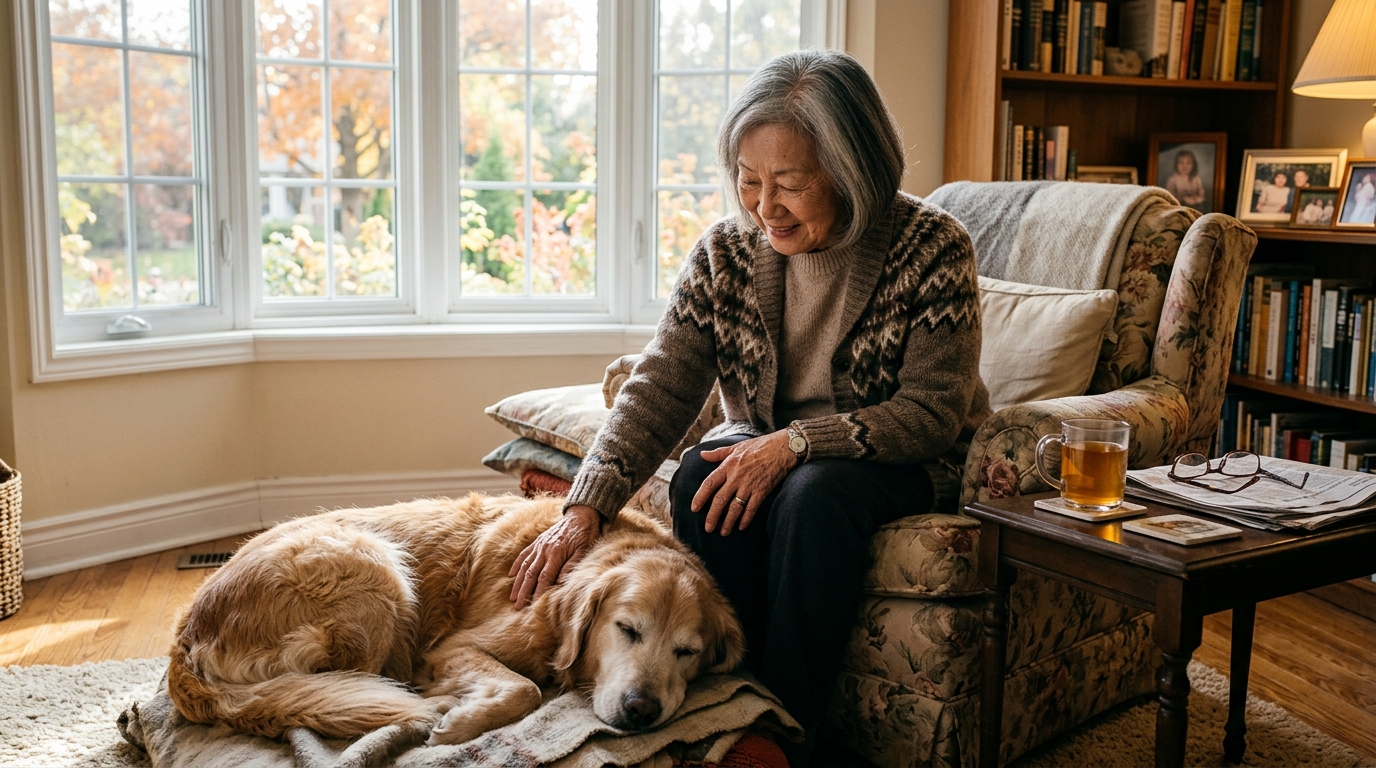
According to the Canadian Bar Association, pet trusts remain underutilized in Ontario estate planning, leaving thousands of pets without legal protection each year. Your reverse mortgage proceeds can change that reality—ensuring your pet receives dignified, continuous care from someone you trust, funded for decades.
The True Cost of Lifetime Pet Care in Ontario
Veterinary costs have risen dramatically. A medium-sized dog or cat requiring ongoing care can cost $3,000–$6,000 annually in Ontario, accounting for:
| Care Component | Annual Cost (Ontario) | Lifetime Cost (15 years) |
|---|---|---|
| Routine vet visits | $800–$1,200 | $12,000–$18,000 |
| Prescription medications | $600–$1,500 | $9,000–$22,500 |
| Emergency/surgical care | $1,000–$2,500 | $15,000–$37,500 |
| Specialized care (dental, orthopedic) | $500–$1,200 | $7,500–$18,000 |
| Food (premium/therapeutic) | $400–$800 | $6,000–$12,000 |
| Total Estimated Lifetime | $3,300–$7,200/yr | $49,500–$107,500 |
These figures shock most pet owners. A reverse mortgage can fund the entire endowment in a lump sum, creating a dedicated account that ensures your pet never lacks veterinary care due to financial constraints.
How a Reverse Mortgage Funds a Pet Trust
A pet trust endowment is a dedicated savings vehicle funded with reverse mortgage proceeds and held in trust, with explicit instructions for your pet's medical care and lifestyle maintenance. Here's how it works in Ontario:
- You establish a formal pet trust through an Ontario-licensed estate lawyer ($1,500–$3,000 cost).
- The trust names a "pet guardian" (often a trusted friend or family member) and a "trustee" (often a second person or professional trust company).
- You fund the trust with reverse mortgage proceeds—commonly $50,000–$150,000 depending on your pet's expected lifespan and care needs.
- Upon your passing, the trustee manages funds exclusively for your pet's care, reporting to the courts if challenged.
- Your pet guardian provides daily care while the trustee manages veterinary bills, food, and living expenses from the trust.
Why This Matters: The Pet Abandonment Problem
In Ontario, approximately 1 in 5 pets are surrendered to shelters when owners pass away without clear care instructions. Shelters are overcrowded, and senior pets (typically less adoptable) face euthanasia. A fully funded pet trust prevents this tragedy.
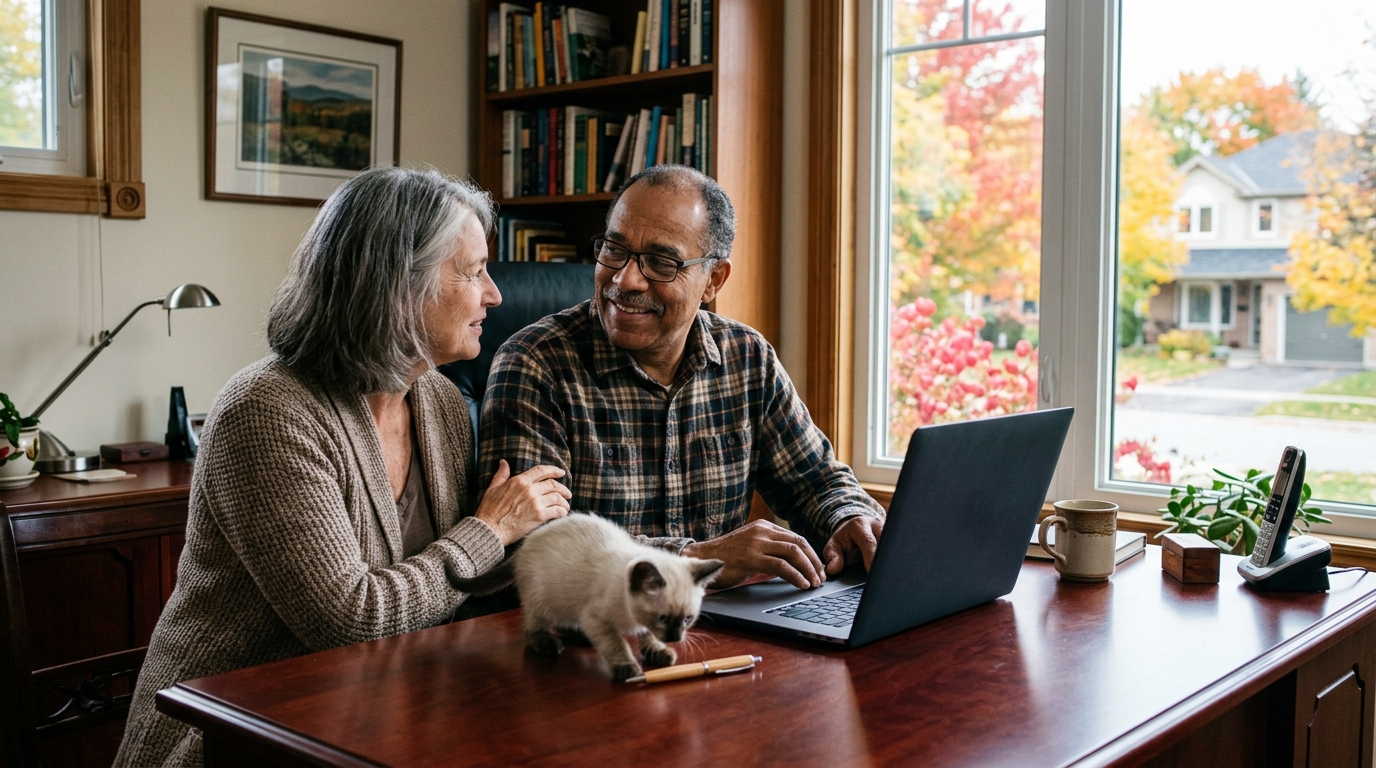
Example: Margaret's Story Margaret, a 68-year-old Toronto resident, has a 12-year-old rescue cat with chronic kidney disease requiring $4,000/year in specialized care. Her adult children live in British Columbia and cannot take the cat. Using a reverse mortgage, Margaret:
- Secures a $70,000 reverse mortgage on her $850,000 home
- Funds a formal pet trust with $65,000
- Names her sister as guardian and a local trust company as trustee
- Leaves explicit instructions for pain management and end-of-life care
- Dies peacefully knowing her cat will never be abandoned or euthanized
Pet Trusts vs. Simple Guardianship: Comparing Ontario Options
| Arrangement | Legal Binding | Funded | Guardian Oversight | Cost | Best For |
|---|---|---|---|---|---|
| Informal will clause | No | No | None | Free | Temporary only |
| Guardianship agreement | Yes, but not funded | No | Variable | $300–$800 | Single caregiver, short-term |
| Funded pet trust | Yes, legally binding | Yes, fully | Court-supervised if challenged | $2,000–$5,000 + RM | Lifetime care, multiple pets |
| Charitable pet foundation | Yes | Yes | Professional oversight | $5,000+ | Multiple animals, public benefit |
Building Your Pet Trust Action Plan
Step 1: Calculate Your Pet's Lifetime Care Needs
Meet with your veterinarian to discuss your pet's:
- Current health conditions and expected prognosis
- Medications, therapies, or specialized care
- Likely lifespan (5, 10, 15+ years depending on species and age)
- Emergency fund for unexpected crises (accidents, surgeries)
Step 2: Identify Your Guardian and Trustee
Guardian: The person who will provide daily care (food, exercise, companionship). They should be younger than you, reliable, and genuinely love animals.
Trustee: The person or institution managing funds. Many Ontario pet owners choose:
- A professional trust company ($2,000–$4,000/year oversight fees)
- A trusted sibling or friend (unpaid, but must be financially responsible)
- A hybrid approach: local animal welfare organization as co-trustee
Step 3: Consult an Ontario Estate Lawyer
Pet trusts are a specialized legal tool. A lawyer will:
- Draft language that complies with Ontario's Succession Law Reform Act
- Ensure the trust is funded correctly to avoid probate challenges
- Address end-of-life care (euthanasia conditions, organ donation)
- Create contingency plans if your guardian becomes unable to care for your pet
Estimated legal cost: $1,500–$3,000
Step 4: Fund the Trust with Reverse Mortgage Proceeds
Work with your reverse mortgage broker (like Rick Sekhon Reverse Mortgages) to:
- Structure your RM to provide funds specifically for pet trust funding
- Set up a lump sum payment into the trust account upon closing
- Document the purpose clearly to avoid CRA questions

Key Takeaways
- Lifetime pet care in Ontario costs $50,000–$107,500, requiring formal funding to protect your pet after you're gone
- Pet trusts are legally binding arrangements that ensure caregiver oversight and professional fund management, unlike informal will wishes
- A reverse mortgage can fund your entire pet endowment upfront, eliminating the risk of inadequate care or pet abandonment
- Professional trustees (estate lawyers, trust companies) provide accountability, ensuring funds are spent exclusively on your pet's welfare
- Pet trusts also address end-of-life decisions, preventing prolonged suffering and giving your pet a dignified farewell
- Ontario has strong legal protections for funded pet trusts, making them one of the most reliable long-term pet protection strategies
Frequently Asked Questions
Can I name my pet as a beneficiary directly in my will?
No. Canadian law prohibits animals from inheriting money directly. A pet trust is the legal workaround: your pet benefits from trust funds managed on their behalf by a trustee, not by inheriting directly.
What if my pet outlives my trust funds?
Properly funded pet trusts include contingency provisions. If funds are exhausted, the trust document typically directs remaining care to a designated animal welfare organization or fallback guardian, preventing abandonment.
How much should I fund a pet trust?
Calculate 1.5–2× your pet's expected lifetime care costs. A $50,000 trust for a 12-year-old cat provides $3,300–$4,000/year cushion. Your veterinarian and trust company can help refine this estimate.
Can I change my pet trust after it's created?
Yes. Before your death, you can amend or revoke the trust. After your death, the trustee manages it according to your instructions, but the trustee cannot arbitrarily change beneficiaries (your pets).
Does a pet trust affect my GIS or OAS payments?
Reverse mortgage proceeds used to fund a pet trust are not considered income for GIS/OAS purposes. However, consult with FSRAO (Financial Services Regulatory Authority of Ontario) to confirm your specific situation if you're on means-tested benefits.
What's the difference between a pet trust and pet insurance?
Pet insurance covers unexpected veterinary costs during your lifetime. A pet trust ensures care after you die. Many estate planners recommend both for complete protection.
Ready to protect your pet's future? Contact Rick Sekhon Reverse Mortgages to discuss funding a formal pet trust for your beloved companion. Your reverse mortgage can provide the security your pet deserves, no matter how long they live.
Ready to Learn More?
Find out exactly how much you could unlock from your home — free and no obligation.
Related Articles
Reverse Mortgage for Gifting Home Equity to Adult Child's Charitable Work: Funding Mission-Driven Careers
Your adult child chose a mission-driven career with lower pay. Gift home equity to bridge their income gap, remove financial stress, and support the work that matters to them.
Read →Reverse Mortgage for Single Seniors Who Never Married: Estate Planning Without Traditional Family
Plan your legacy when you're single with no spouse or adult children. A reverse mortgage funds charitable giving, friendships, and chosen family while simplifying your estate.
Read →Reverse Mortgage When Home's Location Becomes a Tax Liability: Strategic Planning
Manage unexpectedly high property tax assessments as neighborhood values shift. Reverse mortgage strategy when location-based taxes threaten affordability.
Read →