
Reverse Mortgage + Green Home Retrofits: Maximizing Federal & Ontario Grants in 2026
Layer reverse mortgage with Greener Homes grants and federal tax credits. Fund heat pumps, insulation, and energy retrofits while capturing government rebates—Ontario's strategic climate retrofit guide.
Are your high heating and cooling bills eating into your retirement budget while your aging home leaks energy? Ontario seniors can now combine reverse mortgage funding with government grants worth $5,000–$10,000 to transform their homes into efficient, climate-resilient spaces—while reducing utility costs by 30–50%. The window to capture 2026 grants is narrowing.
Ontario's Retrofit Opportunity: Grants + Reverse Mortgages = Affordable Aging in Place
Green home retrofits are no longer luxury upgrades. They're essential for aging in place, particularly as Ontario experiences extreme weather: brutal winters, scorching summers, and sudden storms. A green retrofit is a comprehensive home upgrade targeting energy efficiency, often including heat pump installation, insulation, air sealing, and ventilation improvements. Government programs now fund 25–50% of retrofit costs through grants and tax credits.
The challenge? Upfront costs remain substantial: $25,000–$50,000 for a complete retrofit. A reverse mortgage bridges that gap, and grants reduce your net borrowing.
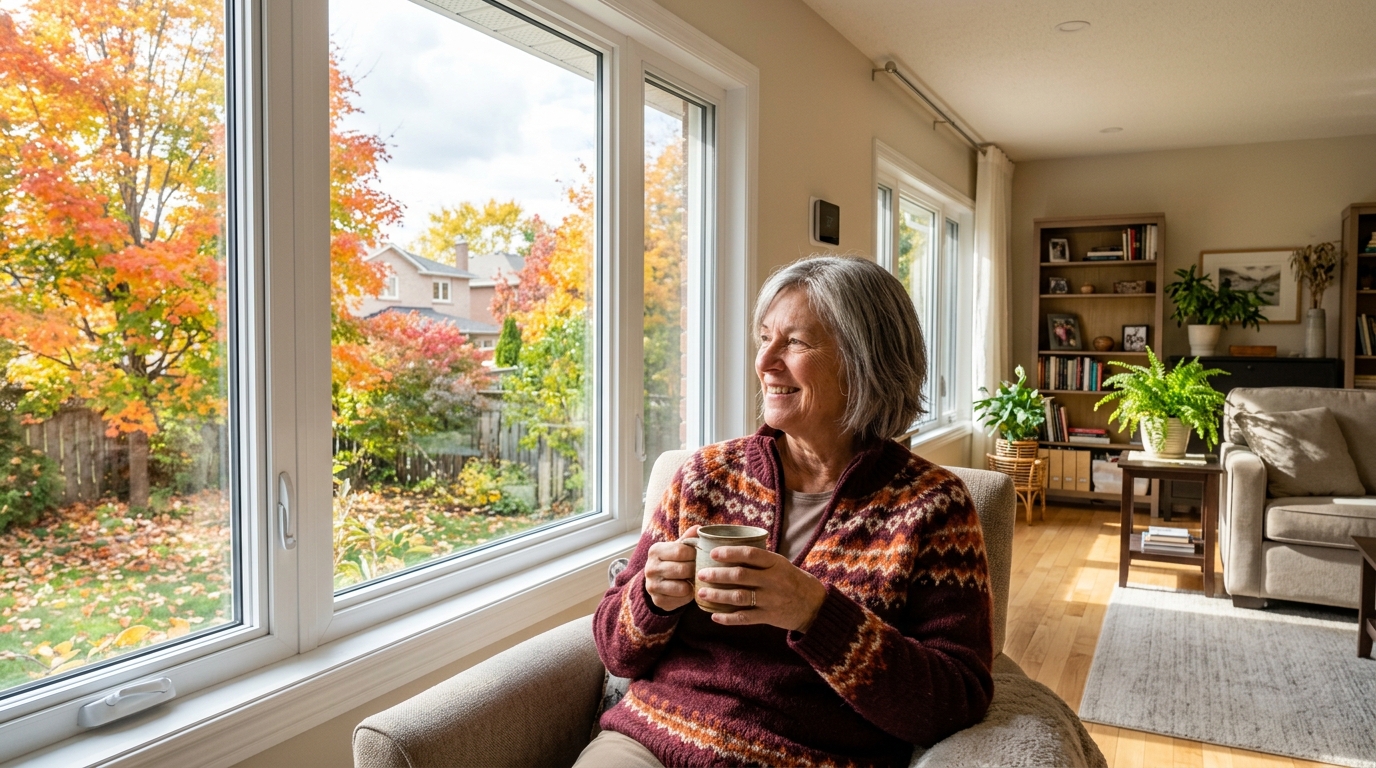
According to Statistics Canada, Ontario homes built before 1990 have energy efficiency ratings 40–50% below modern standards, driving higher utility costs for fixed-income retirees. Combining retrofit funding with a reverse mortgage creates a "stack" of affordability tools that makes aging in place financially sustainable.
2026 Ontario & Federal Retrofit Grant Landscape
| Program | Max Grant | Eligible Work | Application Timeline |
|---|---|---|---|
| Greener Homes Grant (Federal) | $5,000 | Insulation, air sealing, heat pumps | 2026 ends Dec 31 |
| Greener Homes Loan (Federal) | $40,000 | Comprehensive retrofits (heat pump + insulation) | 2026 ends Dec 31 |
| Ontario Retrofits for Affordable Housing | $3,500 | Low-income seniors, heat pump + insulation | Rolling basis |
| Canada Greener Mortgage and Loan Insurance Program | Varies | Energy-efficient mortgages (CMHC/lenders) | 2026 ongoing |
| Energy Star Appliance Rebates | $500–$1,500 | HVAC, water heaters, appliances | Year-round |
2026 Update: The federal Greener Homes Grant program ends December 31, 2026. Applications submitted by October 1 typically close by year-end. This is the final year—Ontario seniors should prioritize applications now.
Retrofit Sequence: Layering Reverse Mortgage + Grants for Maximum Savings
Phase 1: Retrofit Assessment & Grant Pre-Qualification ($500–$1,500)
Before borrowing or applying for grants, get a professional home energy assessment conducted by a certified energy auditor. This assessment:
- Identifies which retrofits will deliver the highest ROI
- Pre-qualifies you for specific government grants
- Provides detailed cost estimates needed for grant applications
Cost: $400–$800 (sometimes waived if grants are approved)
Where to start:
- Natural Resources Canada's Free Energy Advisor Program (online assessment)
- Local conservation authorities in Ontario offer subsidized assessments
- Your municipal government may fund 50% of assessment costs
Phase 2: Strategic Reverse Mortgage Closing
Work with your reverse mortgage broker to structure funding that accounts for grant timing:
- Front-load the RM closing before grant applications (gives you leverage and proof of funds)
- Establish a dedicated renovation account (separate from your RM line of credit)
- Draw funds in stages as contractors submit invoices and grants are confirmed
- Coordinate lender + grant timelines to avoid overlapping funding conflicts
Example timeline:
- Month 1: RM closing ($80,000 available)
- Month 2: Submit Greener Homes Grant application ($5,000 potential grant)
- Month 3: Contractor work begins; RM covers initial 50% of contract
- Month 4: Grant approval received; contractor paid via grant + RM
- Month 5: Retrofit complete; net RM balance $45,000 (vs. $80,000 if no grant)
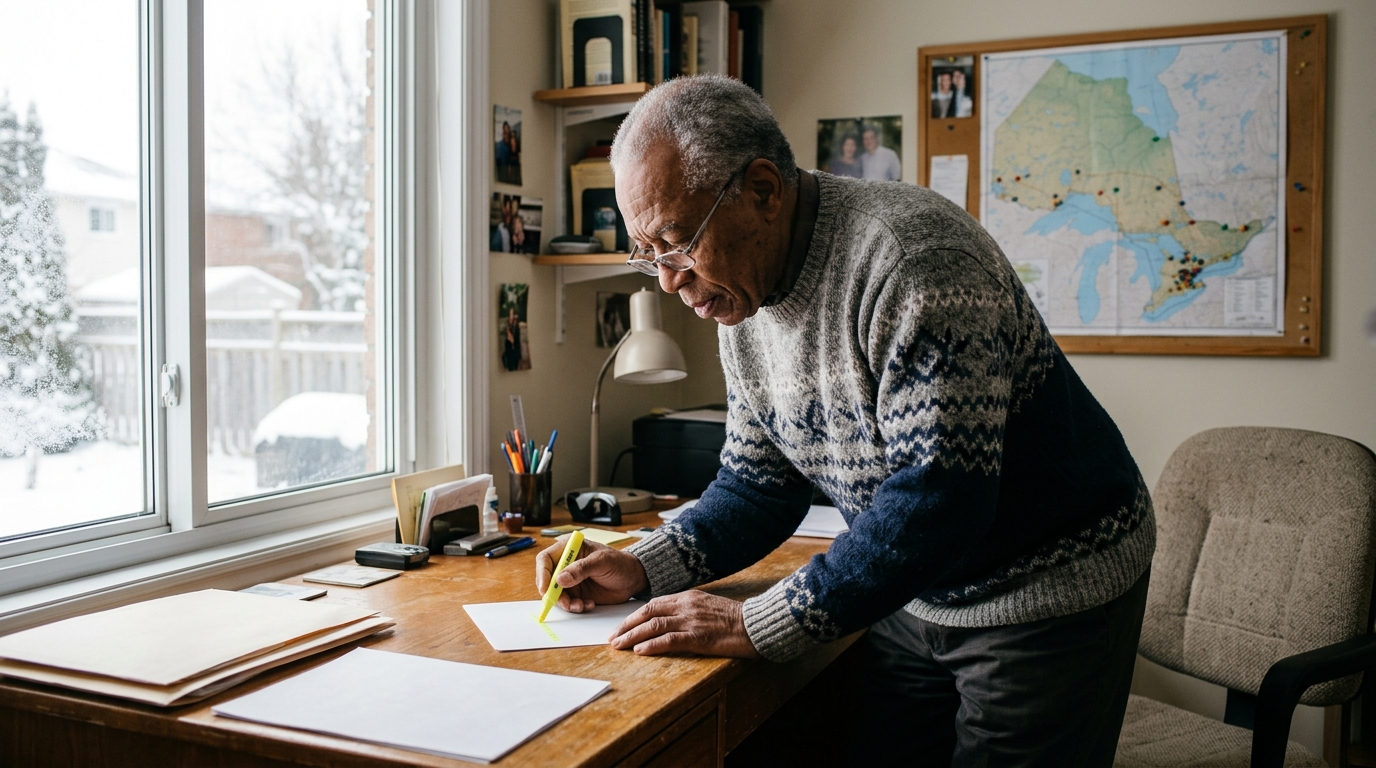
Strategic Retrofit Priorities: What to Fund First
Not all retrofits deliver equal value. For aging in place, prioritize this sequence:
| Priority | Retrofit | Cost | Energy Savings | Comfort Impact | Grant Eligibility |
|---|---|---|---|---|---|
| 1 | Air sealing + insulation | $8,000–$15,000 | 20–25% | Winter warmth, summer cool | Greener Homes ✓ |
| 2 | Heat pump (air-source or ground-source) | $12,000–$20,000 | 25–35% | Consistent temps, quiet | Greener Homes ✓ |
| 3 | Ventilation/air quality upgrade | $3,000–$6,000 | 5–10% | Humidity control, radon mitigation | Greener Homes (partial) |
| 4 | Hot water upgrade (heat pump or solar) | $4,000–$8,000 | 10–15% | Lower utility bills | Greener Homes ✓ |
| 5 | Windows/doors replacement | $8,000–$12,000 | 10–15% | Drafts eliminated, safety | NOT eligible for Greener Homes |
Pro Tip: Prioritize air sealing and heat pump installation first—these deliver 50–60% of total energy savings and attract the largest grants. Window replacement can follow in Year 2 if RM funds remain.
Real-World Retrofit Funding Scenarios in Ontario
Scenario 1: Single Retiree in Toronto (Modest 3-Bedroom Bungalow)
| Cost Item | Amount |
|---|---|
| Total retrofit estimate | $38,000 |
| Reverse mortgage closing | $80,000 |
| Greener Homes Grant awarded | -$5,000 |
| Energy Star appliance rebate | -$800 |
| Net RM borrowing required | $32,200 |
| Annual energy savings | $2,400 |
| RM cost (6% interest, compounding) | $1,932/year |
| Net annual savings | $468 |
Verdict: Even without breaking even on energy costs annually, the retiree gains improved comfort, reduced risk of heat-related illness in summer, and increased home value. The reverse mortgage enables this with minimal net cost.
Scenario 2: Couple (68 & 70) in Rural Ontario with Oil Heating
| Cost Item | Amount |
|---|---|
| Oil furnace → heat pump conversion | $22,000 |
| Insulation + air sealing | $14,000 |
| Ductwork + ventilation | $8,000 |
| Total retrofit cost | $44,000 |
| Federal Greener Homes Grant | -$5,000 |
| Federal Greener Homes Loan | -$15,000 (0% interest, 10-year term) |
| Reverse mortgage (covers remaining) | $24,000 |
| Annual energy savings (oil → electric heat pump) | $4,200 |
| ROI timeline | 5–6 years |
Verdict: Stacking grant + loan + reverse mortgage cuts the couple's net RM cost to $24,000. Annual energy savings ($4,200) cover RM compounding interest, leaving home equity intact.
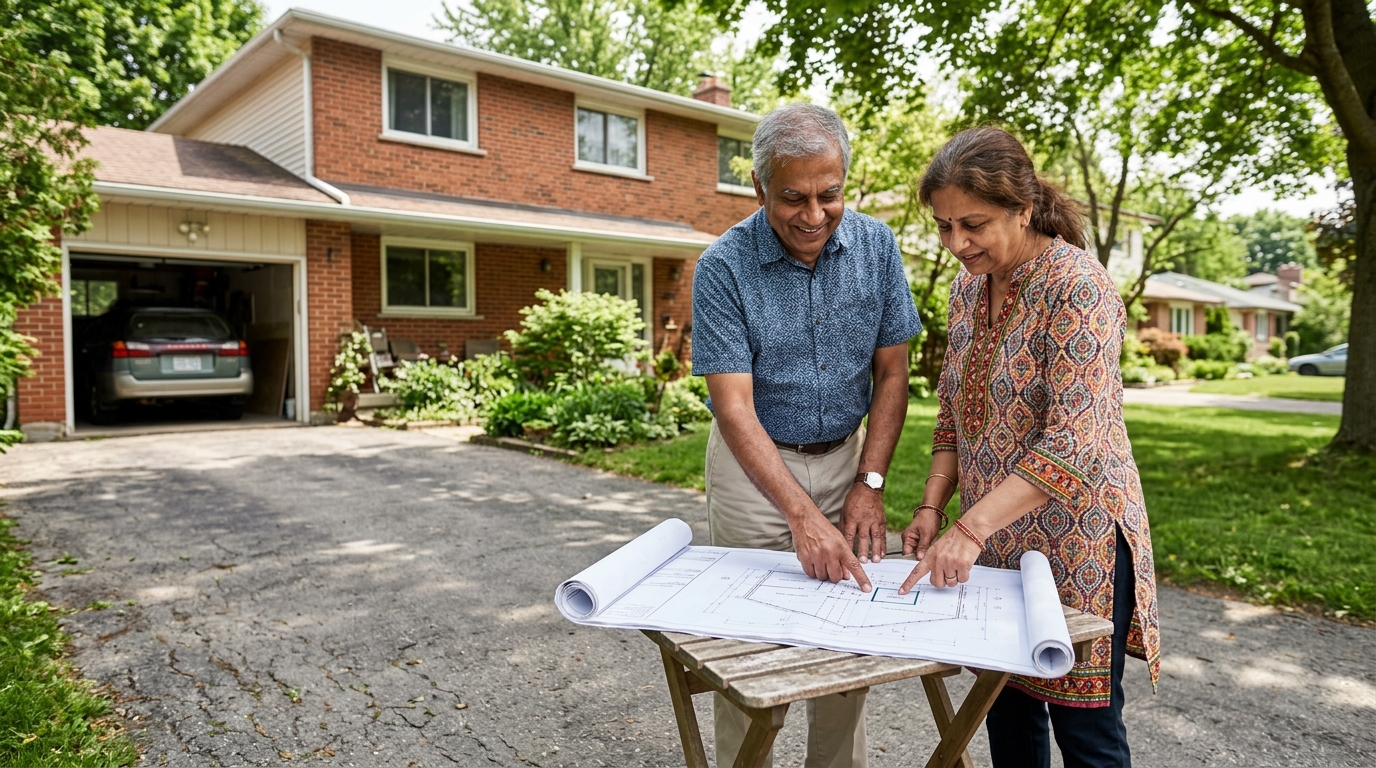
Avoiding Grant + Reverse Mortgage Conflicts
Critical Rule: Order of Operations
Apply for grants BEFORE closing your reverse mortgage, or clearly disclose RM plans to grant programs. Some grants have income-based caps or asset tests. Reverse mortgage proceeds can trigger recalculation.
Contractor Selection & Grant Compliance
Government grants require certified contractors. When hiring:
- ✓ Verify the contractor is on the Greener Homes Registry (Natural Resources Canada)
- ✓ Request a grant-certified quote (includes compliance documentation)
- ✓ Ensure warranty covers 5+ years (grant requirement)
- ✗ Avoid unlicensed contractors (disqualifies your retrofit from grant eligibility)
Tax Implications of Grants + RM
According to CRA, government grants for home retrofits are non-taxable—they reduce your cost basis, not your income. Your reverse mortgage interest may be deductible if the home is used for rental income, but purely personal retrofits offer no interest deduction.
Consultation: Discuss this with an accountant before closing your RM to ensure your structure maximizes tax efficiency.
Key Takeaways
- Federal Greener Homes grants end December 31, 2026—this is the final year to access up to $5,000 in free retrofit funding
- Stacking grants + reverse mortgage can reduce net RM borrowing by 20–40%, making retrofits affordable for fixed-income retirees
- Heat pump + air sealing prioritization delivers 50–60% of total energy savings and attracts maximum government funding
- Professional energy audits ($400–$800) are essential for grant qualification and contractor cost estimates
- Ontario rural properties benefit most from retrofits, particularly those heating with oil (highest conversion savings)
- Application timing matters critically—submit Greener Homes applications early to avoid December 31 deadline
Frequently Asked Questions
If I get a grant, do I have to repay it if I sell my home?
No. Government retrofit grants are permanent—they do not create a lien or repayment obligation. If you sell your home post-retrofit, the buyer inherits the energy-efficient systems, and you owe nothing back to the government.
Can I combine multiple grants for the same retrofit?
Yes, with coordination. You can layer Greener Homes Grant ($5,000) + Greener Homes Loan ($40,000) + Energy Star rebates ($500–$1,500). However, some programs exclude overlapping costs. Work with a certified energy auditor to avoid double-counting.
Does a reverse mortgage disqualify me for green grants?
Not automatically. Most grants (Greener Homes, Ontario Retrofits) do not exclude reverse mortgage holders. However, some low-income programs have asset tests. Disclose your reverse mortgage plans to the grant program before applying.
What if my retrofit costs more than the grant + reverse mortgage covers?
You have three options: (1) Phase the retrofit over 2–3 years, drawing RM funds as grants become available, (2) reduce scope (prioritize high-ROI measures like heat pump only), or (3) increase RM amount at renewal. Most Ontario lenders can increase RM balance if your home value has appreciated.
Will a green retrofit increase my property taxes?
Potentially, but minimally. Ontario's Municipal Property Assessment Corporation (MPAC) can reassess homes after major renovations. However, energy efficiency improvements (heat pump, insulation) typically increase assessed value by 3–8%, adding $50–$200/year in property taxes—often offset by energy savings.
How long before I recoup the retrofit cost through energy savings?
5–8 years for comprehensive retrofits combining heat pump + insulation. In rural Ontario homes heating with oil, payback is often 4–6 years. In urban homes with lower utility costs, expect 8–12 years. Reverse mortgage interest compounding extends this timeline slightly, but energy savings often offset the borrowing cost.
Ready to transform your home into a climate-resilient, energy-efficient space? Contact Rick Sekhon Reverse Mortgages to coordinate your retrofit funding with available grants. Time is running out—the Greener Homes program ends December 31, 2026.
Ready to Learn More?
Find out exactly how much you could unlock from your home — free and no obligation.
Related Articles
Reverse Mortgage After Your Caregiver Retires: Restructuring Care and Rebuilding Independence
Your longtime caregiver is retiring. A reverse mortgage funds the transition to new care arrangements and helps you rebuild independence after years of dependence.
Read →Reverse Mortgage for Home EV Charging and Smart Utility Grid Upgrade: Modernizing Your Ontario Home
Fund electrical panel upgrades, EV charger installation, and smart meter readiness for aging in place with a reverse mortgage in Ontario.
Read →Reverse Mortgage When Home's Location Becomes a Tax Liability: Strategic Planning
Manage unexpectedly high property tax assessments as neighborhood values shift. Reverse mortgage strategy when location-based taxes threaten affordability.
Read →