
Multigenerational Family Compounds: Using a Reverse Mortgage to Keep Extended Family Together
Explore how Ontario homeowners can use a reverse mortgage to create or maintain multigenerational family compounds—housing parents, adult children, and grandchildren on one property.
Creating Your Family Compound: Using a Reverse Mortgage for Multigenerational Living
In an era of rising housing costs and aging parents, the multigenerational family compound is becoming a viable retirement strategy. If you own Ontario property large enough to house multiple generations, a reverse mortgage can fund the additions, modifications, and infrastructure needed to keep your extended family together under one roof—or on one property.
This guide explores how reverse mortgages enable multigenerational family compounds and the unique planning considerations.
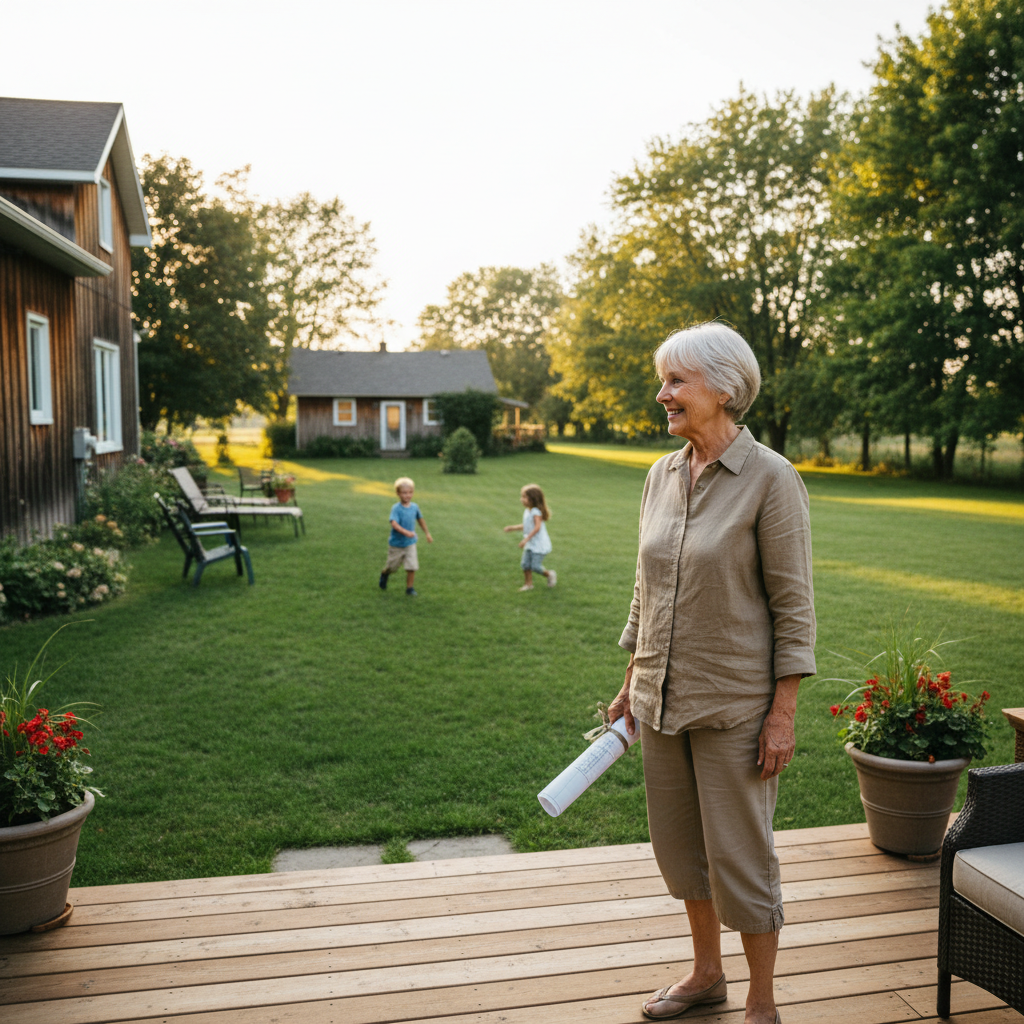
What Is a Multigenerational Family Compound?
A multigenerational compound is a residential property that houses multiple family generations with some level of privacy and independence:
Typical configurations:
- Grandparent house + adult child house + grandchildren on shared property (separate buildings)
- Primary home + secondary suite for aging parent + laneway house for adult child (on one lot)
- Rural multi-building compound with separate residences for parent, adult child with family, and aging grandparents
- Accessible property where aging parents live semi-independently while remaining close to adult children
- Intergenerational business property where family business headquarters anchors multi-family housing
The key characteristic: multiple households maintaining some independence while sharing property and resources.
Why Multigenerational Compounds Make Sense in 2026
Several trends make this model attractive to Ontario families:
- Housing affordability crisis: Adult children can't afford homes; aging parents need support
- Aging parent care: Keeping parents nearby reduces care costs and enables monitoring
- Shared expenses: Multiple households share property tax, utilities, and maintenance
- Career flexibility: One adult child manages property/business; others pursue careers elsewhere
- Legacy preservation: Parents keep the family property intact across generations
- Multigenerational support: Grandparents help with childcare; adult children help with aging parent care
How a Reverse Mortgage Funds Your Compound
Reverse mortgages enable compounds by funding:
1. Property Development and Expansion
- Secondary residence construction (building a separate home for adult child or aging parent)
- ADU creation (laneway house, garden suite)
- Secondary suite addition (apartment within primary residence)
- Accessibility modifications enabling aging parents to live independently
Cost: $100,000-$350,000 depending on configuration
2. Infrastructure Improvements
- Separate utilities (water, septic, electrical service for secondary residence)
- Driveway or access roads serving multiple buildings
- Parking areas for multiple households
- Fencing or property demarcation defining separate household spaces
Cost: $20,000-$80,000
3. Accessibility and Care Modifications
- Accessible bathrooms with walk-in showers and grab bars
- Mobility modifications (ramps, widened doorways, elevators)
- In-home care infrastructure (bedroom/bathroom on main floor for aging parent)
- Emergency call systems and health monitoring technology
Cost: $15,000-$50,000
4. Property Management Infrastructure
- Legal and financial setup for shared property arrangements
- Property management agreements outlining household responsibilities
- Utility sharing arrangements and cost allocation
- Liability and insurance adjustments
Cost: $3,000-$10,000
Typical funding breakdown for a compound project:
| Funding Category | Typical Cost Range | Common Funding Source |
|---|---|---|
| Secondary residence / ADU construction | $100,000-$350,000 | Reverse mortgage |
| Infrastructure (utilities, driveway, fencing) | $20,000-$80,000 | Reverse mortgage |
| Accessibility and care modifications | $15,000-$50,000 | Reverse mortgage |
| Legal and property management setup | $3,000-$10,000 | Cash or reverse mortgage |
How much you can typically borrow, by home value:
| Home Value | Approx. Borrowing Range (15-59%) | Illustrative Amount at ~40% |
|---|---|---|
| $400,000 | $60,000-$236,000 | $160,000 |
| $600,000 | $90,000-$354,000 | $240,000 |
| $1,000,000 | $150,000-$590,000 | $400,000 |
Actual amounts depend on the age of the youngest homeowner on title, current interest rates (roughly 6.5%-8.5%), and the property's appraised value.
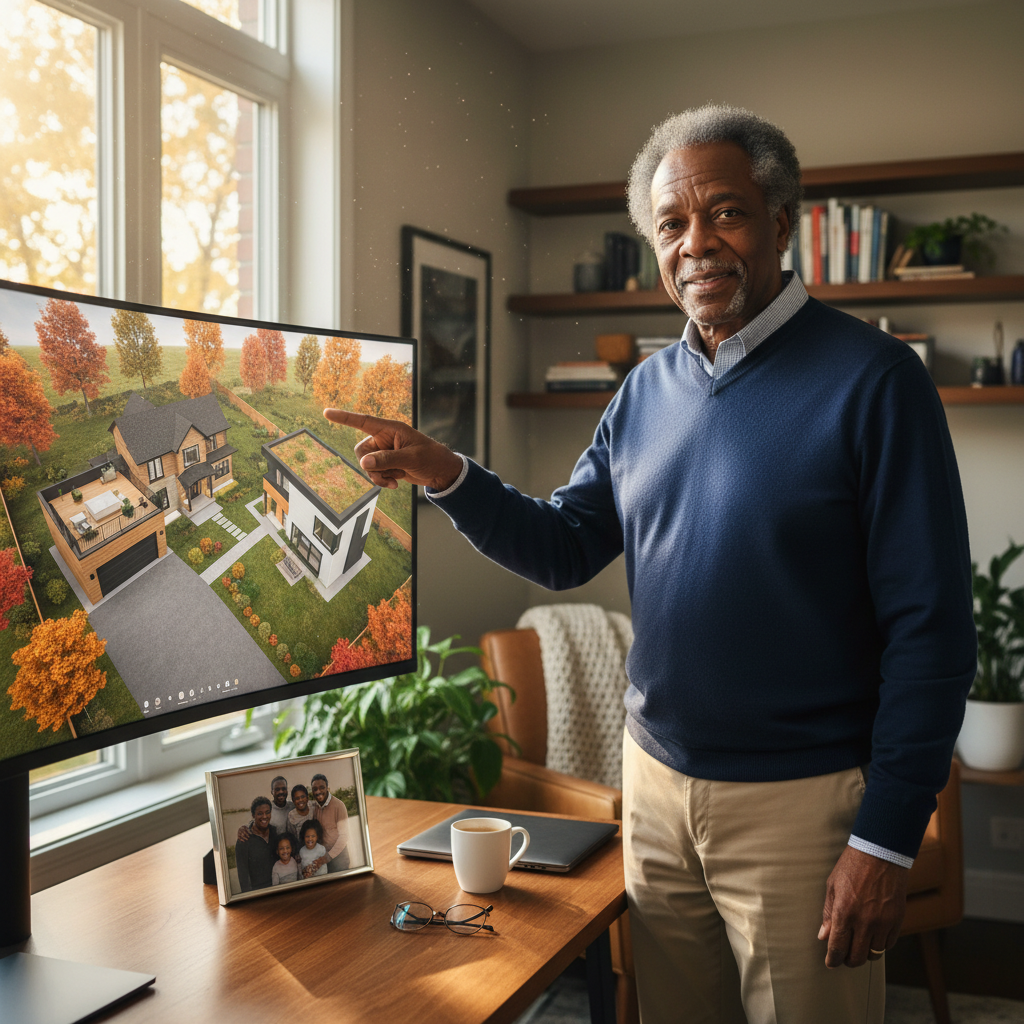
Structuring Your Multigenerational Compound
Model 1: Shared Primary Property + Secondary Residence
Your situation: You own a 1-acre property with your primary home (worth $600,000). Your aging mother needs housing and your adult daughter's family needs affordable housing.
Your solution:
- Keep your home as the primary residence
- Build a secondary home on the property for your mother (funded by reverse mortgage)
- Build another secondary home or ADU for your adult daughter's family
Financing:
- Reverse mortgage of $200,000-$250,000 for construction
- Your mother and daughter contribute modest rent to help pay the reverse mortgage
- Property appreciation over time increases your equity, offsetting the reverse mortgage debt
Long-term: Grandchildren grow up on your property; you age in place with family nearby; your heirs inherit a valuable multi-building compound
Model 2: Accessible Primary Home + Secondary Suite for Aging Parent
Your situation: You own a $400,000 home with your spouse. Both your parents need care; one child lives nearby with children.
Your solution:
- Renovate your primary home for accessibility (grab bars, accessible bathroom, main-floor bedroom)
- Add a secondary suite for your aging parent (separate entrance, independent living)
- Designate upper floors for adult child's family visits
Financing:
- Reverse mortgage of $80,000-$120,000
- Funds accessibility + secondary suite construction
- Your child contributes monthly rent for the secondary suite; helps offset costs
Long-term: You age safely at home with family support; aging parent lives independently but nearby; grandchildren have grandparent access
Model 3: Rural Multi-Building Compound
Your situation: You inherit or own 5+ acres of rural Ontario property. Three adult children want to live near you; aging parents need housing.
Your solution:
- Retain primary home for yourself
- Build secondary residences for adult children and their families
- Create accessible suite or separate home for aging parents
- Develop common areas (family gathering space)
Financing:
- Reverse mortgage of $300,000-$500,000+ (depending on number of buildings)
- Multiple residences; compound effect on property value
- Family members contribute to utilities and maintenance
Long-term: Multi-building family compound becomes a legacy asset; extended family stays connected; property value increases significantly
Model 4: Intergenerational Business Property
Your situation: You own a rural property with a family business (farm, artisan business, professional practice). Your adult child will eventually take over; aging parents need housing nearby.
Your solution:
- Keep business operations on primary property
- Build family residence(s) for business operator and family
- Create housing for aging parents near business
- Develop shared facilities (office, retail, production space)
Financing:
- Reverse mortgage funds construction and improvements
- Business income helps cover reverse mortgage costs
- Eventually, business operator/successor repays reverse mortgage from business profits
Long-term: Business and family housing remain integrated; legacy transferred to next generation; property becomes increasingly valuable

Legal and Financial Structures for Multigenerational Compounds
Successfully operating a compound requires legal clarity:
Shared Property Agreements
Develop written agreements addressing:
- Property boundaries: Which family members have right to which areas?
- Maintenance responsibilities: Who maintains common areas, roads, utilities?
- Expense sharing: How are property tax, insurance, utilities divided?
- Rental arrangements: If some household members pay rent, what are the terms?
- Decision-making: Who decides about property improvements or sales?
Cost: $1,500-$3,000 with a real estate lawyer
Ownership Structure Options
Option A: One Owner (You)
- You own all property
- Adult children and aging parents live there by your invitation
- Simple but creates ambiguity about long-term arrangement
- Heirs may dispute your intentions
Option B: Joint Ownership
- Multiple family members own the property together
- Requires unanimous decision-making for major changes
- Can create conflict if family relationships deteriorate
- Estate complications (property doesn't pass cleanly to heirs)
Option C: Tiered Ownership
- You own primary property
- Adult child owns their residence (with mortgage help from your reverse mortgage)
- Aging parents have life estate (right to live there, but don't own)
- Balances independence with family connection
Option D: Family Trust
- Property held in family trust
- Trustees manage property for benefit of family members
- Provides flexibility for changes and smooth succession
- More complex but best for large/valuable compounds
Cost: $2,000-$5,000 with estate lawyer for trust setup
Liability and Insurance Considerations
When multiple households live on one property:
- Liability insurance must cover multiple households
- Each resident may need own insurance (contents, liability)
- Check with your insurer about compound structure and multi-family setup
- Consider umbrella coverage for shared property liability
These considerations might increase insurance costs by 10-20%.
The Aging Parent Care Dimension
Many compounds are created to care for aging parents while keeping family together:
Advantages:
- Parent maintains independence (separate residence/suite)
- You can monitor safety and coordinate care
- Grandchildren maintain grandparent relationship
- Sharing property costs reduces overall family expense
- Parent avoids nursing home relocation
Challenges:
- Family boundaries blur when living closely
- Privacy concerns for adult child and parent
- Disagreements about care decisions can affect living situation
- Parent may lose independence if conflict develops
Address these with clear agreements and professional support (family counselors, care coordinators).
Tax and Government Benefits Considerations
Setting up a multigenerational compound affects:
Government Benefits:
- OAS/GIS: Living with family members does NOT reduce benefits if you maintain separate residence/suite
- Rental income: If family members pay rent, this is taxable income (though at lower rate than employment)
- Property ownership: If you transfer property to adult children, this may trigger capital gains tax
Estate Planning:
- Consult with tax accountant about capital gains on transferred properties
- Work with estate lawyer about how compound transfer works in your will
- Consider whether you want property split among heirs or kept as family asset
Making Your Multigenerational Compound Work
Essential Practices
- Clear communication: Regular family meetings to discuss property decisions
- Written agreements: Document all arrangement to avoid future conflict
- Professional help: Hire property manager or mediator if needed
- Regular review: Adjust arrangements as circumstances change
- Succession planning: Clarify how compound transfers when you pass
When a Compound Doesn't Work
Sometimes, despite best intentions, multigenerational living creates conflict:
- Adult child feels trapped by parent expectations
- Aging parent feels loss of independence
- Grandchildren suffer from family tension
- Property maintenance creates ongoing disputes
If this develops, your reverse mortgage and compound structure allow for:
- Selling to exit the arrangement
- Converting secondary residences to rental income
- Transitioning aging parent to care facility with funds from property sale
A well-structured reverse mortgage provides exit flexibility if the compound doesn't meet everyone's needs.
Key Takeaways
- A reverse mortgage on your Ontario home is available to homeowners 55+ and can fund $15,000-$500,000+ in compound construction, depending on scope.
- Typical secondary residence or ADU construction costs $100,000-$350,000, while accessibility modifications for an aging parent run $15,000-$50,000.
- Homeowners can generally borrow 15-59% of their home's appraised value, with no monthly payments required.
- OAS and GIS benefits are not reduced by multigenerational living arrangements as long as each household maintains a separate residence or suite.
- Four common ownership structures—sole ownership, joint ownership, tiered ownership, and family trust—offer different tradeoffs between simplicity and long-term flexibility.
- Reverse mortgage proceeds are received tax-free, and the loan comes with negative-equity protection so you'll never owe more than your home's fair market value at settlement.
Frequently Asked Questions
Can I use a reverse mortgage to build a second home on my property for a family member?
Yes. As long as you remain on title and continue living in the property as your primary residence, reverse mortgage funds can be used for construction, additions, or secondary suites, including housing for adult children or aging parents.
Will having family members live on my property affect my OAS or GIS benefits?
No. OAS and GIS are based on your individual income, not on who lives with you. As long as you and your family members maintain separate households or suites, having relatives on your property does not reduce these benefits.
Do all family members need to be on the reverse mortgage or on title?
No. A reverse mortgage is registered against the primary property and its titled owners (all of whom must be 55+). Adult children or aging parents living in secondary residences on the same lot are not required to be on title or on the mortgage.
What happens to the reverse mortgage if I want to sell the compound later?
The reverse mortgage becomes due when the last titled homeowner sells, moves out permanently, or passes away. You can sell at any time; the loan balance is repaid from the proceeds, and any remaining equity belongs to you or your estate.
Is rental income from family members living in a secondary suite taxable?
Yes. If a family member pays rent, that income is generally taxable, though it's typically taxed at a lower effective rate than employment income. Speak with an accountant about reporting requirements specific to your situation.
How long does it take to get reverse mortgage funding for a compound project?
Approval typically takes a few weeks once an appraisal and required documentation are complete. Complex compound projects with multiple structures may take longer due to municipal permitting and zoning review, which happens independently of the mortgage process.
Next Steps to Create Your Family Compound
- Assess your property (size, zoning, development potential)
- Consult family members about multigenerational living interest and expectations
- Work with real estate lawyer to understand ownership and agreement options
- Get architect/contractor quotes for your specific development plans
- Request reverse mortgage pre-qualification for funding your compound
- Establish legal framework (shared property agreement, trust if applicable)
Conclusion
A multigenerational family compound represents a powerful evolution of home ownership—transforming your property from a personal residence into a family asset that houses and supports multiple generations.
A reverse mortgage provides the financial catalyst, enabling you to develop the infrastructure needed to keep your extended family together while aging in place.
If you're an Ontario homeowner 55+ with property large enough for multigenerational living, and family members interested in this arrangement, a reverse mortgage could fund your compound and create a lasting family legacy.
Contact a reverse mortgage specialist and real estate lawyer to explore whether a multigenerational compound aligns with your retirement goals and family values.
Ready to Learn More?
Find out exactly how much you could unlock from your home — free and no obligation.
Related Articles
Reverse Mortgage for Creating Multigenerational Grief Support Spaces in Your Home
Fund home modifications that create healing spaces for multigenerational bereavement. Living legacy investment in family emotional wellness and grief recovery.
Read →Reverse Mortgage for Adult Child's Workplace Ergonomics: Preventing Occupational Injury
Fund ergonomic workspace setup to prevent repetitive strain injury, back pain, and occupational disability in your adult child. Living legacy health investment.
Read →Reverse Mortgage for Adult Child's Professional Mentorship Program Launch
Fund your adult child's mentorship coaching business. Living legacy investment in career guidance and professional development for emerging talent.
Read →