
Reverse Mortgage for Inter-Spousal Home Buyout: Health Changes & Housing Restructuring
Restructure home ownership when one spouse's health deteriorates. Fund inter-spousal buyout with reverse mortgage.
One spouse's major health diagnosis—dementia, mobility loss, or assisted living need—suddenly changes who should own the family home. Rather than selling (and uprooting both partners), a reverse mortgage funds an inter-spousal buyout, letting one spouse buy out the other's equity interest while ensuring both are financially protected. This restructures home ownership to reflect changed health needs without the trauma of selling.
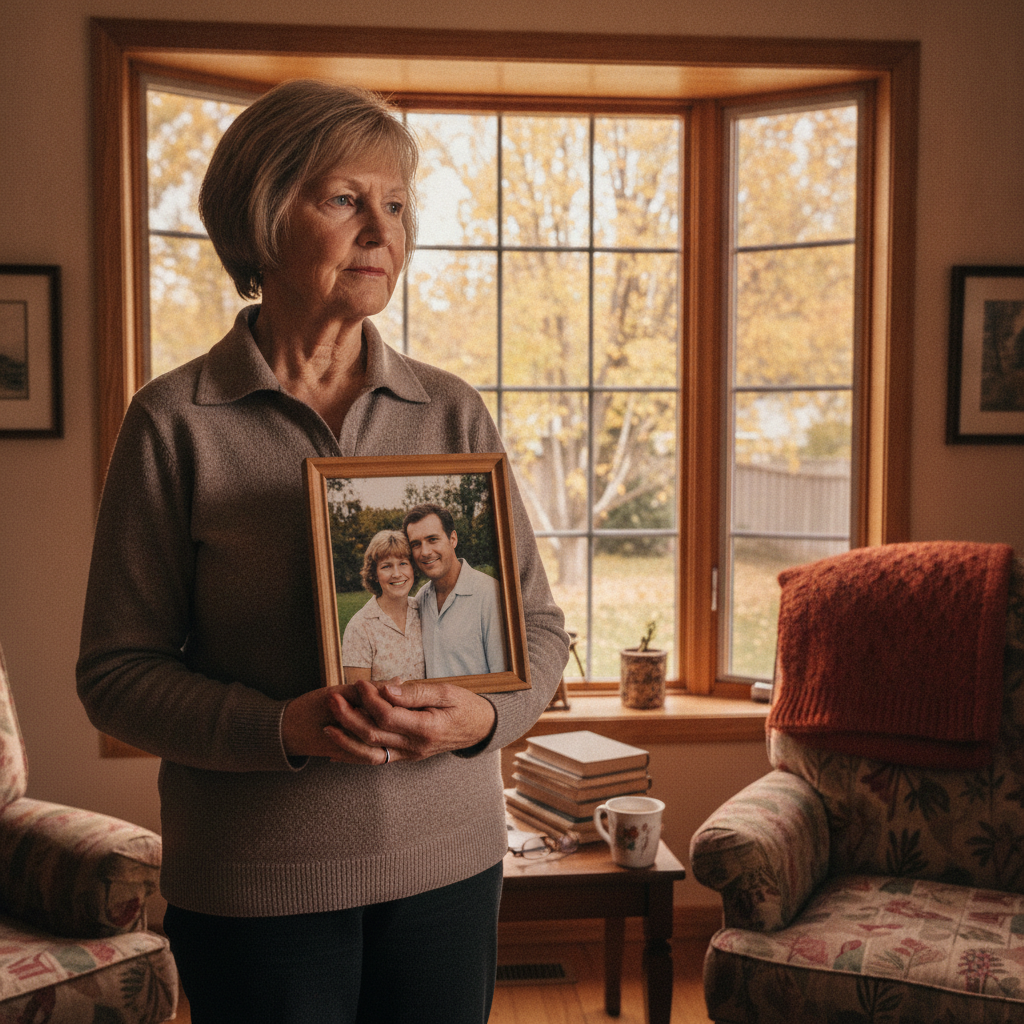
When Inter-Spousal Home Buyouts Become Necessary
Marriage assumes lifelong partnership in a shared home. But health changes force difficult decisions:
-
Scenario 1: One spouse develops advanced dementia and moves to memory care facility. The healthy spouse wants to stay in the family home but no longer needs both partners' financial support. An inter-spousal buyout lets the healthy spouse buy out the dementia spouse's equity interest at fair value.
-
Scenario 2: One spouse's mobility loss means the family home (despite renovations) is no longer safe. The disabled spouse needs to relocate to accessible housing or assisted living, while the other spouse prefers to stay. A buyout lets each pursue their ideal living situation without forcing compromise.
-
Scenario 3: One spouse's cognitive decline increases elder financial abuse risk. A buyout protects assets by transferring home equity to the unimpaired spouse while ensuring the impaired spouse has liquid funds for their care.
A reverse mortgage elegantly solves these situations by providing capital for buyouts that preserve dignity, fairness, and independence for both partners.
According to Statistics Canada, 1 in 5 Canadian couples experiences a major health event requiring relocation or living arrangement change during their retirement years. Of those, 68% report stress around the home ownership/equity question.
The Inter-Spousal Buyout Formula
When one spouse's health deteriorates, the inter-spousal buyout restructures ownership fairly:
Example: Robert & Sue's Dementia Diagnosis
Robert, 74, and Sue, 72, owned a $600,000 home in Oakville with no mortgage. Both were on title as equal joint owners (worth $300,000 each in equity).
Robert was diagnosed with early-stage Alzheimer's. Within 2 years, he needed memory care facility placement. Sue wanted to stay in the family home. They needed an inter-spousal buyout.
Valuation:
- Current home value: $600,000
- Robert's equity interest: $300,000 (50% ownership)
- Sue's equity interest: $300,000 (50% ownership)
The buyout:
- Sue keeps the home and buys out Robert's $300,000 equity interest
- Sue funds the buyout through a reverse mortgage (age 72, suitable for RM access)
- Robert receives $300,000 (fair value for his equity share)
- Robert uses funds to:
- Pay for memory care facility costs ($4,000–$6,000/month)
- Support his own care during his remaining years
- Leave inheritance to children if funds remain
Post-buyout structure:
- Sue owns the home outright (in her sole name)
- Sue has reverse mortgage debt (no monthly payments during her lifetime)
- Robert has liquid capital for his care needs
- Both partners' interests are protected
Reverse Mortgage as the Buyout Financing Tool
| Buyout Financing Option | Capital Source | Monthly Payment | Interest Cost (10 years) | Best For |
|---|---|---|---|---|
| Reverse Mortgage | Home equity; tax-free proceeds | None | ~$20,000 (at 5.5%) | Healthy spouse wants to stay; no income pressure |
| HELOC | Home equity; variable interest | Yes (~$1,200–$1,800) | ~$12,000 | Healthy spouse has income to support payments |
| Refinance mortgage | Home refinance; traditional mortgage | Yes (~$1,200–$2,000) | ~$15,000 (total mortgage cost) | Healthy spouse is <age 70; strong income |
| Sell home + split proceeds | Home sale; buy 2 separate homes | Variable | N/A | Both spouses willing to relocate |
Reverse mortgage is ideal when: ✓ Healthy spouse is 55+ ✓ No monthly income available to support HELOC payments ✓ Want to stay in family home permanently ✓ Aging in place is a priority ✓ Children's inheritance is secondary to parents' current security

Legal Structure: Protecting Both Spouses
An inter-spousal buyout requires legal documentation:
Required Documents (Prepared by Family Lawyer)
-
Buyout Agreement — Specifies the equity purchase price, payment terms, and timeline (typically $200–$500 legal fee)
-
Deed of Release — The selling spouse formally transfers their equity interest to the buying spouse (included in deed prep)
-
Title Change — Home transfer from joint ownership to sole ownership of buying spouse (typically $300–$800 in legal and land registry fees)
-
Power of Attorney Update — If the health-declining spouse is still capable, establish or update Power of Attorney for property while they can still grant it (typically $200–$400 legal fee)
Total legal cost: $700–$1,700 (easily covered by reverse mortgage proceeds)
Critical Timing: Act Before Cognitive Decline Progresses
The buyout must occur while both spouses can legally consent. Once the declining spouse loses capacity, you cannot execute an inter-spousal buyout—you can only manage assets through Power of Attorney or guardianship, which are much more restrictive.
Red flag: If dementia or cognitive decline is advancing, execute the buyout within months, not years. Delay increases risk that legal capacity is lost before paperwork can be finalized.
Tax Implications of Inter-Spousal Home Buyout
Principal Residence Exemption (PRE)
In Canada, your principal residence is exempt from capital gains tax. An inter-spousal buyout of a principal residence does NOT trigger capital gains—it's simply a transfer of ownership with no deemed disposition for tax purposes.
Exception: If the home is no longer the principal residence for one spouse (e.g., Robert moves to memory care), his equity interest may trigger capital gains tax when purchased by Sue. Consult a tax accountant before finalizing.
Reverse Mortgage Proceeds (Tax-Free)
Funds used to pay for the buyout are tax-free loan advances. They do NOT count as income for tax purposes and do NOT reduce OAS or GIS.
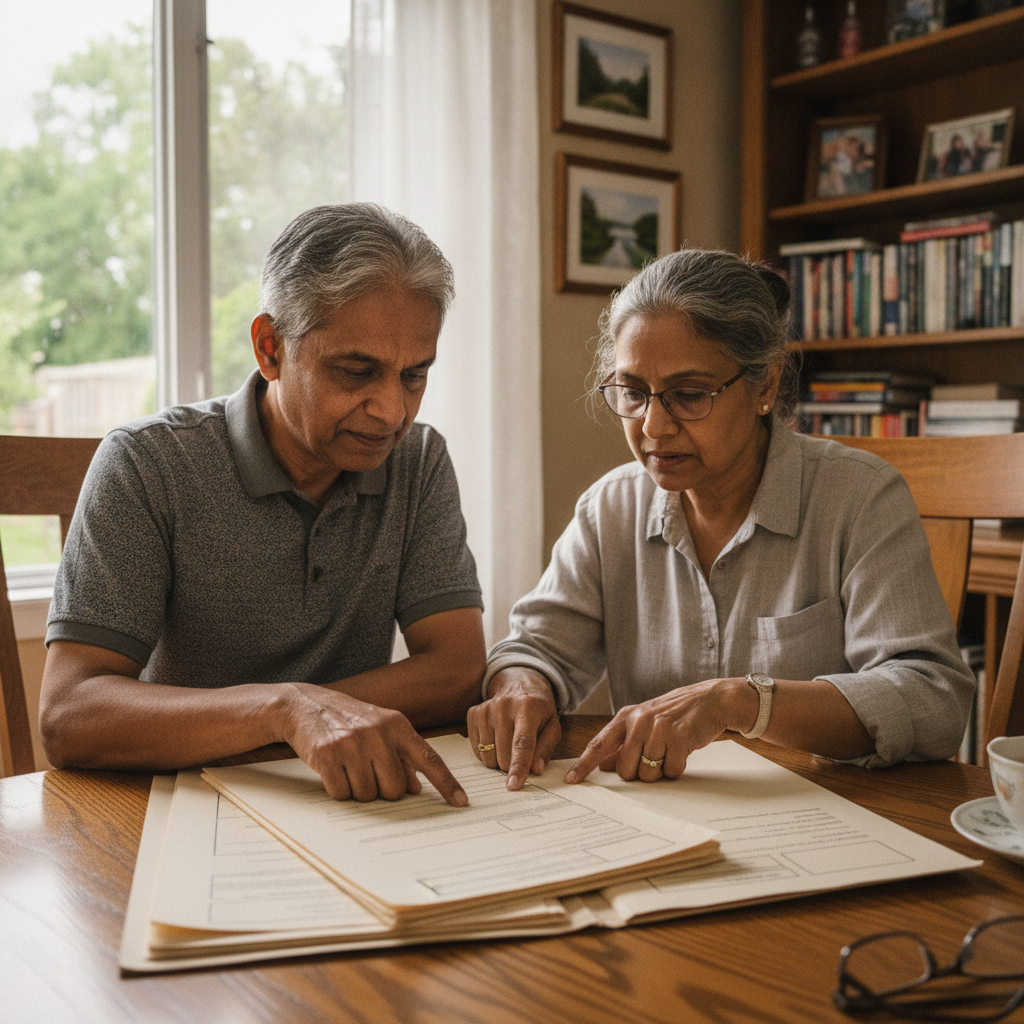
Steps to Execute an Inter-Spousal Home Buyout
Step 1: Get Independent Appraisal
Both spouses (or their representatives) should agree on home value. An independent appraisal ensures fairness if the buyout is ever challenged legally (rare, but important for protection).
Cost: $300–$600
Step 2: Determine Buyout Price & Terms
Based on home value and current ownership stakes:
- If joint owners 50/50: each spouse's buyout price = 50% of home value
- If other ownership split: adjust proportionally
Decide:
- Will the buyout be funded in one lump sum or installments?
- Will the declining spouse receive cash, or will funds be held in trust for their care?
Step 3: Consult Lawyer & Tax Accountant
Family lawyer prepares buyout agreement; accountant reviews tax implications.
Combined cost: $800–$1,500
Step 4: Apply for Reverse Mortgage
Contact Rick Sekhon Reverse Mortgages or a licensed specialist. Explain the inter-spousal buyout situation. Lenders like CHIP, Equitable Bank, and HomeEquity Bank are experienced with this scenario.
You'll need:
- Appraisal of current home value
- Buyout agreement (draft from lawyer)
- Documentation of co-spouse's health situation (diagnosis letter)
Step 5: Fund Buyout; Update Title
Once reverse mortgage closes:
- Funds are transferred to the selling spouse (as agreed)
- Lawyer files deed transferring home to sole ownership
- Reverse mortgage is registered against the home (in sole owner's name)
- Original mortgage/HELOC is discharged (if applicable)
Protecting the Declining Spouse's Interests
Fair inter-spousal buyouts protect both partners. Key safeguards:
✓ Fair market appraisal — both parties agree on home value ✓ Independent legal advice — ideally, the declining spouse has their own lawyer ✓ Written agreement — terms are clear; prevents disputes later ✓ Liquid funds for care — the declining spouse receives cash (not just promises) for their equity ✓ Estate documentation — both spouses' wills/POAs reflect the new ownership structure
Courts are cautious about inter-spousal transactions when one party is declining in health. Fairness and proper documentation protect all parties.
Key Takeaways
- Inter-spousal buyouts restructure home ownership when one spouse's health deteriorates—avoiding forced home sales.
- Reverse mortgage is the ideal financing tool: tax-free capital, no monthly payments, flexible timing.
- Buyout price = fair market value × ownership percentage (typically 50% each for joint owners).
- Legal documentation ($700–$1,700) ensures fairness and protects both spouses' interests.
- Act quickly: buyout must complete while declining spouse retains legal capacity (within months, not years).
- CHIP, Equitable Bank, HomeEquity Bank, and Bloom Financial all approve inter-spousal buyout financing.
Frequently Asked Questions
What if my spouse is already losing cognitive capacity?
You may need to involve a guardian or Power of Attorney instead of executing a buyout. Consult a family lawyer immediately—the window to act is closing.
Will the buyout affect our children's inheritance?
The children inherit the home (in the healthier spouse's name) and assets the declining spouse left to them. The buyout is a property restructuring, not a disinheritance—transparency in your wills prevents disputes.
What if home value drops after the buyout?
The buyout price is locked in at signing. Home value changes after the buyout don't reopen the agreement. Both spouses bear the risk/reward of future value changes.
Can I do an inter-spousal buyout to protect assets from creditors?
Consult a lawyer. Buyouts executed specifically to avoid creditor claims can be challenged as fraudulent conveyances. Legitimate health-driven buyouts are protected; creditor-avoidance buyouts are not.
What happens to the reverse mortgage if the healthy spouse dies first?
The reverse mortgage becomes due and payable. The estate must repay it (typically by selling the home or using other assets). This is why estate planning around the reverse mortgage is critical.
Should I consult Rick Sekhon before or after getting a lawyer?
Both. Speak with Rick Sekhon early to understand reverse mortgage approval and timing. In parallel, consult a family lawyer for the buyout agreement and title work. Both professionals will coordinate.
Restructure your home ownership to reflect changed health needs while staying rooted in your family home. Get your free Ontario Reverse Mortgage Guide →
Ready to Learn More?
Find out exactly how much you could unlock from your home — free and no obligation.
Related Articles
Aging Together: Reverse Mortgage to Help Couples Stay in Their Home
For couples aging together, a reverse mortgage enables one spouse to manage care for the other while staying in your shared home. Here's how it works and what to plan for.
Read →Spousal Protection and Reverse Mortgages: Joint Borrower Rules Canada
How reverse mortgages work for couples in Canada. Joint borrower rules, spousal protection, what happens when one partner dies or moves to care, and age requirements.
Read →Reverse Mortgage for Aging in Place With Fibromyalgia: Home Modifications for Invisible Illness
Fund home modifications for aging with fibromyalgia. Reverse mortgage enables accessible design for pain management, energy conservation, and quality of life.
Read →