
Reverse Mortgage for Home-Based Assistive Technology Lending Library and Device Sharing Business
Create a community resource by funding a home-based assistive technology lending library with a reverse mortgage. Help seniors access adaptive equipment while generating income.
What if your home could become a community hub providing adaptive equipment to seniors who can't afford to buy? A reverse mortgage can help you establish a home-based assistive technology lending library—generating modest income while serving your aging community and reducing isolation in your own life.
For many Ontario seniors on fixed incomes, adaptive equipment (mobility aids, hearing devices, bathroom safety equipment, cognitive aids) represents a significant barrier to aging in place. Equipment libraries—where individuals borrow devices instead of purchasing them—exist in some urban areas but remain rare, especially in rural Ontario. By establishing a lending library from your home, you create a sustainable social enterprise that serves genuine need while funding your own aging-in-place costs.
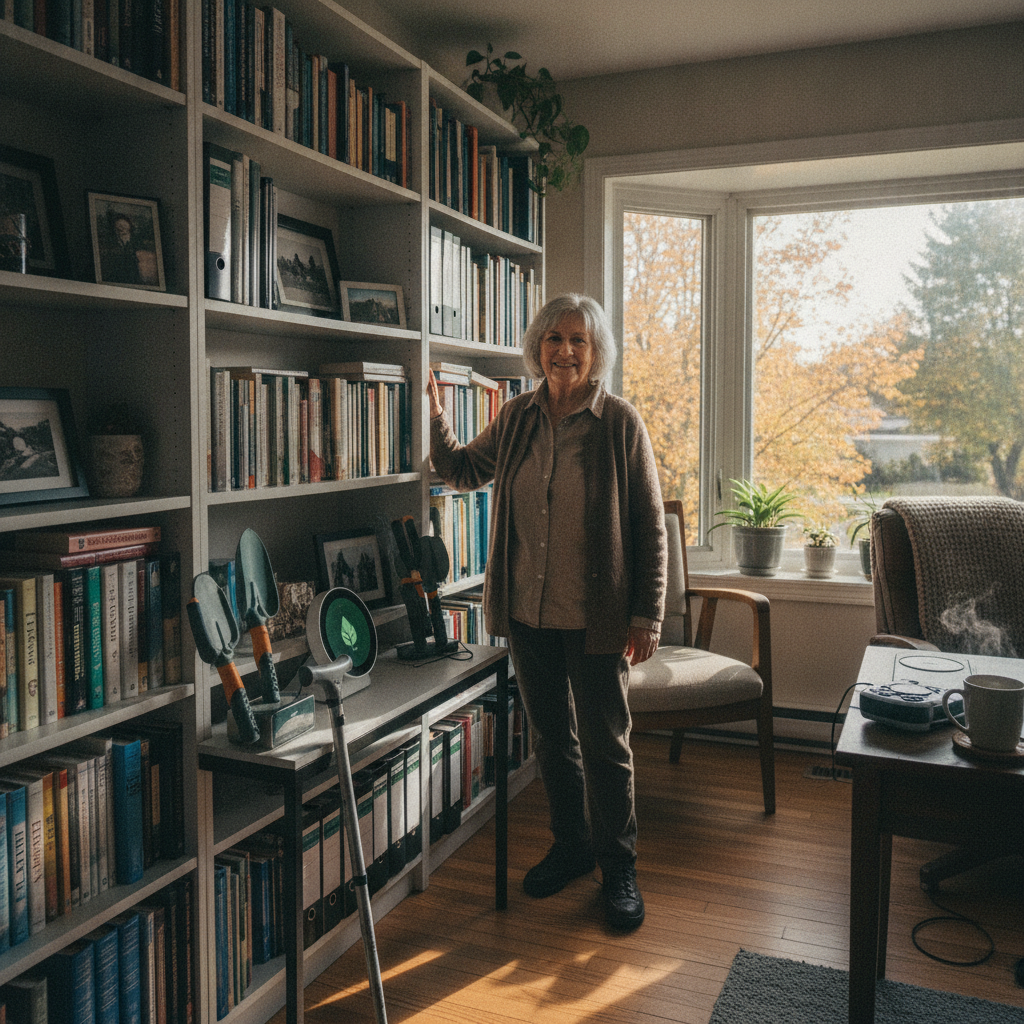
Understanding Assistive Technology Lending Libraries
Assistive technology lending libraries are nonprofit or social enterprise businesses that acquire adaptive equipment, maintain it, and lend it to individuals at reduced cost or free of charge. Libraries operate on simple economics: buy equipment in bulk, coordinate distribution through staff, recover costs through modest rental fees or donations, and reinvest in new inventory.
Libraries serve critical functions:
- Access barriers reduction: Low-income seniors can try equipment before buying
- Waste reduction: Equipment gets reused instead of discarded after single-user retirement
- Community connection: Individuals connect with peers managing similar disabilities or aging challenges
- Income generation: Business models sustain through lending fees ($5–$20/month per device)
In Ontario, programs like the Equipment for Independence Program exist in some health regions, but availability is spotty. Creating a home-based library fills a gap while generating sustainable income.
Founding a Home-Based Equipment Library
Starting a home-based lending library requires:
Initial Equipment Inventory ($3,000–$8,000)
A reverse mortgage funds purchasing equipment in categories that match local demand:
| Equipment Category | Examples | Purchase Cost | Rental Market |
|---|---|---|---|
| Mobility aids | Canes, walkers, rollators (5–10 units) | $500–$1,500 | $5–$15/month |
| Bathroom safety | Grab bars, shower chairs, raised toilet seats (10–15 units) | $800–$2,000 | $5–$10/month |
| Daily living aids | Long-reach grabbers, pill organizers, adaptive utensils (20+ units) | $400–$800 | $3–$8/month |
| Hearing/vision aids | Amplified phones, large-button devices, magnifiers (10–20 units) | $1,000–$2,000 | $5–$15/month |
| Cognitive support | Digital calendars, medication reminders, fall alert systems (5–10 units) | $500–$2,000 | $8–$20/month |
| Breathing/mobility equipment | Oxygen concentrators, CPAP machines, transfer equipment | $2,000–$5,000 | $20–$40/month |
| Total starter inventory | 50–80 items | $5,200–$13,300 | Mixed pricing |
Home Modification for Library Operations ($2,000–$5,000)
Your home needs space to safely store, clean, and organize equipment:
- Dedicated storage room or shelving ($800–$2,000): Climate-controlled, organized by category
- Sanitization and maintenance station ($500–$1,000): Cleaning supplies, display areas for demonstration
- Accessible entryway for client visits ($400–$1,000): Safe greeting area where borrowers can pick up/return equipment
- Secure check-in area ($300–$500): Desk or table for intake forms, payment processing
- Parking and accessibility signage ($300–$500): Clear indication that equipment pickup is available
Business Infrastructure ($1,500–$3,000)
- Lending management software ($50–$200/month): Tracks inventory, borrower information, payment history
- Liability insurance ($800–$1,500 annually): Protects against claims if borrowed equipment causes injury
- Business license and permits ($200–$500): Local/provincial business registration
- Initial marketing ($500–$1,000): Flyers, signage, local partnership promotion
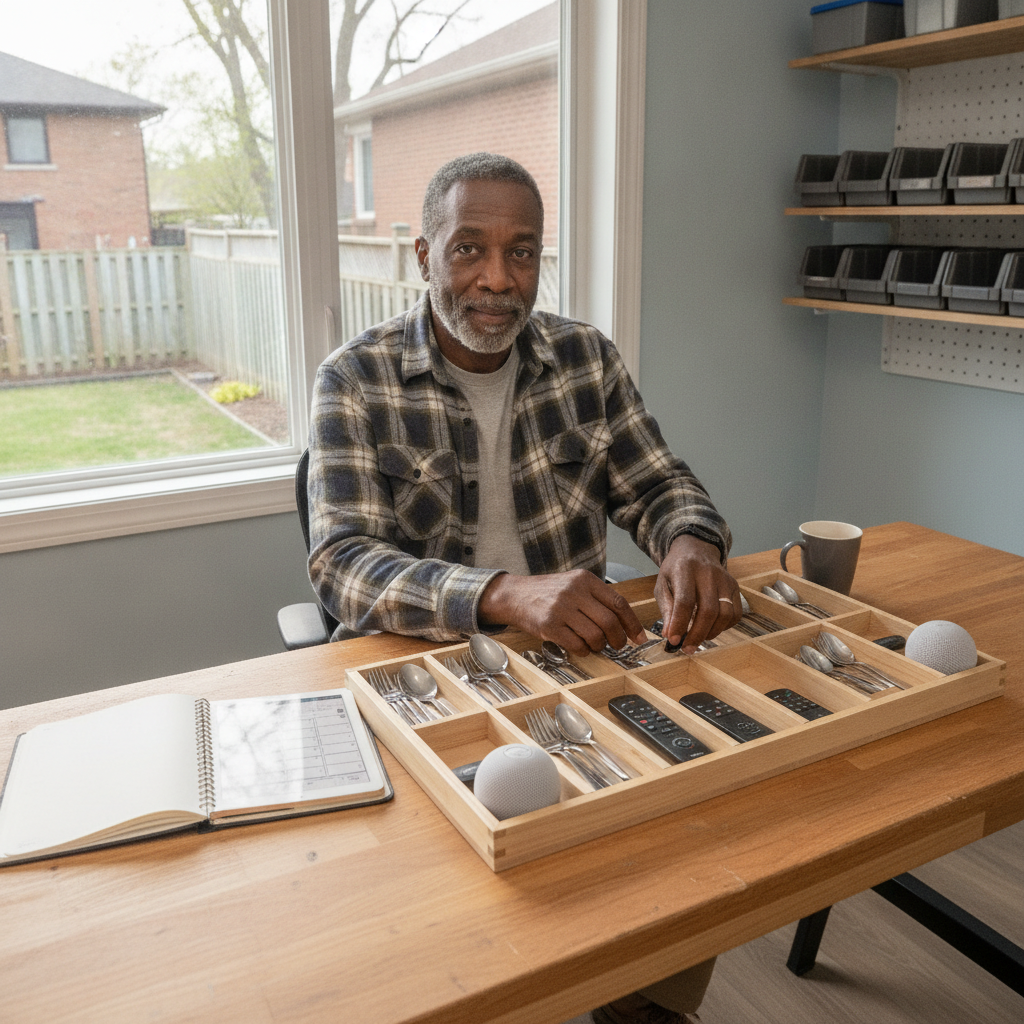
Revenue Model and Financial Sustainability
Home-based equipment libraries generate modest but sustainable income through:
Rental Fees
Monthly rental model: Borrowers pay $5–$20 monthly depending on equipment value:
- Basic items (canes, pill organizers): $3–$8/month
- Mid-range items (walkers, shower chairs): $10–$15/month
- High-value items (oxygen concentrators, hospital beds): $25–$40/month
Deposit system: Borrowers pay refundable deposit ($50–$200) to ensure equipment return.
Donation model: Some libraries operate on "pay what you can" basis, generating $3–$10/month average per active borrower.
Annual Financial Projections
| Scenario | Active Borrowers | Monthly Revenue | Annual Revenue | Annual Costs | Net Profit |
|---|---|---|---|---|---|
| Conservative (part-time start) | 20–30 borrowers | $200–$400 | $2,400–$4,800 | $2,000 | $400–$2,800 |
| Moderate (established library) | 50–75 borrowers | $600–$1,200 | $7,200–$14,400 | $3,000–$4,000 | $3,200–$10,400 |
| Growing (mature operation) | 100+ borrowers | $1,200–$2,000 | $14,400–$24,000 | $5,000–$7,000 | $7,400–$19,000 |
A well-run home-based library generates $3,000–$15,000 annually while serving 30–100 community members.
Expanding Revenue Beyond Lending
Service Income
Equipment demonstration and training ($20–$50/session): Teaching borrowers how to safely use equipment (walkers, mobility aids, adaptive devices).
Modification and customization ($30–$100/item): Personalizing equipment (padding, height adjustment, labeling) to individual needs.
Care coordination referral fees ($50–$200 per referral): Connecting borrowers with home care, occupational therapy, or medical supply companies.
Grant funding and donations: Many health foundations and charitable organizations fund equipment programs. Your library can apply for grants ($5,000–$50,000) to expand inventory.
Operational Challenges and Solutions
Equipment Maintenance and Replacement
Equipment requires regular sanitization, repair, and eventual replacement. Budget $1,000–$2,000 annually for maintenance. Partner with local occupational therapists or equipment repair services to reduce costs.
Liability and Insurance
Professional liability insurance is non-negotiable. Policies typically cost $800–$1,500 annually but protect against claims if borrowed equipment fails or causes injury. Work with FCAC (Financial Consumer Agency of Canada) or local business advisors to ensure adequate coverage.
Local Partnerships
Expand reach by partnering with:
- Senior centers and community centers: Advertise your library; use their spaces for monthly equipment showcases
- Home care agencies: Refer clients needing temporary equipment; receive referrals back
- Occupational therapy clinics: Partner for equipment recommendations and training
- Healthcare providers: Family doctors and specialists recommend your service to patients
Key Takeaways
- Equipment libraries fill genuine access gaps. Many Ontario seniors can't afford adaptive equipment; lending models provide affordable access while generating sustainable income.
- Home-based libraries require $8,000–$16,000 startup investment. A reverse mortgage covers initial inventory, home modification, and business infrastructure.
- Modest but sustainable income potential exists. Well-run libraries generate $3,000–$15,000 annually with 30–100 active borrowers.
- Your aging in place improves. By housing a library at your home, you create community visits, social connection, and purpose—key factors in healthy aging.
- Scaling is possible. Initial library can expand to multiple locations, nonprofit incorporation, or grant funding for larger operations.
- Community impact multiplies. Every piece of equipment you lend enables someone to stay home longer, reducing social isolation and public healthcare costs.
Frequently Asked Questions
What liability protection do I need to operate an equipment lending library from my home?
Professional liability insurance ($800–$1,500 annually) is essential. Your homeowner's policy won't cover business activities. Liability coverage protects you if borrowed equipment fails and causes injury. Consult with an insurance broker about business policies that include product liability (equipment) and professional liability (training/advice).
How do I ensure equipment is returned safely and undamaged?
Use a deposit system ($50–$200 per item) and clear rental agreements. Photograph equipment condition when lent and returned. Maintain a simple digital record using lending software that tracks rental dates and borrower information. Most libraries find 95%+ equipment return rates through accountability and community trust.
Can I operate this as a nonprofit to access grants?
Yes. Many libraries eventually incorporate as nonprofits (501(c)(3) equivalent in Canada) to access foundation grants and tax-deductible donations. However, you can start as a sole proprietor or social enterprise (for-profit business with community mission) to generate personal income through reverse mortgage funding. Transition to nonprofit later if desired.
What equipment should I stock first?
Start with high-demand, lower-cost items: canes, walkers, shower chairs, grab bars, pill organizers, and adaptive utensils. These serve the broadest population (seniors with mobility limitations) and generate consistent rental income. Expand to specialized equipment (oxygen concentrators, hospital beds) as your library grows and revenue allows.
How do I find borrowers and build a customer base?
Partner with senior centers, home care agencies, and occupational therapy clinics for referrals. Post flyers at doctor's offices, pharmacies, and community centers. Host monthly "equipment showcases" where community members learn about available items. Word-of-mouth is powerful—satisfied borrowers recommend your library to friends.
Is this sustainable if I'm aging and eventually need the equipment myself?
Absolutely—this is an elegant feature of home-based libraries. As you age, you have immediate access to equipment you've curated and maintained. You're building your own aging-in-place resources while serving your community. The library can transition to your adult children or transition to a nonprofit with professional management as you age further.
Build Community While Aging in Place
A home-based assistive technology lending library transforms your home into a community asset while generating modest sustainable income. By funding inventory and operations through a reverse mortgage, you're solving a real problem (equipment access), building social connection (visitors, partnerships, purpose), and creating a model that ages with you.
To explore reverse mortgage options for social enterprise funding, contact Rick Sekhon Reverse Mortgages or consult FSRAO (Financial Services Regulatory Authority of Ontario). Organizations like Volunteer Ontario and local community development organizations can provide nonprofit guidance and partnership opportunities.
Your home becomes more than shelter—it becomes a healing hub serving your aging community.
Ready to Learn More?
Find out exactly how much you could unlock from your home — free and no obligation.
Related Articles
Reverse Mortgage for Home-Based Forensic Genealogy and Family History Research Practice
Fund your home-based forensic genealogy research business. Reverse mortgage provides startup capital for specialized ancestry and family history consulting.
Read →Reverse Mortgage for Aging in Place With Fibromyalgia: Home Modifications for Invisible Illness
Fund home modifications for aging with fibromyalgia. Reverse mortgage enables accessible design for pain management, energy conservation, and quality of life.
Read →Reverse Mortgage for Adult Child's Executive Coaching and Leadership Development Practice
Fund your adult child's independent executive coaching business. Reverse mortgage provides startup capital for high-value leadership coaching in Ontario.
Read →