
Reverse Mortgage for Health-Driven Provincial Relocation: Retirement to Warmer Climate
Relocate to a healthier province for your health with a reverse mortgage. Fund the move while staying in Canada when climate matters to aging.
Can a reverse mortgage help you move to a warmer province when your health depends on it? Many Ontario seniors with arthritis, COPD, or seasonal affective disorder find that winter climate directly impacts their medical outcomes. Relocating to British Columbia, Alberta, or even southern Ontario's milder zones can dramatically improve quality of life—but the costs of selling a home, buying in a new province, and managing two properties during transition are substantial. A reverse mortgage can fund the move without forcing a fire sale or depleting retirement savings.
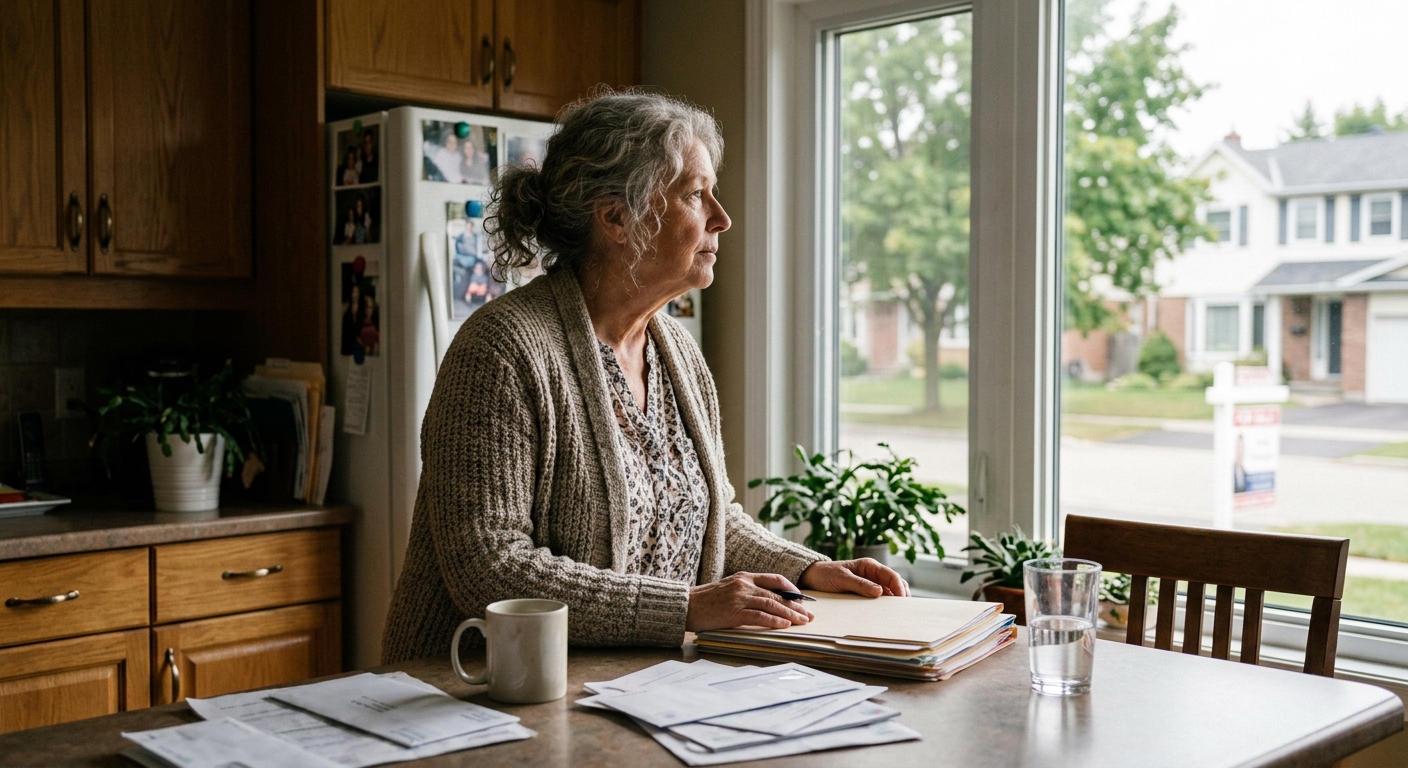
The Health-Climate Connection for Ontario Retirees
Climate and weather significantly impact chronic disease outcomes in seniors, particularly arthritis, respiratory conditions, and seasonal mental health. Research from Health Canada shows that cold, dry winters increase hospitalization rates for COPD patients by 15–20%, and arthritis pain intensifies below 10°C.
Why Ontario winters hurt aging bodies
- Arthritis pain escalates: Joint inflammation worsens in cold, high-pressure weather systems (common in Ontario)
- COPD complications rise: Cold air restricts airways; winter hospitalizations for COPD in Ontario run 30% higher than summer months
- Seasonal affective disorder (SAD) worsens: Ontario's 5-month winter with limited daylight triggers depression and mood disorders in 15% of seniors
- Slip-and-fall injuries increase: Snow, ice, and salt create hazard zones; seniors' fall injuries spike 40% in winter months
- Heating costs strain budgets: Winter heating costs in Ontario average $200–$400/month, draining fixed retirement incomes
According to Health Canada's National Climate Change Adaptation Strategy, climate-driven health impacts on aging Canadians are accelerating, with provinces like British Columbia, coastal Alberta, and southern regions showing significantly better outcomes for seniors with chronic respiratory and joint conditions.
The Relocation Solution
Warmer provinces offer measurable health improvements:
| Health Condition | Ontario Winter Impact | Warmer Province Improvement |
|---|---|---|
| Osteoarthritis pain | Severe (8–9/10 in coldest months) | Mild (3–4/10 year-round) |
| COPD exacerbations | 15–20% increase in winter | Stable year-round |
| SAD episodes | 40–50% of seniors affected | 10–15% affected |
| Slip/fall injuries | 40% increase Nov–March | Consistent low year-round |
| Heating costs | $200–$400/month | $40–$100/month (or $0) |
Moving from Ontario to British Columbia (coastal), Alberta (Calgary/Edmonton), or even southern Ontario (Niagara, Windsor) can mean the difference between managing a condition and being sidelined by it.
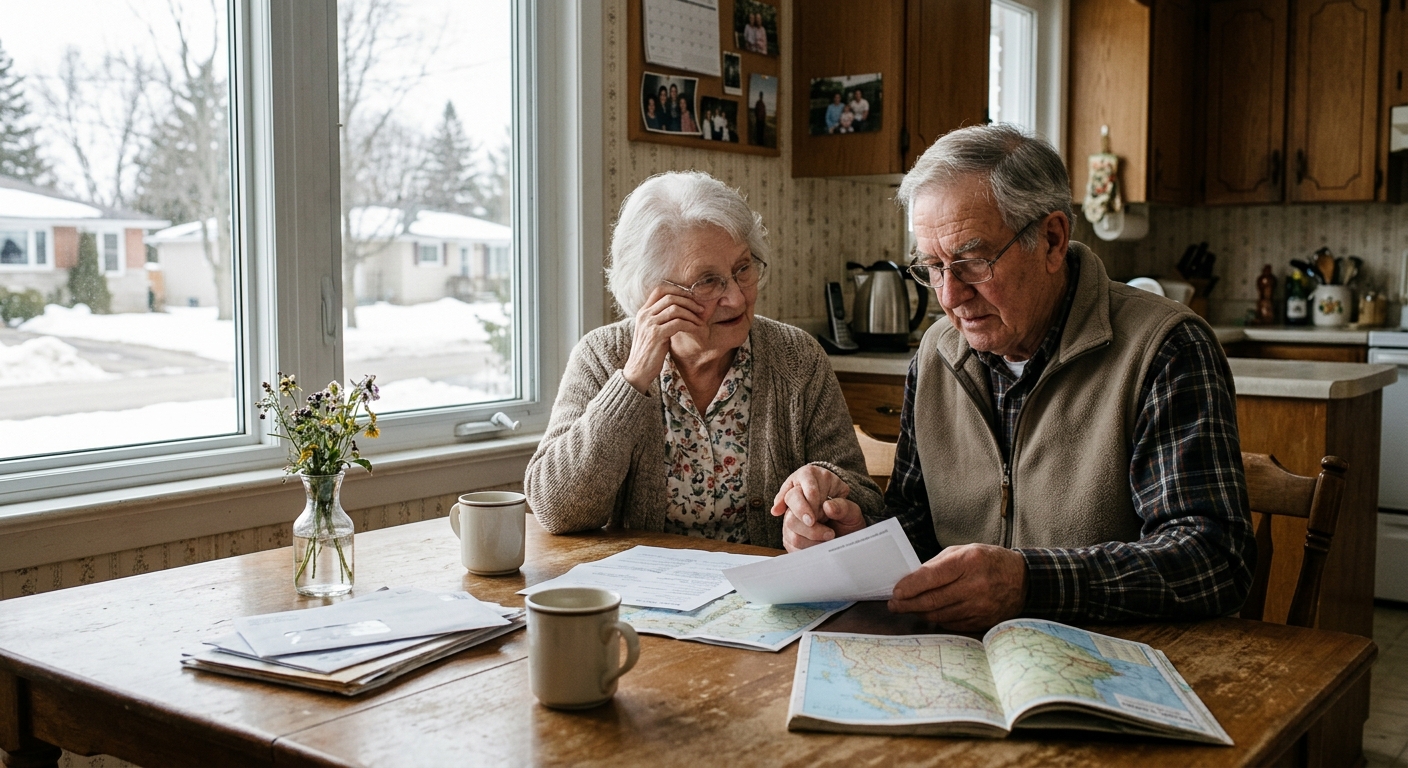
Reverse Mortgage Funding the Health-Driven Move
A health-driven relocation involves multiple costs that exceed most retirement savings:
| Cost Category | Typical Amount |
|---|---|
| Sell Ontario home (realtor fees 4–5%) | $16,000–$30,000 |
| Buy new property (inspection, legal, title) | $5,000–$12,000 |
| Moving company (household goods + medical equipment) | $8,000–$15,000 |
| Temporary housing during transition | $3,000–$8,000 |
| Home modifications in new province (accessibility) | $10,000–$30,000 |
| Professional relocation consultation | $2,000–$5,000 |
| Total typical cost | $44,000–$100,000 |
Most Ontario retirees have only $60,000–$120,000 in liquid retirement savings. A health-driven move would deplete their entire emergency fund, leaving them vulnerable.
A reverse mortgage solves this problem by:
- Providing capital without selling (you borrow against current equity, not forced sale proceeds)
- Extending timeline (you can sell at your pace, in a buyer's market, not desperation timing)
- Preserving estate (proceeds supplement sale proceeds; less pressure to negotiate down)
- Bridging transition periods (funding short-term rental while buying in new province)
Real-World Example: From Ontario Winter to BC's Mild Coast
Michael, 71, in Toronto has severe osteoarthritis and COPD. Winter hospitalizations cost him 3–4 months annually in reduced mobility and lung function. His rheumatologist recommends relocating to coastal BC (Nanaimo, Victoria, or Gulf Islands area), where mild winters and sea air improve COPD outcomes by 40–60%.
Michael's situation:
- Current home value: $650,000 (Downtown Toronto, $200K equity after mortgage)
- Liquid savings: $85,000
- Estimated relocation costs: $60,000–$80,000
- Problem: Selling Toronto home takes 3–6 months; he needs to move before next winter (4 months away)
Solution: Reverse mortgage bridge
Michael takes a $100,000 reverse mortgage secured against his Toronto home's $200K equity. This provides:
- $60,000 for immediate relocation (moving costs, temporary housing, legal)
- $25,000 for down payment on a BC property ($300K condo in Nanaimo)
- $15,000 buffer for accessibility modifications in the new home
Michael sells his Toronto home over the next 6 months (normal timeline, not rushed). Sale proceeds (~$320,000 after realtor fees) pay off his original $150,000 mortgage + the $100,000 reverse mortgage balance + $8,000 accrued interest = $258,000. Remaining proceeds ($62,000) add to his BC home equity, and he still has liquid savings intact.
Outcome: Michael relocated in time for winter, avoided forced sale timing, preserved his estate, and improved his health outcomes—all without depleting retirement savings.
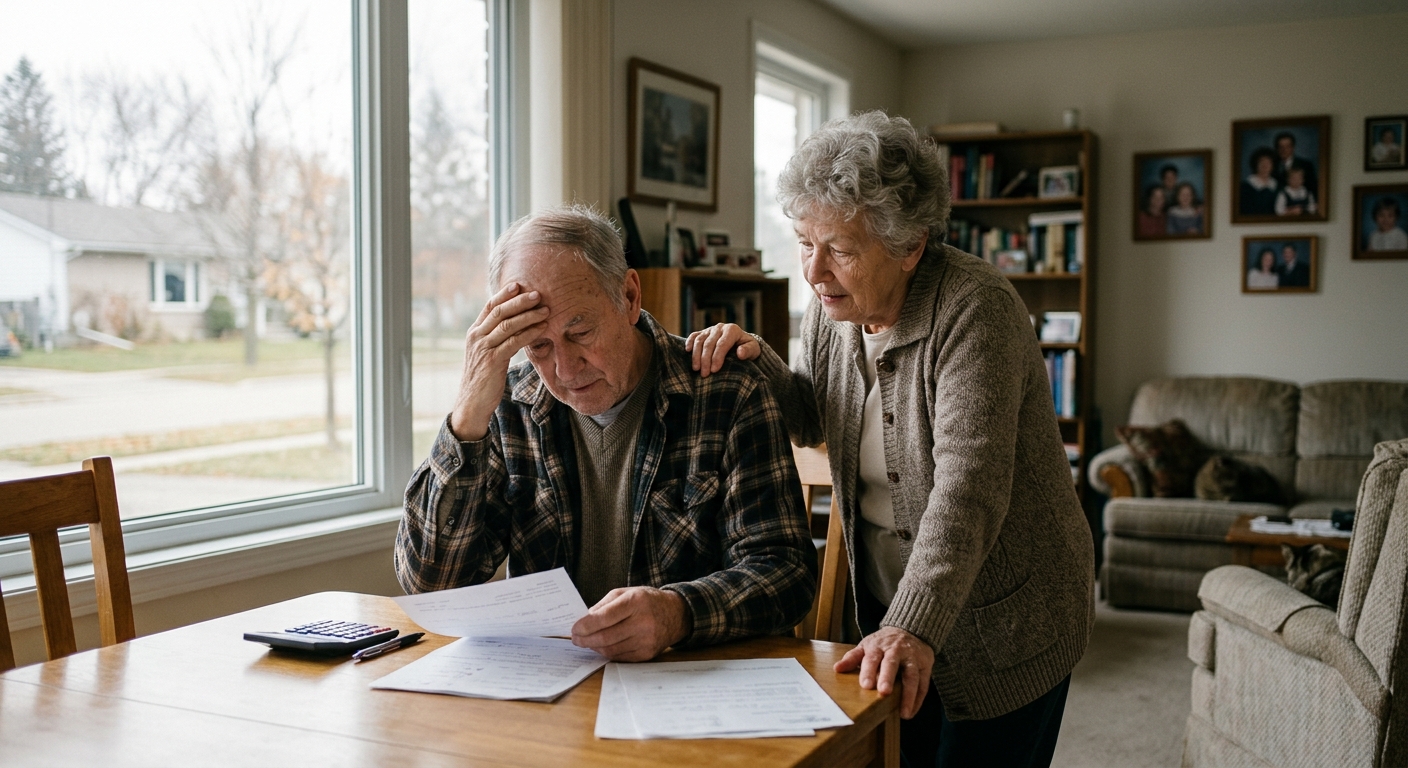
Comparing Relocation Funding Options
Ontario retirees have several ways to fund a health-driven move. Here's how reverse mortgages compare:
| Funding Method | Capital Provided | Timeline | Impact on Timeline | Estate Impact |
|---|---|---|---|---|
| Reverse Mortgage | $100K–$300K | Immediate (2–3 weeks) | Move ASAP, sell later | Loan repaid from sale proceeds |
| Home equity line of credit (HELOC) | $50K–$150K | 1–2 weeks | Quick but requires employment income | Monthly payments during relocation |
| Sell then rent | $300K–$500K | 3–6 months | Delayed move (problematic if health urgent) | None, but rental costs $2K+/month |
| Downsize within Ontario | $100K–$200K | 6–12 months | Very delayed (not viable for urgent health moves) | Loss of current home community |
| Family loan | Variable | Days to weeks | Fast but strains relationships | Obligation to repay family |
Reverse mortgages win for health-driven relocations because they:
- ✓ Provide capital immediately (no waiting for home sale)
- ✓ Require no monthly payments (critical when transitioning between provinces)
- ✓ Let you time the sale to market conditions (not forced to rush)
- ✓ Preserve most of the sale proceeds (you're borrowing, not selling equity at discount)
Provincial Options for Health-Driven Relocation
Different provinces offer different health and lifestyle advantages:
British Columbia (Coast: Vancouver, Victoria, Nanaimo)
- Winter climate: Mild (3°C avg Jan, rarely below freezing)
- Health benefits: Excellent for COPD, arthritis; sea air quality
- Costs: Property prices high ($500K+) but rent available
- Healthcare access: Strong seniors programs in Victoria and Vancouver
- Community: Large retiree population, well-established seniors networks
Alberta (Calgary, Edmonton)
- Winter climate: Cold but dry (less humidity = less joint pain)
- Health benefits: Good for COPD (dry air); more sunshine than Ontario
- Costs: Moderate ($300K–$400K homes); lower taxes
- Healthcare access: Growing seniors programs
- Community: Active 55+ communities; strong aging-in-place infrastructure
Southern Ontario (Niagara, Windsor, London)
- Winter climate: 2–3 weeks shorter, 5–10°C warmer than Toronto
- Health benefits: Milder arthritis impact; some SAD relief
- Costs: Lower than GTA ($250K–$350K)
- Healthcare access: Ontario-based continuity
- Community: Established healthcare connections
Key Considerations Before Relocating
Before committing to a health-driven move, verify:
| Consideration | Action |
|---|---|
| Healthcare continuity | Transfer medical records; confirm new province recognizes your specialists |
| Medication access | Verify prescriptions available; may need new prescriptions from local MD |
| Healthcare coverage | Confirm new province's coverage; no waiting period for most, but verify |
| Cost of living | Budget heating, property tax, healthcare costs in new area |
| Family proximity | Consider distance to adult children, grandchildren, key support network |
| Community fit | Visit 2–3 times before buying; rent for 3–6 months to trial |
Key Takeaways
✓ Climate significantly impacts chronic disease outcomes—winters worsen arthritis, COPD, and SAD; relocating to warmer provinces can improve health by 30–50%
✓ Health-driven relocation costs $60,000–$100,000, including sale/purchase costs, moving, and transition housing
✓ Reverse mortgages provide immediate capital (2–3 weeks) without forcing a rushed home sale during cold months
✓ Reverse mortgage proceeds are completely tax-free and don't affect CPP, OAS, or GIS eligibility, according to the CRA
✓ No monthly payments are required, so you're not burdened by debt while adjusting to a new province
✓ You repay the loan from your home sale proceeds, preserving most of your equity for the down payment on a new property
Frequently Asked Questions
Will relocating to another province affect my OAS, CPP, or provincial health coverage?
No. Your CPP and OAS continue regardless of province. Provincial healthcare coverage transfers seamlessly within Canada; most provinces have no waiting period for seniors (verify with your target province's ministry of health). According to Service Canada, CPP and OAS recipients can live anywhere in Canada without impact.
Can I get a reverse mortgage if I'm planning to move soon after?
Yes. Lenders expect some borrowers to move within 1–2 years. There are no penalties for repaying early (via home sale proceeds). Mention your relocation timeline during the application; it helps lenders understand your use case.
What happens if I sell the Ontario home within 6 months?
Your reverse mortgage balance becomes due when you sell. The sale proceeds pay off the loan, accrued interest, and the realtor fees. As long as your home's equity exceeds the loan balance + interest (which it typically will), you'll have surplus proceeds to fund the new purchase or keep as savings.
Can a reverse mortgage help with accessibility modifications in my new home?
Absolutely. You can use reverse mortgage funds for renovations in the new property—ramps, grab bars, widened doorways, etc. However, the reverse mortgage is against your Ontario home, not the new property. After relocating, you might qualify for a new reverse mortgage against your new home if you stay and want additional capital later.
Is relocating within Ontario (e.g., Toronto to Niagara) easier than moving provinces?
Yes. You avoid healthcare transfers, provincial tax complications, and moving delays. If Ontario's southern regions provide adequate health improvements, relocating within-province is simpler and fully funded by a reverse mortgage.
What if my health doesn't improve after moving?
Reverse mortgages don't lock you into the new province. You can sell, return to Ontario (or move elsewhere), and use home sale proceeds to repay the loan. There's no obligation to stay once relocated. However, healthcare continuity is important, so plan your move carefully with your physician's input.
Ready to explore relocation funding for your health? Get your free Ontario Reverse Mortgage Guide →
Ready to Learn More?
Find out exactly how much you could unlock from your home — free and no obligation.
Related Articles
Reverse Mortgage to Fund Your Retirement Relocation: Real Estate Costs & Moving Expenses
Fund your retirement move with a reverse mortgage. Cover closing costs, real estate commissions, and relocation expenses without depleting savings.
Read →Reverse Mortgage for Health-Driven Relocation: Moving to Warmer Climate Due to Arthritis or Chronic Pain
Arthritis, chronic pain, or cold-weather conditions pushing you to relocate south? Use reverse mortgage to fund a move to a warmer climate while managing transition costs.
Read →Aging in Place with a Reverse Mortgage: Home Modification Guide
How Ontario seniors can fund aging-in-place home modifications with a reverse mortgage — costs, top modifications, grants, and a complete planning guide.
Read →