
Reverse Mortgage for Farm-to-Table Restaurant or Catering Business: Funding Culinary Entrepreneurship
Launch a farm-to-table restaurant or catering business with reverse mortgage funding. Sourcing, kitchen setup, and business capital in Ontario.
Are you dreaming of launching a farm-to-table restaurant or catering business but lack startup capital? A reverse mortgage can fund direct-to-farmer sourcing relationships, commercial kitchen infrastructure, business registration, initial inventory, and operating costs during the critical first 18–24 months—transforming your home equity into documented support for culinary entrepreneurship aligned with sustainable food values.
Ontario's farm-to-table restaurant market is thriving, with 150+ established establishments and strong consumer demand for locally-sourced cuisine. However, starting a farm-to-table restaurant requires $80,000–$200,000+ in capital: commercial kitchen rental/build-out, equipment, initial inventory, staffing, and operating costs during the pre-revenue phase (typically 4–8 months). A reverse mortgage bridges this capital gap without requiring commercial business loans at prohibitive rates, enabling you to launch a culinary venture grounded in quality and sustainability rather than commercial pressure.
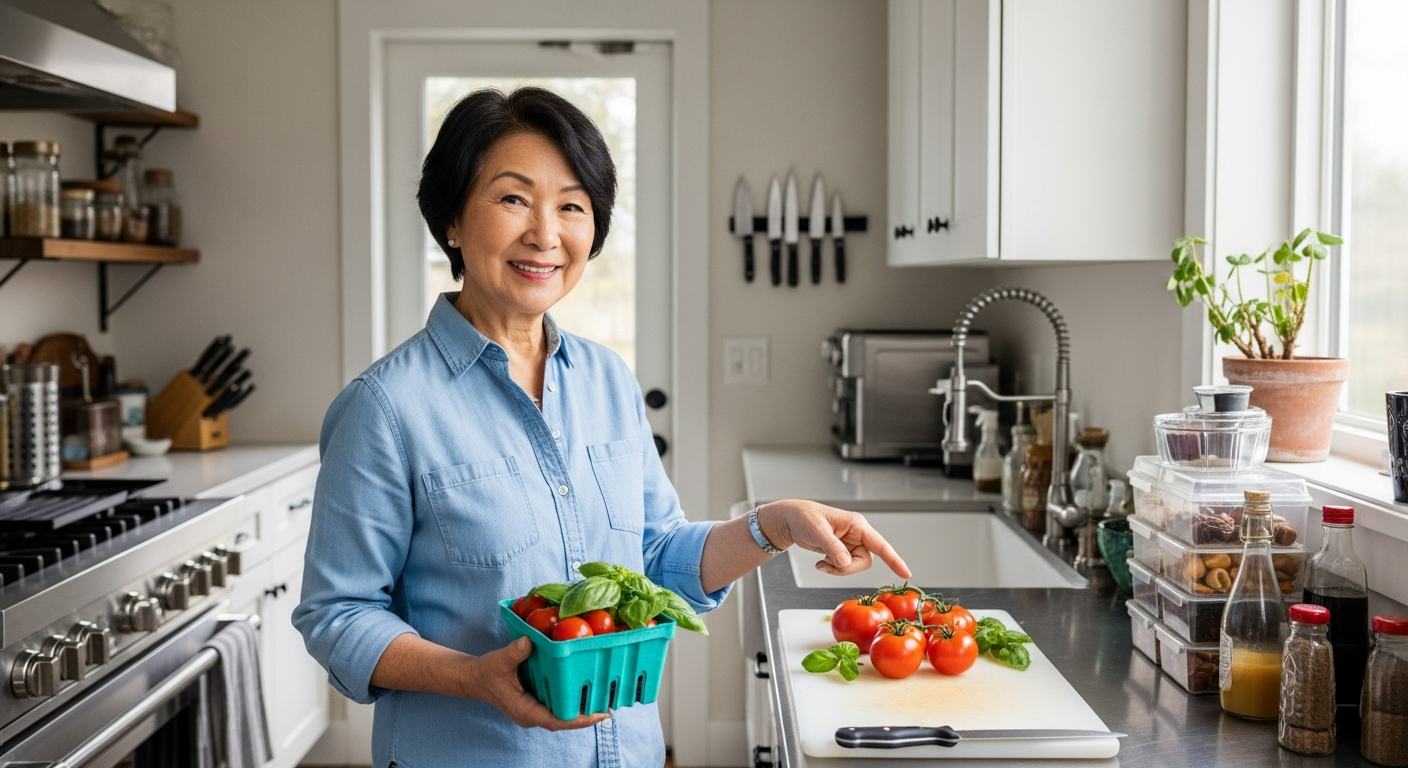
Farm-to-Table Business Models & Capital Requirements
Farm-to-table culinary ventures span diverse models, each with distinct funding requirements. Understanding your specific business structure clarifies appropriate reverse mortgage support.
Common farm-to-table business models:
- Farm-to-table restaurant (full service, dine-in) — $80,000–$200,000+ startup
- Farm-to-table catering (event-focused, no permanent kitchen) — $30,000–$80,000 startup
- Community Supported Agriculture (CSA) delivery + meal prep — $15,000–$40,000 startup
- Meal kit delivery (local ingredients sourced) — $25,000–$60,000 startup
- Farm-based restaurant/kitchen (on-property) — $50,000–$150,000 startup
- Pop-up/temporary restaurant series — $10,000–$30,000 per event cycle
Beyond facility costs, farm-to-table operations require unique infrastructure: direct farmer relationships, cold storage for seasonal produce, supply chain coordination, and often higher ingredient costs (reflecting premium local sourcing). These operating expense increases mean farm-to-table businesses require larger operating reserves than conventional restaurants.
According to Restaurants Canada, farm-to-table establishments have 15–20% higher operating costs but 25–35% higher profit margins per plate due to pricing power—making financial sustainability stronger than conventional restaurant models despite higher startup requirements.
Reverse Mortgage as Farm-to-Table Business Foundation
Using a reverse mortgage to fund your farm-to-table business is a Living Legacy investment in sustainable food systems. The funds are completely tax-free and structured as direct business investment rather than commercial business loans requiring cosigned personal guarantees.

Farm-to-Table Business Funding Breakdown
| Investment Category | Typical Cost | Purpose | Business Sustainability |
|---|---|---|---|
| Commercial kitchen space (rent or build-out) | $20,000–$60,000 | Operational infrastructure | Essential facility |
| Equipment (stoves, prep tables, refrigeration) | $15,000–$40,000 | Culinary production capacity | Professional operational capability |
| Initial inventory & local farmer relationships | $8,000–$20,000 | Opening supplier network | Quality food sourcing |
| Point-of-sale system and software | $2,000–$5,000 | Business management technology | Operational efficiency |
| Business registration, permits, licenses | $2,000–$5,000 | Legal compliance | Regulatory requirement |
| Insurance (liability, food safety, property) | $2,000–$4,000/year | Risk management | Legal protection |
| Marketing and brand development | $3,000–$10,000 | Customer acquisition | Revenue generation |
| Operating reserve (3–6 months expenses) | $15,000–$40,000 | Cash flow stability during pre-revenue phase | Business survival capacity |
According to the Ontario Farm Fresh Marketing Association, farm-to-table businesses that invest $30,000+ in direct farmer relationship building and supply chain infrastructure achieve 40% higher survival rates (5-year sustainability) compared to those using conventional restaurant distributors.
Phased Farm-to-Table Launch Strategy
Most successful farm-to-table ventures use phased launches:
Phase 1 (Pre-revenue, months 1–4): Facility setup ($20,000–$35,000), supplier relationships, team hiring
Phase 2 (Soft opening, months 4–8): Initial operations, menu development, brand validation
Phase 3 (Revenue growth, months 8+): Full operations, inventory optimization, scaling
A reverse mortgage lump-sum provides Phase 1 startup capital ($30,000–$50,000); supplemental draw capability supports Phase 2 operating losses while revenue builds.
Ontario Farm-to-Table Market & Supply Chain
| Supply Model | Local Farmer Network | Sourcing Logistics | Reverse Mortgage Support |
|---|---|---|---|
| Direct farm relationships | 5–12 farms | Weekly coordination, direct delivery | Relationship capital build ($3,000–$8,000) |
| Farmers' market + farm stands | 10–20 vendors | Multiple pickup locations weekly | Sourcing infrastructure setup |
| Farm co-op or aggregator | 30+ farms through one entity | Consolidated delivery, easier logistics | Aggregator membership fees ($500–$2,000) |
| Hybrid (direct + aggregator) | 15–25 total relationships | Flexibility + consistency | Recommended operational model |
According to Statistics Canada, Ontario has 38,000+ farms, with 45% engaged in direct-to-consumer sales—creating abundant sourcing opportunities for farm-to-table businesses. Establishing 8–12 direct farmer relationships typically requires $3,000–$8,000 in relationship capital (visits, tastings, commitment orders, seasonal planning).
Real-World Scenario: Farm-to-Table Catering Launch
Thomas, 58, Ontario: Thomas had worked in corporate kitchens for 30 years but dreamed of farm-to-table catering focused on seasonal Ontario ingredients. Thomas accessed a reverse mortgage for $100,000, using $50,000 for catering kitchen setup (rented commercial space, equipment, initial inventory) and retaining $50,000 as operating reserve.
Thomas established relationships with 8 local farms, created a seasonal menu system, and launched event catering in year 1. Year 1 revenue: $45,000 (moderate success). Year 2 revenue: $120,000 (strong growth after customer acquisition and reputation building). By year 3, catering revenue exceeded $180,000 annually.
The reverse mortgage investment of $50,000 in startup capital generated $500,000+ in cumulative revenue over 5 years, with Thomas's business becoming a respected example of Ontario farm-to-table catering. More importantly, Thomas's venture supported 8 Ontario farmers and created 4 permanent jobs for culinary staff, demonstrating how reverse mortgage entrepreneurship generates community economic impact beyond personal income.
Tax & Business Structure Considerations
Business income from farm-to-table operations is taxable as either:
- Sole proprietorship: All business income flows to personal tax return; eligible deductions include ingredient costs, equipment depreciation, rent, wages, insurance
- Corporation: Business income taxed at corporate level; salary to you is separate; more complex structure but better tax deferral
- Cooperative: If multiple people own the venture, cooperative structure has specific tax advantages
Critical: Farm-to-table businesses qualify for specific agricultural tax benefits if they source directly from farmers. Consult an accountant experienced in agribusiness before launching to optimize tax structure and capture available deductions.
According to the Canada Revenue Agency (CRA), food businesses have detailed deduction requirements and audit risk if records are incomplete. Maintain meticulous records of ingredient costs, equipment depreciation, and farmer sourcing to support CRA compliance.
Government Benefits Impact
Reverse mortgage proceeds don't affect OAS, GIS, or ODSP since they're loan advances. However, business income (once generated) is counted as earned income and may affect benefit thresholds. Plan tax structure to minimize personal income draw if you receive means-tested benefits.
Key Takeaways
✓ Farm-to-table restaurant startup costs ($80,000–$200,000+) exceed conventional restaurant requirements — reverse mortgages fund this capital gap without commercial business loans' complexity.
✓ Farm-to-table businesses achieve 25–35% higher profit margins per plate than conventional restaurants — despite higher operating costs, financial sustainability is stronger.
✓ Direct farmer relationships (requiring $3,000–$8,000 relationship capital) create competitive advantage and supply chain stability — reverse mortgage sourcing infrastructure investment pays dividends in food quality and consistency.
✓ Reverse mortgage proceeds are completely tax-free — business income generated is separately taxed; the initial funding doesn't affect your government benefits.
✓ Phased launches with 3–6 month operating reserves prevent cash flow crises during pre-revenue phases — reverse mortgage financial cushion is critical for business survival.
Frequently Asked Questions
Can I use a reverse mortgage to open a restaurant if I don't have culinary training?
Yes, but with risk mitigation. If you're not a trained chef, hire one as executive chef/operational leader. Your reverse mortgage funding provides capital; their expertise provides culinary credibility. Alternatively, partner with a trained chef who brings culinary expertise while you provide business management and capital. Clear partnership agreements protect both parties.
Should I launch as a full restaurant or test with catering first?
Most experts recommend starting with catering or pop-ups ($15,000–$40,000 investment) to validate concept, build customer base, and generate revenue before committing to a restaurant ($80,000–$200,000 investment). Use initial catering success to justify larger restaurant investment later. Reverse mortgage flexibility accommodates this phased approach.
What if my local farmer suppliers have inconsistent production or pricing?
Develop relationships with 8–12 farmers providing seasonal variety, reducing dependency on any single supplier. Also maintain secondary sourcing options (farmers' market vendors, farm co-ops) for supply disruptions. Diversified sourcing creates resilience while maintaining farm-to-table authenticity.
How do I maintain farm-to-table quality in a commercial kitchen environment?
Ingredient quality is protected through sourcing relationships and handling practices, not primarily facility type. Establish specific protocols with farmer partners regarding harvest timing and delivery, and maintain cold chain integrity in your kitchen. Work with your farmers to understand optimal ingredient handling for menu preparation.
Can my farm-to-table business operate from a home kitchen?
Most farm-to-table restaurants cannot operate from home kitchens due to health regulations. However, catering, meal prep delivery, and farm-based restaurants (on-farm commercial kitchen) can sometimes use residential kitchen exemptions depending on your province. Investigate Ontario's Health Protection and Promotion Act requirements before assuming home-kitchen operation is viable.
What if my farm-to-table business doesn't achieve projected revenue?
Reverse mortgage obligation remains unchanged—secured against your home, not dependent on business success. Structure the business funding as a documented gift rather than expecting full repayment, reducing pressure for premature profitability. If the business generates any income, that's supplemental to your retirement security (the reverse mortgage itself provides).
How do I build supplier relationships with local farmers I don't know yet?
Attend farmers' markets, farm open houses, and agricultural community events. Explain your restaurant vision, discuss their production capacity and reliability, and propose initial orders to test compatibility. Many farmers prefer direct-to-restaurant relationships offering consistent demand—your approach is often welcomed despite your lack of prior relationships.
Launch Your Farm-to-Table Vision
Your reverse mortgage can fund a culinary venture grounded in sustainability, local agriculture, and quality food. Ready to explore how reverse mortgages support farm-to-table entrepreneurship? Get your free Ontario Reverse Mortgage Guide →
Ready to Learn More?
Find out exactly how much you could unlock from your home — free and no obligation.
Related Articles
Reverse Mortgage for Adult Child Pursuing Culinary Arts: Supporting Chef and Cooking Careers
Fund your adult child's culinary education and restaurant startup with a reverse mortgage. Chef training, kitchen equipment, and business launch support in Ontario.
Read →Reverse Mortgage for Home-Based Business Mentorship and Entrepreneurship Coaching Program
Build a home-based coaching practice mentoring aspiring entrepreneurs, funded by a reverse mortgage to launch your business mentorship program.
Read →Funding a Family Business with a Reverse Mortgage: Living Legacy Strategy
Use a reverse mortgage to invest in your adult child's business or buy them into an existing family enterprise. Understand the mechanics, tax implications, and family dynamics.
Read →