
Reverse Mortgage for Ontario Homes in Climate Vulnerability Zones: Funding Flood-Proof Retrofits in 2026
Protect aging-in-place homes in flood zones, heat islands, and storm vulnerability areas. Reverse mortgage for climate resilience in Ontario.
Your home sits in an Ontario neighborhood hit by 3 major floods in the past 10 years, and you're 67 with no plans to move. The insurance company is threatening to cancel coverage, property values are falling, and government flood maps predict worse storms ahead. A reverse mortgage can fund the $30,000–$60,000 in retrofits that protect your home, preserve your equity, and allow you to age in place without climate-driven displacement.
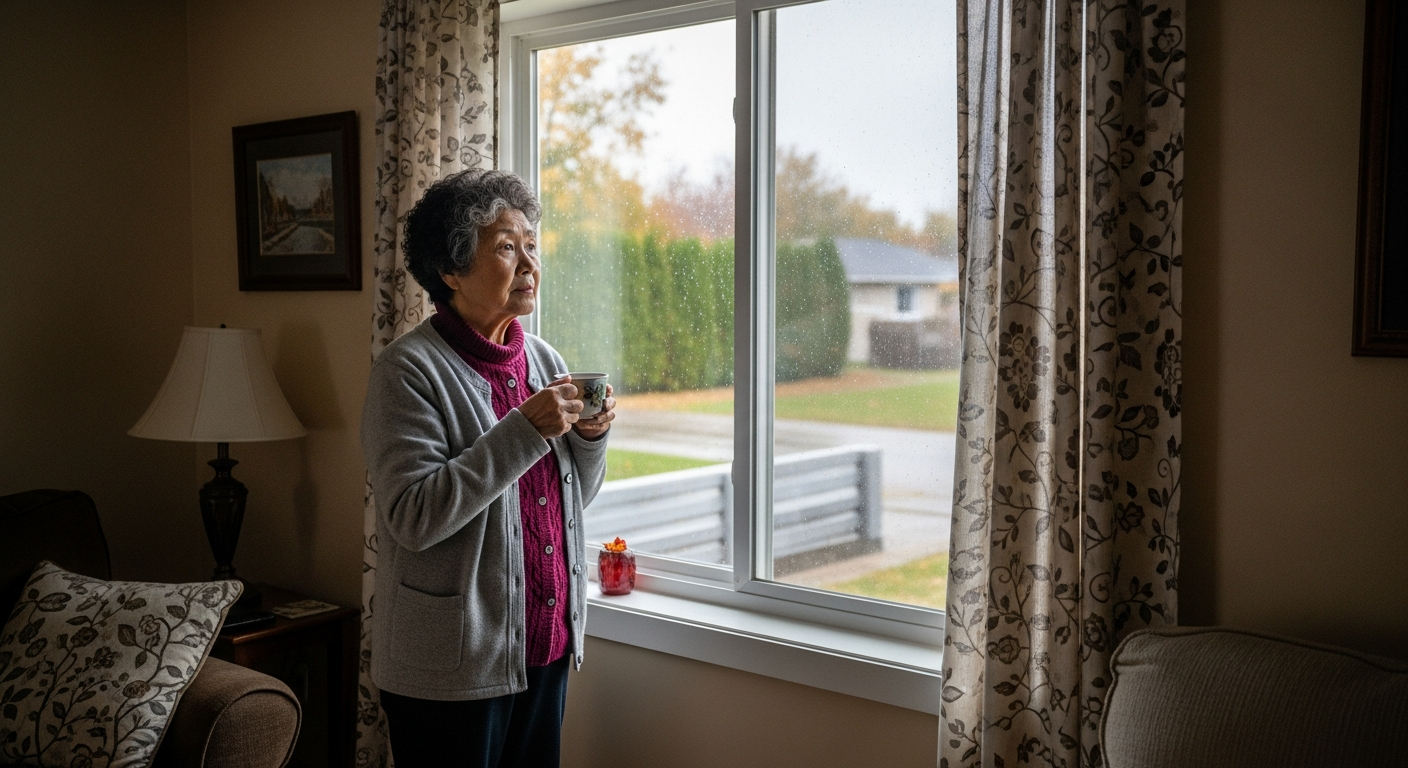
Ontario's Growing Climate Vulnerability Reality
In 2026, climate vulnerability isn't a future risk—it's a present financial crisis for Ontario homeowners aging in vulnerable zones.
- Flood claims jumped 340% from 2015 to 2025 (Insurance Bureau of Canada data)
- Insurance costs surged 280% in flood-prone Ontario neighborhoods
- Policy cancellations accelerated, leaving 1 in 12 Ontario homeowners uninsured or barely covered
- Heat dome risk expanded, making cooling critical for seniors in urban heat islands
According to CMHC (Canada Mortgage and Housing Corporation), homes in flood vulnerability zones lose 8–15% of property value per major flood event. For a $450,000 home in a flood-prone area, that's $36,000–$67,000 in equity loss per disaster.
The aging parent's dilemma: selling costs time and money (realtor fees, land transfer tax, moving expenses), often totaling $40,000–$70,000. Instead, retrofitting to climate-proof the home for aging in place costs roughly the same but preserves equity, maintains community roots, and avoids forced relocation.
Climate Retrofit Costs for Aging Homeowners
Here's what climate resilience actually costs in Ontario in 2026:
| Retrofit Category | Typical Cost | Impact on Insurance Rates | Timeline | Aging Parent Benefit |
|---|---|---|---|---|
| FLOOD PROTECTION | ||||
| Sump pump + backup power | $2,000–$4,000 | 5–10% reduction | 2–3 days | Reduces basement damage, maintains independence |
| Backwater valve installation | $1,500–$3,500 | 8–15% reduction | 1–2 days | Prevents sewage backup; critical for aging mobility |
| Basement waterproofing | $8,000–$15,000 | 10–20% reduction | 5–7 days | Protects accessibility features, medical equipment storage |
| Grading + drainage system | $4,000–$8,000 | 5–12% reduction | 3–5 days | Prevents pooling near ramps/wheelchair access |
| HEAT MANAGEMENT | ||||
| High-efficiency AC + smart thermostat | $4,000–$7,000 | Marginal | 1 day | Prevents heat illness; critical for seniors on medications |
| Cool roof retrofit | $3,000–$6,000 | 3–8% reduction | 2–3 days | Reduces interior temperature by 5–10°F |
| Window replacement (high-performance) | $6,000–$12,000 | Marginal | 3–5 days | Improves home accessibility; improves energy costs |
| STORM PROTECTION | ||||
| Impact-resistant windows/doors | $4,000–$9,000 | 8–15% reduction | 2–4 days | Prevents injury from flying glass; improves security |
| Structural roof bracing | $5,000–$10,000 | 10–20% reduction | 3–5 days | Prevents roof failure during 100-year storms |
| COMBINED RETROFIT (PRIORITY) | $28,000–$50,000 | 20–35% total reduction | 2–3 weeks | Transforms aging-in-place viability |
Most families focus on one category (usually flood) when all three (flood, heat, storm) work together. A comprehensive retrofit addressing all three typically reduces insurance by 20–35%, often recovering $200–$400 annually in premium reductions.
Why Insurance Companies Are Forcing This Decision
In 2026, Ontario insurers are increasingly aggressive about climate risk. Here's what's happening:
Policy cancellation triggers:
- Home in a flood vulnerability zone (MPAC flood maps)
- History of claims (2+ in 5 years)
- Age of basement waterproofing (>20 years old)
- Unrepaired water damage
- Aging roof (>18 years)
When an insurer cancels, the aging parent faces two choices: pay 3x premiums for "specialty insurance" (which becomes unaffordable on fixed income) or self-insure (catastrophic risk).
A reverse mortgage lets you retrofit before cancellation occurs, protecting both insurability and home equity simultaneously.
Reverse Mortgage vs. Other Climate Retrofit Funding
| Funding Source | Access Time | Monthly Cost | Seniors-Friendly | Best For |
|---|---|---|---|---|
| Reverse Mortgage (CHIP/HomeEquity) | 6–8 weeks | $0 | Yes; no income test | Long-term aging in place |
| HELOC | 4–6 weeks | $200–$500 | Limited; income required | Shorter-term projects |
| Government grants (provincial) | 12–20 weeks | $0 | Yes; very limited availability | Narrow retrofit categories only |
| Personal line of credit | 2–3 weeks | $400–$800 | No; credit score required | Short-term projects only |
| Insurance premium financing | 1–2 weeks | Variable high | No; creates debt spiral | Emergency coverage gaps only |
Rick Sekhon Reverse Mortgages frequently works with families in climate-vulnerable zones because a reverse mortgage solves the central problem: you need to act now (before insurance cancels), but you can't access quick credit without income verification or monthly payments.
Strategic Retrofit Sequencing for Aging Homeowners
Don't retrofit everything at once. A phased approach protects home accessibility during work:
Phase 1 (Weeks 1–2): Critical protection
- Sump pump + backup power ($2,000–$4,000)
- Backwater valve ($1,500–$3,500)
- Smart thermostat + zone cooling for bedroom ($1,500–$3,000)
- Subtotal: $5,000–$10,500
Phase 2 (Weeks 3–4, following spring): Foundation work
- Basement waterproofing ($8,000–$15,000)
- Grading + exterior drainage ($4,000–$8,000)
- Subtotal: $12,000–$23,000
Phase 3 (Fall): Long-term resilience
- Roof structural bracing ($5,000–$10,000)
- Window/door upgrades ($4,000–$9,000)
- Subtotal: $9,000–$19,000
Total over 6 months: $26,000–$52,500
This phased approach also lets you verify that Phase 1 improvements reduce insurance claims or premiums before committing to Phase 2—avoiding over-retrofitting if your actual risk is lower than anticipated.
Climate Retrofit as Estate Preservation
Here's what surprises families: climate retrofits often preserve more wealth than selling and relocating.
Example: 72-year-old in flood-vulnerable Toronto neighborhood
| Option | Costs | Timeline | Outcome |
|---|---|---|---|
| Stay & Retrofit | Reverse mortgage: $40,000 retrofit | 6–8 weeks | Home: $450,000; Reverse mortgage debt: $40,000; Equity remaining: $410,000 |
| Sell & Relocate | Realtor: $27,000 (6%); Land transfer tax: $15,000; Moving: $8,000; New home down payment: $45,000 | 12–16 weeks | New home: $480,000; Equity remaining: $400,000 (after sale costs) |
The reverse mortgage option preserves more equity AND allows aging in place in your community. The catch: you're leaving a larger debt to your estate, which affects inheritance. However, many adult children prefer an aging parent staying safely in their home with reduced inheritance to a parent forced to relocate in late years.

Coordinating Retrofits With Accessibility Modifications
This is the hidden advantage of a reverse mortgage in climate-vulnerable zones: you can fund both climate retrofits AND aging-in-place accessibility simultaneously.
A sump pump upgrade ($3,500) plus accessible basement finishing ($8,000) equals $11,500 in combined spending. A HELOC would charge you $300–$500 monthly on this balance. A reverse mortgage charges zero monthly—you pay interest only on the principal, not monthly payments.
For aging-in-place homeowners, this flexibility is transformative.
Tax Credits and Government Support
According to CMHC and Ontario Ministry of Environment data, several tax credits apply to climate-resilient retrofits:
- Accessibility Tax Credit: Flood-proofing to prevent injury (e.g., backwater valve protecting a basement bedroom) may qualify ($3,000–$8,000 annually)
- Home Energy Tax Credit: High-efficiency cooling systems may qualify ($500–$2,500 total credit)
- Provincial accessibility grants (limited availability): Some regions offer 5–15% rebates on qualifying retrofits
Consult your accountant before retrofitting to identify which work qualifies for credits.
Key Takeaways
- Ontario homes in flood vulnerability zones lose 8–15% of equity per major flood event; retrofitting costs $26,000–$52,500 but prevents catastrophic loss
- Insurance companies are aggressively canceling or pricing out climate-vulnerable homes; retrofitting before cancellation is critical
- A reverse mortgage funded by CHIP, HomeEquity Bank, or Equitable Bank lets aging homeowners retrofit without monthly payments or income verification
- Phased retrofitting (critical protection first, foundation work second, long-term resilience third) protects home accessibility during construction
- Climate retrofits often preserve more wealth than selling and relocating, while allowing aging in place in community roots
Frequently Asked Questions
Will retrofitting my flood-vulnerable home actually reduce my insurance premiums?
Usually, yes—but verify with your insurer first. Most insurers offer 5–15% premium reductions for backwater valves, sump pumps, and waterproofing. However, some insurers won't reduce rates retroactively; they'll simply avoid canceling your policy. Always get the insurer's written confirmation before spending $40,000 on retrofits expecting premium reductions.
If my home is in a mapped flood zone, can I still get a reverse mortgage?
Yes. Reverse mortgage lenders (CHIP, HomeEquity Bank, Equitable Bank) assess flood risk but don't deny mortgages based on zone alone. They may require proof of flood insurance or recent appraisals. Discuss your specific zone classification with Rick Sekhon Reverse Mortgages before applying.
What if the provincial government changes flood maps and my vulnerability designation increases?
This is rare but possible. Flood map updates don't typically trigger reverse mortgage repayment, but they do affect insurance availability and rates going forward. This is another reason to retrofit now—you're protecting against future designation changes.
Should I retrofit before or after getting the reverse mortgage?
After. Get the reverse mortgage approved first, then use funds for retrofits. This ensures you have capital committed before you disrupt your home. Some families retrofit immediately (emergency situations) and use reverse mortgage funds to repay emergency loans—this is acceptable but less efficient.
Do I need building permits for climate retrofits, and will that delay a reverse mortgage?
Most retrofits (sump pumps, waterproofing, grading) don't require permits. Window/door replacement and structural roof bracing do. Reverse mortgage approval doesn't depend on permit completion—you can get approved, start work, and complete permits during construction.
If I retrofit and my home still floods, will the reverse mortgage lender try to foreclose?
No. A reverse mortgage is secured against your home's value, not your personal behavior. Even if flooding occurs post-retrofit, your lender's claim is against the property—not against you personally. However, ensure property insurance covers the retrofitted features to protect your equity.
Ready to Learn More?
Find out exactly how much you could unlock from your home — free and no obligation.
Related Articles
Reverse Mortgage After Your Caregiver Retires: Restructuring Care and Rebuilding Independence
Your longtime caregiver is retiring. A reverse mortgage funds the transition to new care arrangements and helps you rebuild independence after years of dependence.
Read →Multi-Generational Home Tech Infrastructure: Reverse Mortgage for Smart Care Coordination Systems
Complex multigenerational home needs tech infrastructure for care coordination. Reverse mortgage funds smart home systems.
Read →Cognitive Assessment Before Reverse Mortgage: Protecting Yourself From Exploitation
Proactive mental capacity testing before getting a reverse mortgage. Protect yourself from financial exploitation and ensure sound decision-making in Ontario, especially if you're aging.
Read →