
Chronic Pain Management Technology: Reverse Mortgage for Wellness Equipment
Fund advanced pain management equipment and wellness technology with a reverse mortgage. Aging in place with arthritis, neuropathy, and chronic pain in Ontario.
Advanced pain management technology — from TENS units to cryotherapy chambers — can dramatically improve quality of life in later years, yet insurance rarely covers these devices. A reverse mortgage lets Ontario homeowners 55+ invest in evidence-based pain management equipment that medications alone cannot provide, enabling you to remain active and independent at home.
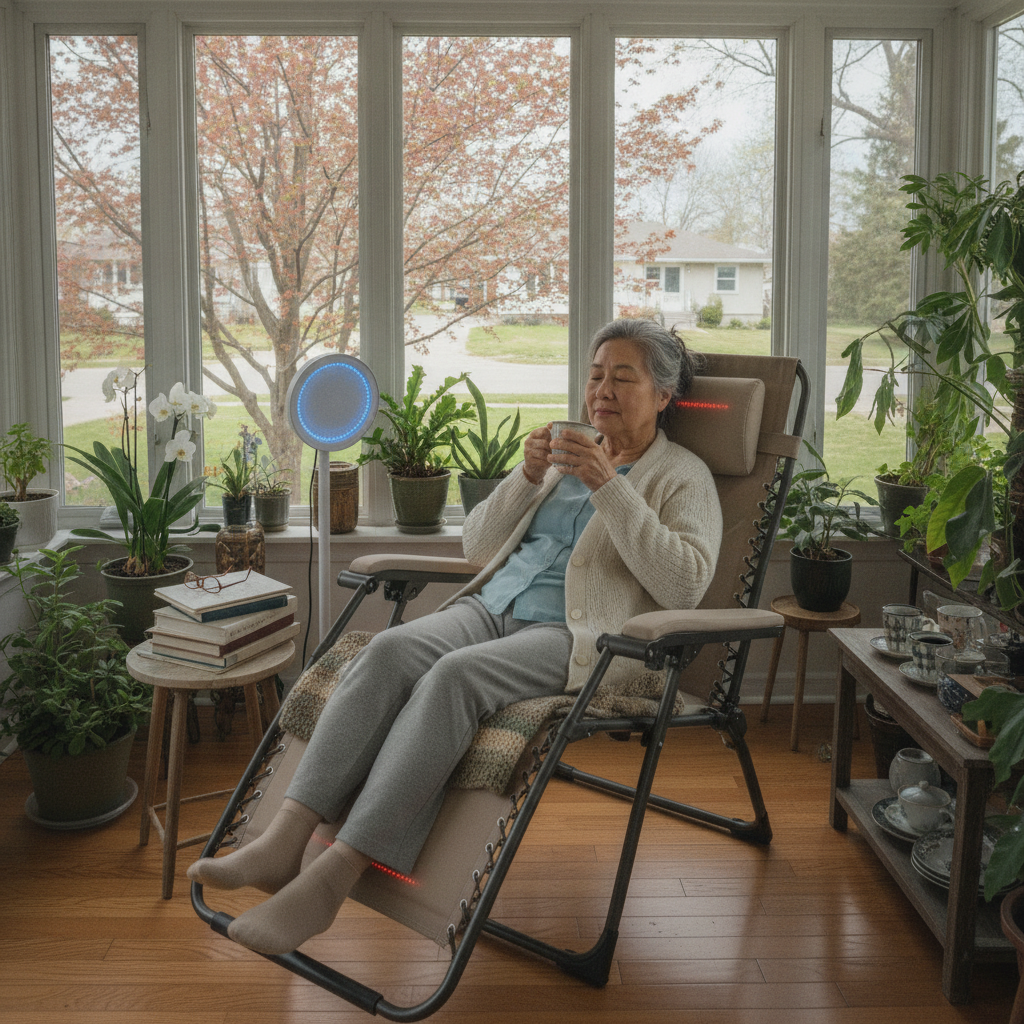
The Hidden Cost of Chronic Pain in Later Life
Chronic pain affects over 20% of Canadians over 65, according to Statistics Canada. Most assume pain management means medication — but long-term opioid use carries addiction risks, and NSAIDs can damage the stomach and kidneys with decades of use.
Modern alternatives exist: transcutaneous electrical nerve stimulation (TENS), infrared therapy, aquatic exercise equipment, ergonomic modifications, and specialized beds designed for pain relief. These are evidence-based, often more effective than additional medication, and have zero addiction risk. Yet they cost money — and insurance does not cover them.
Average costs for pain management equipment:
| Equipment | Cost | Expected Benefit | Insurance Coverage |
|---|---|---|---|
| Medical-grade TENS unit | $1,000–$3,000 | Pain reduction, reduced opioid use | Rarely (usually require manual prescription) |
| Infrared heating bed or pad | $2,000–$8,000 | Deep tissue warming, circulation improvement | No |
| Aquatic therapy pool (small, home) | $5,000–$15,000 | Low-impact exercise, significant pain relief | No |
| Vibration therapy platform | $800–$2,500 | Muscle relaxation, balance improvement | No |
| Ergonomic sleep system (mattress + base) | $3,000–$8,000 | Sleep quality improvement, less nighttime pain | Sometimes (if orthopedic specialist prescribes) |
| Whole-body cryotherapy equipment | $15,000–$40,000 | Anti-inflammatory, athletic-level recovery | Rarely (covered for elite athletes, not seniors) |
For Ontario homeowners on fixed pensions, even a single device ($2,000–$5,000) represents a significant proportion of their annual discretionary income. A reverse mortgage makes these investments feasible.
Why Ontario Seniors Delay Pain Management Investment
Many seniors self-ration healthcare and wellness investments, even when they would dramatically improve quality of life. The reasons are psychological and financial:
Financial: "I cannot afford $4,000 for an infrared bed when my pension is fixed and property tax rises 2% yearly."
Psychological: "I should just manage with my current medications and not spend money on myself."
Information gap: "I did not know these options existed, and my doctor did not mention them."
A reverse mortgage removes the financial barrier. Combined with evidence-based information, it enables Oregon seniors to make wellness investments that doctors recommend but insurance does not cover.
Evidence-Based Pain Management Equipment Worth Considering
Transcutaneous Electrical Nerve Stimulation (TENS)
TENS units use gentle electrical pulses to interrupt pain signals before they reach the brain. They are particularly effective for:
- Arthritis pain
- Neuropathy (diabetic or peripheral)
- Lower back pain
- Neck pain
- Post-surgical recovery
Entry-level TENS units: $300–$800 (over-the-counter, minimal clinical effect)
Medical-grade TENS units: $1,500–$3,500 (prescribed, FDA-approved, clinical evidence of effectiveness)
According to the National Institutes of Health, TENS therapy reduces chronic pain by 30–50% in 70% of users — results comparable to adding another class of pain medication without side effects.
Infrared Therapy and Far-Infrared Technology
Far-infrared wavelengths penetrate 1–1.5 inches below the skin surface, warming tissue and improving blood circulation. They are evidence-based for:
- Arthritis pain
- Fibromyalgia
- Muscle tension
- Raynaud's syndrome
Infrared heating pads: $500–$2,000
Infrared beds (full-body): $5,000–$12,000
Infrared saunas (home): $4,000–$15,000
Studies from the Journal of Clinical Rheumatology show far-infrared therapy reduces joint pain and improves function in 60–75% of arthritis patients. Many Ontario seniors find these devices reduce opioid dependence.
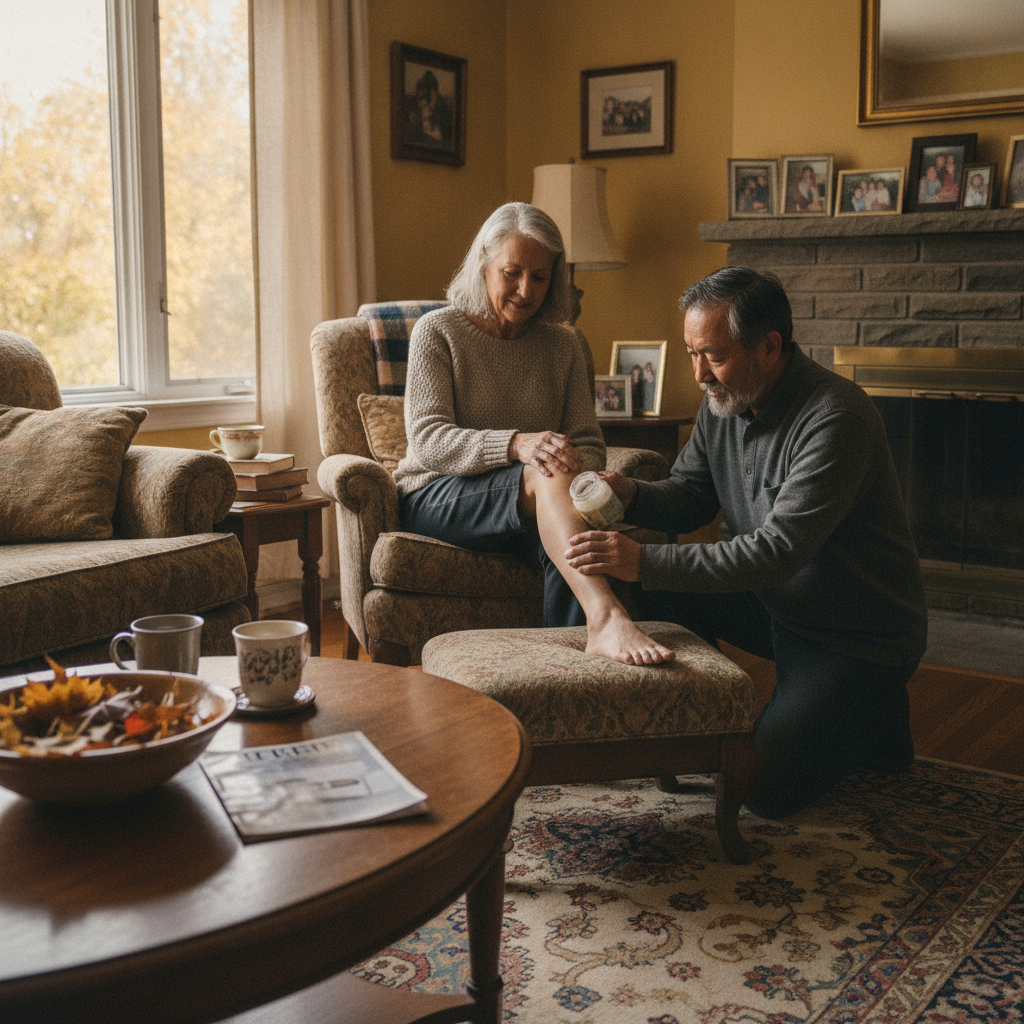
Aquatic Therapy Equipment
Water-based exercise is gold-standard physical therapy for pain management because buoyancy reduces joint stress while providing resistance. Options range from:
Portable pools and spas: $5,000–$15,000 (heated, allows gentle movement)
Walk-in hydrotherapy tubs: $3,000–$8,000 (easier access than standard bathtub)
Overhead lifting systems for pool access: $2,000–$5,000 (for mobility-limited seniors)
A small home pool or spa enables you to exercise 5–7 times weekly at your own pace, without driving to a clinic. For arthritis and fibromyalgia, this is transformative.
Whole-Body Vibration (WBV) Therapy
Vibration platforms create micro-movements that activate muscles and improve circulation. They are particularly useful for:
- Osteoporosis prevention (stimulates bone formation)
- Balance and stability improvement
- Muscle strength maintenance (with minimal effort)
- Circulation and lymphatic drainage
Consumer-grade vibration platforms: $1,000–$3,000
Medical-grade WBV systems: $5,000–$12,000
Evidence from Osteoporosis Canada supports WBV for bone density maintenance — critical for seniors at fall risk.
The Reverse Mortgage Path: Affording the Right Equipment
Step 1: Medical Consultation and Evidence Gathering
Before investing in any equipment, get a physician recommendation. This serves two purposes:
- Medical validity: Your doctor confirms the equipment is appropriate for your condition
- Insurance possibility: Some equipment becomes tax-deductible if recommended by a physician (and you can claim it as a medical expense on your tax return)
Cost: $150–$300 for a specialist consultation (many are covered by OHIP if referred by your GP)
Step 2: Research and Trial Options
Many pain management equipment suppliers offer:
- In-home trials: Demo units delivered to your home for 7–14 days (often free or $100 deposit refunded)
- Rental options: Monthly rental ($200–$500) before purchase
- Financing plans: 12–24 month payment plans (often at high interest)
Take advantage of trials before committing your reverse mortgage funds.
Step 3: Access Reverse Mortgage Funds
Once you have identified your equipment, work with Rick Sekhon Reverse Mortgages to determine:
- Lump sum vs. line of credit: Lump sum if you have a specific, known cost; line of credit if you plan multiple equipment purchases over time
- Amount: Typically $10,000–$30,000 for a comprehensive pain management setup
- Timing: Immediate access to funds (2–3 weeks) vs. phased access (line of credit)
Step 4: Purchase and Setup
Once you have funds, purchase your equipment and arrange professional installation if needed. Many devices require:
- Professional installation ($500–$2,000 depending on complexity)
- Initial training ($200–$500 for therapist to show you proper use)
- Ongoing monitoring (periodic check-ins with PT or your physician)
Total invested: $10,000–$25,000 across 6–12 months results in significant pain reduction and often medication reduction.
Real-World Impact: How Equipment Changes Daily Life
Before: Margaret, 72, with severe arthritis, used four pain medications, struggled to walk 10 minutes, avoided social activities.
Investment: $8,000 reverse mortgage for infrared bed + TENS unit + vibration platform + aquatic therapy membership
After (6 months): Pain medications reduced from four to one. Walking improved to 30 minutes daily. Returned to volunteer work and grandchild childcare. Sleep quality improved substantially.
Net cost: $8,000 borrowed, interest compounds at ~6.5% = $9,300 after 3 years. Margaret's quality of life improvement and medication cost reduction ($2,400/year savings) justify this investment.
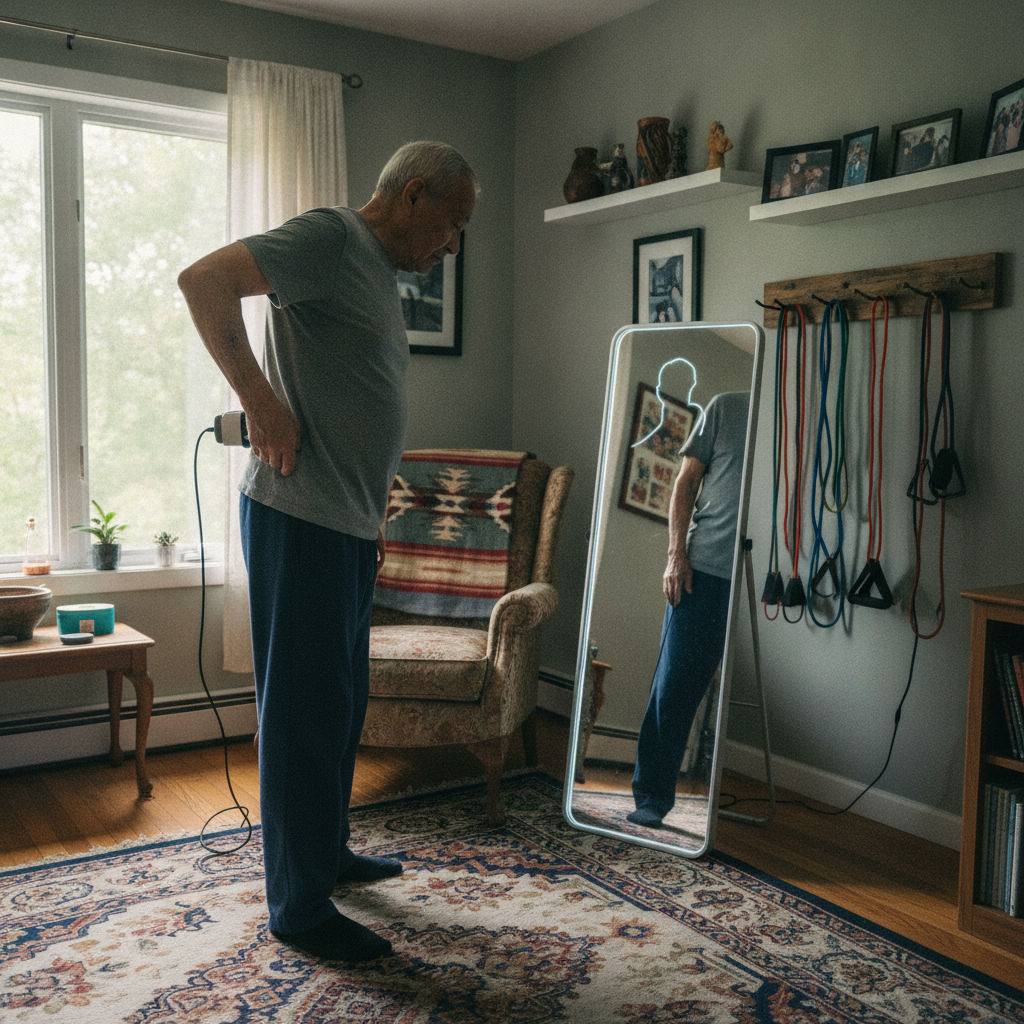
Safety, Maintenance, and Long-Term Considerations
Safety First
Some pain management equipment requires medical supervision or careful use:
- TENS units: Generally safe but should not be used over the heart or on the front of the neck. Medical consultation recommended.
- Whole-body vibration: Not recommended for people with uncontrolled high blood pressure or recent joint replacements.
- Infrared devices: Generally safe but can cause burns if skin is numb (common with neuropathy). Supervision important.
Always get physician clearance and manufacturer training before using any device.
Maintenance and Longevity
Most pain management equipment lasts 5–10 years with proper care:
- TENS units: 5–7 years; replacement electrodes cost $15–$30/pair
- Infrared beds: 7–10 years; occasional professional cleaning ($200–$300/year)
- Vibration platforms: 8–10 years; durable with minimal maintenance
- Pools and spas: 10–15 years; ongoing maintenance costs $500–$1,500/year
Factor these long-term costs into your reverse mortgage planning.
Reverse Mortgage Impact on Inheritance and Estate
If you borrow $20,000 to fund pain management equipment, how does this affect what your children inherit?
Because of the no-negative-equity guarantee, even if the loan balance grows to $26,000 after 5 years, you and your heirs are protected. When the home is sold or the loan is settled, the lender absorbs any loss. Your heirs inherit the net proceeds after the loan is repaid.
The pain management equipment you purchased is an asset that improves your quality of life — arguably a better use of home equity than simply depleting retirement savings.
Frequently Asked Questions
Will my pain management equipment be covered by OHIP or private insurance?
OHIP covers some physical therapy and rehabilitation equipment if prescribed by a physician and delivered through a healthcare provider. However, most consumer pain management devices (infrared beds, vibration platforms, personal pools) are not covered.
Private insurance (through employer plans or private policies) sometimes covers TENS units if prescribed. Check your specific policy.
Can I write off pain management equipment as a medical expense?
Yes, if:
- The equipment is prescribed by a physician
- It is used solely for medical purposes
- You keep receipts and your physician's letter
You can claim eligible medical expenses on your taxes if they exceed 15% of your net income. A $3,000 TENS unit might be claimable. Consult your accountant for specific eligibility.
What if I purchase equipment and find it does not help my pain?
Before investing via reverse mortgage, use trial or rental periods to confirm effectiveness. Most quality suppliers offer 30-day money-back guarantees on equipment like TENS units and vibration platforms.
For larger investments (pools, infrared beds), the trial period is more critical. Use it fully before committing home equity.
Is there an age limit for pain management equipment use?
No. Equipment designed for pain management is safe at any age. However, certain devices require medical supervision (whole-body vibration if you have unstable joints). Get physician clearance before starting.
Ready to invest in pain-free aging? Contact Rick Sekhon Reverse Mortgages to explore funding options for the pain management equipment your physician recommends.
Ready to Learn More?
Find out exactly how much you could unlock from your home — free and no obligation.
Related Articles
Reverse Mortgage for Chronic Pain Management and Wellness Equipment
Fund pain management therapies, wellness equipment, and specialized treatments with a reverse mortgage. Improve quality of life and reduce healthcare costs in Ontario.
Read →Reverse Mortgage for Hearing Aids and Vision Equipment: Sensory Health in Retirement
Learn how Ontario seniors can use reverse mortgages to fund hearing aids, vision devices, and sensory health equipment to maintain independence and quality of life.
Read →Reverse Mortgage for Healthcare Costs: Aging in Place in Ontario
How Ontario seniors use a reverse mortgage to fund home care, medical equipment, prescriptions, and healthcare expenses — and stay in their home longer.
Read →