
Reverse Mortgage for Adult Child's Skilled Trades Apprenticeship: Investing in Blue-Collar Careers
Fund your adult child's apprenticeship in plumbing, electrical, HVAC, or construction trades. Ontario reverse mortgage strategy for skilled trades investment.
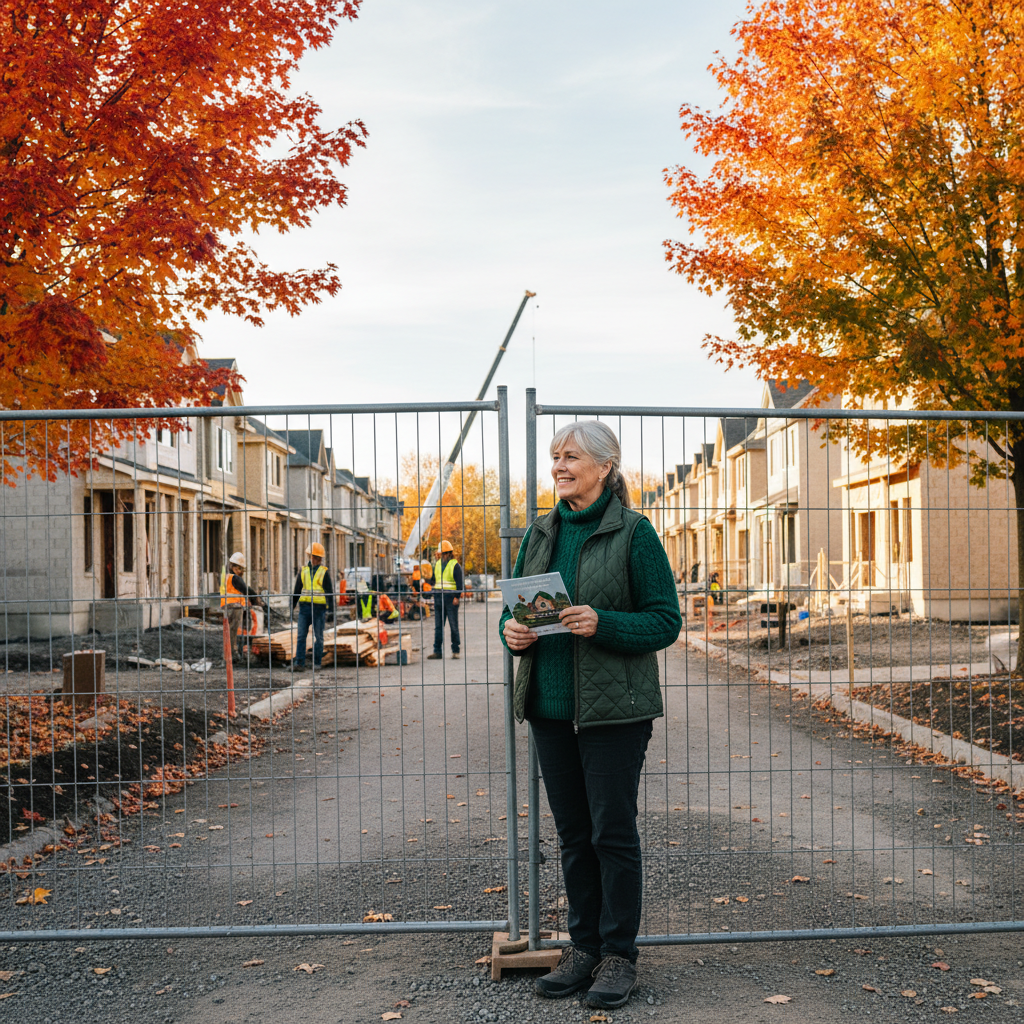
Your adult child is interested in a skilled trade — electrician, plumber, HVAC technician, carpenter — careers with strong job security, union wages, and minimal degree debt. But apprenticeship programs require upfront costs for tools, equipment, and living expenses during low-paid apprenticeship years. You have home equity; can a reverse mortgage fund this pathway to a lucrative career? Absolutely. For parents with substantial home equity, a reverse mortgage can fund a skilled trades apprenticeship and position your child for a high-income career with exceptional job security.
The Economic Case for Skilled Trades: High Income, Low Debt
Skilled trades have experienced a renaissance in recent years. According to Statistics Canada, the median annual income for skilled trades workers in Ontario ranges from $55,000–$85,000, with significant overtime and contract opportunities pushing earnings higher. Meanwhile, post-secondary trade credentials are inexpensive compared to university degrees.
Skilled Trades Income vs. University Graduates
| Career Path | Total Credential Cost | Time to Income | Starting Salary (Year 1) | Median Income (Year 5–10) | Earnings by Age 40 (Cumulative) |
|---|---|---|---|---|---|
| Electrician | $12,000–$20,000 | 4–5 years (apprenticeship) | $35,000–$45,000 | $65,000–$75,000 | $2.2M–$2.8M |
| Plumber | $10,000–$18,000 | 4–5 years (apprenticeship) | $40,000–$50,000 | $70,000–$85,000 | $2.4M–$3.1M |
| HVAC Technician | $8,000–$15,000 | 3–4 years (apprenticeship) | $38,000–$48,000 | $60,000–$75,000 | $2.1M–$2.7M |
| Bachelor's Degree (average) | $30,000–$60,000 | 4 years + internships | $45,000–$55,000 | $65,000–$85,000 | $2.3M–$3.0M |
Key insight: Skilled trades offer comparable lifetime earnings to university graduates, with less debt, faster entry to income, and stronger job security.
According to the Ontario Skilled Trades Council, there is a critical shortage of skilled trades workers in Ontario. Union electricians, plumbers, and HVAC technicians with 10+ years of experience are in high demand and can command premium rates.
Apprenticeship Costs and Funding Gaps
An apprenticeship program in Ontario has several distinct cost phases:
| Phase | Duration | Typical Costs | What's Covered |
|---|---|---|---|
| Pre-apprenticeship training (optional) | 3–6 months | $3,000–$8,000 | Classroom fundamentals, safety certs |
| Apprenticeship (paid work + classroom) | 4–5 years | $15,000–$25,000 | Union fees, tools, books, living expenses during low-wage years |
| Tools and equipment | Ongoing | $5,000–$15,000 | Journeyperson-level tools (varies by trade) |
| Licensing and certification | End of apprenticeship | $500–$2,000 | Exam fees, journeyperson cards |
Total cost to become a journeyperson: $23,000–$50,000
The challenge is cash flow during apprenticeship years. An apprentice starting at age 18–22 earns $30,000–$45,000 during early years — not enough to cover living expenses, rent, and apprenticeship program costs simultaneously.
This is where family support becomes critical. Many apprentices rely on:
- Parents covering living expenses or rent
- Part-time work during school modules (often prohibited or limited by apprenticeship agreements)
- Student loans or lines of credit (unusual for trades, but used in some cases)
- Union training funds or employer sponsorship (increasingly common, but not universal)
A reverse mortgage provides a tax-efficient way for parents to fund this gap without disrupting their own retirement.
Real-World Example: Funding an Electrician Apprenticeship
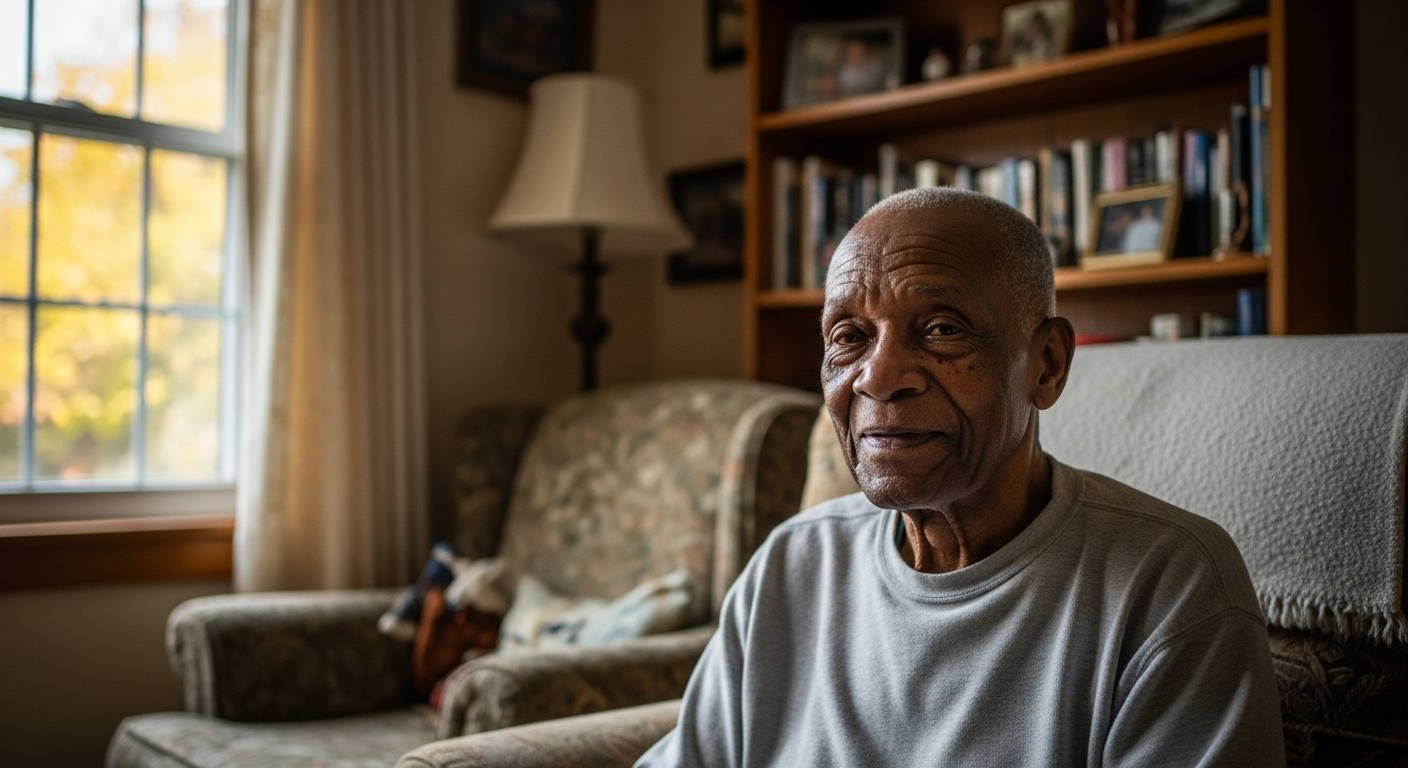
Maria, 63, owns a home in London, Ontario, valued at $380,000. Her son Diego, 21, has completed high school and is accepted into an electrician apprenticeship program (a 5-year union apprenticeship with the International Brotherhood of Electrical Workers).
The apprenticeship breakdown:
- Year 1 (apprentice wages: $32,000) + living expenses ($20,000) = $8,000 shortfall
- Year 2 (apprentice wages: $38,000) + living expenses ($20,000) = $2,000 shortfall
- Years 3–5 (wages increase; approximates living costs)
Total shortfall over 5 years: ~$40,000
Maria secures a reverse mortgage with $209,000 available equity (age 63, 55% LTV). She structures:
- Initial draw: $40,000 (covers Diego's 5-year apprenticeship shortfall)
- Monthly payment: $0
- Interest rate: 7.15% fixed
- Balance after 5 years: approximately $44,500
Diego completes his apprenticeship and becomes a journeyperson electrician, earning $68,000+ annually. He optionally helps Maria repay part of the reverse mortgage from his increased income, or the loan remains and is repaid from her estate when the home is sold.
The investment paid off: Diego has a 40-year career ahead at median wages of $70,000+, with no education debt. Maria's retirement is intact.
Skilled Trades That Offer Exceptional Returns on Parental Investment
Not all trades are equal. Some offer faster income growth and better long-term prospects:
| Trade | Union Typical? | Year 5 Income Potential | Job Security | Injury Risk | Mobility (Work Across Canada) |
|---|---|---|---|---|---|
| Electrician | Yes (IBEW) | $70,000–$80,000 | Excellent | Moderate | Excellent (reciprocal agreements) |
| Plumber | Yes (UA) | $75,000–$90,000 | Excellent | High | Excellent |
| HVAC Technician | Moderate | $65,000–$75,000 | Excellent | Low | Good |
| Ironworker | Yes (IW) | $80,000–$100,000 | Good | High | Excellent |
| Carpenter | Moderate (IUPAT) | $60,000–$75,000 | Good (cyclical) | High | Good |
| Heavy Equipment Operator | Yes (IUOE) | $65,000–$80,000 | Good | High | Excellent |
Trades supported by unions and apprenticeship systems typically offer: ✓ Higher wages and better job security ✓ Pension and benefits (union scale) ✓ Professional development and retraining opportunities ✓ Mobility (work across Canada and internationally)
Comparing Reverse Mortgage to Other Apprenticeship Funding Options
When considering how to fund a child's apprenticeship, options exist:
| Option | Pros | Cons | Tax Impact | Timeline |
|---|---|---|---|---|
| Reverse Mortgage | Home stays in family; zero monthly payments; tax-free funds; preserves RRSP | Interest compounds; reduces inheritance; requires age 55+ | None | Months to close |
| Parent co-signs student line of credit | Child builds credit; loan is child's responsibility | Child carries debt; impacts their borrowing capacity; parent liable if default | Interest may be deductible (if structured for investment) | Weeks |
| RRSP withdrawal | Immediate funds | High tax cost (30–50% withholding); reduces retirement income; taxable | Significant tax hit | Immediate |
| Parental gift from savings | Simple; no debt | Depletes emergency fund; reduces retirement security | None | Immediate |
| Employer sponsorship / union training funds | Free or low-cost training | Limited availability; not all employers offer; may require commitment to employer | None | Varies |
| Government grants and bursaries | Free money for trades students | Competitive; limited to certain programs; not always available | None | Requires application |
A reverse mortgage is most attractive when:
- Parent has substantial home equity but limited liquid savings
- Child's income during apprenticeship is genuinely insufficient to cover living costs
- Parent wants to preserve retirement savings (RRSPs, pensions)
- Parent expects to remain in the home for 10+ years (allowing time to repay)
Tax Efficiency: Why a Reverse Mortgage Beats RRSP Withdrawal
According to the CRA (Canada Revenue Agency), withdrawing from an RRSP to fund a child's education triggers withholding tax (30% on amounts over $5,000). By contrast, a reverse mortgage advance is loan proceeds, not income, and is completely tax-free.
Example: Funding a $40,000 apprenticeship
| Funding Source | Gross Amount Needed | Withholding Tax | Net to You | Tax Efficiency |
|---|---|---|---|---|
| RRSP withdrawal | $57,000 | $17,100 (30%) | $40,000 | 70% |
| Reverse mortgage | $40,000 | $0 | $40,000 | 100% |
By using a reverse mortgage instead of RRSP, you save $17,100 in immediate tax and preserve your retirement income stream. This is a significant advantage.
Frequently Asked Questions
Can I structure the reverse mortgage so my child repays me later?
Yes. You can gift funds and set up a written loan agreement with your child. However, many parents find this creates uncomfortable dynamics — a clean gift is often simpler. If you choose to structure a loan, work with a lawyer to document terms and interest rate.
What if my child decides the apprenticeship is not for them mid-way?
Reverse mortgage funds are yours; you are not obligated to continue supporting the apprenticeship if your child changes direction. You can redirect funds to other priorities or simply stop drawing. The reverse mortgage remains available for your retirement needs.
Does a reverse mortgage gift affect my child's student loan eligibility?
Generally no. Student loans are based on the student's financial situation, not parental gifts. However, if you gift substantial funds that increase your child's assets, it may reduce student loan eligibility (since loans are needs-based). Check with the relevant student loan program.
Can my child be a co-borrower on the reverse mortgage?
No. Reverse mortgages require the borrower to be 55+ and the homeowner. Your adult child cannot co-borrow. You are the sole borrower; any funds are a gift to your child.
What happens to the reverse mortgage if I want to retire to a different province?
The reverse mortgage becomes due when you move or sell the home. You would repay the loan from home sale proceeds, and any remaining equity is yours. This is an important consideration if you plan to downsize or relocate.
Quick Reference: Skilled Trades Apprenticeship Funding Decision
| Situation | Reverse Mortgage Fit | Alternative to Explore |
|---|---|---|
| Child committed to trade; parent has home equity | Excellent | Employer sponsorship; union training funds |
| Child uncertain about trade; exploring options | Moderate; consider smaller initial draw | Student line of credit; employer reimbursement |
| Parent's retirement funds are limited | Excellent | Parental gift + child part-time work during school breaks |
| Parent wants child to repay later | Good with loan agreement | Formal education loan with documented terms |
| Trade offers union wages + benefits | Excellent ROI | Employer sponsorship if available |
Investing in your adult child's skilled trades apprenticeship is investing in their future financial security and your legacy. A reverse mortgage makes this investment feasible without derailing your retirement. Contact Rick Sekhon Reverse Mortgages to discuss funding options for your child's career pathway.
Ready to Learn More?
Find out exactly how much you could unlock from your home — free and no obligation.
Related Articles
Reverse Mortgage to Support Adult Child's Transition to Mainstream Employment After Survival Challenges
Your adult child is rebuilding after homelessness, incarceration, or crisis. Fund their transition to stable employment and housing with a reverse mortgage—enabling genuine recovery.
Read →Reverse Mortgage for Adult Child's Career Transition to Skilled Trades
Help your adult child pivot to a skilled trade (electrician, plumber, HVAC). Fund apprenticeship costs and living expenses with a reverse mortgage—no debt, no cosigning.
Read →Reverse Mortgage for DEI Consulting Practice: Launching Diversity, Equity, and Inclusion Consulting in Retirement
Start a diversity and inclusion consulting practice. Help corporations and nonprofits build equitable cultures; reverse mortgage funds training, business setup, and market entry.
Read →