
Reverse Mortgage for Home Modifications When Adult Child Returns From Military Service With Invisible Injury Syndrome
Modify your home for adult child returning from military service with invisible injuries: PTSD, TBI, chronic pain. Fund accessibility and healing spaces.
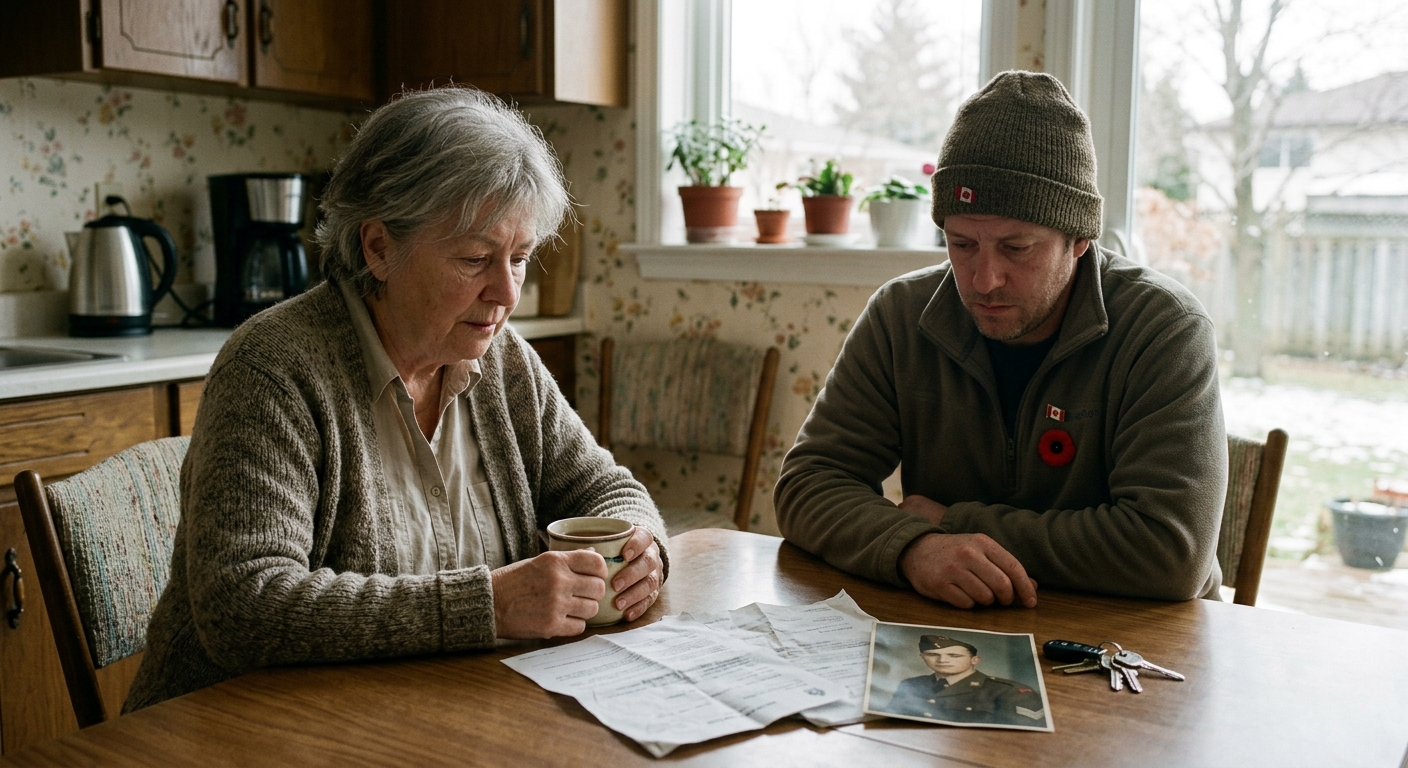
Your adult child has returned from military service with injuries you can't see: PTSD, traumatic brain injury, chronic pain, or combat-related neurological changes. Unlike visible wounds, invisible injuries often go unrecognized—and your home isn't designed to support their recovery. A reverse mortgage can fund the critical home modifications that create a healing environment for your child's transition to civilian life.
Invisible Injuries Among Canadian Military Personnel
An estimated 45,000–55,000 Canadian Armed Forces personnel suffer from operational stress injuries (OSI), including PTSD, depression, anxiety, and traumatic brain injury. According to Veterans Affairs Canada, only 32% of veterans with service-related injuries access adequate support—many hide their injuries to avoid stigma, even from family.
Invisible injuries require invisible accommodations: Your adult child might need darkness to manage light sensitivity from TBI, sound-dampening to reduce sensory overload from PTSD, accessible sleeping arrangements for chronic pain, or specialized office spaces for telehealth mental health appointments. Standard homes amplify military trauma triggers—bright lights, loud noises, spatial crowding—making recovery nearly impossible.
The Home as Healing Environment
Research from the VA (US Department of Veterans Affairs) shows that purpose-designed physical environments significantly accelerate recovery from combat trauma. Specific modifications that support healing include:
| Modification | Cost Range | Healing Impact |
|---|---|---|
| Sensory-safe bedroom (blackout, soundproofing, temperature control) | $5,000–$15,000 | Reduces nightmares, improves sleep quality |
| Dedicated therapy/meditation space | $3,000–$8,000 | Supports mental health treatment, grounding exercises |
| Bathroom accessibility (walk-in shower, grab bars) | $8,000–$20,000 | Chronic pain management, independence |
| Outdoor therapeutic garden | $4,000–$12,000 | Reduces anxiety, nature-based healing |
| Home office for telehealth appointments | $2,000–$8,000 | Confidential mental health care access |
| Lighting system with adjustable color temperature | $2,000–$6,000 | Circadian rhythm support, reduced light sensitivity |
| Total estimated home modification investment | $24,000–$69,000 |
A reverse mortgage provides the capital to implement these modifications comprehensively rather than piecemeal.
Reverse Mortgage vs. Veterans Affairs Support
Veterans Affairs Canada provides support for service-related injuries, but gaps exist:
| Support Type | VA Coverage | Reverse Mortgage Alternative | When to Use Both |
|---|---|---|---|
| Home modifications for service injury | Partial (requires approval & eligibility assessment) | Flexible, immediate access | RM for urgent modifications; VA for approved items |
| Mental health treatment facilities | Covered (VA Healthcare) | Can supplement private therapy costs | RM to bridge VA wait lists; VA for long-term care |
| Disability equipment (mobility, communication aids) | Covered | Can fund advanced/private equipment | VA for standard equipment; RM for premium options |
| Career retraining programs | Covered (VA employment programs) | Can supplement income during retraining | VA for program access; RM for living costs |
Many Ontario veterans wait 6–12 months for VA home assessment and approval. A reverse mortgage line of credit allows you to begin healing modifications immediately while VA processes claims.
Creating a Military-Informed Home
Your adult child's injury requires more than accessibility—it requires trauma-informed home design. According to the National Center for PTSD, veterans respond best to homes with:
- Autonomy: Clear personal space they control; not forced to share common areas
- Predictability: Routines and layouts that don't change; consistency in sensory environment
- Safety: Eliminated triggers; escape routes; controllable entry points
- Privacy: Sound isolation; visual privacy; no surveillance feeling
- Connection: Therapeutic outdoor access; meditation spaces; designated therapy areas
These design principles guide where reverse mortgage funding should be allocated first.
Funding Priorities for Veteran Home Modifications
A structured approach maximizes healing impact:
| Priority Phase | Timeline | Cost | Modifications |
|---|---|---|---|
| Phase 1: Immediate Safety | Month 1 | $5,000–$10,000 | Bedroom soundproofing, lighting adjustments, bathroom safety |
| Phase 2: Healing Spaces | Months 2–4 | $8,000–$20,000 | Therapy space, meditation area, garden preparation |
| Phase 3: Functional Independence | Months 5–8 | $6,000–$18,000 | Accessible kitchen, work-from-home office, mobility aids |
| Phase 4: Long-Term Sustainability | Months 9–12 | $5,000–$20,000 | Energy efficiency, climate control, outdoor access improvements |
Using a reverse mortgage line of credit allows staged draws aligned with your child's healing progress, rather than one lump-sum commitment.
Integrating Professional Support
Rick Sekhon Reverse Mortgages helps coordinate funding with:
- Veterans Affairs Canada assessments and approved modifications
- Occupational therapists specializing in trauma-informed design
- Mental health professionals familiar with combat veterans' needs
- Construction contractors experienced with accessible, healing-focused renovations
This coordinated approach ensures your reverse mortgage funds complement (not duplicate) VA support and professional recommendations.
Key Takeaways
- 45,000–55,000 Canadian Armed Forces personnel suffer from operational stress injuries; only 32% access adequate support due to stigma
- Invisible injuries (PTSD, TBI, chronic pain) require specialized home modifications ($24,000–$69,000) to support healing
- Standard homes amplify military trauma triggers (bright lights, loud noises, open spaces); healing requires intentional environmental redesign
- Veterans Affairs covers some modifications but involves 6–12 month wait times; reverse mortgage provides immediate access while VA processes claims
- Trauma-informed home design prioritizes autonomy, predictability, safety, privacy, and therapeutic connection—reversing emotional isolation that delays recovery
Supporting Your Child's Transition
Your adult child's invisible injury doesn't mean they can't heal. But they need an environment specifically designed to support that healing. A reverse mortgage makes that possible—not by replacing professional mental health treatment, but by creating the physical foundation upon which recovery happens.
Frequently Asked Questions
Will my adult child feel like I'm "fixing" them or treating them like they're broken if I renovate the home?
Reframe it as co-creation, not remediation. Involve your child in designing modifications. Ask: "What environment would help you feel safe and well?" Trauma-informed design isn't about disability—it's about honoring their experience and creating conditions for healing. Many veterans view home modifications as their family saying, "We believe you can heal, and we're creating the space for that."
Can Veterans Affairs reimburse me for modifications I fund with a reverse mortgage?
Possibly, but the process is complex. VA will reimburse approved modifications up to $25,000 if your child's injury is service-connected and rated for benefits. However, you must apply for VA approval before starting modifications. If you fund via reverse mortgage first, VA reimbursement might be delayed or denied. Coordinate with VA case managers before committing reverse mortgage funds.
What if my adult child's invisible injuries are severe enough that they eventually need full-time residential care?
Your home modifications still support their shorter-term recovery and comfort. Even if your child eventually transitions to long-term care, the healing environment you've created accelerates their stabilization during the immediate post-service period (often the critical 1–3 year window for recovery). Additionally, modified homes are easier to sell or repurpose if care needs change.
Are home modifications for military trauma covered under any Ontario provincial programs?
Limited coverage exists. ODSP (Ontario Disability Support Program) covers some home modifications for individuals with service-related disabilities. AODA (Accessibility for Ontarians with Disabilities Act) tax credits provide 15% property tax reductions for homes modified for disability. However, these don't cover the full $24,000–$69,000 cost range. A reverse mortgage fills the gap between provincial support and actual costs.
How do I bring up the topic of home modifications with my adult child if they haven't disclosed their struggles?
Start with questions, not solutions. "I noticed you seem to sleep better with the blinds closed. Would you like us to invest in better blackout curtains?" or "I've heard many veterans benefit from quiet spaces. Would a dedicated room help you?" Offer modifications as support for their wellbeing, not diagnosis of their problems. Many veterans don't want to burden family; showing you're willing to invest helps them open up about their actual needs.
Can I use reverse mortgage funds to help my military child start a business instead of home modifications?
Yes, but prioritize healing first. Many veterans benefit from entrepreneurship as part of recovery (creating purpose, structure, autonomy). However, launching a business while actively managing PTSD or TBI often fails. Recommend: use reverse mortgage for home modifications first (create healing environment), allow 6–12 months for stabilization, then redirect future draws toward business capital. Business success is more likely when trauma is stabilizing.
Your military child's invisible injuries deserve visible support. A reverse mortgage can transform your home into a healing sanctuary. Contact Rick Sekhon Reverse Mortgages to discuss funding modifications that honor your child's service and support their recovery.
Ready to Learn More?
Find out exactly how much you could unlock from your home — free and no obligation.
Related Articles
Reverse Mortgage for Aging in Place With Fibromyalgia: Home Modifications for Invisible Illness
Fund home modifications for aging with fibromyalgia. Reverse mortgage enables accessible design for pain management, energy conservation, and quality of life.
Read →Reverse Mortgage for Adult Child's Executive Coaching and Leadership Development Practice
Fund your adult child's independent executive coaching business. Reverse mortgage provides startup capital for high-value leadership coaching in Ontario.
Read →Reverse Mortgage for Adult Child's Employment Relations and Labor Consulting Practice
Fund your adult child's independent employment law and labor relations consulting. Reverse mortgage provides startup capital for underserved HR/legal market.
Read →