
Reverse Mortgage for Adult Child's Mid-Career Disability Transition: Supporting New Life Changes
Your adult child developed a disability mid-career and can't return to their previous job. A reverse mortgage can fund home modifications and transition costs.
Your adult child developed a disability mid-career — a spinal cord injury, chronic illness, or neurological condition — and can no longer perform their previous job. This is devastating not just emotionally, but financially.
Your adult child likely faces: lost income, expensive medical treatment, home modifications, and significant uncertainty about their ability to work. Your home can be the foundation for their recovery and transition to a new life.
The Financial Impact of Mid-Career Disability
When your adult child becomes disabled mid-career, they face multiple financial shocks simultaneously:
| Cost Category | Typical Amount | Timeline |
|---|---|---|
| Medical treatment and rehabilitation | $20,000–$100,000 | Months 1–6 |
| Home modifications (accessibility) | $15,000–$50,000 | Ongoing |
| Assistive equipment (wheelchair, mobility aids) | $5,000–$20,000 | Initial purchase |
| Income loss (if unable to work) | $50,000–$100,000+ | First year |
| CPP Disability application costs (legal, medical) | $2,000–$5,000 | Months 1–6 |
| Retraining or career transition costs | $10,000–$30,000 | Year 2+ |
| Total first-year impact: $102,000–$305,000 |
Meanwhile, government support is delayed:
- CPP Disability (CPP-D) application takes 4–6 months for approval
- ODSP (Ontario Disability Support Program) takes 4–8 weeks for approval
- During this period: household income may be zero or drastically reduced
Many adult children in this situation move back in with parents not out of laziness, but out of financial necessity.
How a Reverse Mortgage Supports Your Adult Child's Transition
A reverse mortgage provides immediate liquidity to cover:
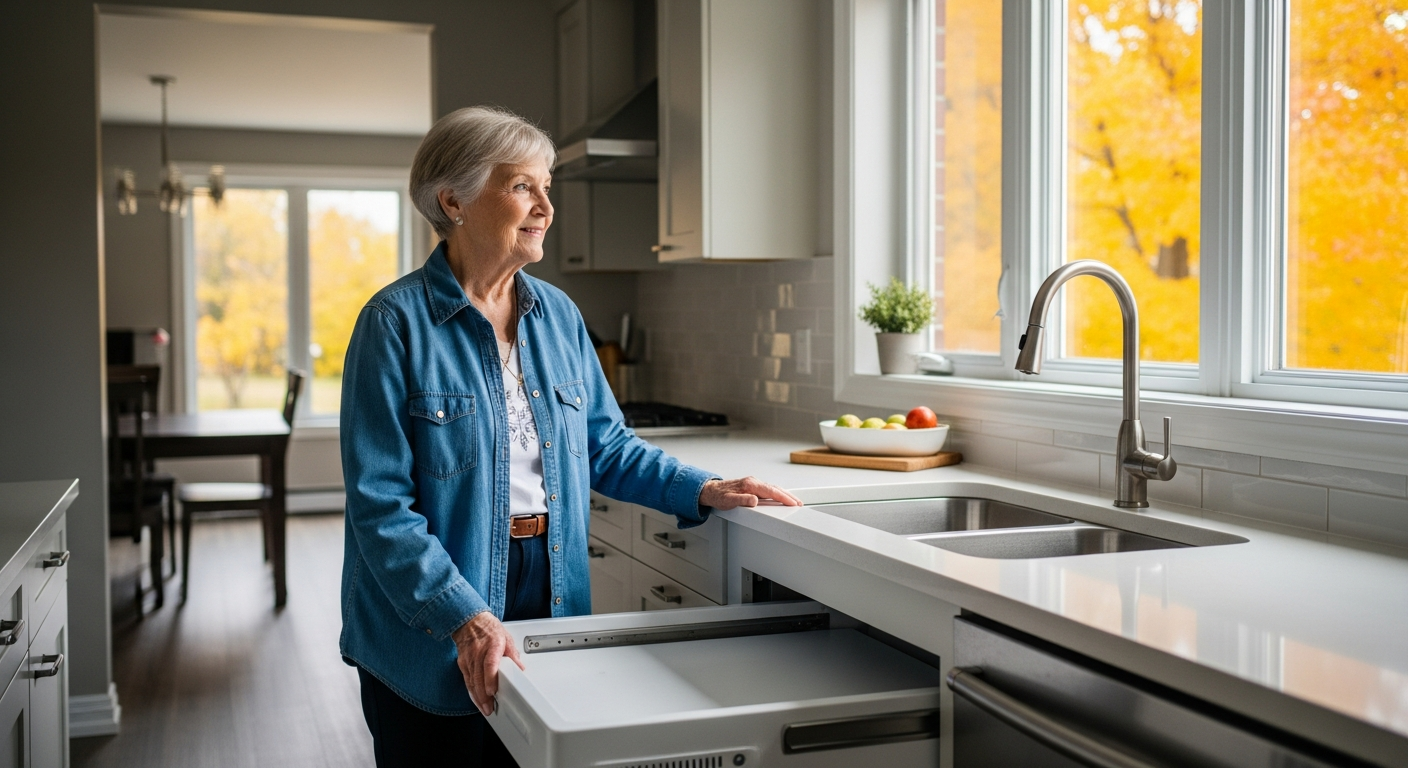
1. Home Modifications (Yours or Your Adult Child's)
If your adult child moves back in, your home needs modifications:
- Accessible bedroom and bathroom
- Grab bars, walk-in shower, accessible sink
- Wheelchair-accessible kitchen
- Ramp or accessible entryway
- Safety systems (fall detection, emergency alert)
Cost: $25,000–$60,000
Or, if your adult child is staying in their own home, you could help them fund modifications to keep them independent.
2. Medical Treatment Not Covered by Insurance
Many insurance plans cap coverage at $50,000 for rehabilitation, therapy, and assistive equipment. If your adult child needs intensive physical therapy, occupational therapy, or specialized equipment, additional costs fall to the family.
3. Income Bridge During Recovery and CPP-D Processing
If your adult child can't work while recovering and waiting for disability benefits, they need living expenses covered:
- Rent or mortgage (if they're independent)
- Food and basic living costs
- Medication and ongoing medical needs
A reverse mortgage line of credit provides this bridge without requiring your adult child to go into credit card debt.
4. Career Transition Support
Once your adult child's condition stabilizes, they may need:
- Retraining courses for a new career suited to their abilities
- Assistive technology and software (speech-to-text, adaptive keyboards)
- Transportation aids and accessibility equipment for workplace
- Counseling to process the identity and career loss
A reverse mortgage can fund these transition investments.
Real-World Example: Kevin's Spinal Cord Injury
Kevin, 38, worked in construction in Toronto. A workplace accident caused a spinal cord injury leaving him paralyzed from the waist down.
Immediate costs in first year:
- Hospital and acute rehabilitation: $45,000 (mostly covered by insurance)
- In-home care while recovering: $28,000 (not covered)
- Home modifications (wheelchair access, bathroom): $32,000
- Assistive equipment: $12,000
- Living expenses (unable to work): $48,000
- CPP-D application and medical assessment: $3,000
- Total: $168,000
Kevin's income sources:
- Workplace accident benefits: $18,000 (partial income replacement)
- Insurance settlement: $120,000 (received after 8 months)
- Insurance-covered medical: $45,000
Gap: $168,000 (needs) – $183,000 (available) = No gap IF everything arrives on time
However, the settlement took 8 months, and Kevin needed housing and care immediately. His parents could have offered a short-term reverse mortgage bridge ($60,000) to cover the gap until the settlement arrived.
Instead, Kevin's parents exhausted their RRIF ($80,000) to help, costing them $24,000 in tax and permanently reducing their retirement income.
A reverse mortgage would have cost only $3,000–$4,000 in interest while preserving their retirement capital.
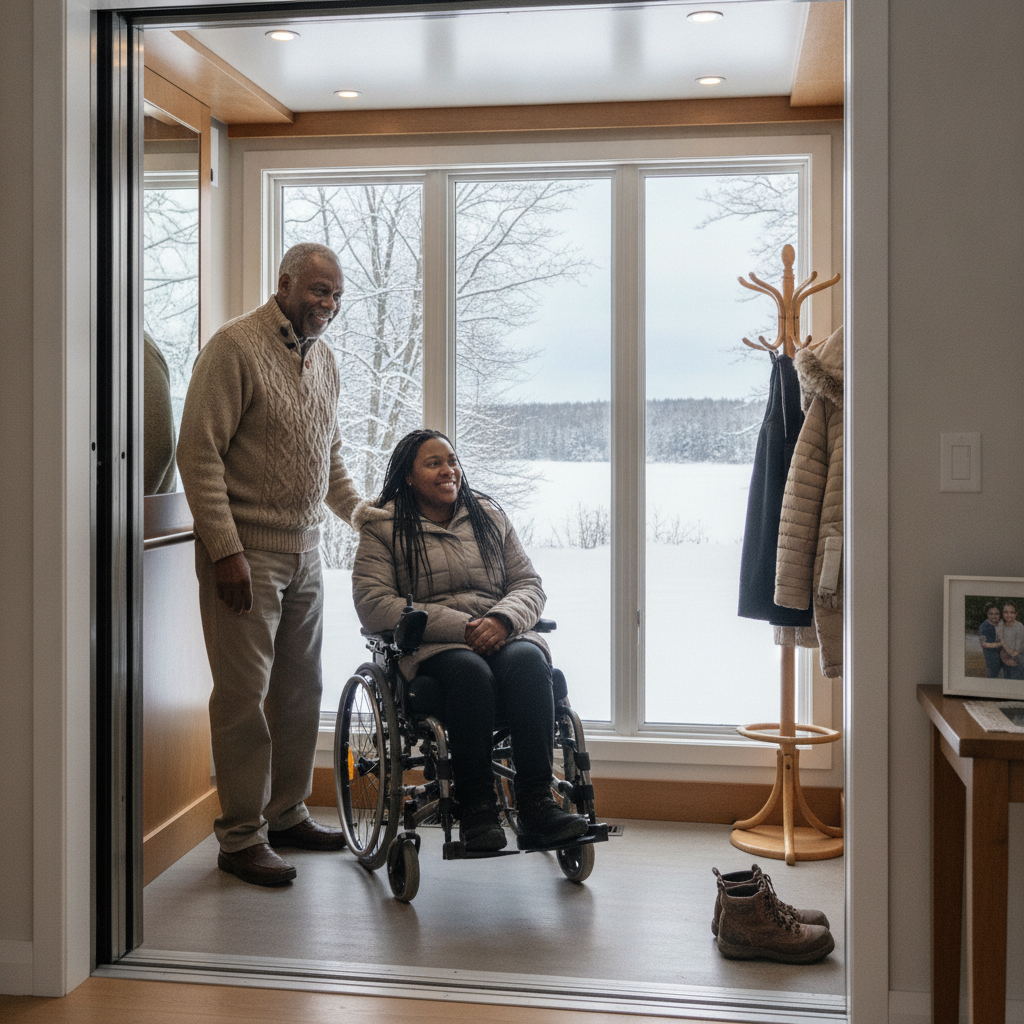
Protecting Your Adult Child's Independence and Dignity
When an adult child becomes disabled, the parent-child dynamic can shift. Your adult child may feel:
- Loss of independence and identity
- Shame about needing parental support
- Anxiety about long-term dependence
A structured financial arrangement (rather than informal help) can actually help preserve dignity:
✓ Set clear expectations — "We're providing housing and support while you recover and transition to new employment."
✓ Establish a timeline — "For the first 12 months, we cover living costs while you stabilize. After that, we reassess based on your health and income situation."
✓ Involve them in the reverse mortgage decision — Explain that you're using your home equity to support their independence, not sacrificing your retirement.
✓ Plan for eventual independence — Your adult child may eventually work again (possibly in a different capacity), live independently with support services, or require ongoing care. Discuss these possibilities realistically.
Frequently Asked Questions
Will government disability benefits be affected if my adult child lives with us?
ODSP (Ontario Disability Support Program) has asset and income tests. If your adult child is living in your home and you're providing support, ODSP may not count it as income to them — but this varies by circumstance. Verify with an ODSP caseworker or lawyer specializing in disability benefits before structuring the arrangement.
CPP Disability doesn't have income tests, so living with you won't affect their CPP-D benefits.
Can I claim my adult child as a dependent on my taxes if they're disabled?
Yes. If your adult child has a diagnosed disability and lives with you, you may be eligible for the Disability Tax Credit (DTC) and can claim them as a dependent. This provides tax relief. Consult a tax professional.
What if my adult child applies for disability benefits and is denied?
CPP Disability is approved for only about 30% of applicants initially. Denial is common. If denied, you and your adult child have options:
- Appeal the decision (legal help available through disability advocacy organizations)
- Apply for ODSP (lower threshold than CPP-D)
- Pursue retraining and return to work gradually (supported employment programs available in Ontario)
A reverse mortgage line of credit can bridge the uncertainty during appeals.
What happens to my reverse mortgage debt if I pass away?
The reverse mortgage becomes due when you pass away or move from the home. Your adult child would need to either refinance under their own name, sell the home, or pay from their estate/insurance. Discuss this clearly so your adult child understands the future obligation.

Key Takeaways
| Goal | Reverse Mortgage Benefit |
|---|---|
| Fund home modifications for your adult child | Immediate access without selling home |
| Bridge income gap during recovery | No monthly payment pressure on tight budget |
| Support medical treatment and equipment | Tax-free funds available quickly |
| Preserve retirement savings | Alternative to depleting RRIF or investments |
Ready to Support Your Adult Child's Transition?
A mid-career disability is a life-changing event for your entire family. A reverse mortgage lets you provide real, meaningful support without sacrificing your own retirement security.
Contact Rick Sekhon Reverse Mortgages to explore how much support you could access and structure a plan that works for your family's unique situation.
Ready to Learn More?
Find out exactly how much you could unlock from your home — free and no obligation.
Related Articles
Reverse Mortgage When Adult Child Becomes Disabled and Requires Caregiver Support
How to fund ongoing caregiver costs when your adult child acquires disability through illness or injury. Ontario reverse mortgage guide for mid-life caregiving.
Read →Reverse Mortgage for Adult Child's Rehabilitation and Recovery: Home Support
Help your adult child recover at home with a reverse mortgage. Fund rehabilitation equipment, accessibility modifications, and home care costs in Ontario.
Read →Aging in Place with a Reverse Mortgage: Home Modification Guide
How Ontario seniors can fund aging-in-place home modifications with a reverse mortgage — costs, top modifications, grants, and a complete planning guide.
Read →