
Reverse Mortgage for Adult Child Returning Home After Homelessness: Rebuilding Housing Stability
How Ontario seniors can use reverse mortgages to support adult children transitioning out of homelessness, providing housing stability and preventing housing insecurity.
When Your Adult Child Needs a Safe Place to Rebuild
Homelessness among young adults in Ontario has reached levels that shock many families. When your adult child experiences housing insecurity, the emotional weight can be overwhelming. Beyond the immediate crisis lies a deeper question: How can you provide stable, long-term support without compromising your own retirement?
A reverse mortgage offers a practical pathway. Rather than depleting savings or taking on traditional debt, homeowners can unlock home equity to create a stable housing foundation for children transitioning out of homelessness—a fresh start that addresses both immediate shelter needs and long-term rebuilding.
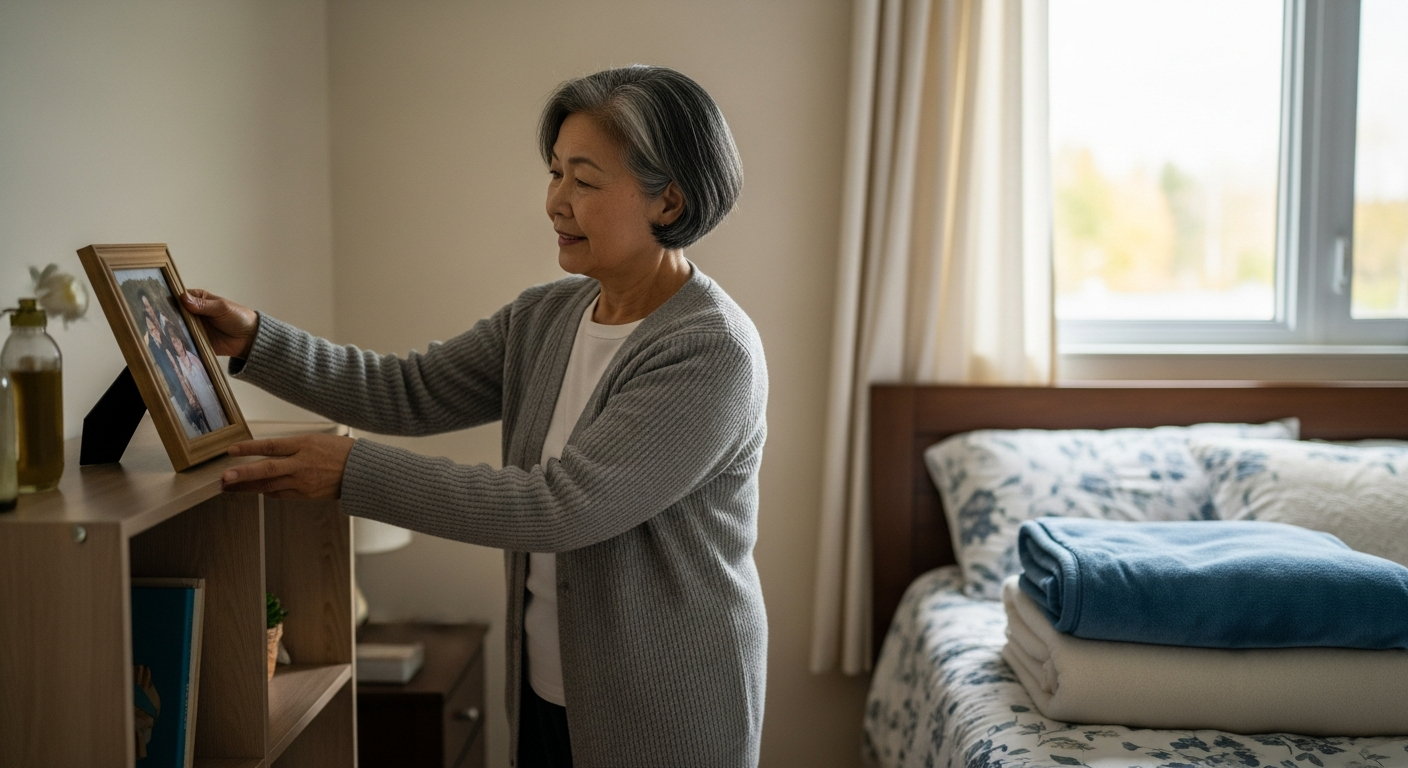
Understanding Housing Instability Among Adult Children
Homelessness isn't always what media portrays. Many young adults in Ontario cycle between crisis housing, shelters, and couch surfing due to:
- Job loss or employment gaps — Entry-level positions offering insufficient income
- Mental health crises — Untreated depression, anxiety, or trauma
- Relationship breakdowns — Domestic disputes or divorces leaving them unhoused
- Unaffordable rental markets — Toronto and Ottawa rents consuming 80%+ of minimum-wage income
- System gaps — Aging out of foster care without adequate transition support
Unlike temporary financial struggles, housing instability creates compounding challenges. Without a stable address, securing employment becomes nearly impossible. Mental health deteriorates. Educational progress halts. The longer homelessness persists, the harder recovery becomes.
Why Traditional Support Falls Short
Many parents try to help through:
- Personal loans — Depleting RRSP savings at tax cost
- Co-signing rental leases — Creating personal liability if rent goes unpaid
- Temporary housing in their home — Straining retirement space and lifestyle
- Periodic emergency funds — Addressing symptoms, not root causes
These approaches offer temporary relief but don't address the systemic issue: your adult child lacks stable housing and the recovery platform it provides. They need a foundation, not band-aids.
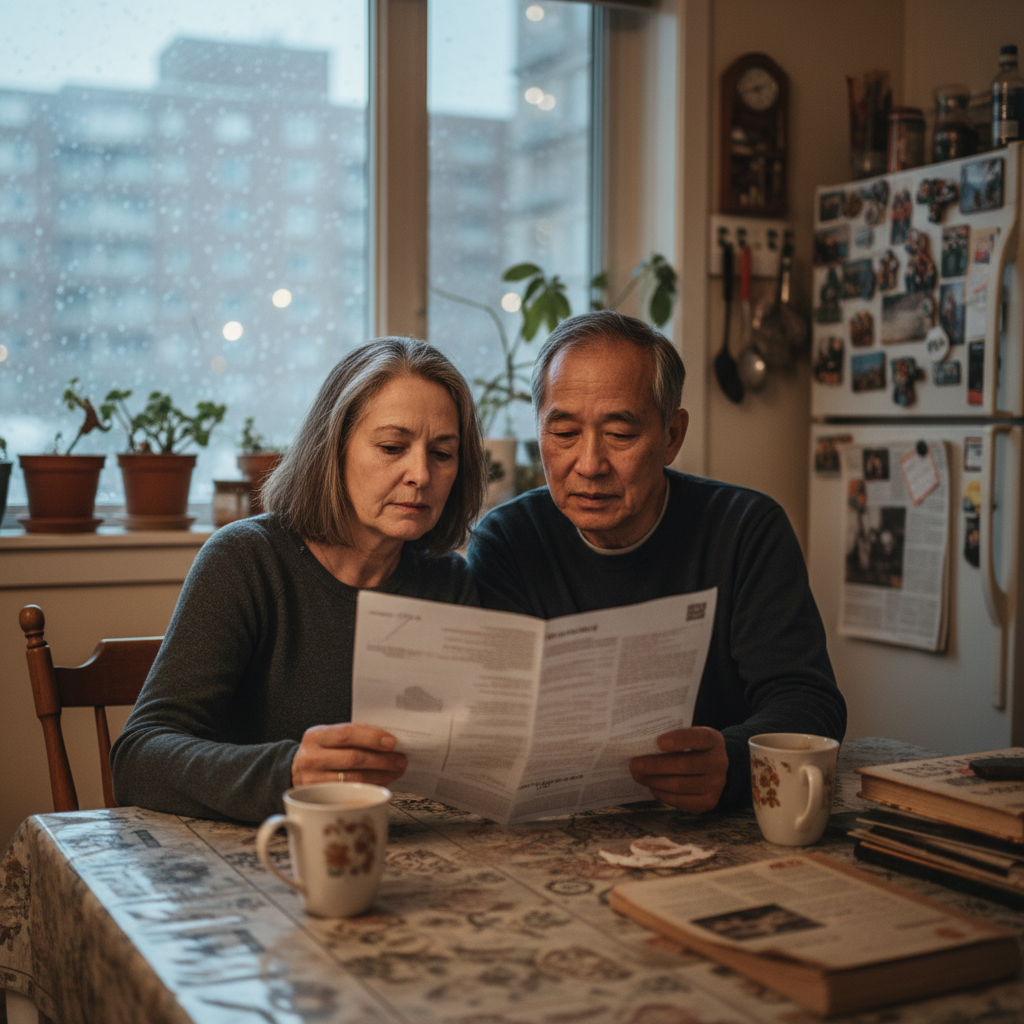
How a Reverse Mortgage Supports Housing Stability
A reverse mortgage enables seniors to access home equity specifically for creating a stable housing solution for adult children. Unlike traditional loans, reverse mortgages:
Preserve Cash Flow — Monthly mortgage payments aren't required. Funds are available immediately, without ongoing financial strain on fixed retirement income.
Flexible Deployment — Funds can cover deposit costs, first month's rent, lease guarantees, or even purchase of a modest property in your child's name (with legal protections).
Bridge Rebuilding Years — Housing stability typically requires 2-3 years before employment stabilizes and income grows. Reverse mortgage proceeds can bridge this gap while your adult child rebuilds employment history, mental health, and financial foundations.
Maintain Dignity — Unlike repeated emergency gifts, a structured reverse mortgage creates clear expectations and boundaries, reducing shame and promoting responsibility.
Structuring Reverse Mortgage Funds for Maximum Impact
Phase 1: Stabilization (Months 1-6)
- Cover initial deposit (typically 1-2 months' rent)
- Fund lease guarantee if required
- Establish utility and phone service
- Purchase essential furniture and household basics
Phase 2: Consolidation (Months 7-18)
- Supplement rent payments while income is growing
- Cover unexpected housing-related expenses
- Fund employment supports (work clothing, transportation, licensing)
- Build small emergency fund to prevent re-crisis
Phase 3: Independence (Months 19-36)
- Phase out parental support as employment stabilizes
- Your adult child assumes full housing costs
- Leverage any remaining reverse mortgage funds for next life stage (further education, modest down payment)
This structure differs from simply giving money—it creates measurable milestones and reduces dependency over time.
| Phase | Timeframe | Typical Reverse Mortgage Use | Approximate Cost Range |
|---|---|---|---|
| Stabilization | Months 1-6 | Deposit, lease guarantee, utilities, furniture | $3,000-$6,000 |
| Consolidation | Months 7-18 | Rent supplement, employment supports, emergency fund | $6,000-$15,000 |
| Independence | Months 19-36 | Tapering support, next-stage funds | $2,000-$8,000 |
Protecting Yourself and Your Retirement
Before proceeding, safeguard your position:
Legal Documentation — Work with a family lawyer to structure any housing arrangement. Even family situations benefit from clear agreements about expectations, timelines, and what happens if circumstances change.
Separate Housing Arrangements — If your adult child will live with you, establish clear lease terms, contribution expectations, and exit plans. This protects the reverse mortgage's legal standing and your home's security.
Financial Limits — Determine the maximum you can support from reverse mortgage proceeds without compromising your healthcare, long-term care, or end-of-life plans. Work with a reverse mortgage specialist to ensure the loan amount supports both your child's needs and your retirement.
Professional Support Integration — Connect your adult child with social services, employment supports, and mental health services. A reverse mortgage removes financial barriers, but professional support removes systemic barriers.
Government Programs to Layer With Your Support
Ontario and federal programs exist specifically for housing stability. A reverse mortgage works best when layered with:
- Rent Assistance Programs — Ontario has targeted support for households with unstable housing
- Employment Services — Ontario Works and other programs provide job coaching for people rebuilding
- Mental Health Services — OHIP covers counseling; many communities offer specialized supports for housing-insecure adults
- Housing First Programs — Many Ontario communities operate Housing First models that prioritize stable housing, with your reverse mortgage providing the family leverage
A reverse mortgage alone isn't a solution—it's the financial mechanism that makes professional support and government programs more effective.
Honest Conversations Before Moving Forward
Before accessing a reverse mortgage for this purpose, have clear conversations with your adult child:
- Explain the reality — This is equity from your home. When you eventually move to care or pass away, the loan must be repaid from sale proceeds.
- Set expectations — What's the timeline for independence? What role do they play in rebuilding (job search, therapy, skill development)?
- Establish accountability — Regular check-ins on housing stability, employment progress, and mental health support create transparency.
- Plan for complications — What if they lose employment again? How will you adjust?
These conversations are uncomfortable but essential. They prevent resentment and clarify whether a reverse mortgage is truly the right tool.
Alternatives If a Reverse Mortgage Doesn't Fit
A reverse mortgage isn't suitable for every situation:
- If your home is in a mortgage or high-debt state, equity may be limited
- If you need to preserve your full estate for other children or purposes, a reverse mortgage reduces inheritance
- If your adult child's housing instability stems primarily from active substance abuse without treatment commitment, structural support may enable rather than help
In these cases, explore:
- Family loans with clear repayment terms
- HELOC if you qualify (requires income qualification)
- Gifts within your annual tax-free gifting capacity
- Philanthropic organizations specializing in young adult housing
| Funding Option | Monthly Payment Required? | Income Qualification Needed? | Access to Cash |
|---|---|---|---|
| Reverse Mortgage | No | No | 15%-59% of appraised home value |
| HELOC | Yes | Yes | Varies by lender, tied to income |
| Personal/RRSP Withdrawal | N/A | N/A | Limited, tax consequences apply |
| Family Loan | Depends on terms | No | Limited to available savings |
Key Takeaways
- A reverse mortgage lets Ontario homeowners aged 55+ access 15% to 59% of their home's appraised value without required monthly payments.
- Funds can be structured in phases—stabilization, consolidation, and independence—to support an adult child's return from homelessness over roughly 36 months.
- Because it's a loan against home equity, the balance (plus interest, typically in the 6.5%-8.5% range) is repaid when the home is sold, the owner passes away, or permanently moves out.
- Reverse mortgage proceeds are tax-free loan advances and can be layered with Ontario Rent Assistance, Housing First programs, and Ontario Works employment services.
- A negative-equity protection guarantee means you will never owe more than your home's fair market value at the time of sale.
- Clear legal documentation and family conversations about expectations and timelines help prevent resentment and protect both your retirement and your child's recovery.
Frequently Asked Questions
Will a reverse mortgage affect my adult child's eligibility for government benefits?
Reverse mortgage funds you give your adult child are generally treated as a gift or loan, not income, but the specific impact on programs like Ontario Works or ODSP depends on how the funds are transferred and documented. It's wise to consult a financial advisor or the program administrator before making transfers so your child's benefit eligibility isn't jeopardized.
How much of my home equity can I access for this kind of support?
Most Ontario reverse mortgage lenders allow homeowners aged 55 and older to borrow between 15% and 59% of their home's appraised value, depending on age, property location, and home value. A reverse mortgage specialist like Rick Sekhon can model exact borrowing capacity based on your specific home and financial goals.
Do I have to make payments on a reverse mortgage while helping my child?
No. Reverse mortgages do not require monthly principal or interest payments, which is why they're often used to fund ongoing support like rent supplements without straining fixed retirement income. Interest accrues over time and is repaid, along with the principal, when the home is eventually sold or the loan otherwise becomes due.
What happens to the reverse mortgage if I pass away while my child is still housed under this plan?
The reverse mortgage balance becomes due when the last surviving title holder passes away, moves out permanently, or sells the home, and it's typically repaid from the proceeds of the home's sale by your estate. Your estate keeps any remaining equity after the loan and interest are repaid, and negative-equity protection ensures your heirs never owe more than the home's fair market value.
Is a reverse mortgage a better option than a HELOC for this situation?
A reverse mortgage doesn't require income qualification or monthly payments, making it more accessible for retirees on fixed incomes, while a HELOC typically requires proof of income and ongoing payments. The right choice depends on your cash flow needs, credit profile, and how long you expect to need the funds.
Taking the Next Step
If you're supporting an adult child experiencing housing instability, schedule a consultation with a reverse mortgage specialist in Ontario who can:
- Assess your home equity and borrowing capacity
- Model how reverse mortgage funds could structure a 3-year housing stability plan
- Review your retirement income needs to ensure supporting your child doesn't jeopardize your security
- Connect you with family lawyers and social services for complementary support
Your adult child's return from homelessness isn't just about providing shelter—it's about creating the platform from which they can rebuild employment, mental health, relationships, and independence. A thoughtfully structured reverse mortgage can provide that platform while protecting your retirement.
The question isn't whether you can afford to help. It's whether you can structure that help in a way that truly supports long-term recovery rather than creating new financial vulnerabilities for yourself.
Ready to Learn More?
Find out exactly how much you could unlock from your home — free and no obligation.
Related Articles
Reverse Mortgage for Home Modifications When Adult Child Has Sensory Processing Disorder
Fund sensory-safe home design for adult child with SPD. Reverse mortgage covers lighting, sound dampening, sensory rooms, and accessibility modifications.
Read →Reverse Mortgage for Occupational Health and Safety Professional Certification
Fund adult child's OHS certification and professional development. Reverse mortgage covers exam costs, training, and workplace safety credentials.
Read →Reverse Mortgage When Named Executor of Multiple Estates: Managing Complex Coordination
Managing multiple executor roles simultaneously strains finances. Use reverse mortgage to fund executor costs, legal fees, and time management across estates.
Read →