
Reverse Mortgage for Adult Child's Professional Coaching Certification: Investing in Their Career Transition
Support your adult child's transition into professional coaching (life coach, executive coach, wellness coach). Reverse mortgage funds certification and business startup costs.
Your adult child is ready to transition from traditional employment into professional coaching—but certification programs cost $8,000–$25,000, and they need 6–12 months to complete training while earning reduced income. Professional coaching (executive coaching, life coaching, wellness coaching, career coaching) is a growing field with strong earning potential, but the barrier to entry is the upfront certification investment. A reverse mortgage can bridge this gap, allowing your adult child to pursue meaningful work while you maintain your retirement security.
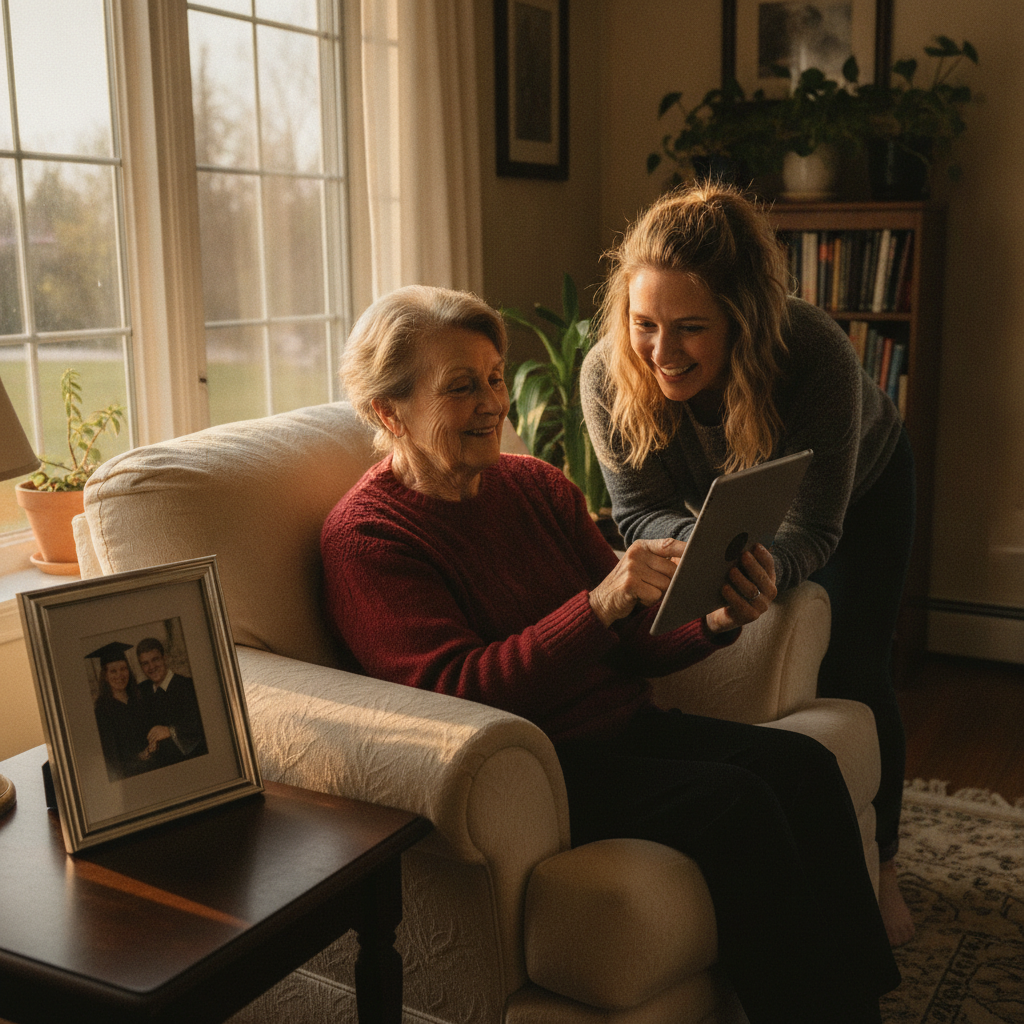
The Professional Coaching Landscape in Canada
Professional coaching has grown 45% in the past five years in Canada, with demand across corporate, wellness, sports, and life coaching sectors.
Types of Professional Coaching in Canada
| Coaching Type | Certification Cost | Timeline | Income Potential | Market Demand |
|---|---|---|---|---|
| Executive/Business Coach | $12,000–$25,000 | 6–12 months | $100–$300/hour | Very High |
| Life Coach | $8,000–$18,000 | 3–6 months | $75–$200/hour | High |
| Health/Wellness Coach | $6,000–$15,000 | 3–9 months | $60–$150/hour | High |
| Career Coach | $8,000–$20,000 | 4–8 months | $80–$200/hour | Medium-High |
| Sports Performance Coach | $10,000–$20,000 | 6–12 months | $75–$250/hour | Medium |
Key insight: Unlike many professions, coaching doesn't require a university degree or specific credentials to call yourself a "coach." However, professional certifications (ICF, ACHE, NCCHS) signal expertise and command higher rates.
Recognized Certification Bodies in Canada
- International Coach Federation (ICF) – Most prestigious, globally recognized
- Adler Institute of Professional Coaching – Canadian-based, strong in Canada
- Royal Roads University Coaching Certificate – University-affiliated program
- Online coaching programs – Lower cost, more flexible, variable quality
The Real Cost of Coaching Certification
It's not just the program tuition:
| Cost Component | Typical Amount |
|---|---|
| Certification program tuition | $8,000–$20,000 |
| Coaching practice hours (supervised) | $2,000–$5,000 |
| Continuing education (first year) | $1,000–$3,000 |
| Business setup (LLC, insurance, website) | $2,000–$5,000 |
| Marketing and launch costs | $3,000–$10,000 |
| Total first-year investment | $16,000–$43,000 |
Additionally, your adult child may have reduced income during training (months 3–12, while building client base):
- Training requires 20–40 hours weekly
- Client-building during training typically nets only $500–$2,000/month
- Full income potential ($5,000–$10,000/month) achieved only after 12–24 months
Total income gap during transition: $8,000–$24,000
Case Study: James's Coaching Transition
James, 35, worked in corporate management for 12 years but was burned out. He wanted to transition into executive coaching—helping leaders navigate career challenges and personal growth.
James's situation:
- ICF-certified coaching program cost: $18,000
- Business startup costs: $4,000
- Living expenses during 9-month training: $9,000 (reduced income from part-time work)
- Total needed: $31,000
His parents, both 68, had planned a modest reverse mortgage ($50,000) to supplement their retirement. They restructured to help James:
- Increased reverse mortgage to $80,000
- Used $35,000 to cover James's training and transition
- Retained $45,000 for their own retirement needs
- James built his coaching practice during and after certification
James's timeline:
- Months 1–3: Training + part-time work ($1,500/month)
- Months 4–9: Training + client-building ($2,500/month)
- Months 10–24: Full coaching practice ($6,000–$8,000/month)
- Month 24+: Established practice ($8,000–$12,000/month)
Outcome: By month 24, James was earning significantly more than his previous corporate job and was much happier. His parents' reverse mortgage was fully supported by their pension income, and the investment in James's career paid dividends for the whole family.
Why Reverse Mortgage Works for Coaching Certification
A reverse mortgage is ideal for this situation because:
- No monthly payments – Your retirement income stays intact while you support James
- Flexible payout structure – Pay James's tuition in chunks as the program progresses
- Tax-free proceeds – No income tax consequence on borrowed funds
- Time flexibility – James has 9–12 months to build his practice while you're not pressured to repay
- Generational wealth transfer – You're investing in your adult child's earning potential, creating a living legacy
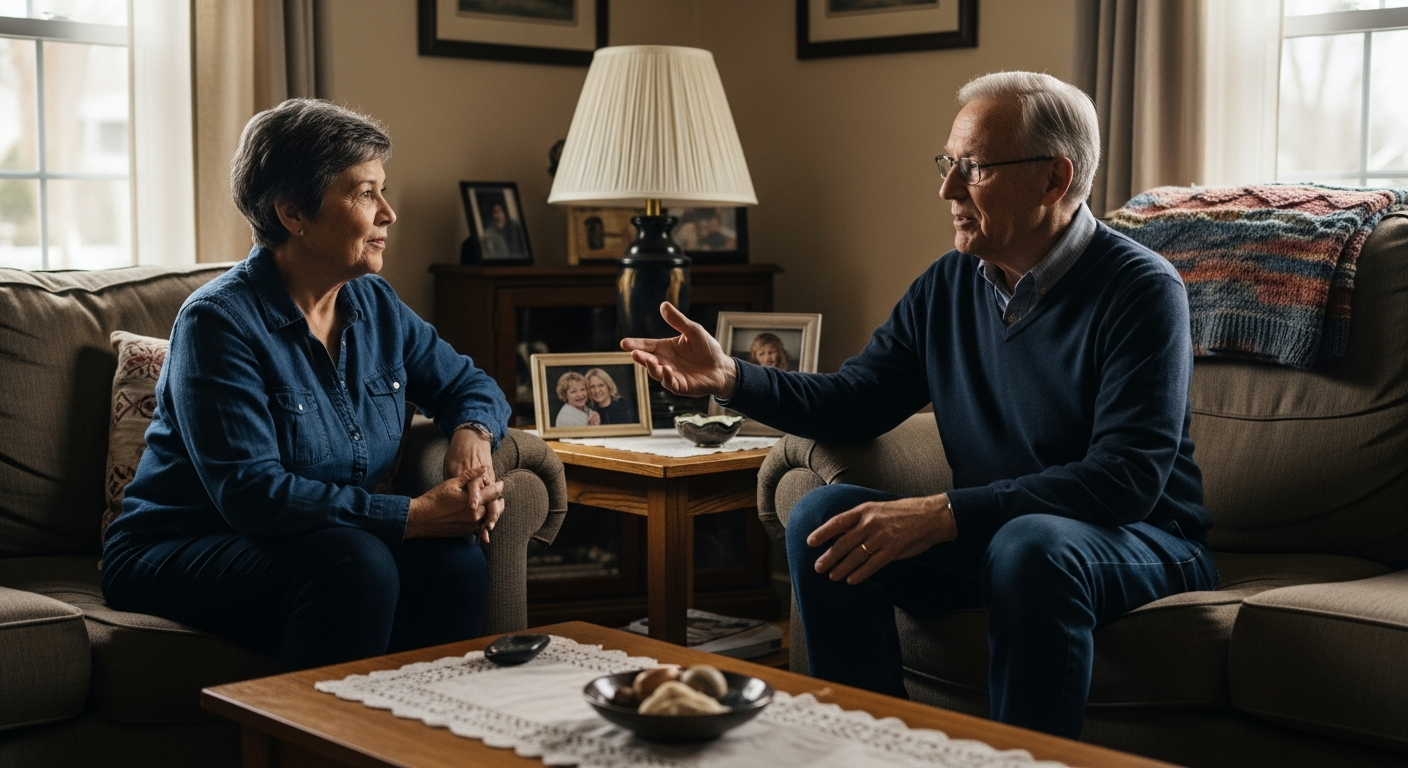
Supporting Your Adult Child's Coaching Business
Option 1: Full Sponsorship
You cover entire certification + business costs ($30,000–$40,000) through reverse mortgage. Your adult child focuses 100% on training and building practice.
Pros:
- Faster business launch
- Adult child graduates without debt
- You maintain family goodwill by eliminating financial stress
Cons:
- Higher reverse mortgage balance
- Adult child may not value the opportunity as much
- No "skin in the game" accountability
Option 2: Shared Investment
You cover certification ($20,000), adult child covers business startup and living expenses ($10,000–$15,000) through part-time work and savings.
Pros:
- Balanced responsibility
- Adult child maintains some financial autonomy
- Shared investment strengthens commitment
- Lower reverse mortgage balance required
Cons:
- Requires adult child to have savings or credit
- May slow business launch slightly
Option 3: Loan Structure
You loan adult child the funds through reverse mortgage, with repayment terms once their practice is established.
Pros:
- Maintains formal structure
- Adult child has accountability to repay
- Teaches financial responsibility
Cons:
- Creates potential family tension if business doesn't succeed
- Adult child faces double burden (repay loan + support practice growth)
- May strain family relationship
Teaching Your Adult Child About Coaching Business Success
If you're funding their transition, consider requiring:
- Business plan – Written strategy for building coaching practice
- Monthly updates – Progress on client acquisition, revenue, certifications
- Accountability coaching – They should use a business coach or mentor themselves
- Investment in continuing education – They should allocate 5–10% of revenue to ongoing learning
This transforms the financial support into mentorship, increasing success likelihood.
Establishing Your Adult Child's Coaching Practice
Critical First Steps
- Choose certification body – Research ICF, ACHE, or university programs
- Secure business structure – Sole proprietor or incorporate (discuss with accountant)
- Get coaching liability insurance – $500–$1,500/year (protects against client disputes)
- Set up website and payment system – $2,000–$5,000 investment
- Build client acquisition strategy – Coaching succeeds through referrals and reputation
Realistic Income Progression
| Timeline | Typical Income | Client Clients | Notes |
|---|---|---|---|
| Month 1–3 | $0–$500 | 0–2 | Building brand, no clients yet |
| Month 4–6 | $1,500–$3,000 | 2–6 | Early clients, word-of-mouth starting |
| Month 7–12 | $3,000–$6,000 | 6–12 | Practice growing, referrals increasing |
| Month 13–24 | $5,000–$10,000 | 12–25 | Established practice, strong referral base |
| Year 3+ | $8,000–$15,000+ | 20–40 | Mature practice, possibly group coaching/digital products |
Key insight: Professional coaching income is highly variable. Some coaches never reach $5,000/month. Others reach $15,000+/month. Success depends on marketing ability, credibility, and persistence.
Tax and Legal Considerations
For You (The Parent)
- Reverse mortgage proceeds: Tax-free
- No "gift" tax consequences in Canada – gifts are never taxable
- No income tax on supporting adult child
- Estate planning question: Should funding be structured as gift or loan? Consult with estate lawyer
For Your Adult Child (The Coaching Professional)
- Self-employed income: Fully taxable
- Coaching business is classified as service income – Subject to income tax, CPP contributions
- Deductible business expenses: Certification, continuing education, website, marketing, office supplies
- HST registration: If revenue exceeds $30,000/year, HST registration may be required (varies by province)
Recommendation: Adult child should consult with accountant before launching business to understand tax obligations.
Frequently Asked Questions
What if my adult child's coaching practice doesn't succeed?
This is a real risk. Supporting their certification is an investment, not a guaranteed return. Discuss success metrics and a "backup plan" if coaching doesn't generate sufficient income after 18–24 months.
Can I structure this as a loan instead of a gift?
Yes. You could formalize a loan agreement with repayment terms. However, this may create family tension. Many parents treat it as a gift with the understanding that the adult child "pays it forward" by helping grandchildren later.
How do I know if this coaching program is legitimate?
Research ICF-accredited programs or university-based certifications. Avoid unaccredited online "get certified in 2 weeks" programs—these don't build credibility. Ask about alumni success rates and job placement.
Should my adult child have a business plan before I fund them?
Absolutely. Require a written business plan outlining:
- Target market (who are your coaching clients?)
- Pricing strategy (how much will you charge?)
- Marketing plan (how will you find clients?)
- Financial projections (what income do you expect?)
- Timeline (when will you be self-sufficient?)
What if multiple adult children want similar support?
This is a common fairness question. Consider:
- Supporting all similarly (fairness)
- Supporting based on demonstrated commitment (merit-based)
- Capping total support across children (budget constraint)
- Discussing transparently to avoid resentment
Action Steps: Supporting Your Adult Child's Coaching Career
- Discuss the opportunity – Is your adult child genuinely interested in coaching?
- Research programs together – Evaluate options, costs, timelines
- Explore reverse mortgage options – Consult with Rick Sekhon about structuring funding
- Require a business plan – Adult child should articulate their vision
- Define financial terms – Gift vs. loan? What's your commitment level?
- Establish accountability – Monthly updates, progress tracking
- Celebrate milestones – First client, first $1,000 in revenue, certification completion
Next Steps
Ready to Learn More?
Find out exactly how much you could unlock from your home — free and no obligation.
Related Articles
Reverse Mortgage When Your Adult Child Is Between Jobs: Career Transition Gap Funding
Support your adult child during planned career transitions. Fund income gaps between jobs without them taking on personal debt.
Read →Reverse Mortgage for Adult Child Pursuing Advanced Professional Designations
Fund adult child's CPA, CFA, CFP, MBA, or professional designation. Reverse mortgage education investment strategy. Living Legacy approach.
Read →Reverse Mortgage for Adult Child's Postgraduate Education: Master's & Certifications
Help your adult child earn a master's degree or professional certification with a reverse mortgage. Fund education without cosigning debt—Ontario strategy for parents of adult learners.
Read →