
Reverse Mortgage for Accessible Gardening and Food Security: Growing Food While Aging in Place
Fund accessible gardening infrastructure for aging in place. Learn how a reverse mortgage enables raised beds, vertical gardens, accessible tools, and food security for Ontario seniors.
You've always had a garden. Now mobility limitations, back pain, and arthritis make traditional gardening impossible—bending over raised beds, kneeling to pull weeds, carrying heavy bags of soil. But gardening was never just about vegetables; it was about connection to the earth, accomplishment, mental health, and food security. Accessible gardening through raised beds, vertical systems, and adapted tools transforms gardening from a past pleasure into an accessible aging-in-place activity. A reverse mortgage can fund the accessibility infrastructure that allows you to keep gardening—and feeding yourself fresh produce—throughout your retirement.
Why Accessible Gardening Matters for Aging in Place
Gardening is powerful medicine for aging seniors:
Health Benefits of Accessible Gardening
- Physical activity: Gentle movement maintains mobility and strength
- Mental health: Gardening reduces depression and anxiety in seniors
- Nutritional security: Growing food supplements diet; reduces cost
- Cognitive health: Planning, problem-solving, learning maintains brain function
- Social connection: Shared gardening with family and friends combats isolation
- Purpose and meaning: Tending plants provides sense of purpose
Financial Benefits of Food Security
- Reduced grocery costs: $1–$2/pound growing vegetables vs. $3–$6/pound buying
- Access to quality produce: Fresh, pesticide-free vegetables
- Food sovereignty: Not dependent on store supply chains
- Sustainability: Reduces waste; supports environmental values
Psychological Benefits
- Accomplishment: Watching plants grow provides sense of achievement
- Control: In unpredictable aging, gardening provides area of control
- Continuity: Maintaining lifelong hobby supports identity continuity
- Hope and future orientation: Gardening assumes continued life ahead
Accessible Gardening Infrastructure and Costs
Raised Bed Gardens (Most practical for aging)
Standard Raised Beds
- Height: 24–48 inches high (reduces bending; back-friendly)
- Dimensions: 4 × 8 feet typical; can customize for wheelchair access
- Materials: Wood (cedar lasts 10+ years), composite, metal
- Installation: Level ground, weed barrier, soil fill
- Per bed cost: $200–$600 depending on materials
- Accessibility note: 36–42" height ideal for sitting gardening; wheelchair-accessible if 48"+ for under-chair clearance
Custom Accessible Raised Beds
- Height and depth: Designed specifically for sitting gardening or wheelchair access
- Width: 24–36" wide so person can reach center without standing
- Materials: Durable, sturdy construction supporting person weight
- Professional design: Occupational therapist or accessible design consultant
- Cost: $400–$800 per custom bed
Number and layout:
- Typical accessible garden: 3–5 raised beds
- Spacing: 18–24" pathways between beds (wheelchair accessible)
- Seating: Built-in benches for rest, garden viewing
- Hardscaping: Gravel or patio pathways
Total raised bed system: $2,000–$6,000
Raised Beds vs. Vertical Gardening: Which Fits Your Mobility
| Factor | Raised Beds (24–48") | Vertical Systems |
|---|---|---|
| Best for | Sitting or standing gardeners; moderate mobility | Very limited mobility; small spaces; balconies |
| Typical cost | $2,000–$6,000 for full system | $1,000–$5,000 for full system |
| Space needed | Larger footprint (3–5 beds) | Compact; wall or trellis mounted |
| Bending required | Minimal if 36"+ height | None; eye-level reach |
| Wheelchair access | Yes, if 48"+ with clearance | Yes, with wall-mounted pockets |
| Maintenance | Soil refresh, weeding | Lighter; fewer weeds, less soil |
Vertical Gardening Systems (For limited mobility)
Tiered Planter Systems
- Height-adjustable planter towers: Multiple levels; standing or sitting reach
- Wall-mounted planters: Pockets at accessible heights
- Hanging planters: Suspended at eye level; no bending
- Trellis systems: For climbing vegetables (beans, peas, cucumbers)
- Cost per system: $300–$1,000
Living walls and green walls:
- Professional installation: $2,000–$10,000+ for full wall
- DIY modular systems: $500–$2,000
- Allows: Multiple plants in small footprint; accessible reach heights
Total vertical gardening investment: $1,000–$5,000
Accessibility Tools and Equipment
Adaptive Gardening Tools
- Long-handled tools: Reduce bending; maintain reach
- Lightweight tools: Aluminum or composite; reduce hand strain
- Ergonomic handles: Larger grips; reduce hand arthritis stress
- Powered tools: Small electric tillers, powered soil movers
- Cost of tool kit: $300–$800
Seating and Support
- Gardening stools: Stable, height-adjustable
- Knee pads and kneeling aids: If some kneeling possible
- Armrests and handles: For safe transitions to standing
- Cost: $200–$600
Soil and Material Management
- Soil delivery and spreading service: $300–$800
- Raised bed soil mix: Pre-packaged, lighter-weight bags
- Compost: For soil amendment and nutrients
- Mulch and ground cover: For pathways and soil moisture
- Annual cost: $500–$1,500
Watering Infrastructure
Irrigation Systems (Critical as mobility declines)
- Soaker hoses: Low-pressure, efficient watering
- Drip irrigation: Automated, programmable watering
- Overhead sprinklers: For larger areas
- Smart timers: Automated watering schedule
- Cost: $500–$2,000
Water access:
- Accessible water source: Garden hose spigot or rain barrel
- Lightweight watering can: If hand-watering preferred
- Elevated water storage: Rain barrel on stand for easier access
Garden Structure and Safety
Pathways and Hardscaping
- Gravel paths: Non-slip, wheelchair-accessible ($500–$1,500)
- Patio pavers: Smooth, level surface ($1,000–$3,000)
- Shade structures: Pergola or shade cloth ($500–$2,000)
- Cost: $1,000–$4,000
Safety features:
- Adequate lighting: Evening gardening safety
- Handrails and support: For transitions and movement
- Non-slip surfaces: Preventing falls on wet surfaces
- Weather protection: Pergola or shade structure
Seasonal Protection
- Greenhouse or row covers: Extend growing season
- Cold frames: Protect plants in spring/fall
- Cost: $500–$3,000
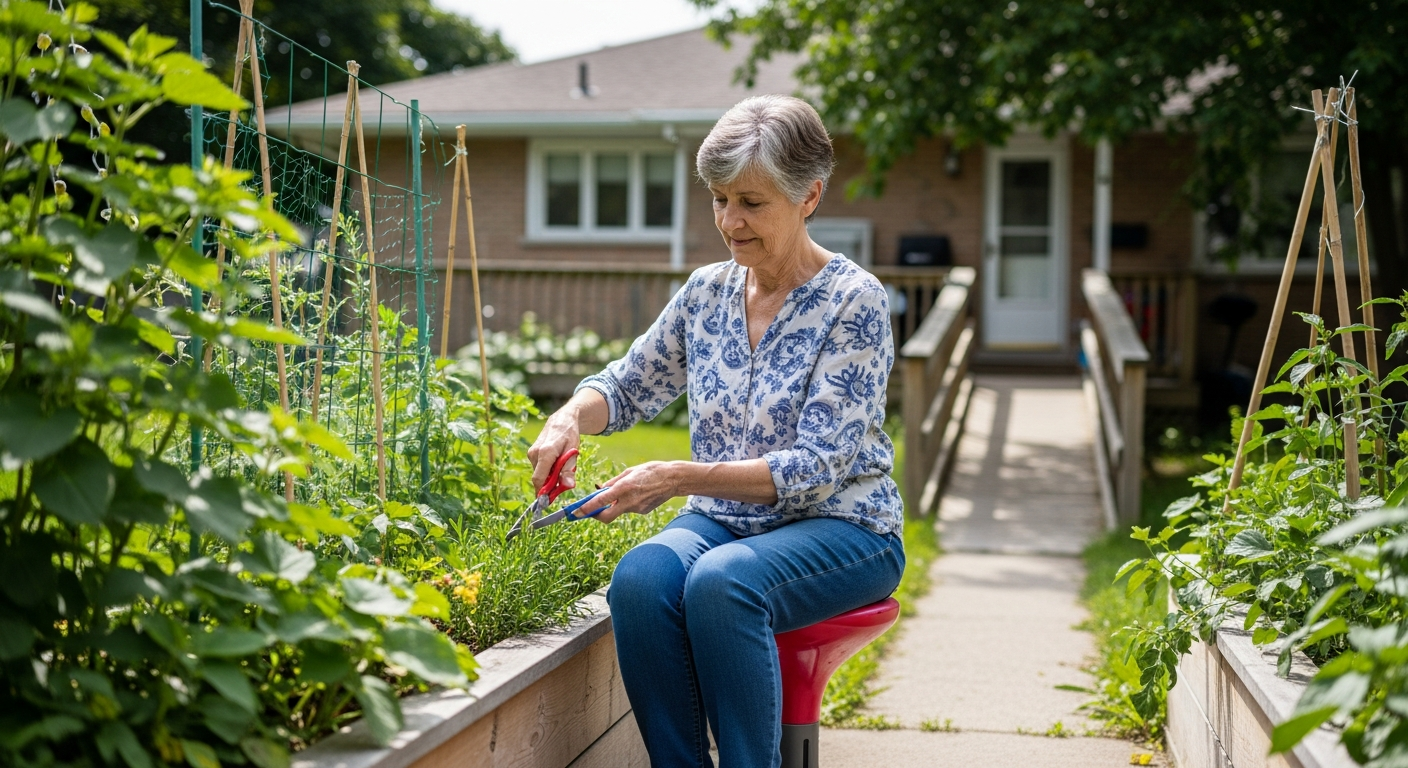
Building an Accessible Garden System
Phase 1: Site Assessment and Planning (Month 1)
Before spending on infrastructure:
- Location: Where's best location? (sunlight, water access, mobility access)
- Space available: How much area? Front, back, sides, rooftop?
- Mobility requirements: Wheelchair accessible? Sitting gardening? Walking with cane?
- Sunlight: Most vegetables need 6+ hours sun; note shade patterns
- Water access: Hose nearby? Will you install irrigation?
- Soil testing: Optional; identifies nutrients and amendments needed
- Cost: $200–$500 for consultation and assessment
Phase 2: Infrastructure Installation (Months 1–3)
Months 1–2: Foundation
- Raised bed installation: 3–4 beds with soil and mulch ($2,500–$4,000)
- Pathways and hardscaping: Patio or gravel pathways ($1,000–$2,000)
- Water system: Soaker hoses or drip irrigation ($500–$1,000)
- Seating and support: Benches, handles, accessible features ($400–$800)
Month 3: Finishing
- Vertical systems: Wall or trellis gardens if desired ($500–$2,000)
- Shade structure: Pergola or shade cloth ($500–$1,500)
- Tool and supply organization: Storage area with adapted tools ($200–$500)
Total Phase 2: $5,000–$11,000
Phase 3: Planting and Seasonal Setup (Ongoing)
Spring setup:
- Seeds or seedlings: Vegetables for season; $100–$300
- Soil amendments: Additional compost, fertilizer; $200–$400
- Watering system testing: Ensure drip or soaker working ($100)
Ongoing maintenance:
- Soil and amendments: Annual refreshing; $500–$1,000/year
- Tool maintenance: Cleaning, sharpening, repair; $100–$300/year
- Seasonal setup/takedown: Fall cleanup, winter prep; $200–$400/year
Total Phase 3 (Annual): $1,000–$2,000
Reverse Mortgage Allocation for Accessible Garden
| Component | Cost | Priority |
|---|---|---|
| Site assessment and planning | $300 | Essential |
| Raised beds (3–4 with soil) | $3,000 | Essential |
| Pathways and hardscaping | $1,500 | Essential |
| Watering system | $800 | Essential |
| Seating and safety features | $600 | Essential |
| Shade structure | $1,000 | Important |
| Vertical gardening system | $1,000 | Desired |
| Tool kit and supplies | $400 | Essential |
| Year 1 soil and amendments | $800 | Essential |
| Professional installation oversight | $500 | Recommended |
| Total Year 1 | $9,900 | — |
| Annual maintenance (Year 2+) | $1,500–$2,000 | — |
Reverse mortgage allocation: $10,000–$12,000 initial + $1,500–$2,000/year ongoing
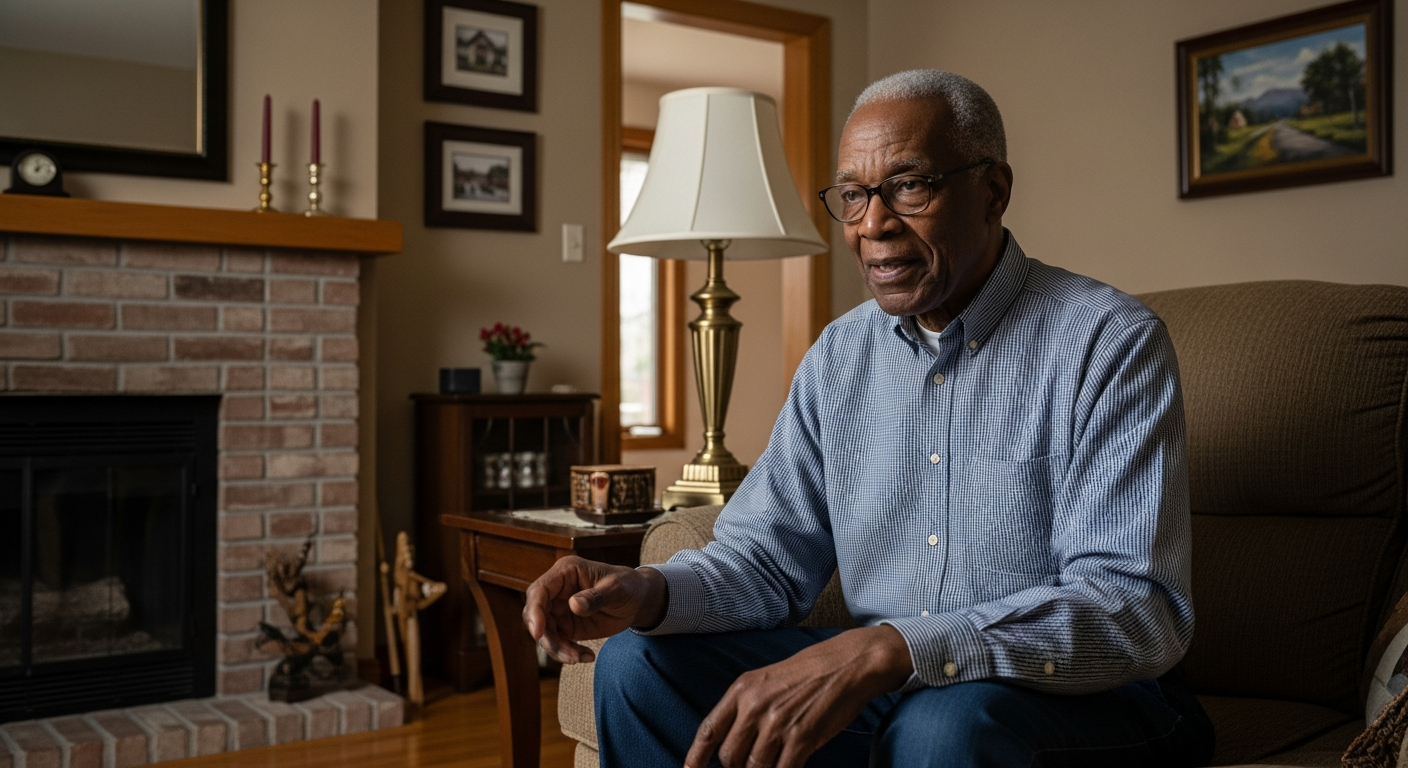
Real-World Example: Robert's Accessible Garden Transformation
Robert's Situation
- Age: 74, retired landscaper (gardening was professional passion and lifelong hobby)
- Condition: Moderate arthritis in back and knees; can't bend or kneel like before
- Home: Suburban Toronto with backyard space
- Concern: Missing gardening; vegetables expensive; losing sense of purpose
Initial Challenges
- Can't bend to work in traditional ground-level garden beds
- Carrying heavy bags of soil impossible with back pain
- Kneeling to pull weeds out of question
- Felt like aging meant losing gardening forever
Reverse Mortgage Solution
- Accessed $11,000 reverse mortgage for accessible garden
- Investment:
- Three 48" high raised beds with quality soil: $3,500
- Patio pathway system: $1,500
- Drip irrigation system: $800
- Seating benches and safety features: $700
- Vertical trellis system for climbing vegetables: $1,000
- 10'×12' shade pergola: $1,500
- Adaptive tool kit: $400
- Year 1 seeds and amendments: $600
- Professional installation and oversight: $400
Outcome
- Robert gardens 5–7 days weekly (manageable, pain-free activity)
- Grows tomatoes, peppers, beans, lettuce, herbs throughout season
- Harvests $800–$1,200 in vegetables annually (vs. buying at store)
- Mental health dramatically improved; sense of purpose restored
- Grandchildren love "grandpa's garden"; social connection enhanced
- Discovers adaptive gardening community; makes new friends with similar limitations
- Arthritis pain actually decreases from gentle, consistent activity
- Lives more independently through food security and purposeful activity
Robert's reflection: "I thought my gardening days were over when my back started hurting. This accessible garden let me keep doing what I love. Now I garden comfortably, grow food for my family, and feel useful again. This reverse mortgage didn't just help me age in place—it helped me age with purpose."
Ontario Resources for Accessible Gardening
Gardening Organizations and Resources
- Evergreen Canada: Community gardening and accessible garden design
- Canadian Community Gardening Association: Best practices and resources
- Toronto Green Community: Urban accessible gardening programs
- Horticultural Therapy Association: Evidence-based gardening for health
Accessibility Consultants
- Occupational therapists: Help design accessible garden systems
- Accessible garden designers: Specialize in aging-friendly gardens
- Local horticultural societies: Often have accessible gardening programs
Adaptive Gardening Tools and Suppliers
- Ergo handles and adaptive tools: Specialty garden supply companies
- Raised bed kits: Pre-made, delivered raised bed systems
- Accessible garden design services: Professional design for your space
Important Considerations
Plant Selection
Choose vegetables and herbs appropriate for your needs:
- High-yield plants: Tomatoes, peppers, beans produce abundantly; worth effort
- Cut-and-come-again greens: Lettuce, spinach, kale; multiple harvests from one planting
- Herbs: Basil, parsley, mint; frequent harvest; fragrant; compact
- Avoid: Heavy-work vegetables (potatoes, sweet corn); too demanding for accessibility gardening
Soil Management
Soil is critical foundation:
- Quality soil mix: Mix of compost, peat/coco, perlite; drains well, rich in nutrients
- Annual amendments: Add compost yearly to maintain fertility
- Mulching: Keeps soil moist, reduces weeds, adds organic matter
- Cost: $500–$1,000 annually for ongoing amendments
Water and Sustainability
Efficient watering essential:
- Drip irrigation: Delivers water directly to roots; 30–50% more efficient than overhead
- Rain barrel: Capture roof runoff; reduce municipal water use
- Mulch: Conserves moisture, reduces watering needs
- Soil quality: Well-amended soil retains moisture better
Pests and Diseases
Prevention easier than treatment:
- Healthy soil: Well-fed plants resist disease
- Companion planting: Marigolds, basil, other plants deter pests
- Organic methods: Neem oil, insecticidal soap for pest management
- Disease prevention: Good air circulation, removing diseased leaves
Key Takeaways
- A full accessible raised-bed garden system typically costs $2,000–$6,000, while vertical gardening for very limited mobility runs $1,000–$5,000.
- A complete Year 1 accessible garden—beds, pathways, irrigation, seating, and tools—averages about $9,900, with $1,500–$2,000/year in ongoing maintenance.
- Growing your own vegetables costs roughly $1–$2/pound versus $3–$6/pound at the store, so an active accessible garden can offset $800–$1,200 in annual grocery costs.
- Drip irrigation is 30–50% more water-efficient than overhead watering and reduces the physical demand of daily hand-watering.
- Raised beds 36–42 inches high suit sitting gardening, while beds 48 inches or taller with under-clearance support full wheelchair access.
- A reverse mortgage lets Ontario homeowners 55+ fund the full $10,000–$12,000 initial investment at once rather than piecing the garden together over several seasons.
Frequently Asked Questions
How much does a reverse mortgage typically fund for an accessible garden project?
Most Ontario homeowners allocate $10,000–$12,000 from a reverse mortgage to cover the initial build—raised beds, pathways, irrigation, seating, and tools—plus $1,500–$2,000 per year for ongoing soil and maintenance. Since reverse mortgages let you borrow roughly 15–59% of your appraised home value with no monthly payments required, this is usually a small fraction of available equity.
Do I need a wheelchair-accessible garden, or will a standard raised bed work?
It depends on your mobility level. Raised beds 36–42 inches high work well for sitting gardening, while beds 48 inches or taller with clearance underneath are needed for full wheelchair access. An occupational therapist or accessible garden designer can assess your specific needs before you invest.
Will building an accessible garden affect my reverse mortgage balance or my estate?
Yes—like any reverse mortgage draw, funds used for garden infrastructure accrue interest over time (roughly 6.5%–8.5% depending on the lender and term) and reduce the equity left in your estate. Ontario reverse mortgages carry negative-equity protection, so you or your estate will never owe more than the home's fair market value at sale.
Can I use a reverse mortgage for a garden if I only have a small yard or balcony?
Yes. Vertical gardening systems—tiered planters, wall-mounted pockets, and trellises—cost $1,000–$5,000 and are designed for small footprints, including balconies and narrow side yards, so lack of space doesn't rule out accessible gardening.
At what age can I qualify for a reverse mortgage to fund home and garden accessibility projects?
In Canada, all title holders on the home must be at least 55 years old to qualify for a reverse mortgage. Lenders such as HomeEquity Bank and Equitable Bank assess your home's appraised value and location to determine how much you can borrow.
Is professional installation required, or can I build an accessible garden myself?
Professional installation isn't mandatory, but many homeowners budget $400–$500 for oversight from a contractor or accessible design consultant to ensure raised bed heights, pathway widths, and irrigation placement genuinely match their mobility needs rather than guessing.
Moving Forward
If you want to maintain or start accessible gardening while aging in place:
- Assess your space: Where's best location? How much space available?
- Evaluate your mobility: What's realistic for your current mobility and pain?
- Plan accessible infrastructure: Raised beds, vertical systems, pathways
- Install irrigation: Automate watering to reduce physical demand
- Start small: 2–3 raised beds better than overwhelming 10-bed system
- Choose appropriate plants: High-yield, manageable vegetables and herbs
- Join community: Accessible gardening groups provide support and inspiration
- Celebrate harvests: Growing food is an accomplishment worth celebrating
Accessible gardening transforms aging in place from merely surviving to actively living. A reverse mortgage that funds the infrastructure—raised beds, irrigation, pathways, shade structures—allows you to keep gardening, maintain purpose, grow nutritious food, and stay connected to lifelong passion.
With thoughtful accessible design and quality infrastructure, you can garden throughout your retirement years. Your reverse mortgage makes that possible.
Ready to Learn More?
Find out exactly how much you could unlock from your home — free and no obligation.
Related Articles
Home Accessibility on a Budget: Must-Have Modifications for Aging in Place
Guide to affordable home accessibility modifications for aging in place in Ontario. Reverse mortgage funding for critical safety upgrades.
Read →Reverse Mortgage for Home Renovations: Aging in Place Guide for Ontario Seniors
Learn how to use a reverse mortgage to fund home renovations and modifications that let you age in place safely and comfortably in your Ontario home. Includes cost examples and step-by-step process.
Read →Aging in Place with a Reverse Mortgage: Home Modification Guide
How Ontario seniors can fund aging-in-place home modifications with a reverse mortgage — costs, top modifications, grants, and a complete planning guide.
Read →