
Funding Your Adult Child's Medical School: Living Expenses During Medical Education
Use a reverse mortgage to fund your adult child's medical school living expenses. Bridge the income gap while they study full-time for their medical degree in Ontario.
Your adult child has been accepted to medical school—an incredible achievement. But medical school is 4 years of full-time study with minimal opportunity for part-time income. They've already accumulated $50,000-$100,000 in undergraduate debt. Living expenses alone will add another $30,000-$50,000 annually. How do you help them pursue their dream without crushing them under debt before they graduate? A reverse mortgage allows you to fund medical school living expenses, setting your child up for success without debt burden.

The Cost of Medical School in Canada
Medical education in Canada is expensive and time-consuming. While tuition is subsidized by provinces, living expenses during 4 years of full-time study create substantial financial burden—especially for students without family support.
Medical School Costs in Ontario (4 Years)
| Expense Category | Annual Cost | 4-Year Total |
|---|---|---|
| Tuition (Ontario resident, public school) | $15,000-$20,000 | $60,000-$80,000 |
| Rent/housing | $12,000-$18,000 | $48,000-$72,000 |
| Food and essentials | $6,000-$8,000 | $24,000-$32,000 |
| Transportation | $2,000-$3,000 | $8,000-$12,000 |
| Books, equipment, technology | $3,000-$4,000 | $12,000-$16,000 |
| Licensing exams, board costs | $2,000 | $8,000 |
| TOTAL 4-YEAR COST | $40,000-$53,000 | $160,000-$212,000 |
Most medical students work part-time (10-20 hours weekly) during first year, generating $8,000-$12,000 annually. But second through fourth years require full-time commitment to study, clerkships, and clinical rotations. Many students graduate with $150,000-$250,000 in debt: undergraduate student loans, medical school living expenses, and credit card debt accumulated during training.
According to the Canadian Association of Medical Students (CAMS), approximately 70% of medical school graduates carry student debt exceeding $100,000, with many reporting mental health challenges related to financial stress during medical training.
This debt directly impacts physician career choices. Graduates with high debt often choose high-income specialties (surgery, dermatology) rather than lower-income fields they might prefer (family medicine, rural medicine, psychiatry).
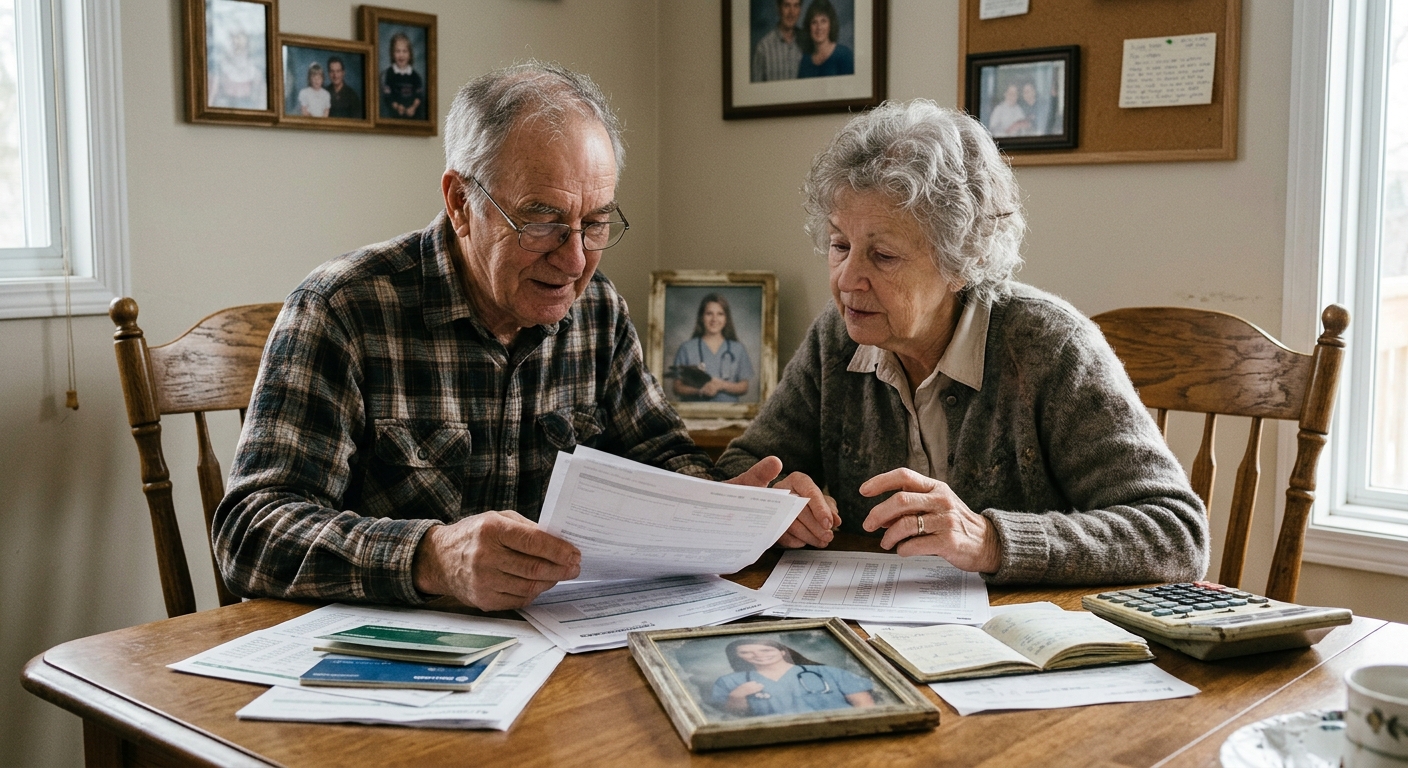
How a Reverse Mortgage Funds Medical School
A reverse mortgage allows you to access home equity to fund your adult child's medical school living expenses. This accomplishes several goals:
- Removes the need for student debt — your child graduates debt-free or with minimal debt
- Reduces financial stress — your child can focus on medical education rather than survival
- Enables career choice — graduates with less debt can choose meaningful specialties rather than high-income ones
- Supports faster career launch — less debt means earlier home purchases, family planning, and professional investment
- Creates long-term advantage — physicians who graduate debt-free achieve wealth 15-20 years earlier than heavily indebted colleagues
Reverse Mortgage Strategy for Medical School Funding
| Your Child's Medical School | Annual Living Expense | 4-Year Total | Monthly Draw | RM Line Needed |
|---|---|---|---|---|
| McMaster, Toronto | $48,000 | $192,000 | $4,000 | $200,000-$220,000 |
| University of Toronto | $50,000 | $200,000 | $4,167 | $210,000-$230,000 |
| Western University | $42,000 | $168,000 | $3,500 | $180,000-$200,000 |
| Queen's University | $44,000 | $176,000 | $3,667 | $190,000-$210,000 |
By covering 4 years of living expenses with a reverse mortgage, you enable your child to graduate debt-free—or with only tuition-related debt (which is often forgivable through government programs or employer benefits).
Case Study: Medical School Support Through a Reverse Mortgage
Jennifer, 65, owns her Ontario home free and clear (valued at $650,000). Her daughter Alyssa has been accepted to medical school at McMaster University.
Without family support, Alyssa would:
- Accumulate $50,000 in undergraduate debt (already present)
- Add $48,000 annually in living expenses × 4 years = $192,000
- Graduate with ~$242,000 in debt
- Spend 15-20 years paying down debt
- Delay home purchase, marriage, children
Jennifer arranges a $200,000 reverse mortgage line of credit with Bloom Financial, drawing $4,000 monthly for 48 months (Alyssa's 4 years of medical school).
Alyssa's financial reality:
- No additional living expense debt
- Focuses entirely on medical education
- Works 5-10 hours weekly during summer for spending money
- Graduates with only $50,000 in manageable undergraduate debt
- Begins residency with minimal financial stress
Five years post-graduation, Alyssa is an attending physician earning $180,000+ annually. She's paid off her undergraduate debt, purchased a home, and married. Her colleague, who graduated with $250,000 in debt, is still paying loans aggressively at age 35.
Jennifer's reverse mortgage investment transformed her daughter's career trajectory. The $200,000 loan cost her approximately $12,000-$15,000 in interest over 4 years—less than 1% of her home's equity. When Jennifer eventually sells her home or passes away, the reverse mortgage is repaid from proceeds. The investment in Alyssa's education was transformative.
The Downstream Benefits of Debt-Free Medical School Graduation
Physicians who graduate debt-free (or with minimal debt) make different life choices:
- Career selection — they can choose family medicine or rural medicine (meaningful but lower-income) instead of high-income specialties driven by debt burden
- Earlier wealth building — they invest early in RRSP, TFSA, and real estate rather than paying down loans
- Better mental health — reduced financial stress during training improves wellbeing and reduces burnout risk
- Community service — they're more likely to work in underserved regions or with vulnerable populations
- Family planning — they can start families earlier without financial constraint
- Relationship quality — reduced financial stress improves marriages and partnerships
Your investment in debt-free medical education creates ripple effects across your child's career.

Setting Boundaries and Expectations
Supporting medical school is generous, but clear boundaries prevent misunderstanding:
Important Conversations Before Providing Support
- Define the scope — are you funding living expenses only, or tuition as well?
- Specify the duration — 4 years of medical school, then support ends
- Clarify repayment expectations — will your child repay after graduation, or is this a gift?
- Set performance conditions — does support continue if your child changes programs or takes time off?
- Document in writing — formalize understanding (even between family) to prevent conflict
Most parents fund medical school as a gift. Some structure it as a loan to be repaid after graduation. Both approaches work—clarity matters most.
Protecting Your Retirement
When using a reverse mortgage to fund medical school, ensure it doesn't jeopardize your retirement:
- Cap your reverse mortgage draw — limit yourself to 25-30% of total home equity
- Maintain emergency reserves — keep 6-12 months of living expenses in accessible savings
- Consider your timeline — at 65+, ensure the reverse mortgage principal won't exceed your projected home appreciation
- Get professional advice — a financial planner can verify the strategy doesn't harm your long-term security
Medical school funding should be sustainable—not a sacrifice of your retirement security.
Key Takeaways
- Medical school living expenses cost $160,000-$210,000 over 4 years, creating substantial debt for most students
- A reverse mortgage allows you to fund living expenses, enabling your child to graduate with minimal debt
- Debt-free graduates make different career choices — they can pursue meaningful work rather than high-income specialties driven by debt
- The downstream benefits extend decades — earlier wealth building, better mental health, stronger relationships
- Clear boundaries prevent misunderstanding — document whether this is a gift or loan, and what conditions apply
- Your retirement protection is essential — cap reverse mortgage draws to 25-30% of total home equity
Eligibility and Next Steps
To qualify for a reverse mortgage to fund medical school:
- You must be 55 or older
- You must own your home outright or with minimal debt
- Your home must appraise for sufficient equity
- You must receive independent legal advice (required in Ontario)
Lenders like CHIP, HomeEquity Bank, and Equitable Bank offer reverse mortgages specifically suited for education funding. Contact Rick Sekhon Reverse Mortgages to explore whether a reverse mortgage makes sense for your situation.
Frequently Asked Questions
What if my child doesn't graduate or switches programs?
That's why clear documentation matters. Most parents build this into the conversation: "If you switch to a different program or stop studying, support ends." You can also structure draws as contingent on passing grades or program enrollment verification.
Should I fund medical school or retirement savings?
Generally, prioritize your retirement. However, if you have substantial home equity beyond retirement needs, funding medical school can be an excellent use of discretionary equity. A financial planner can help determine what's sustainable.
What if my child becomes a physician but doesn't earn high income (e.g., research, academic)?
This is part of the beauty of debt-free education—your child can pursue meaningful work even in lower-income specialties. Many parents fund education precisely to enable this choice. Discuss this possibility before providing support.
Can government student loans cover medical school living expenses?
Yes. Many students combine government student loans with family support. You might cover half of living expenses; your child takes government loans for the remainder. This shares the burden while reducing total debt.
What's the tax implication of funding medical school?
Reverse mortgage proceeds are not income to you (they're loan advances). Gifts to your child are not taxable income to them. However, if your child invests those funds and earns investment income, that income is taxable to them. Generally, no major tax implications exist.
Should I consider this a gift or a loan?
That depends on your family values and financial situation. Many parents treat education funding as an investment in their child's future—essentially a gift. Others structure it as a loan to be repaid once the child is financially secure. Either approach works if documented clearly.
Invest in Your Child's Future
Medical education is transformative. By funding your child's living expenses through a reverse mortgage, you're investing in their career launch, their mental health, and ultimately, their ability to contribute meaningfully to healthcare in Canada.
Ready to Learn More?
Find out exactly how much you could unlock from your home — free and no obligation.
Related Articles
Supporting Your Adult Child's Medical Residency: Funding Years of Reduced Income
Fund your adult child's medical residency with a reverse mortgage. Bridge the income gap during years of reduced resident physician pay in Ontario.
Read →Reverse Mortgage for DEI Consulting Practice: Launching Diversity, Equity, and Inclusion Consulting in Retirement
Start a diversity and inclusion consulting practice. Help corporations and nonprofits build equitable cultures; reverse mortgage funds training, business setup, and market entry.
Read →Reverse Mortgage for Residential Sustainability Auditing Practice: Certifying Aging in Place
Launch a professional home energy and sustainability auditing business. Help Ontario homeowners certify efficiency; reverse mortgage funds training, tools, and market entry.
Read →