
Reverse Mortgage for Family Documentary: Funding Professional Oral History Recording
Create a multi-generational video or audio archive capturing your family story before it's lost—a legacy that speaks to future generations.
Your aging parent has stories—decades of lived experience, family history, cultural heritage, and wisdom no one has documented. In 5 years or 15 years, they won't be here. And those stories will be gone forever. A reverse mortgage can fund professional-grade family documentary or oral history project—creating a living legacy that grandchildren and great-grandchildren will treasure long after.
Why Family Documentary Matters: The Cost of Lost Stories
Family stories do more than entertain. They:
- Preserve cultural identity for children/grandchildren who may be disconnected from heritage
- Anchor family history beyond dates and names in genealogy—capturing lived experience, values, humor, struggles
- Provide intergenerational connection between seniors and young grandchildren who may live geographically distant
- Offer comfort and continuity after aging parent dies—hearing their voice, seeing their hands, experiencing their personality
Yet most families don't create family documentary because:
- DIY video is low-quality: iPhone footage, poor audio, amateur editing—not worth preserving
- Professional videography is expensive: $3,000–$8,000+ for high-quality production
- Time is finite: Cognitive decline, health crisis, or death can make project impossible
A reverse mortgage removes the financial barrier.
According to the American Psychological Association, families who document and share elder stories experience stronger intergenerational bonds, improved mental health outcomes for both seniors and grandchildren, and documented benefits for preserving cultural identity across generations.
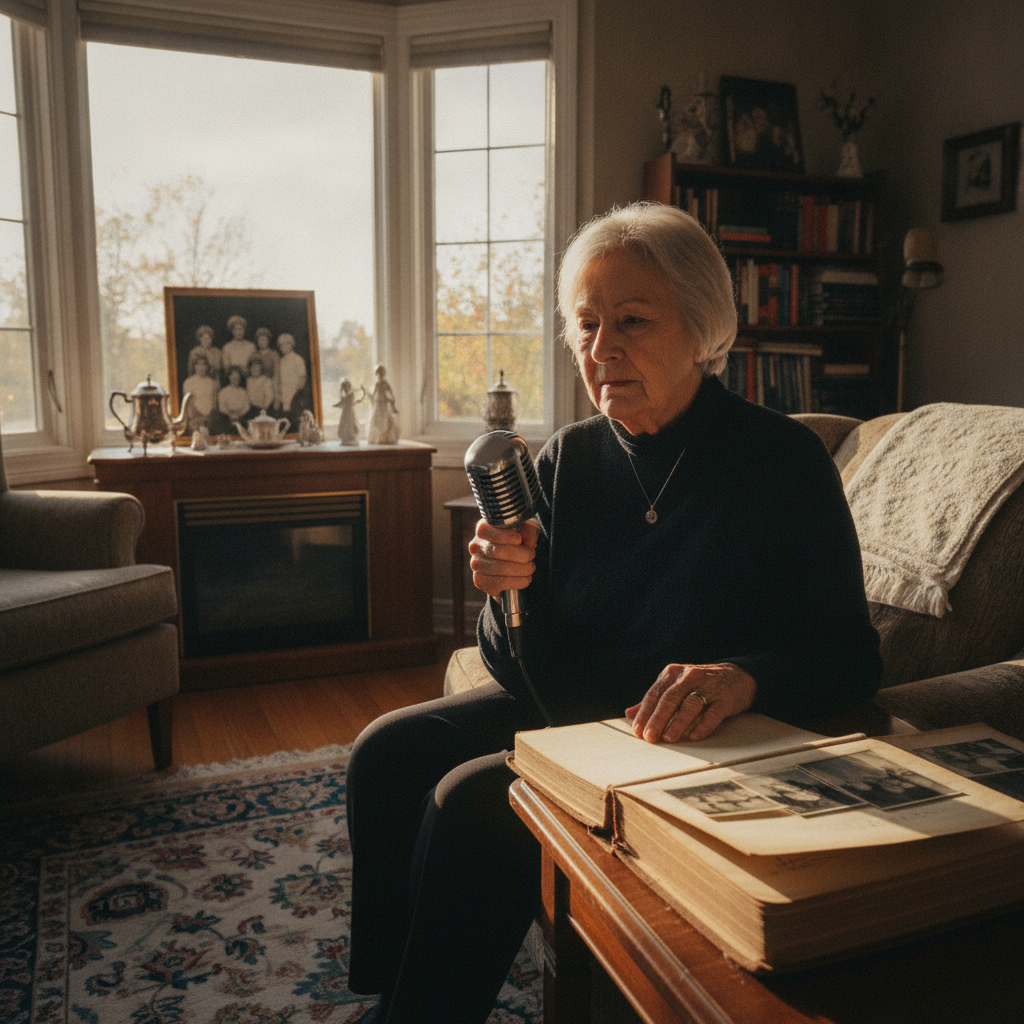
Types of Family Documentary (And Costs)
Option 1: Oral History Audio Archive ($3,000–$8,000)
Professional oral historian records 8–12 hours of interviews with aging parent (and possibly spouse, adult children) covering:
- Childhood and family origins
- Career and major life decisions
- Cultural/spiritual practices and beliefs
- Relationship history
- Advice/wisdom for future generations
- Family stories and humor
Deliverable: Edited audio archive (Apple Music, Spotify, family USB) + transcript Why high-quality matters: Terrible audio is unlistenable; professional historian asks better questions than family would
| Provider Type | Cost | Quality | Accessibility |
|---|---|---|---|
| AI transcription service (self-recorded) | $500–$1,000 | Poor audio, transcription errors, no narrative structure | YouTube/audio file; feels impersonal |
| Local videographer/historian | $2,000–$5,000 | Good audio, professional editing, personal touch | Private link or USB; limited distribution |
| National family legacy service (Legacy Locker, StoryCorps) | $3,000–$8,000 | Professional equipment, experienced interviewer, polished production | Curated streaming archive + backup storage |
Option 2: Video Documentary ($5,000–$15,000)
Professional videographer + editor creates 30–90 minute documentary with:
- Multi-camera setup (wide shots, close-ups)
- B-roll of family home, meaningful places
- Interviews with aging parent, spouse, adult children
- Photo/video archive integration (family photos over audio narrative)
- Music, titles, professional editing
Deliverable: Finished documentary film + behind-the-scenes footage + edited highlights reel for sharing
| Scope | Cost | Timeline | Audience |
|---|---|---|---|
| Single aging parent interview + editing | $5,000–$8,000 | 4–6 weeks | Family-facing; shareable at gatherings |
| Multi-person interviews + B-roll | $8,000–$12,000 | 8–12 weeks | More narrative depth; suitable for public screening |
| Full family documentary (3 generations) | $12,000–$18,000 | 12–16 weeks | Comprehensive; suitable for archives, library donations |
Option 3: Memoir Writing (With Professional Interviewer) ($3,000–$6,000)
Professional ghostwriter/interviewer conducts 15–20 hours of interviews, then drafts 60–100 page family memoir. Aging parent reviews, edits, approves.
Deliverable: Bound physical copies + PDF archive + printed photo book with excerpts
Option 4: Combination Approach ($8,000–$20,000)
Many families choose: Video documentary + audio archive + memoir excerpt
- Professional video captures personality, emotion, physical presence
- Audio archive provides full unedited interviews for deep family research
- Written memoir excerpt creates accessible text format for elderly or vision-limited readers
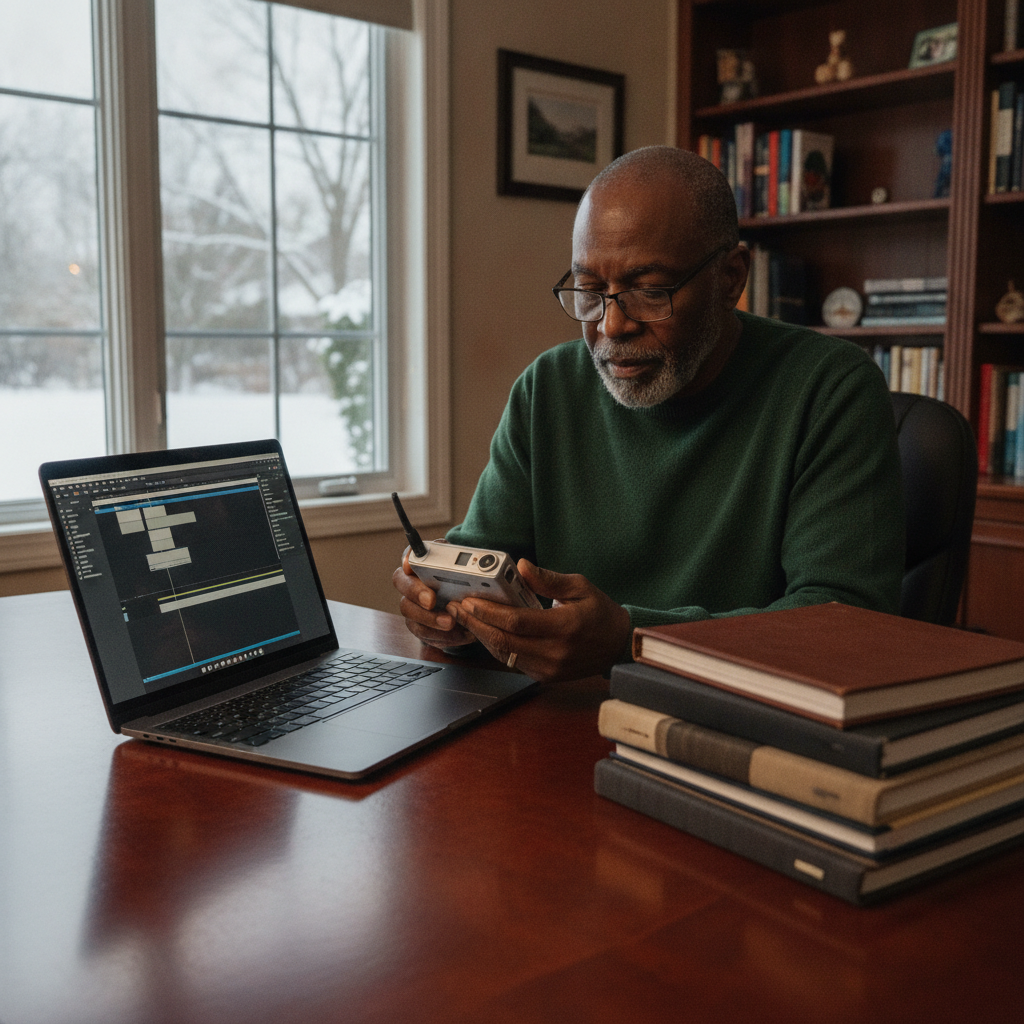
Real-World Legacy Project: Cost vs. Impact
Yuki and Robert, both 77, Toronto Japanese-Canadian family:
Project scope: 45-minute video documentary capturing:
- Immigration story (1960s) and cultural transition
- Career transitions (Yuki in nursing, Robert in electronics)
- Cultural practices (food, spirituality, family gathering traditions)
- Advice for grandchildren on resilience, relationships, meaning
Cost breakdown:
- Professional videographer/editor: $8,000
- B-roll and archival photo integration: $2,000
- Subtitles (English + Japanese): $1,500
- Professional audio cleanup: $500
- Physical copies and USB distribution: $1,000 Total: $13,000
Reverse mortgage draw: $13,000 one-time or $650/month for 20 months
Impact:
- 4 grandchildren (ages 8–16) received documentary as digital heirloom
- Family reunion 2026: Documentary screened; 3 generations experienced together
- Yuki's Alzheimer's diagnosis (2027): Family watches documentary to remember her clarity, stories, voice
- 50-year wedding anniversary (2029): Documentary played at celebration; captured Yuki before cognitive decline
- After Yuki's death (2031): Documentary becomes central family grieving resource; grandchildren experience grandmother's personality, not just memory
Without documentary: Grandchildren remember "Grandma Yuki" vaguely; stories lost; only grief remains.
With documentary: Grandchildren have access to Yuki's voice, her stories, her laugh, her values—a living legacy.
Finding Professional Documentary Services in Ontario
| Service | Location | Specialty | Cost |
|---|---|---|---|
| Legacy Locker | Online | Guided audio/video interviews + archive storage | $3,000–$8,000 |
| StoryCorps | Multiple US locations; expanding Canada | Structured interviews + national archive | $800–$3,000 |
| Local independent videographers | Check Kijiji, wedding vendor networks | Custom projects; variable quality | $2,000–$10,000 |
| University documentary programs | Ryerson, York, University of Toronto | Film students + faculty; high quality | $3,000–$7,000 (often discounted) |
| Genealogy societies | Ontario Genealogical Society chapters | Local researchers + historians | $2,000–$6,000 |
Recommendation: Interview 2–3 providers. Choose based on:
- Interviewer experience with seniors (listening skills, sensitivity to emotion)
- Audio/video quality standards (not smartphone-level)
- Archival storage (will files exist in 20 years? Cloud backup?)
- Accessibility options (captions, multiple formats, language options)
Reverse Mortgage Approval and Timing
According to CHIP and Equitable Bank guidelines, "legacy planning" and "family documentation projects" are standard approved uses for reverse mortgage funds.
Best timing:
- Age 65–75: Ideal window for documentary. Parent still articulate, energetic, cognitively clear. Documentary captures them at their best.
- Before significant health diagnosis: If cognitive decline or terminal diagnosis is emerging, accelerate timeline.
- Minimum 3–6 months lead time: Professional documentary requires planning, scheduling, editing. Don't rush.
A reverse mortgage line of credit (CHIP or HomeEquity Bank) lets you:
- Get approved at 65
- Draw for documentary at 68 when ready
- Preserve funds for aging-in-place needs (60–75+ age range)
Frequently Asked Questions
Won't a professional documentary cost as much as a small car? Is it really worth it?
A professional documentary costs $5,000–$15,000. A small used car costs $8,000–$15,000. But the car depreciates; the documentary becomes more valuable as time passes. After your parent dies, families often report "I would pay $20,000 right now to have this." Timing is the issue—not cost.
What if my parent is reluctant about being on camera? Can an audio-only archive work?
Yes. Audio-only oral history ($3,000–$8,000) is powerful and less intrusive than video. Many seniors are more comfortable with audio. The documentary can still be shared; people listen while looking at photos.
Who owns the documentary after it's created? Can it be shared publicly or does it stay private?
You own it. Standard contracts specify you retain copyright. You decide: family-only access (private YouTube link, encrypted USB) or public sharing (documentary film festival, library archive, public streaming). Rick Sekhon's RM documentation doesn't restrict use—that's between you and the videographer.
What if my parent passes away before the documentary is finished? Can I still complete it?
Yes. Interview other family members (spouse, adult children, siblings) to create the documentary from their perspective. The project becomes "our experience of [parent]'s life and legacy" rather than direct interview. Many families do this after death and find it healing.
Should I tell my parent about the documentary project, or surprise them?
Tell them. Surprises often backfire with seniors who feel vulnerable on camera. Honest conversation: "I'd love to record your stories so grandchildren can hear your voice and experience your personality after you're gone." Most parents appreciate the idea once they understand the intent.
Will video quality become obsolete? Should I worry about archival format?
Professional videographers use archival-standard formats (ProRes, high bitrate MP4, backed to cloud + external drives). Formats do change; however, a $10,000 documentary is important enough that your family will migrate it to new formats as needed (like they do with photo libraries). Don't worry about format obsolescence; focus on creating the documentary now.
Key Takeaways
- Family documentary captures personality, wisdom, and lived experience that genealogy and written records cannot; it's a living legacy, not just data.
- Professional documentary costs $5,000–$15,000; this is accessible via reverse mortgage equity, making it affordable for families who otherwise couldn't justify the expense.
- Timing is critical: The ideal window for documentary is age 65–75 when seniors are still articulate and energetic; health crises or cognitive decline narrow the window.
- Audio-only archive ($3,000–$8,000) is powerful alternative for seniors uncomfortable with video; quality matters more than production value.
- Multiple formats multiply impact: Video + audio + written memoir excerpt reach different family members; some prefer to listen, some to watch, some to read.
- Documentary becomes more valuable over time: Years after aging parent dies, family members treasure access to their voice, stories, values, personality—worth far more than initial cost.
Ready to Learn More?
Find out exactly how much you could unlock from your home — free and no obligation.
Related Articles
RESP Grant Limits Exhausted? Using Reverse Mortgage to Fund Remaining Grandchild Education
RESP grants max out, but grandchild's education costs continue. Reverse mortgage bridges the education gap.
Read →Reverse Mortgage for Aging Parent's Professional Career Legacy Documentation
Preserve your aging parent's work life impact. Fund professional video, interviews, and archives documenting their career achievements and industry contributions.
Read →Reverse Mortgage for Cultural Heritage Preservation Workshop Series: Documentary Legacy Project
Document and teach your family's cultural heritage through workshops. Fund a legacy project that educates and preserves for generations in Ontario.
Read →