
Reverse Mortgage for Managing Chronic Recurring Water Damage and Mold in Aging Parent's Home
Recurring basement water intrusion and mold growth require ongoing remediation. Reverse mortgage funds professional solutions and prevents health hazards.
What if your aging parent's home suffers chronic, recurring water intrusion—creating mold, dampness, and health hazards year after year—but temporary patches no longer work? Many older Ontario homes (built 1970s–1990s with aging waterproofing) develop chronic moisture problems requiring comprehensive, permanent remediation. Reverse mortgage funds the professional solutions aging parents need to prevent mold-related illness and home value collapse.
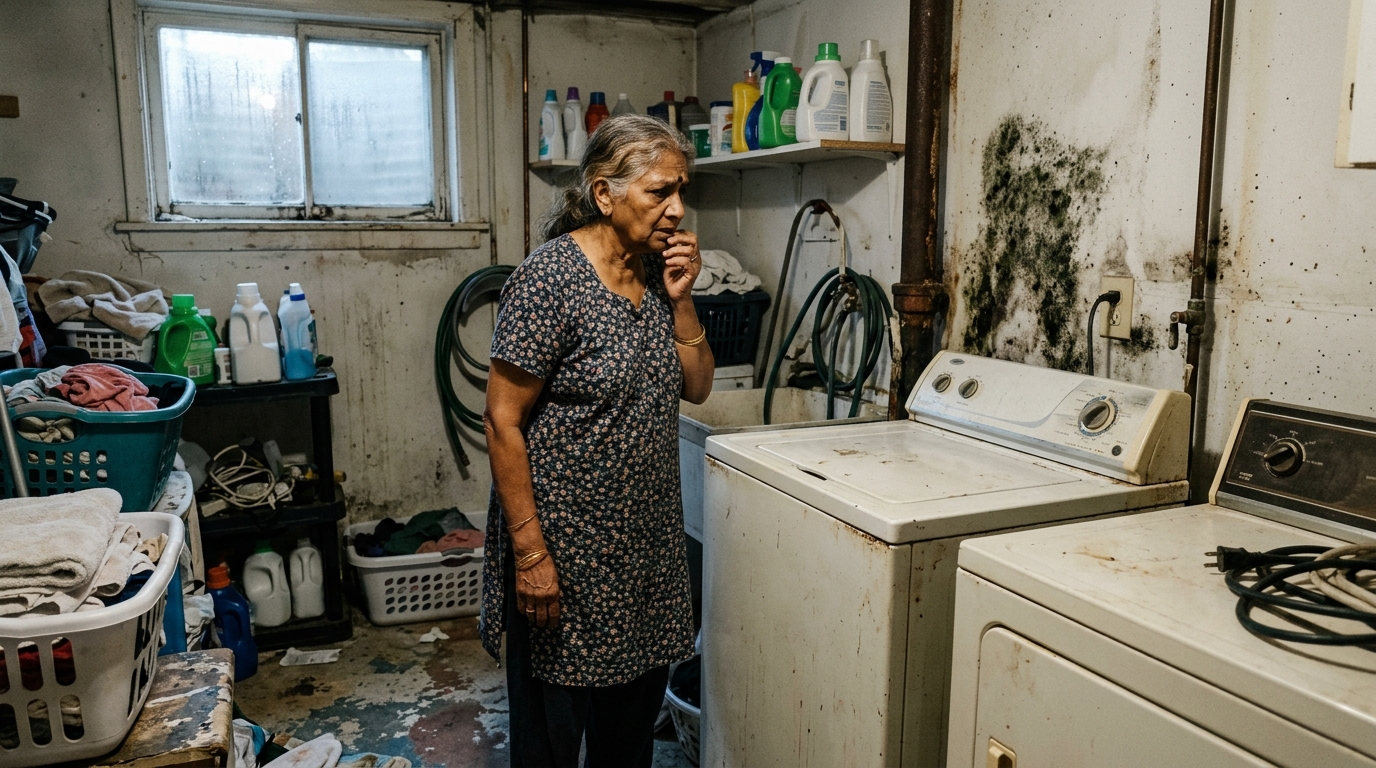
The Chronic Water Damage and Mold Crisis
Chronic water problems in aging Ontario homes are common, costly, and dangerous. Unlike catastrophic events (basement flooding after storms), chronic moisture involves:
- Persistent seepage through foundation cracks, window wells, or basement walls
- Poor drainage causing water to accumulate around foundation
- Condensation buildup from inadequate ventilation
- Roof leaks recurring from aging shingles or flashing failures
- Mold growth resulting from persistent moisture (health hazard for seniors with respiratory conditions)
Definition: Chronic water damage involves recurring moisture intrusion requiring professional remediation rather than temporary fixes.
The health hazard: Mold and damp environments trigger asthma, allergic reactions, and respiratory infections—particularly dangerous for aging parents with COPD, asthma, immune compromise, or cardiovascular disease.

Real Scenario: The Basement Mold Spiral
Robert, 76, has lived in his Kitchener bungalow for 35 years. Built in 1978, the home has chronic basement moisture issues:
- Foundation cracks allow seepage after heavy rain
- Window wells accumulate water despite installation of window well covers
- Basement floor stays damp 60–70% of the year
- Mold grows on stored items and basement walls
Robert's repair history (2016–2026):
- 2016: Caulked foundation cracks ($400)
- 2018: Applied waterproofing sealant ($2,500)
- 2020: Installed sump pump ($3,500)
- 2022: Installed window well drainage system ($2,000)
- 2024: Professional mold remediation ($5,000)
- 2025: Recurring mold growth appears; needs intervention again
Total spent: $13,400 over 10 years—and the problem persists.
Robert's health impact: Chronic basement mold exacerbates his COPD. He experiences increased respiratory infections, wheezing, and reduced mobility. Frequent doctor visits and medications increase.
Permanent solution options:
- Complete basement waterproofing (interior or exterior): $15,000–$30,000
- Foundation crack injection and structural repair: $8,000–$15,000
- Comprehensive drainage overhaul (interior + exterior): $10,000–$25,000
- Mold remediation + ventilation upgrade: $5,000–$10,000
- Total comprehensive fix: $25,000–$50,000
Robert's challenge: Fixed CPP/OAS income of $38,000 annually, living costs $32,000. No budget for $30,000+ permanent repair.
With reverse mortgage: Robert accesses $50,000 from his $500,000 home at age 76. Invests in comprehensive waterproofing and mold remediation:
- Structural assessment and exterior drainage: $12,000
- Interior waterproofing (French drain system): $8,000
- Professional mold remediation and testing: $6,000
- HVAC upgrades for moisture control: $5,000
- Contingency for additional issues: $10,000
Outcome: Chronic moisture problem is permanently resolved. Mold is eliminated. Robert's respiratory health improves. Home value is preserved (water damage reduces property value 10–20%; permanent fix recovers most value). Robert lives remaining years in healthy home without recurring emergency repairs.
Chronic Water Damage and Mold Assessment
| Issue Type | Severity | Warning Signs | Remediation Cost | Health Risk |
|---|---|---|---|---|
| Basement seepage (minor) | Low | Damp spots after rain; musty smell | $2,000–$5,000 | Low |
| Basement seepage (extensive) | Moderate–High | Standing water or dampness year-round | $8,000–$15,000 | Moderate |
| Foundation cracks (active) | High | Visible water flow during rain; growing cracks | $5,000–$15,000 | High |
| Mold growth (visible) | Moderate–High | Black/green spots on walls; musty odor | $5,000–$15,000 (remediation + source fix) | High (respiratory hazard) |
| Roof leak (recurring) | Moderate | Water stains on ceiling; leaking after rain | $3,000–$10,000 | Moderate |
| Poor drainage (perimeter) | Low–Moderate | Water pooling around foundation; wet soil | $3,000–$8,000 | Low–Moderate |
Reverse Mortgage Strategy: Permanent Water Management Solution
Phase 1: Professional Assessment
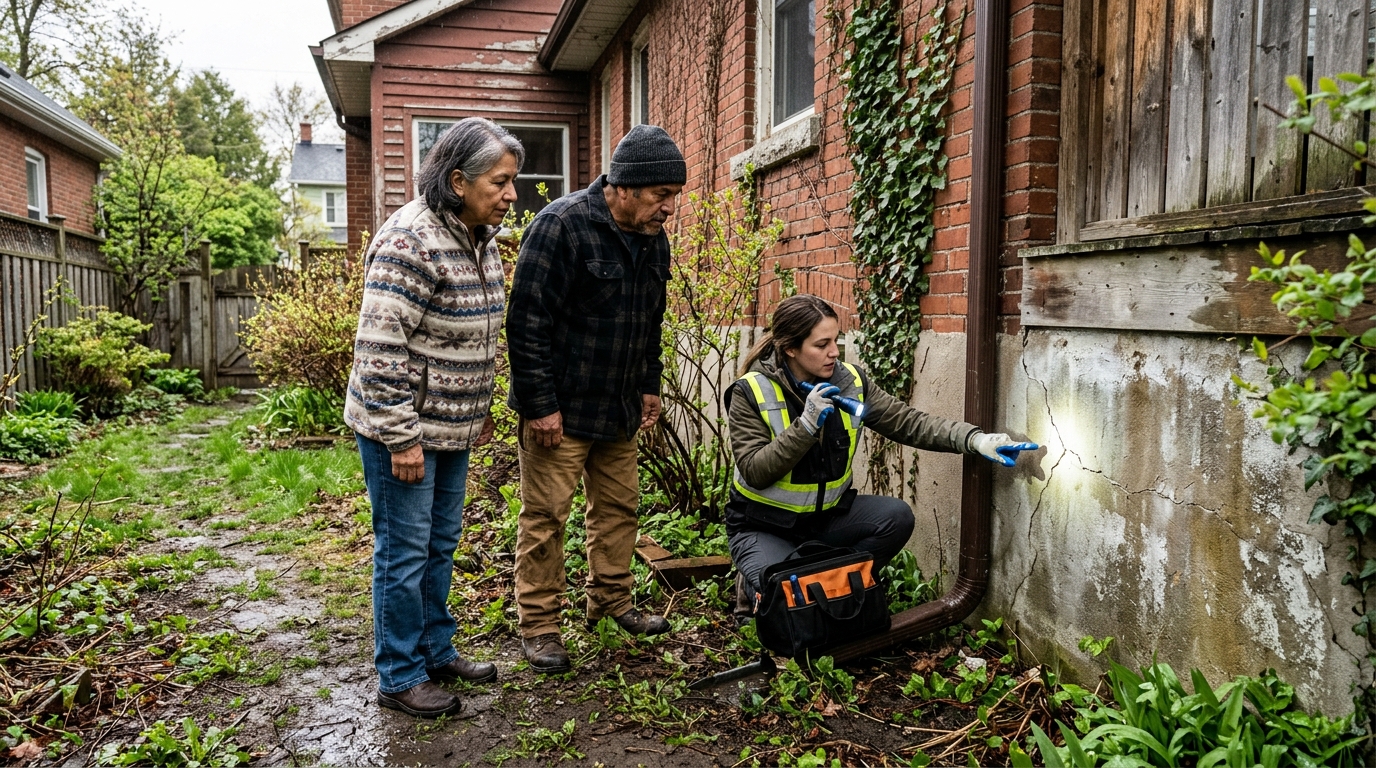
Before spending tens of thousands, hire a professional to identify root cause:
- Home inspector with water damage expertise: $400–$800 (identifies visible issues)
- Structural engineer specializing in water intrusion: $800–$2,000 (diagnoses underlying cause)
- Mold specialist for air quality testing: $300–$800 (if mold is present or suspected)
Total assessment cost: $1,500–$3,600
Assessment determines whether repair is DIY (sealant + better drainage) or professional (structural intervention).
Phase 2: Identify Permanent Solution
Common permanent solutions:
Interior French Drain System: Intercepts water before it enters living spaces. Cost: $8,000–$12,000. Effective for: persistent seepage, minor foundation cracks. Limitation: doesn't fix root cause (exterior drainage).
Exterior Waterproofing: Excavates foundation perimeter, applies sealant, installs exterior drain tile. Cost: $15,000–$30,000. Most effective but most expensive.
Foundation Crack Injection: Injects polyurethane or epoxy into cracks, preventing water flow. Cost: $5,000–$12,000 per location. Works for isolated cracks, not multiple problem areas.
Roof Repair/Replacement: For roof-leak-related water issues. Cost: $5,000–$20,000 depending on roof area and material.
Comprehensive Package: Combination of roof repair, foundation sealing, exterior drainage, interior sump pump, and ventilation upgrades. Cost: $25,000–$50,000. Most effective for comprehensive water control.
Phase 3: Mold Remediation and Prevention
If mold is present:
- Professional mold removal: $5,000–$15,000 (depends on extent)
- HVAC system upgrade for ventilation and humidity control: $3,000–$8,000
- Dehumidifier installation: $500–$2,000
- Mold-resistant drywall and paint: Part of comprehensive repair
Reverse Mortgage Calculation: Water Management Investment
| Home Value | Recommended RM Advance (5%) | Comprehensive Water Fix Budget | Mold Remediation + HVAC Upgrade | Total Home Health Investment |
|---|---|---|---|---|
| $400,000 | $20,000 | $15,000–$25,000 | $6,000–$10,000 | $21,000–$35,000 |
| $500,000 | $25,000 | $20,000–$30,000 | $8,000–$12,000 | $28,000–$42,000 |
| $600,000 | $30,000 | $25,000–$35,000 | $8,000–$12,000 | $33,000–$47,000 |
Health Risks of Chronic Mold Exposure
Aging parents are particularly vulnerable to mold-related illness:
- Asthma exacerbation: Mold spores trigger asthma attacks, reduced lung function
- Allergic reactions: Chronic nasal congestion, sinus infections, itchy eyes
- Respiratory infections: Increased susceptibility to bronchitis, pneumonia (serious in seniors)
- Immunocompromised seniors: Mold exposure can trigger serious infections
- COPD progression: For seniors with COPD, mold accelerates lung decline
Reverse mortgage investment in water/mold remediation is healthcare investment, not just home repair.
Insurance and Property Value Implications
Insurance concerns:
- Most homeowner policies exclude water damage from seepage or poor drainage (only catastrophic events like storms are covered)
- Mold damage is typically excluded unless caused by covered peril (burst pipe, storm, etc.)
- Insurance won't fund preventive waterproofing (considered home maintenance)
- Important: Document chronic water issue before reverse mortgage closing; insurers may deny coverage for pre-existing conditions
Property value recovery:
- Chronic water damage reduces home value 10–20%
- Professional waterproofing repair (with engineer certification) recovers 50–70% of lost value
- Mold remediation (with clearance testing) significantly improves home value and saleability
- Long-term: Permanent water solution protects entire home value
Working With Waterproofing and Mold Specialists
Professional contractors should:
- Conduct thorough water intrusion assessment (identify all entry points)
- Provide written proposal detailing recommended solution and cost
- Offer warranty on workmanship (typically 5–10 years)
- Provide mold clearance certificate after remediation (required for insurance and future sale)
- Install monitoring system (humidity sensors, sump pump alarm) for early detection
Key Takeaways
- Chronic water damage and mold in aging homes cost $25,000–$50,000 for permanent professional remediation, compared to repeated emergency patches ($1,000–$3,000 annually)
- Mold exposure poses serious health risks for aging parents, particularly those with respiratory conditions like COPD or asthma
- Professional waterproofing solution (exterior drainage, foundation sealing, mold remediation) typically pays for itself through avoided annual repairs and health benefit
- Reverse mortgage advance of $25,000–$50,000 funds comprehensive water management and creates healthy living environment for remaining years
- Property value recovery: Permanent water solution recovers 50–70% of value lost to chronic moisture damage
- Health investment: Water/mold remediation is healthcare spending for aging parents, improving respiratory function and preventing serious infections
Frequently Asked Questions
My aging parent's home has chronic basement moisture, but they refuse to invest in expensive waterproofing. What can I do?
Start with education: Show aging parent research on mold health risks, property value impact, and cost of repeated temporary repairs. Bring in professional water specialist for assessment (sometimes external expert is more persuasive than adult child). Frame reverse mortgage as investment in health, not just home repair. If parent still refuses, document your professional recommendation; this protects you if issues worsen.
Can I use a reverse mortgage to fund waterproofing if my aging parent's home is in a flood zone?
Yes, with caution. Waterproofing protects against chronic seepage and poor drainage but may not prevent catastrophic flooding. If home is in official flood zone, consider: (1) Flood insurance (required by lenders in flood zones), (2) Elevated systems (furnace, electrical panel) to minimize damage, (3) Waterproofing + flood-resistant modifications (combination approach). Consult reverse mortgage specialist to coordinate funding priorities.
Will professional mold remediation remove the mold permanently, or will it recur if I don't fix the underlying water problem?
Mold will recur if water problem persists. Professional mold remediation removes existing mold and improves ventilation, but if water intrusion continues, mold will return within months. Permanent solution requires fixing root cause (waterproofing, drainage, roof repair) PLUS mold remediation. Budget for both in reverse mortgage advance.
Can I finance water damage repair through my aging parent's home insurance, or must a reverse mortgage cover the entire cost?
Depends on cause. Insurance covers water damage from sudden, accidental events (burst pipe, storm flooding). Insurance does NOT cover slow seepage, poor drainage, or maintenance-related issues. Most chronic water problems aren't insurable; reverse mortgage is the primary funding source. Consult insurance agent about your specific situation before committing to reverse mortgage.
If my aging parent moves to long-term care, will the incomplete waterproofing project affect home sale value?
Yes, significantly. A home with chronic water damage (even if professionally assessed but not yet repaired) will be heavily discounted by buyers. Professional appraisals will note structural issues. Reverse mortgage funding for waterproofing BEFORE moving to long-term care protects the estate value. If aging parent is already in long-term care, waterproofing repair may still be wise to maximize sale proceeds.
Can I use a reverse mortgage line of credit to fund small annual water damage repairs (like re-caulking or roof patch), or should I wait and save for comprehensive repair?
Both strategies work. Line of credit allows annual draws for small repairs (sustainable approach). However, piecemeal repairs often fail to solve chronic problem and accumulate cost over time. Reverse mortgage advance for comprehensive permanent solution is typically more cost-effective long-term. Work with Rick Sekhon Reverse Mortgages to determine whether annual maintenance or comprehensive investment better serves your aging parent's situation.
Is your aging parent's home suffering chronic water damage and mold that threatens health and property value? Reverse mortgage-funded professional waterproofing and mold remediation creates a healthy, stable home environment for the remaining years. Contact Rick Sekhon Reverse Mortgages to fund comprehensive water management solutions.
Ready to Learn More?
Find out exactly how much you could unlock from your home — free and no obligation.
Related Articles
Reverse Mortgage for DEI Consulting Practice: Launching Diversity, Equity, and Inclusion Consulting in Retirement
Start a diversity and inclusion consulting practice. Help corporations and nonprofits build equitable cultures; reverse mortgage funds training, business setup, and market entry.
Read →Reverse Mortgage for Archival and Digital Preservation Consulting: Preserving Institutional History and Heritage
Launch archival consulting practice preserving records for institutions. Help libraries, archives, nonprofits; reverse mortgage funds training, tools, and market entry.
Read →Reverse Mortgage for Aging Parent as Paid Research Subject Matter Expert: Knowledge Work in Retirement
Monetize expertise as aging parent becomes paid research SME for universities. Reverse mortgage bridges income while building knowledge-sharing business.
Read →