
Reverse Mortgage When Aging Parent Refuses Pain Management: Autonomy, Palliative Care at Home
Reverse mortgage for palliative home care when aging parent refuses pain medication. Autonomy, quality of life, alternative pain management. Ontario.
Your aging parent is living with uncontrolled pain—from arthritis, neuropathy, or a serious illness—but refuses pain medications. They fear opioid addiction, or they're determined to remain mentally clear, or they believe pain is "part of aging." Their refusal is frustrating, but it's their autonomous right. What you can do is fund the alternative pain management and comfort measures that respect their choice while improving quality of life. A reverse mortgage can create a pain management approach that honors their autonomy.
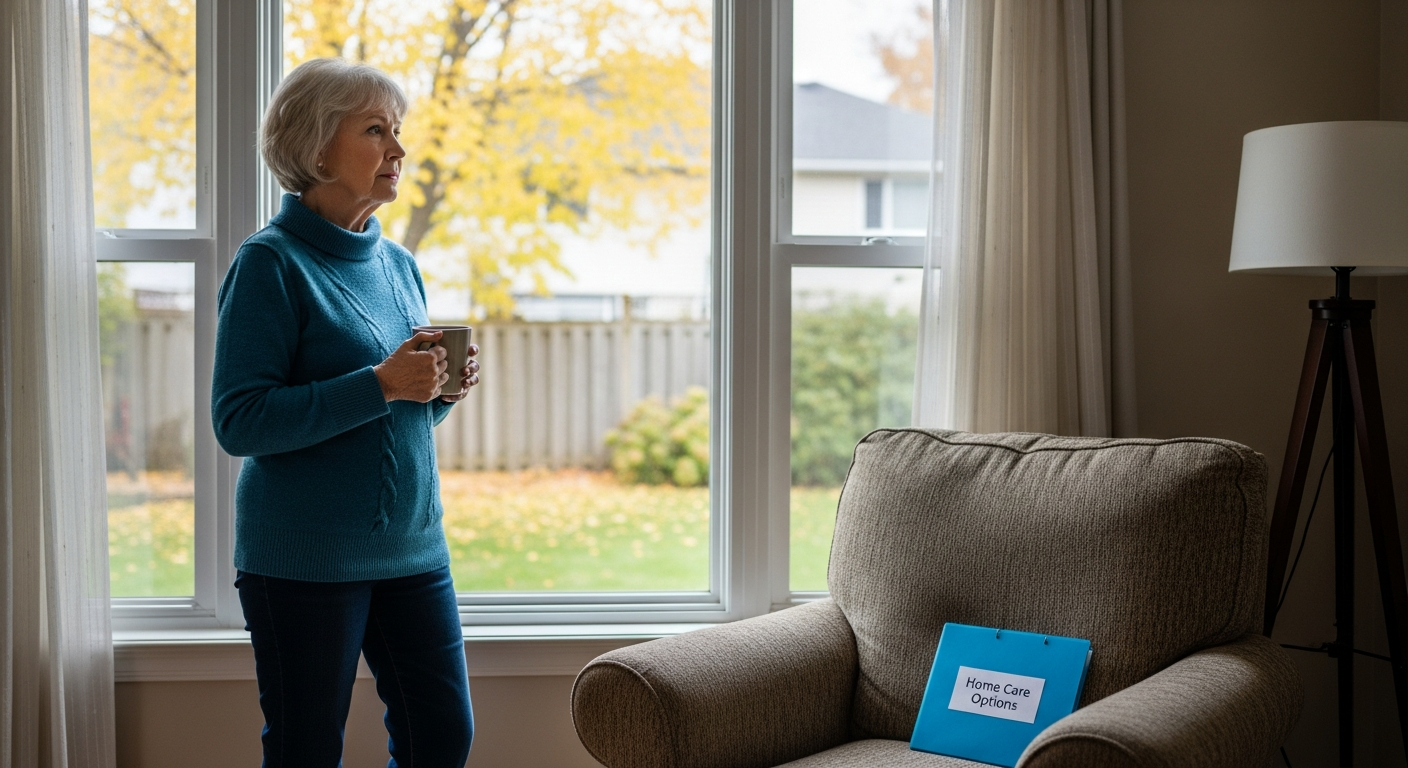
Understanding Why Your Parent Refuses Pain Medication
Senior refusal of pain management is common and often rooted in legitimate concerns:
Opioid Fear (Most Common)
- Media coverage of addiction creates anxiety
- Your parent may know peers who became addicted
- Fear of being labeled "addicted" or "weak"
- Concern about constipation, cognitive fogginess, dependency
Mental Clarity Requirement
- Your parent prioritizes staying mentally sharp above pain relief
- They're managing complex medical conditions and need cognition
- They may fear dementia more than pain
- Recent experience with cognitive decline makes them protective of remaining clarity
Philosophical/Spiritual Beliefs
- Pain as purification or moral lesson
- Belief that accepting pain is "natural aging"
- Religious conviction that suffering is meaningful
- Resistance to "over-medicalization" of aging
Bad Prior Experiences
- Negative side effects from pain medications in the past
- Previous overmedication or adverse reactions
- Distrust of prescribing doctors
None of these reasons are wrong. Your parent's autonomy includes refusing treatment. What's needed: respect their choice while offering non-pharmacological pain management that works within their values.
Non-Pharmaceutical Pain Management: What Actually Works
Research shows non-drug approaches reduce pain 30–50% when implemented comprehensively:
Physical Approaches (Cost: $1,000–$5,000)
- Acupuncture: $80–$150/session, 1–2 sessions/week. Effective for arthritis, neuropathy, headache. Not covered by OHIP; private cost $3,000–$4,000/year.
- Physical therapy/rehabilitation: $60–$100/session. Maintains mobility, reduces pain from stiffness. Some coverage through private insurance or OHIP in certain conditions.
- Massage therapy: $60–$90/session. Reduces muscle tension, improves circulation. Private-pay; $3,000–$4,000/year if weekly.
- Infrared or heating/cooling devices: $200–$500. Home-based pain management for arthritis and muscle pain.
- TENS unit (transcutaneous electrical nerve stimulation): $100–$300. Device that disrupts pain signals. Evidence is mixed but many report relief.
Total annual cost for physical therapies: $3,000–$8,000
Psychological/Cognitive Approaches (Cost: $1,000–$3,000)
- Cognitive-behavioral therapy (CBT) for chronic pain: $150–$200/session. Teaches mental techniques to tolerate pain and reduce suffering (pain vs. suffering distinction is critical).
- Mindfulness meditation for pain: Free–$50/class. Reduces anxiety around pain, improves acceptance.
- Hypnotherapy for pain: $100–$150/session. Effectiveness varies but some people find it helpful.
Total annual cost: $1,500–$3,000
Comfort Measures (Cost: $2,000–$10,000+)
- Ergonomic furniture redesign: Specialized chairs, beds with supports, positioning cushions ($3,000–$8,000)
- Accessible bathroom modifications: Grab bars, shower chair, elevated toilet reduce pain from movement ($2,000–$5,000)
- Home modifications for mobility: Ramps, handrails, widened doorways reduce pain-triggering movement ($5,000–$20,000)
- Assistive devices: Canes, walkers, sock aids, jar openers ($500–$2,000)
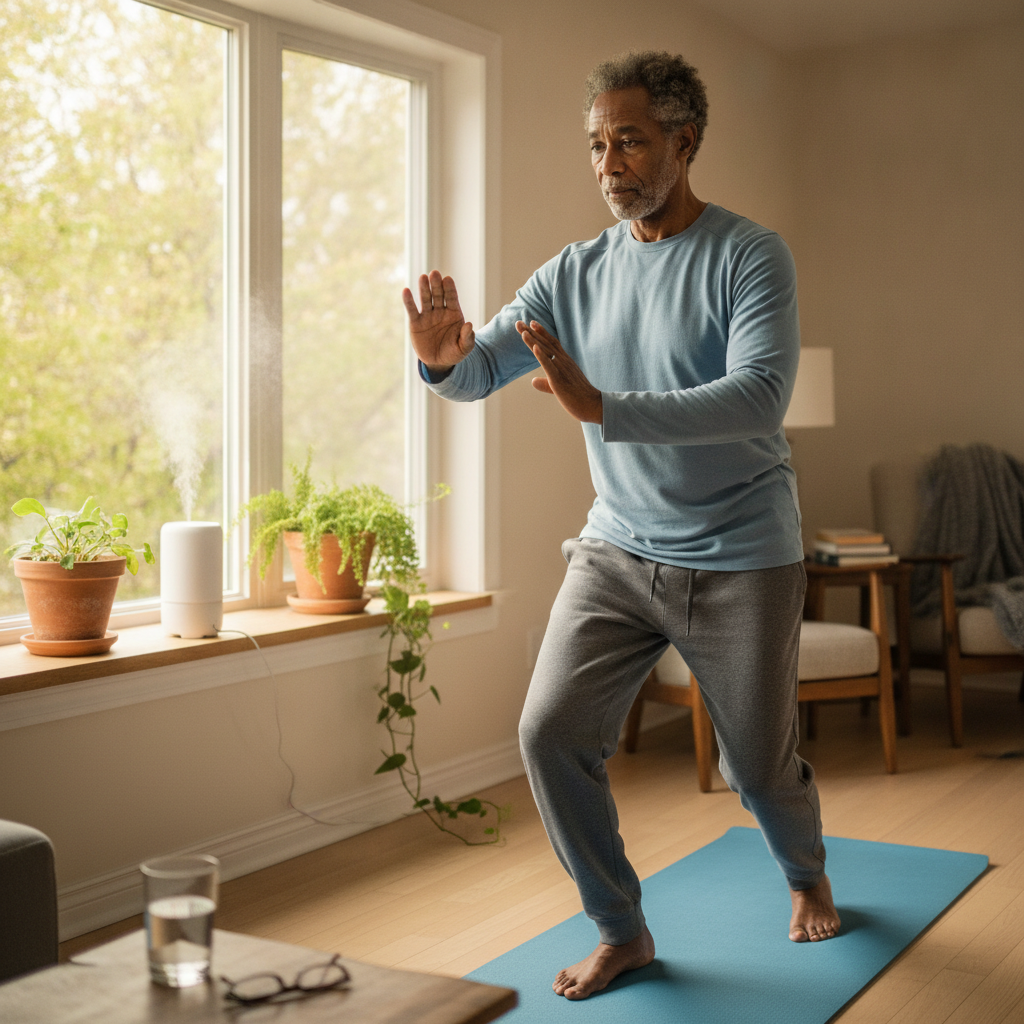
Nutritional/Supplement Approaches (Cost: $500–$1,500/year)
- Anti-inflammatory diet coaching: Dietitian consultation $200–$400. Food is medicine but requires expertise.
- Supplements: Curcumin, omega-3, glucosamine, etc. Quality supplements $100–$200/month. Evidence varies but many people report subjective benefit.
- Herbal pain relief: Cannabis products (now legal in Canada for medical use): $150–$300/month if used therapeutically. Different from smoking—oils or microdosing.
Spiritual/Meaning-Based Approaches (Cost: Variable)
- Chaplain or spiritual counselor: Often free through hospitals; private cost $75–$150/session
- Legacy work/life review: Therapeutic process of reviewing life meaning, often reduces existential pain. Can be facilitated by counselor or simply through family conversations.
- Music therapy: $60–$100/session. Evidence shows effectiveness for chronic pain, particularly in palliative settings.
According to the Canadian Pain Society, seniors who implement comprehensive non-pharmacological pain management (combining 3–5 approaches) report 40–60% pain reduction comparable to moderate opioid use, without cognitive side effects.
Creating an Integrated Pain Management Plan
This is not "instead of medication"—it's "respecting your parent's medication refusal while optimizing all other options."
Month 1: Assessment and Planning
- Pain assessment with palliative care specialist: $300–$600
- Identify which non-drug approaches appeal to your parent: $0 (conversation)
- Set realistic expectations (reduction, not elimination): $0
Months 2–3: Implementation
- Start 2–3 modalities simultaneously (e.g., acupuncture + physical therapy + ergonomic furniture): $1,500–$3,000/month
- Track pain and comfort daily (patient-reported outcomes): $0
- Adjust as needed based on response: $0
Months 3–6: Stabilization
- Establish sustainable routine (weekly acupuncture, bi-weekly PT, home practice): $800–$1,500/month
- Add supplementary approaches as first ones prove effective: $300–$600/month
Total cost, 6-month comprehensive non-pharmacological program: $6,000–$15,000
A reverse mortgage funds this entire plan upfront, so your parent can begin immediately without financial barriers.
When Your Parent's Pain Becomes Intolerable: Palliative Options
Despite best efforts, some pain remains unbearable. If your parent reaches this point, options exist:
Palliative Sedation (Last Resort)
If pain becomes genuinely intolerable despite all interventions, palliative care can offer medical sedation—not to treat pain pharmacologically, but to reduce consciousness so pain isn't perceived. This is typically end-of-life care.
Cost: Covered through Ontario Health in hospital/hospice settings
Medical Assistance in Dying (MAID)
If your parent's suffering is genuinely unbearable and meets eligibility criteria (terminal illness, or persistent intolerable suffering from medical condition), Medical Assistance in Dying is available in Canada since 2021, expanding to broader eligibility in 2023.
This is not a reversal of pain management—it's an option if pain + other suffering + lack of relief combine to create unbearable situation.
Important: These are last-resort conversations, not early options. The goal of this reverse mortgage is to prevent reaching that point by optimizing your parent's quality of life within their value system.
The Reverse Mortgage Advantage: Upfront, Comprehensive Care
A reverse mortgage allows you to:
- Fund multiple therapies simultaneously — Don't force your parent to choose between acupuncture and PT because of cost
- Optimize home environment — Fund ergonomic modifications that make daily living less painful
- Hire professional support — Palliative care coordinator, pain-focused therapist, acupuncturist—coordinate care without your parent juggling providers
- Plan longer-term — 6–12 month programs of non-drug pain management work better than fragmented, stop-start approaches due to cost
The FSRAO and FCAC support reverse mortgages for healthcare and quality-of-life funding, including palliative and pain management.
Key Takeaways
- Senior refusal of pain medication is common and autonomous; respecting it while optimizing comfort is the goal
- Comprehensive non-pharmacological pain management (physical, psychological, comfort, nutritional): $6,000–$15,000/year
- Approaches that work: acupuncture, PT, massage, CBT for pain, ergonomic home modifications, assistive devices
- A reverse mortgage funds multi-modal approach upfront, preventing the piecemeal care that fails
- Palliative care coordination ensures all approaches work together, optimizing quality of life within your parent's values
- Goal: meaningful pain reduction + preserved autonomy + maintained quality of life
Frequently Asked Questions
What if my parent insists pain is not a problem, but clearly is?
This is their cognitive right. If they're cognitively intact, you cannot override their perception. Focus instead on functional goals: "Can you walk to the kitchen? Get dressed without difficulty?" Pain reduction through function sometimes works when direct pain conversations don't.
Is cannabis a reasonable pain management option if my parent refuses opioids?
Medical cannabis is legal in Canada for chronic pain. Some seniors find it helpful; others dislike the "drug" label just as much. Discuss with their doctor. If they're open to trying it, microdosing (very small amounts) can reduce pain without intoxication.
Can acupuncture be covered by insurance?
Some private insurance covers acupuncture at 80% up to $2,000/year. Check your parent's benefits. Many acupuncturists work with insurance directly.
What if my parent has dementia and can't consent to pain management decisions?
If your parent lacks capacity, you (as their legal guardian or POA) can make pain management decisions in their best interest. Non-pharmacological approaches are often preferred because they improve quality of life without cognitive risk.
Should I involve palliative care early, or only at end of life?
Palliative care from diagnosis forward improves quality of life. It doesn't mean giving up treatment—it means optimizing comfort alongside medical care. Consider early consultation with palliative care specialist ($300–$600).
Ready to Learn More?
Find out exactly how much you could unlock from your home — free and no obligation.
Related Articles
Reverse Mortgage for Palliative Care and End-of-Life Planning
How a reverse mortgage can fund in-home palliative care, hospice services, and end-of-life planning for Ontario seniors.
Read →Reverse Mortgage to Pay for Home Care in Ontario (2026 Guide)
Learn how Ontario seniors use a reverse mortgage to pay for home care costs. Compare care options, funding strategies, and what's covered in 2026.
Read →Reverse Mortgage for Aging in Place With Fibromyalgia: Home Modifications for Invisible Illness
Fund home modifications for aging with fibromyalgia. Reverse mortgage enables accessible design for pain management, energy conservation, and quality of life.
Read →