
Reverse Mortgage for Progressive Hearing Loss: Preventing Isolation in Aging Parents
Fund hearing aids, tech solutions, and social programs to keep aging parents connected and prevent isolation-driven cognitive decline.
Your aging parent has stopped answering phone calls. They skip family dinners. Was it just age? A new hearing test revealed the truth: progressive hearing loss has slowly erased their ability to participate—and no one noticed until withdrawal became isolation. Reverse mortgage funding for hearing technology, assistive devices, and social engagement programs can reverse this devastating cycle before isolation becomes catastrophic.
The Hidden Cost of Hearing Loss: More Than Hearing Aids
Hearing loss is one of the strongest predictors of cognitive decline and dementia in aging adults. According to the Hearing Loss Association of America research, untreated hearing loss accelerates cognitive aging by 30–40 percent compared to age-matched peers with treated hearing loss. Yet many Ontario seniors avoid solutions because they're expensive, stigmatized, or require ongoing technology adaptation.
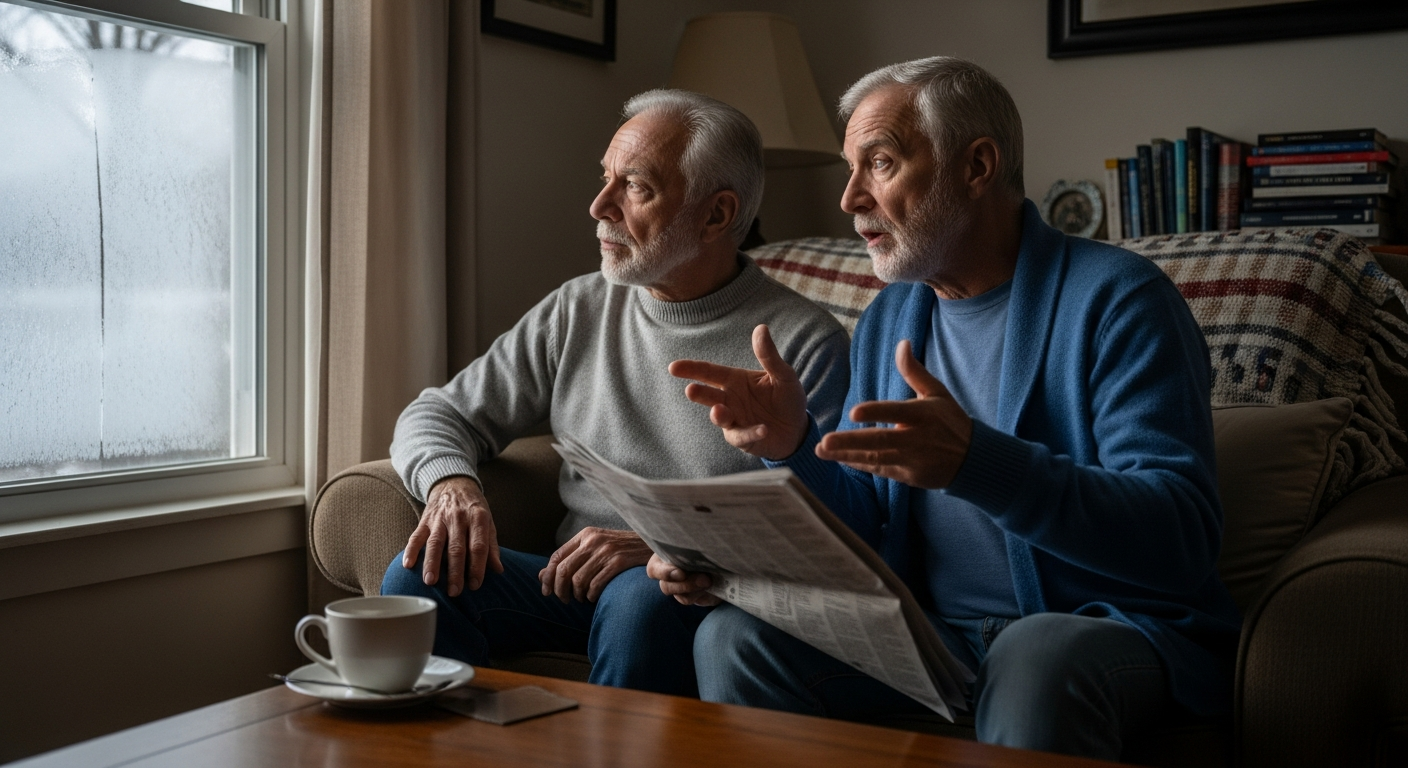
A progressive hearing loss is age-related hearing decline that develops gradually over 5–15 years, typically starting with difficulty hearing high-pitched sounds and conversations in noisy environments. The psychological impact compounds: social withdrawal → isolation → depression → accelerated cognitive decline.
Why Hearing Loss Triggers Isolation (and Why a Reverse Mortgage Helps)
When aging parents can't participate in conversation, they often withdraw rather than repeatedly asking people to repeat themselves. Family gatherings become embarrassing. Phone calls feel exhausting. The economic cost is staggering:
| Hearing Loss Impact | Cognitive/Social Cost | Financial Solution |
|---|---|---|
| Untreated 10+ years | 30–40% faster cognitive aging | Reverse mortgage: $8K–$15K for premium hearing aids + assistive tech |
| Complete avoidance of social settings | Severe isolation, depression, caregiver burnout | RM funding: Professional social coordinator, community transport, group activities |
| Missed medical information during appointments | Medication errors, health complications | RM for hearing loop systems at appointments, written summaries service |
| Difficulty with phone calls, video calls | Complete disconnection from family | RM for video relay services, captioned phone systems, tablet-based communication |
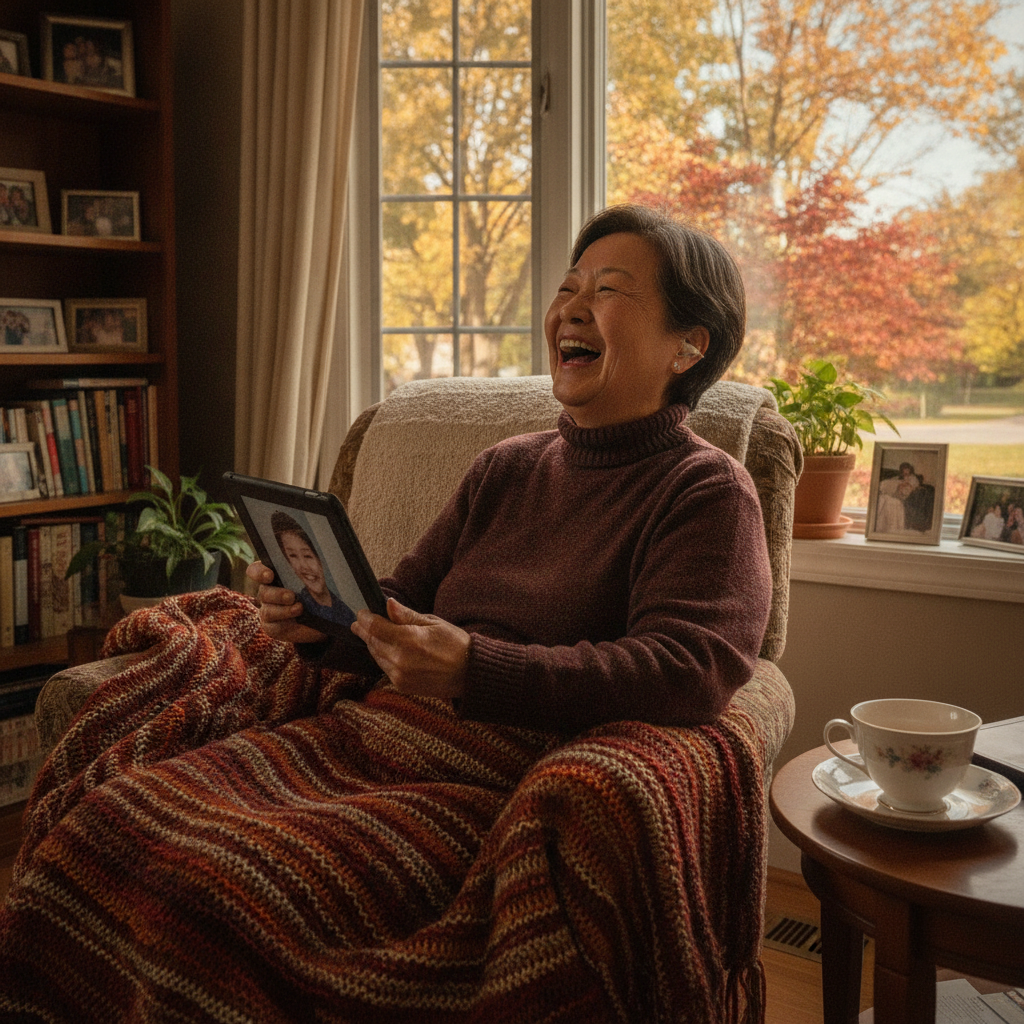
A reverse mortgage can fund the full ecosystem of hearing support—not just the device, but the coaching, tech setup, and social reintegration that makes hearing restoration actually work.
Comprehensive Hearing Loss Solution Funded by Reverse Mortgage
Tier 1: Hearing Device and Professional Fitting (Year 1)
Premium hearing aids range from $4,000–$15,000 per pair in Canada. But the device alone doesn't solve isolation. You need:
- Professional audiologist fitting and follow-up ($2,000–$4,000/year): Adjustments, reprogramming for different environments
- Hearing aid cleaning, maintenance, battery supply ($500–$1,200/year): Ongoing costs most budgets miss
- Hearing loop systems for home TV/phone: Allows hearing aid users to connect directly to audio sources ($1,000–$3,000 installation)
Reverse mortgage covers all of this without income verification—accessibility equipment is a standard approved use.
Tier 2: Assistive Communication Technology
| Technology | Cost | Benefit | RM Funding |
|---|---|---|---|
| Captioned telephone system | $800 setup + $30/month | Enables phone independence with real-time captions | Yes—accessibility |
| Video relay service (VRS) | Free–$50/month | Family video calls with professional interpreter/captions | Yes—tech adaptation |
| Smart hearing aid app upgrades | $500–$2,000/year | Bluetooth streaming, environmental adjustments, app controls | Yes—device support |
| Hearing aid batteries (rechargeable systems) | $1,500 one-time | Eliminates hearing aid battery replacement every 3–7 days | Yes—accessibility upgrade |
Tier 3: Social Reintegration and Community Access
This is where reverse mortgage funding prevents catastrophic isolation:
- Professional hearing loss coach ($2,000–$5,000/year): Teaches communication strategies, confidence building, helps bridge family conversations
- Community transportation to social/hearing support groups ($300–$800/month): Many aging parents isolated geographically need transport to connect with peers
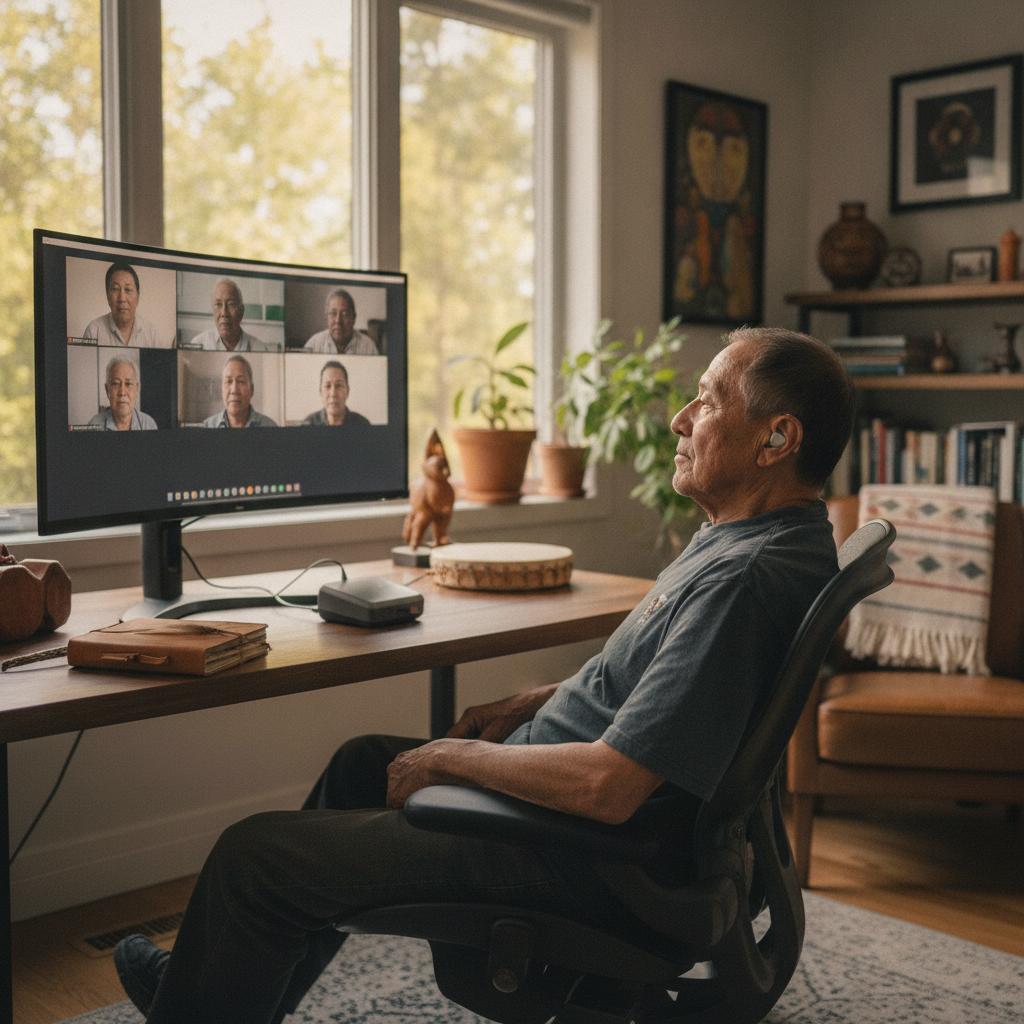
- Video calling tech setup and training ($500–$1,500 one-time): Setting up parent with iPad/laptop for family video calls with hearing-friendly settings
- Family hearing literacy coaching ($1,500–$3,000): Training adult children and spouse to communicate effectively with hearing loss (face them when talking, reduce background noise, use visual context)
Reverse Mortgage Coordination With Government Benefits
According to FSRAO (Financial Services Regulatory Authority of Ontario), hearing aids are covered only partially under some provincial programs:
| Program | Coverage | Gap | RM Strategy |
|---|---|---|---|
| ODSP/CPP-D | Up to $2,000 every 4 years per hearing aid | Device only; excludes tech, coaching, support | RM funds the gap: coaching, batteries, upgrades, social programs |
| Health insurance (private) | Varies widely—often caps at $500–$1,500 | Tech, coaching, appointments rarely covered | RM covers uncovered specialist visits, communication coaching |
| Ontario Disability Support Program (aging-in-place component) | Limited; varies by municipality | Social/community access rarely funded | RM funds transportation, group programs, isolation prevention |
Rick Sekhon Reverse Mortgages can help coordinate reverse mortgage proceeds with these provincial benefits to avoid asset limits or benefit clawbacks.
Real-World Scenario: From Isolated to Connected
Margaret, 76, Toronto:
- Hearing loss diagnosed after 4 years of withdrawal
- Cost: $12K for hearing aids + $8K for assistive tech setup + $6K/year coaching & social support
- RM monthly draw: $400 (flexible access)
- Result: Rejoined book club, video calls with grandchildren, family dinners again—and cognitive screening showed no decline at 18-month follow-up
When Hearing Loss Accelerates (Higher RM Funding Needs)
Hearing loss paired with other conditions requires more aggressive reverse mortgage funding:
- Hearing loss + tinnitus: Add $1,500–$3,000/year for sound therapy devices, noise-masking systems
- Hearing loss + balance disorder: Home modifications for safe walking when visual navigation is also compromised ($5,000–$15,000)
- Hearing loss + early cognitive decline: Double the coaching/support needs to prevent misdiagnosis or over-medication ($8,000–$15,000/year)
Frequently Asked Questions
Does a reverse mortgage affect provincial hearing aid assistance programs?
No. Hearing aid funding from Ontario programs (ODSP, CPP-D) is considered medical benefit, not asset. A reverse mortgage does not trigger asset limits. However, consult FSRAO before proceeding to confirm your specific program's asset test rules.
Can a reverse mortgage specifically fund hearing aids, or is it treated like general debt consolidation?
Yes. Reverse mortgages allow "accessibility equipment and modifications" which explicitly includes hearing aids, assistive listening devices, and hearing technology. You don't need to justify the specific use—lenders including CHIP and Equitable Bank treat hearing/sensory accessibility as preferred use cases.
What if the hearing aids don't work or my parent refuses to wear them?
Reverse mortgage funds can cover the hearing loss coach ($2,000–$5,000/year) who specializes in acceptance and adjustment. Many parents reject devices initially but accept them after working with a professional who addresses emotional barriers, not just device mechanics. The coach also helps family understand why some people resist.
How long does it take for hearing restoration to prevent isolation-related cognitive decline?
Research shows cognitive benefits begin at 6–12 months of consistent hearing aid use combined with active social engagement. However, the social reintegration (reconnecting with friends, rebuilding confidence in group settings) takes 12–18 months. A reverse mortgage provides the sustained funding for this full timeline.
Should we get a reverse mortgage before or after hearing aid purchase?
Before. Get the reverse mortgage approved first, then use the equity access to fund the full hearing solution ecosystem—device, fitting, tech, coaching, and social programming. Many families make the mistake of buying hearing aids alone, then running out of funds for the coaching and tech support that makes them actually work.
Are there Ontario-specific programs that combine hearing loss support with aging-in-place funding?
Limited. CHIP and HomeEquity Bank both approve reverse mortgages for "accessibility and aging in place," which encompasses hearing loss. However, provincial programs (ODSP, CPP-D) don't coordinate directly with reverse mortgage lenders. Work with Rick Sekhon or another reverse mortgage specialist who understands both provincial benefit rules and reverse mortgage asset test coordination.
Key Takeaways
- Hearing loss is a primary driver of cognitive decline: Untreated hearing loss accelerates aging by 30–40 percent; early intervention with devices + coaching + social reintegration prevents isolation and dementia risk.
- Hearing aids alone don't solve isolation: The ecosystem (coaching, technology, social programming, family literacy) costs $8,000–$15,000/year beyond the device itself.
- Reverse mortgage funds the full solution: From device fitting to hearing loss coaching to community transportation—all are accessibility expenses that lenders like CHIP and Equitable Bank approve as standard uses.
- Provincial programs cover only devices, not support: ODSP and CPP-D hearing aid assistance gaps are where reverse mortgage funds can bridge—coaching, assistive tech, social engagement—without triggering benefit clawbacks.
- The timeline for reconnection is 12–18 months: Reverse mortgage should provide flexible access to fund both immediate device/tech costs and sustained 12–18 month social reintegration support.
- Early action prevents catastrophic outcomes: Every year of untreated hearing loss worsens isolation and cognitive aging; reverse mortgage approval at age 60+ can prevent isolation-driven decline at age 75+.
Ready to Learn More?
Find out exactly how much you could unlock from your home — free and no obligation.
Related Articles
Reverse Mortgage After Your Caregiver Retires: Restructuring Care and Rebuilding Independence
Your longtime caregiver is retiring. A reverse mortgage funds the transition to new care arrangements and helps you rebuild independence after years of dependence.
Read →Reverse Mortgage for Rural Ontario Caregiving Deserts: When Attendants Cost 3x More
Rural aging in place costs dramatically more when care attendants are scarce. A reverse mortgage funds premium wages to attract caregivers to remote areas and stay affordable.
Read →Reverse Mortgage for Emergency Home Accessibility: Sudden Wheelchair Use Requires Complete Retrofit
When your adult child becomes wheelchair dependent, home modifications are urgent. Fund complete retrofit—ramps, widened doors, accessible bathroom—with zero-payment reverse mortgage.
Read →