
Supporting Adult Child Through Peripartum Mental Health Crisis: Comprehensive Care Funding
Fund comprehensive care when your adult child faces peripartum or postpartum mood disorders. Learn how a reverse mortgage can support maternal mental health recovery in Ontario.
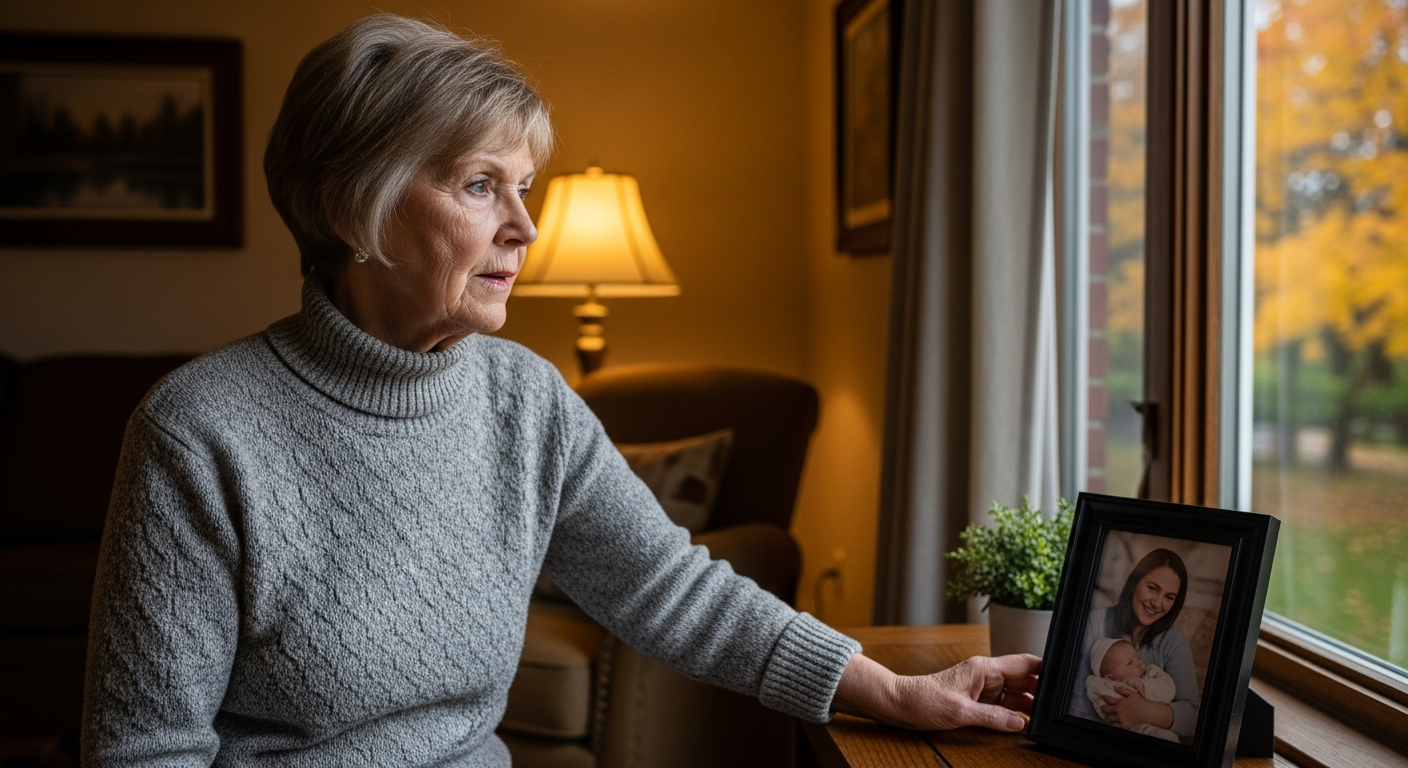
One of the most difficult moments in parenting is recognizing that your adult child—now a parent themselves—is struggling with peripartum or postpartum mental health crisis. Peripartum depression, anxiety, OCD, or psychosis affects up to 20% of new mothers in Canada. It's serious, treatable, and requires comprehensive care. It's also expensive.
If your adult child is facing this mental health crisis, a reverse mortgage can fund the specialized care, support systems, and household help that enable their recovery while protecting the wellbeing of their newborn and family.
Understanding Peripartum and Postpartum Mental Health Crises
Many people assume postpartum depression is mild "baby blues" that passes on its own. This misunderstanding delays critical treatment. Peripartum and postpartum mental health disorders are serious medical conditions requiring professional intervention.
The spectrum of conditions:
- Postpartum depression (PPD): Persistent depressed mood, hopelessness, loss of interest, guilt, difficulty bonding with infant. Affects ~15% of new mothers.
- Postpartum anxiety: Excessive worry, panic attacks, obsessive thoughts, compulsions. Affects ~10% of mothers.
- Postpartum OCD: Intrusive thoughts about harm coming to infant, compulsive checking/reassurance-seeking. Affects ~5% of mothers.
- Postpartum psychosis: Hallucinations, delusions, disorganized thinking. Rare (~1%) but medical emergency.
- Peripartum mood disorders: Conditions beginning during pregnancy and extending postpartum.
These are not character flaws, weakness, or failures at motherhood. They're medical conditions with proven treatments.
The Cost of Specialized Care and Recovery Support
Comprehensive peripartum mental health treatment is expensive in Canada. While some treatments are covered by provincial health plans, many crucial services are not:
Professional mental health treatment:
- Psychiatry consultation and ongoing care: $250–$500 per visit (often only partially covered publicly)
- Specialized postpartum therapist: $150–$250 per session, 2–4 sessions per week recommended initially
- Perinatal mental health programs (specialized intensive programs): $1,500–$5,000 for 6–8 week programs
- Medications: Usually covered publicly, but some specialized medications require private payment
Support services:
- Postpartum doula (specialized in mental health recovery): $20–$30/hour, 20–40 hours per week recommended initially
- Lactation consultant (if struggling with breastfeeding, which compounds anxiety): $100–$200 per consultation
- Childcare support for older siblings: $15–$20/hour while mother is in treatment
- Household help (cleaning, cooking, laundry): $20–$30/hour, 10–20 hours weekly
- Nutritional support/meal delivery: $50–$100 per week
Total estimated cost for comprehensive 6-month recovery plan: $15,000–$40,000 depending on intensity and duration.
Most families cannot absorb this cost. A reverse mortgage enables access to the care that actually works.
| Condition | Estimated Prevalence | Typical Care Approach |
|---|---|---|
| Postpartum depression | ~15% of new mothers | Weekly therapy + psychiatry |
| Postpartum anxiety | ~10% of new mothers | Therapy + medication management |
| Postpartum OCD | ~5% of new mothers | Specialized therapy + psychiatry |
| Postpartum psychosis | ~1% of new mothers | Emergency psychiatric care |
Why Your Adult Child Needs You Now: Breaking the Pattern
Peripartum mental health crises create cascading problems if untreated:
- Infant attachment suffers: Mother's depression prevents bonding, affecting infant's emotional development
- Isolation deepens: Shame prevents your child from reaching out, worsening depression
- Crisis escalates: Untreated anxiety or psychosis can become dangerous for both mother and infant
- Relationship strain: The postpartum period is already difficult; untreated mental illness tears relationships apart
- Secondary trauma: Your adult child's partner, other children, and extended family all experience the ripple effects
Your role as aging parent becomes critical. You can:
- Fund professional treatment your child might otherwise delay due to cost
- Provide household and childcare support, freeing your child to attend therapy/appointments
- Offer emotional support and reduce her isolation
- Create safe, stable environment for recovery
- Prevent crisis escalation into more serious territory
How a Reverse Mortgage Funds Recovery
A reverse mortgage provides liquid capital specifically for:
Immediate crisis response (Week 1–4):
- Psychiatric evaluation and medication optimization: $500–$2,000
- Intensive therapy (2–3 times weekly): $1,200–$1,800 first month
- Postpartum doula to provide respite care: $2,000–$4,000 first month
- Household help to reduce stress: $1,000–$1,500 first month
- Total immediate: $4,700–$9,300
Intensive recovery phase (Months 2–6):
- Ongoing psychiatry and therapy: $1,500–$2,500 monthly
- Postpartum doula gradually reducing: $1,000–$2,000 monthly
- Household and childcare support: $800–$1,200 monthly
- Nutritional support and meal delivery: $200–$400 monthly
- Total: $3,500–$6,100 monthly × 5 months = $17,500–$30,500
Maintenance and transition phase (Months 7–12):
- Ongoing therapy and psychiatry: $1,000–$1,500 monthly
- Reduced support services: $200–$400 monthly
- Total: $1,200–$1,900 monthly × 6 months = $7,200–$11,400
Grand total 12-month comprehensive recovery plan: $29,400–$51,200
A reverse mortgage of $40,000–$50,000 funds a comprehensive, no-compromise recovery plan.
| Recovery Phase | Duration | Estimated Monthly Cost | Phase Total |
|---|---|---|---|
| Immediate crisis response | Weeks 1–4 | — | $4,700–$9,300 |
| Intensive recovery | Months 2–6 | $3,500–$6,100 | $17,500–$30,500 |
| Maintenance and transition | Months 7–12 | $1,200–$1,900 | $7,200–$11,400 |
Real-World Scenario: Your Adult Daughter's Recovery
Your adult daughter, age 32, gave birth to her first child 3 weeks ago. In the past week, she's become increasingly anxious, having obsessive thoughts about harm coming to her infant, struggling to sleep, and withdrawing from her partner and family.
Her OB-GYN suspects postpartum OCD, a treatable condition, but referral to psychiatry has a 2-month wait. Her partner works full-time; childcare for her 4-year-old from a previous relationship is inconsistent. She's afraid of being "a bad mother" and hasn't told many people what she's experiencing.
Your intervention using reverse mortgage:
Week 1–2: You access reverse mortgage funds ($25K–$30K). You fund:
- Private psychiatric consultation (2 weeks, not the 2-month wait): $1,500
- Intensive therapy with postpartum OCD specialist (3x weekly): $1,200
- Postpartum doula (40 hours weekly): $3,000
- Household help (20 hours weekly): $600
- Total: $6,300
Months 2–3: Recovery momentum builds as medication begins working and therapy skills develop.
Months 4–6: Your daughter's anxiety decreases significantly. She's bonding with her infant, sleeping better, engaging with her partner again.
Months 7–12: She transitions to maintenance therapy, gradually becoming more independent as her symptoms resolve.
Outcome: Your adult daughter recovered fully, infant developed secure attachment, your family relationship strengthened. The reverse mortgage investment in her treatment prevention of potential tragedy ($40K spent) vs. potential crisis if untreated (possible infant harm, hospitalization, divorce).
Avoiding Stigma and Shame
Your adult child likely feels tremendous shame about her mental health crisis. She may resist accepting help or treatment. Your role includes:
Reframing the narrative:
- "This is a medical condition, not a character flaw"
- "Treatment works. Most women recover fully with proper care"
- "Getting help is what good mothers do—it protects your family"
- "I'm helping because I love you and want you healthy"
Normalizing the experience:
- Share that peripartum mental health disorders affect ~20% of mothers
- Point out successful women who've experienced and recovered from these conditions
- Emphasize that the condition is temporary and treatable with help
Removing barriers:
- Fund treatment so cost isn't a barrier
- Provide childcare and household help so she can attend appointments
- Transport her to appointments if needed
- Check in regularly without judgment
Protecting Both Your Adult Child and Grandchild
If your adult child's mental health crisis is severe, you may need to ensure infant safety while she recovers:
Ensuring safety:
- Discuss postpartum plans with your child and her partner before crisis
- Establish clear roles: Who will be primary caregiver if mom is struggling?
- Consider temporary care arrangements if mom is unable to care for infant
- Work with healthcare providers on safety planning
- Involve child protective services only if there's actual danger (most cases don't reach this threshold)
Your goal is supporting recovery and protecting the infant, not punishing your adult child for being mentally ill.
Getting Professional Help: Your Team
Consult:
- Your adult child's OB-GYN or family doctor: Initial assessment and referral
- Perinatal psychiatrist: Specialized in pregnancy and postpartum mental health
- Perinatal psychotherapist: Specialized therapy approaches for postpartum conditions
- Your adult child's partner or support person: Ensure they understand the condition and can provide emotional support
- Postpartum Support International or Motherisk (Canada): Peer support and resources
- Your reverse mortgage broker: Structure funding to support the recovery plan
The Bottom Line
Peripartum and postpartum mental health crises are serious medical conditions affecting 1 in 5 mothers. They're also highly treatable. Your adult child needs comprehensive care, which is expensive. A reverse mortgage funded specifically to ensure your daughter gets the treatment that works is a profound act of living legacy.
You're not just helping your adult child—you're protecting your grandchild's healthy development and your family's future. This is what love looks like when it's backed by financial capacity.
Key Takeaways
- Peripartum and postpartum mood disorders affect up to 1 in 5 new mothers in Canada and are highly treatable with proper care.
- A comprehensive 12-month recovery plan combining therapy, psychiatry, and household support typically costs $29,400–$51,200.
- Homeowners aged 55+ in Ontario can typically borrow 15–59% of their home's appraised value through a reverse mortgage, with no monthly payments required.
- Reverse mortgage proceeds are tax-free loan advances, and the loan is only due when the home is sold, the owner passes away, or the home is permanently vacated.
- Immediate crisis response (private psychiatric consultation, intensive therapy, doula support) typically costs $4,700–$9,300 in the first month alone.
- OHIP covers psychiatrist visits and medications but not most therapists, doulas, or household support services, which is where reverse mortgage funding fills the gap.
Frequently Asked Questions
How much home equity can I access to help my adult child through a postpartum mental health crisis?
In Ontario, homeowners aged 55 and older can typically borrow between 15% and 59% of their home's appraised value through a reverse mortgage, with rates generally between 6.5% and 8.5%. Rick Sekhon can provide an exact estimate based on your home's value and your age.
Do I need to make monthly payments on a reverse mortgage used for this kind of support?
No. Reverse mortgages do not require monthly payments. Interest accrues on the amount drawn, and the loan becomes due only when the home is sold, the last title holder passes away, or the home is permanently vacated, so you can fund urgent care without new monthly obligations.
Is the money I provide to my adult child considered taxable income?
No. Reverse mortgage proceeds are structured as tax-free loan advances, not income, so there is no tax owed by you or your adult child on funds used for treatment, doula care, or household support.
What if I need funds quickly for an urgent situation?
Because postpartum crises often require immediate psychiatric evaluation and support, many families use a reverse mortgage line of credit or initial lump-sum draw specifically to bypass long public wait lists and secure private care within days rather than months.
Will this funding affect my CPP, OAS, or GIS benefits?
Reverse mortgage funds are loan proceeds, not income, so they generally do not affect Canada Pension Plan (CPP), Old Age Security (OAS), or Guaranteed Income Supplement (GIS) benefits. It's still worth confirming your specific situation with a financial advisor.
What Ontario resources exist alongside private reverse mortgage-funded care?
Public resources such as CAMH (Centre for Addiction and Mental Health), local community mental health services, 211 Ontario, and Postpartum Support International offer referrals and peer support that can complement privately funded therapy, psychiatry, and doula care.
Ready to Learn More?
Find out exactly how much you could unlock from your home — free and no obligation.
Related Articles
Reverse Mortgage for Aging Parent's Advance Directive Updates: Navigating Medical Innovation and End-of-Life Choices
Fund legal consultation for updating advance directives and power of attorney as medical innovation creates new end-of-life treatment options for Ontario seniors.
Read →Reverse Mortgage to Fund Adult Child's Strategic Pivot After Startup Acquisition: Launching the Next Venture
Use a reverse mortgage to fund your adult child's post-acquisition pivot, supporting their next startup after equity proceeds are deployed.
Read →Hosting Your Adult Grandchild's Wedding at the Family Home: Reverse Mortgage Funding for Multi-Day Celebration
Want to host your grandchild's wedding at home? A reverse mortgage can fund venue renovation, catering, and logistics for a multigenerational celebration.
Read →