
Protecting Your Home When Your Adult Child Files for Bankruptcy: Creditor Shield Strategy
Safeguard your home equity when your adult child faces bankruptcy. Learn legal strategies, creditor protection, and how a reverse mortgage can shield your primary residence in Ontario.
One of the most frightening scenarios for aging parents: your adult child's business fails, they lose their job, or they face overwhelming debt—and you worry that your family home could be at risk. If your adult child has co-signed loans, you've jointly guaranteed business debt, or they've made claims against family assets, creditors could pursue your home.
The good news: your primary residence has significant legal protections in Ontario. But proactive steps—including a strategic reverse mortgage—can ensure those protections remain ironclad.
How Your Adult Child's Bankruptcy Could Theoretically Affect Your Home
In Ontario, primary residences have strong legal protection called "homestead exemption." Your home cannot be seized by most creditors to satisfy debts that aren't directly tied to the home itself (like mortgage or property tax arrears).
However, certain scenarios create vulnerability:
Direct threats to your home:
- You co-signed a loan or guarantee related to your adult child's business
- You jointly own property
- Your adult child has filed a claim against family assets held jointly
- You've granted a second mortgage or HELOC that you now can't repay
- Property tax or home insurance becomes difficult to maintain
Indirect threats (emotional pressure):
- Your adult child's creditors attempt to persuade you to liquidate home equity to settle their debts
- Family pressure suggests you "should help" by downsizing and gifting proceeds
- Your adult child pressures you to co-sign additional loans or release assets
A reverse mortgage, strategically deployed, addresses both categories of threat.
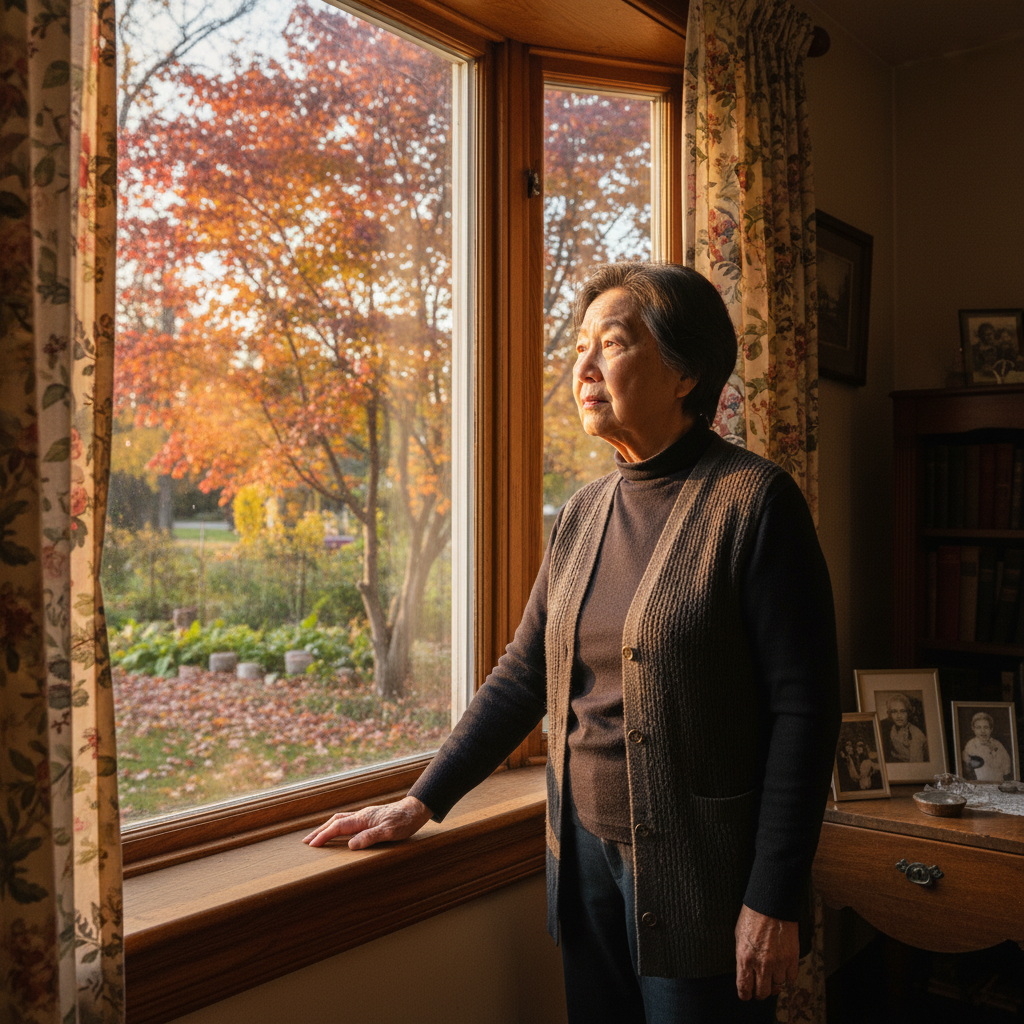
Legal Protections for Your Home in Ontario
Ontario law provides strong homestead exemptions. A primary residence is generally exempt from seizure by unsecured creditors, with limited exceptions:
Fully protected:
- Debts incurred by your adult child (unless you co-signed)
- Medical debts, credit card debts, personal loans in your child's name alone
- Most business debts incurred by your adult child
At risk if co-signed:
- Business loans or guarantees you've signed
- Personal loans you've co-signed for your adult child
- Joint mortgages or HELOCs
Vulnerable if neglected:
- Property taxes
- Home insurance arrears
- Homeowner association fees (condos)
Understanding where you stand legally is the first step. Consult a creditor protection lawyer in Ontario who specializes in family asset protection.
| Debt Type | Your Exposure |
|---|---|
| Debts solely in your adult child's name (credit cards, personal loans, medical debt) | Fully protected |
| Business loans or guarantees you co-signed | At risk |
| Joint mortgages or HELOCs with your adult child | At risk |
| Property tax or home insurance arrears | Vulnerable if unpaid |
| Condo/HOA fee arrears | Vulnerable if unpaid |

How a Reverse Mortgage Protects Your Home Equity
A reverse mortgage provides two critical protections:
Protection 1: Eliminate Co-Signed Debt If you co-signed loans or business guarantees related to your adult child's bankruptcy, those debts are legally your responsibility. A reverse mortgage can eliminate these debts by providing funds to pay them off immediately, removing the lien or guarantee from your record.
Example: Your adult child's failed business left you liable for a $80K personal guarantee. Using a reverse mortgage to pay this off immediately removes the creditor's claim against you.
Protection 2: Secure Remaining Equity A reverse mortgage places a lien directly against your home, which paradoxically protects remaining equity by clarifying the claim structure. No other creditor can claim equity that's already committed to the reverse mortgage lender.
Protection 3: Create Liquidity Without Triggering Creditor Claims By accessing home equity through a reverse mortgage (rather than liquidating other assets), you maintain control over what funds are available to pressured family members or creditors. You don't have to liquidate investments or savings that creditors might otherwise claim.
| Protection Strategy | Funding Source | Effect on Home Equity |
|---|---|---|
| Pay off co-signed guarantee with reverse mortgage | Reverse mortgage (15-59% of appraised value) | Reduces available equity but removes creditor claim entirely |
| Liquidate personal savings/investments | Cash on hand | Preserves home equity but depletes retirement savings |
| Sell and downsize | Home sale proceeds | Eliminates equity access; requires relocation |
| Do nothing | N/A | Home remains exposed to co-signed liability |
Scenarios: Protecting Your Home From Your Adult Child's Financial Collapse
Scenario 1: Failed Business Co-Sign Guarantee Your adult daughter started a business and asked you to guarantee a $100K equipment loan. The business failed after two years, and the lender is now pursuing you for $80K remaining balance.
Solution: Use a reverse mortgage to pay off the guarantee immediately. This removes the lender's claim and protects your home from any further action. Cost: reverse mortgage interest on $80K, but your home is protected.
Scenario 2: Joint Business Bank Account Became Your Liability You helped your adult son manage his business finances by adding him to your bank account. When the business failed, creditors attempted to claim funds from your joint account, creating complications for your personal finances.
Solution: Access reverse mortgage funds to separate your finances completely. Pay off any remaining business-related debts tied to your name. Ensure business accounts are completely separated from personal accounts.
Scenario 3: Pressure to Downsize and "Help" Your Child Your adult child's bankruptcy creates family pressure for you to sell your home and distribute proceeds to settle their debts. You don't want to move, and legally you shouldn't have to.
Solution: A reverse mortgage allows you to access equity without selling the home. You maintain independence and can resist pressure to downsize based on your child's financial problems.
Scenario 4: Your Adult Child Filed a Claim Against Your Estate In rare cases, an adult child facing bankruptcy attempts to claim assets or argue they're entitled to inheritance early. A reverse mortgage can provide clarity about remaining home equity and your intentions.
Solution: Use reverse mortgage funds to document and clarify your asset distribution. Work with an estate attorney to ensure your will reflects your intentions clearly.

Legal and Financial Steps to Protect Your Home
Immediate actions:
- Consult a lawyer: Get clear advice on what debts are actually your responsibility
- Document your home ownership: Ensure title is clear and in your name alone (not jointly with your adult child)
- Review co-signatures: List all loans, guarantees, or agreements you've signed related to your adult child's business or debts
- Separate finances: Remove your adult child's name from your bank accounts, remove yourself from theirs
- Strengthen title: Consider any actions that clarify your ownership and remove ambiguity
Proactive protection:
- Consider a reverse mortgage consultation: Get a clear understanding of this option before crisis hits
- Update your will: Clearly express your intentions about home ownership and inheritance
- Establish a power of attorney: Ensure trusted advisors can act on your behalf if needed
- Monitor your credit: Watch for unauthorized applications in your name
- Communicate with your adult child: Set clear boundaries about what financial support you will and won't provide
What NOT to Do
Don't:
- Co-sign additional loans or guarantees for your adult child once they're in financial trouble
- Add your adult child to your will or trust without clear legal documentation
- Liquidate investments or savings to "bail out" your adult child
- Joint bank accounts or credit cards with your adult child
- Ignore legal notices or creditor communications—respond promptly
- Make promises to creditors without legal advice
The Emotional Reality
Watching your adult child face bankruptcy is agonizing. You feel responsible, guilty, or pressured to help. But protecting your home and your retirement security is not selfish—it's necessary.
Your adult child needs to face the consequences of their financial decisions and rebuild from them. Sacrificing your own housing security doesn't help them—it creates dependency and prevents them from learning financial responsibility.
Boundaries are loving. A reverse mortgage can help you maintain those boundaries while still being compassionate.
Getting Professional Help
Before proceeding, consult:
- Bankruptcy/creditor protection lawyer: Understand your actual exposure
- Reverse mortgage broker: Explore this option strategically
- Accountant: Understand tax implications
- Family counselor or mediator: Navigate the emotional and relational complexity with your adult child
Key Takeaways
- Ontario's homestead exemption generally protects your primary residence from your adult child's creditors, unless you co-signed a loan, guarantee, or hold a joint mortgage.
- A reverse mortgage (available to homeowners 55+) can pay off a co-signed guarantee immediately, removing the creditor's claim without forcing you to sell or downsize.
- Reverse mortgage proceeds are tax-free loan advances and do not affect OAS, GIS, or CPP eligibility.
- Property tax and home insurance arrears remain a vulnerability even under homestead protection, so keeping these current is essential.
- No monthly payments are required on a reverse mortgage; the loan is repaid from the estate when the home is sold, the last borrower passes away, or moves out permanently.
- Removing your adult child from joint bank accounts and reviewing all co-signed agreements are immediate, no-cost steps to reduce exposure.
Frequently Asked Questions
Can my adult child's bankruptcy trustee force the sale of my home?
Generally no, if the home is solely in your name and you did not co-sign any debts related to your adult child's bankruptcy. Ontario's homestead protections shield a primary residence from most unsecured creditors. However, if you co-signed a loan or hold a joint mortgage, that specific debt could create exposure.
Does a reverse mortgage protect my home from all creditors?
A reverse mortgage places the lender's lien on your home, which clarifies and secures your equity position, but it does not create blanket immunity from all creditors. It's most effective for eliminating specific co-signed debts by paying them off directly, which removes that particular creditor's claim.
Will taking a reverse mortgage affect my OAS or GIS benefits?
No. Reverse mortgage proceeds are considered a loan, not income, so they are tax-free and do not reduce Old Age Security (OAS), Guaranteed Income Supplement (GIS), or CPP payments.
Should I add my adult child to my home's title to help them financially?
No. Adding an adult child to your title creates joint ownership, which can expose your home directly to their creditors. Keeping title solely in your name is one of the strongest protections available under Ontario law.
What's the first step if my adult child is already facing bankruptcy?
Consult a creditor protection or bankruptcy lawyer immediately to clarify your actual legal exposure, particularly around any co-signed loans or joint accounts. From there, a broker like Rick Sekhon can walk you through whether a reverse mortgage makes sense to resolve specific liabilities.
The Bottom Line
Your primary residence in Ontario has strong legal protections. A reverse mortgage, deployed strategically, can eliminate liability, secure remaining equity, and provide you with independence from your adult child's financial crisis. The goal is protecting your retirement security and home—the foundation of your own aging in place—while your adult child takes responsibility for their financial recovery.
Ready to Learn More?
Find out exactly how much you could unlock from your home — free and no obligation.
Related Articles
Protecting Your Inheritance: Reverse Mortgage Strategy When Adult Child Faces Creditor Lawsuit
Secure your estate before creditor judgment liens attach. Ontario guide to shield inheritance from adult child's legal liability using reverse mortgages.
Read →Reverse Mortgage When Aging Parent Co-Owns Home With Adult Child Who Refuses to Sell
Navigate reverse mortgage options when co-owned homes create conflict. Ontario guide for aging parents facing adult child resistance to home equity access.
Read →Reverse Mortgage for Your Own Wellness and Health Coaching Credentials in Retirement
Launch your health coaching or wellness certification business in retirement? Fund your credentials with reverse mortgage in Ontario.
Read →