
Adult Child Quits Toxic Job to Care for Aging Parent: Reverse Mortgage Safety Net
When your adult child leaves a harmful workplace to become your caregiver, a reverse mortgage bridges income loss while protecting both your retirement and their wellbeing.
When your adult child walks away from a toxic job to become your full-time caregiver, how do you help them survive financially without derailing your own retirement? Workplace harassment, burnout, or discrimination shouldn't force adult children to choose between their mental health and their family's financial security. A reverse mortgage provides a structured bridge—allowing your child to leave a harmful situation while maintaining income stability and supporting your aging needs.
This article is for educational purposes only and does not constitute financial advice.

The Toxic Workplace + Caregiving Crisis
The scenario is real and increasingly common among Ontario families. Your adult child is working a well-paying job—say $72,000/year—but the workplace has become unbearable: abusive management, discrimination, harassment, or chronic stress leading to health consequences.
Meanwhile, your health is declining. You need support with daily activities, medical appointments, medication management, and transportation. Your child is your natural caregiver—they know your needs, your history, your preferences.
Your child faces an impossible choice:
- Stay in the toxic job for income, risking burnout or health collapse
- Leave for their own wellbeing, but lose income and plunge the family into financial crisis
- Try to do both (caregiving + toxic job), destroying their health while providing mediocre care
Many Ontario adult children choose option 2—protecting their mental health at the cost of income security.
According to the Canadian Mental Health Association, 41% of caregivers in Canada experience burnout and depression. When the caregiving role begins with an adult child leaving a harmful job, the stakes are even higher.
The Income Loss and Financial Cascade
Let's look at the numbers realistically:
Your adult child, age 38, earns $72,000/year (net: ~$55,000 after tax). They've worked there 8 years, expecting to stay another 25+ years until retirement.
If they quit abruptly:
- Immediate income loss: $72,000/year
- Lost benefits: group health insurance (
$2,500/year), pension contributions ($4,000/year), paid vacation (~$3,500/year) = $10,000/year in value - CPP contribution loss: ~$3,500/year lost to retirement credit
- Career trajectory: no advancement, bonuses, or raises for caregiving years
- Total 5-year cost: ~$385,000 (wages + lost benefits + career damage)
Your household faces:
- Your income (pension/OAS): maybe $55,000/year
- Caregiving child's income: $0
- Home maintenance needs that aren't being met
- Growing care costs (equipment, modifications, professional help for complex tasks)
Without a plan, families face:
- Rapid savings depletion
- High-interest debt accumulation
- Caregiver's desperation to find any job quickly (potentially another toxic situation)
- Parent guilt and emotional strain
- Family conflict over financial responsibility
Reverse Mortgage as Safe Exit Strategy
A reverse mortgage allows your adult child to leave safely while maintaining financial stability:
The Structured Income Bridge
How it works:
- You borrow $150,000-$250,000 against your home (depending on value, age, and equity)
- Structure it as a line of credit with scheduled draws
- Allocate proceeds as a "caregiver stability stipend": $2,000-$3,000/month to your adult child
- This bridges approximately 1/3 of their lost income while they transition
- Combined with your parent's income, the household stabilizes
Example:
- Your home value: $425,000
- Your age: 71
- Borrowing capacity: ~$240,000 (56% LTV at age 71)
- Reverse mortgage borrow: $200,000
- Allocation: $2,500/month for 5+ years to caregiver child
Your child's new reality:
- Lost job income: $72,000/year → $0
- Reverse mortgage stipend: $30,000/year
- Other household income (parent pension): $55,000/year
- Total family income: ~$85,000 (vs. $127,000 before)
- 33% reduction, but manageable with reverse mortgage covering the gap
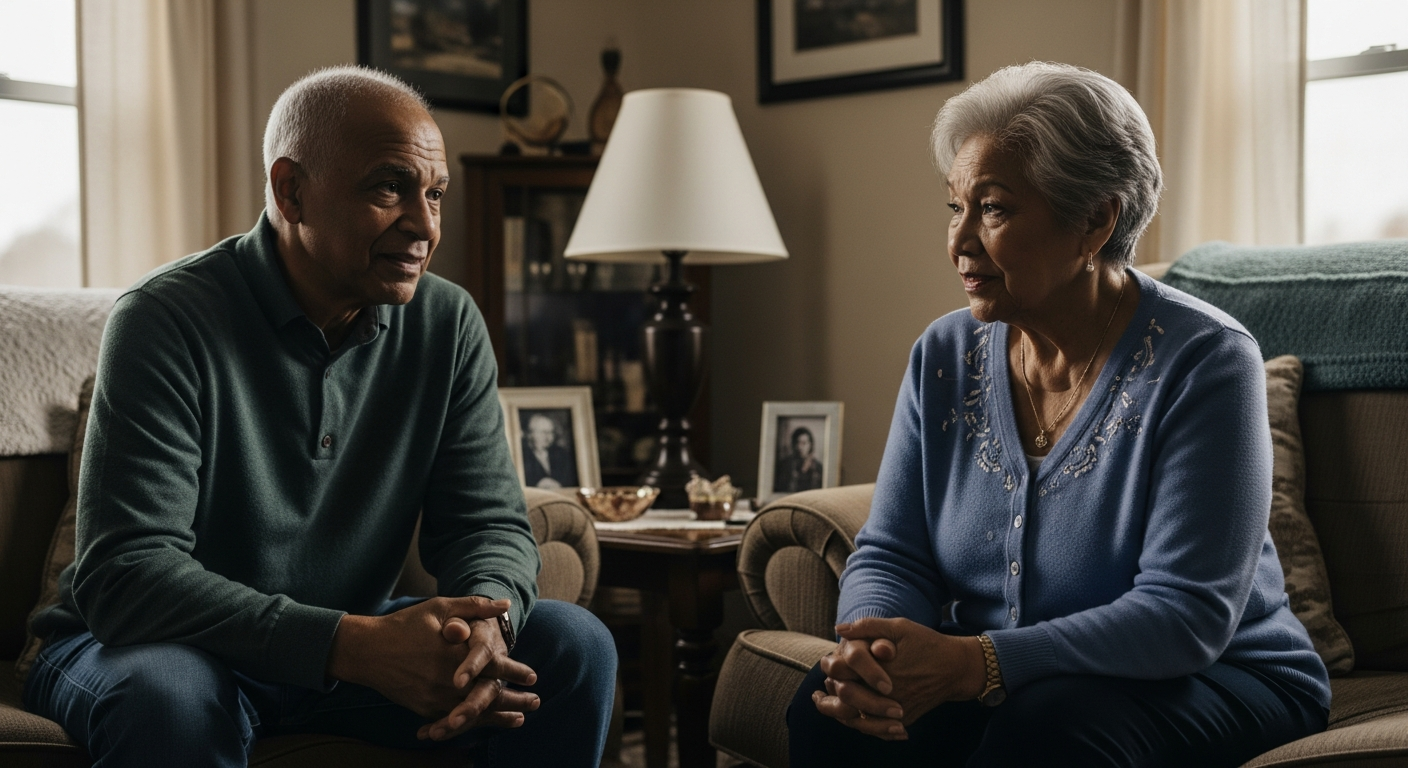
Supporting a Caregiver's Transition Period
Leaving a toxic job—especially to become a caregiver—is psychologically and emotionally complex. Your adult child needs:
Financial Stability ($2,000-$3,000/month)
Allows focus on caregiving without immediate job pressure. Many caregivers benefit from 6-12 months before re-entering the workforce part-time.
Mental Health Support
After workplace trauma, many caregivers need therapy. Factor this into the reverse mortgage allocation:
- $150-$200/month for counseling or therapy
- Depends on coverage; private counseling often $100-$250/session
Professional Care Support
If your adult child is your only caregiver, supplement with:
- Personal Support Worker (PSW) visits: 2-3x weekly = ~$800-$1,200/month
- This prevents complete burnout of your adult child caregiver
Skill Development Opportunities
Some caregivers benefit from formal training:
- PSW certification ($2,000-$4,000)
- Caregiver training programs ($500-$2,000)
- Distance education to maintain professional skills while caregiving
According to Caregiver Voices Canada, caregivers who have some professional training and part-time income stability show significantly better mental health outcomes than those in full financial crisis.
Key Takeaways
- Leaving a toxic job shouldn't require financial self-sacrifice. A reverse mortgage bridge prevents adult children from choosing between their mental health and your care.
- $2,000-$3,000/month stipend covers roughly 1/3 of lost income while your child transitions to part-time or mixed work.
- The first 6-12 months are critical. Your adult child needs breathing room to recover from workplace trauma and adjust to caregiving.
- Combine reverse mortgage income with professional care services to prevent your child from becoming sole caregiver (burnout risk).
- Transparency matters. Discuss the reverse mortgage arrangement openly so your child understands the support is structured, not guilt-based.
- Plan for re-entry. Use stable years to support your child's eventual return to part-time or professional work (not full-time caregiving forever).
Comparison: Toxic Job Exit Scenarios
| Scenario | Parent Income | Child Lost Wages | RM Stipend | Total HH Income | Sustainability |
|---|---|---|---|---|---|
| No RM, adult child stays toxic job | $55,000 | $0 | $0 | $127,000 | High salary, Low wellbeing |
| No RM, child quits cold | $55,000 | -$72,000 | $0 | $55,000 | High stress, rapid savings loss |
| RM $150K, $2,000/mo stipend | $55,000 | -$42,000 | $24,000 | $79,000 | Stable, 5+ years |
| RM $200K, $2,500/mo stipend + PSW | $55,000 | -$42,000 | $30,000 | $85,000 | Sustainable caregiving |

Structuring the Reverse Mortgage for Your Family's Protection
Line of Credit vs. Lump Sum
Line of Credit approach (recommended for exit-strategy families):
- Borrow approved amount (e.g., $200,000)
- Draw $2,500/month as needed
- Interest accrues only on drawn amounts
- Flexibility if situation changes
- Better if caregiving needs scale up/down
Lump Sum approach:
- Receive all funds at closing
- Interest accrues on full amount immediately
- Simpler administration
- Better if you have other immediate needs (home modifications, care equipment)
Multi-Purpose Allocation
Reverse mortgage funds can support:
- Caregiver stipend: $2,000-$2,500/month
- Professional PSW visits: $1,000/month
- Home modifications for aging in place: $15,000-$30,000
- Emergency health expenses: $20,000 reserve
- Your own retirement income gap (if needed): flexible draws
Consult Rick Sekhon Reverse Mortgages about structuring a reverse mortgage that addresses both the caregiver income crisis and your aging-in-place needs.
Tax and Benefit Considerations
CPP and OAS (for you)
- Reverse mortgage proceeds don't count as income
- No impact on OAS clawback or benefit eligibility
- Lump sum doesn't affect GIS means-testing
Your adult child's income
- If receiving stipend as "family support," it may not be taxable (consult accountant)
- If structured as "care wage," it IS taxable income (requires T4)
- Either way, this is lower than their lost $72,000 salary, so tax burden is lighter
FSRAO (Financial Services Regulatory Authority Ontario)
- Verify your lender is regulated by FSRAO
- Request independent legal advice before signing
- Understand all fees and interest rates upfront
Frequently Asked Questions
Won't a reverse mortgage just dig a deeper hole financially?
Not if structured strategically. A $200,000 reverse mortgage at 7% interest costs about $14,000/year in interest. Your caregiver stipend of $30,000/year + professional care support more than justifies the cost. Without it, your adult child is in crisis; with it, they have stability. The trade-off is worth it.
What if my adult child wants to work part-time alongside caregiving?
Excellent. The stipend bridges their income while they seek part-time work (part-time income + RM stipend = more stable than scrambling for full-time). As they find part-time work, you can reduce the stipend draw, preserving the RM credit line for other needs.
Can we change the arrangement if things improve?
Yes. If your child's health stabilizes and they find new employment, you can reduce the monthly draws. The reverse mortgage line of credit is flexible—you only pay interest on what you draw.
What if my child needs to step back from caregiving?
Have a plan. Professional PSW care, adult day programs, or eventual long-term care placement should be options discussed upfront. The reverse mortgage should fund professional care services if your child must reduce hours.
Does CHIP, Equitable Bank, or HomeEquity Bank handle situations like this?
All major reverse mortgage lenders in Ontario work with families in caregiver transition scenarios. Rick Sekhon Reverse Mortgages specializes in non-standard situations and can help structure a solution that works for your family's specific needs.
How long can the $2,500/month stipend continue?
Typically 10-20 years, depending on the reverse mortgage term and your home's equity. A $200,000 borrow at $2,500/month stipend lasts 80 months (~6.5 years) before the principal is consumed. Structure it as a line of credit so you only draw what you need each month, extending the runway.
Speak to a licensed reverse mortgage professional about your specific situation. Independent legal advice is required before closing a reverse mortgage in Ontario.
Ready to explore if a reverse mortgage can support your family's caregiving transition? Contact Rick Sekhon Reverse Mortgages for a confidential consultation.
Rates and terms subject to lender approval. This content is for illustrative purposes and does not constitute an offer or financial advice.
Ready to Learn More?
Find out exactly how much you could unlock from your home — free and no obligation.
Related Articles
Reverse Mortgage to Support Adult Child's Career Recovery After Burnout: Financial and Emotional Healing
Help your adult child recover from workplace burnout with a reverse mortgage. Finance their healing timeline, time off, and career redirection in Ontario.
Read →When Your Adult Child Becomes Your Caregiver: Managing Income Loss With a Reverse Mortgage
Your adult child quit their job to care for you. Learn how a reverse mortgage can bridge the income gap they've sacrificed.
Read →My Adult Child Is My Caregiver: How a Reverse Mortgage Helps Both of You
Your adult child quit their job to care for you. A reverse mortgage can ease the financial strain on both of you—compensating them fairly while funding care costs.
Read →