
Adult Child Takes Career Break for Parent's Extended Medical Recovery: Reverse Mortgage Bridge
When your aging parent needs 6-12 months of intensive care during extended medical recovery, a reverse mortgage funds your adult child's income bridge during their caregiving career pause.
Your aging parent faces a medical crisis with 6-12 months of recovery: complex surgery, intensive rehabilitation, or treatment that requires sustained family support. Your adult child—the most available caregiver—considers taking unpaid leave from work to coordinate care, attend appointments, provide hands-on help. Six to twelve months of income loss would devastate them financially. A reverse mortgage bridges this extended recovery period, allowing your adult child to step back from work without sacrificing their financial security.
This article is for educational purposes only and does not constitute financial advice.

Extended Medical Recovery Scenarios
Unlike acute crisis (surgery, hospitalization), extended recovery requires months of sustained caregiving:
Scenario 1: Major Orthopedic Surgery + Rehabilitation
- Hip or knee replacement: 3-6 months full recovery
- Spinal surgery: 6-12 months intensive recovery
- Requires: PT/OT 3-4x/week, mobility assistance, transportation, home modifications
Scenario 2: Cancer Treatment and Recovery
- Chemotherapy course: 4-6 months of active treatment
- Recovery: additional 3-6 months of weakness, fatigue, monitoring
- Requires: treatment appointments (1-3x/week), nausea management, dietary support, emotional support
Scenario 3: Stroke Rehabilitation and Brain Recovery
- Acute phase: 2-3 weeks hospital/rehab
- Extended recovery: 6-12 months home-based intensive PT/OT/speech therapy
- Requires: daily PT/OT oversight, speech practice, safety monitoring, appointment coordination
Scenario 4: Cardiac Recovery and Cardiac Rehabilitation
- Post-operative recovery: 2-3 months home care
- Cardiac rehab program: 6-12 months supervised exercise and lifestyle change
- Requires: cardiac rehab attendance (2-3x/week), medication management, diet oversight, activity monitoring
Common thread: 6-12 months of parent involvement that prevents adult children from working full-time.
Your adult child's dilemma:
- Continue full-time work: parent recovery compromised, appointments missed, safety risks
- Take unpaid leave: lose $4,000-$6,000/month income for 6-12 months = $24,000-$72,000 total income loss
- Work part-time while caregiving: exhaustion, job loss risk, inadequate parent care
A reverse mortgage makes the third path sustainable.
According to the Canadian Journal of Occupational Therapy, caregivers who balance work with intensive caregiving during extended recovery show 50% burnout rate. Dedicated caregiving (even if unpaid) with income support shows significantly better outcomes for both caregiver and patient.
Reverse Mortgage for Extended Recovery Income Bridge
12-Month Recovery Budget Model
| Phase | Duration | Parent Care Costs | Adult Child Income Loss | Professional Care | Total Monthly | 12-Month Total |
|---|---|---|---|---|---|---|
| Phase 1: Intensive | Months 1-3 | $2,500 | $5,000 (full-time leave) | $1,500 | $9,000 | $27,000 |
| Phase 2: Moderate | Months 4-6 | $1,500 | $3,500 (part-time return) | $1,000 | $6,000 | $18,000 |
| Phase 3: Ongoing | Months 7-12 | $1,000 | $2,000 (part-time employment) | $500 | $3,500 | $21,000 |
| TOTAL 12-MONTH COST | $66,000 |
Reverse mortgage borrow: $70,000-$80,000
This funds:
- Adult child's income loss ($65,000 total)
- Parent professional care ($12,000 total)
- Buffer and unexpected costs ($10,000-$15,000)
Phased Career Re-Entry Strategy
Months 1-3: Full caregiving, no work
- Adult child takes unpaid family/medical leave from work
- RM stipend: $5,000/month covers lost income
- Focus: parent intensive recovery management, appointments, PT/OT coordination
- Professional care: PSW 20 hrs/week, PT/OT 4 sessions/week
- Adult child burnout risk: moderate (but financially supported)
Months 4-6: Transition to part-time work
- Adult child returns to part-time employment (3 days/week, ~$2,000/month)
- RM stipend: $3,500/month bridges gap to full-time income
- Parent care: shifting to more independence as recovery progresses
- Professional care: PSW 15 hrs/week, PT/OT 2-3 sessions/week
Months 7-12: Return to full-time employment
- Adult child fully employed (full-time job, possibly different role if previous job unavailable)
- RM stipend: $2,000-$2,500/month (supplementing if part-time employment continues or if additional care needs exist)
- Parent care: Primarily independent with professional care oversight
- Professional care: PSW on-call, PT/OT 1x/week (maintenance)
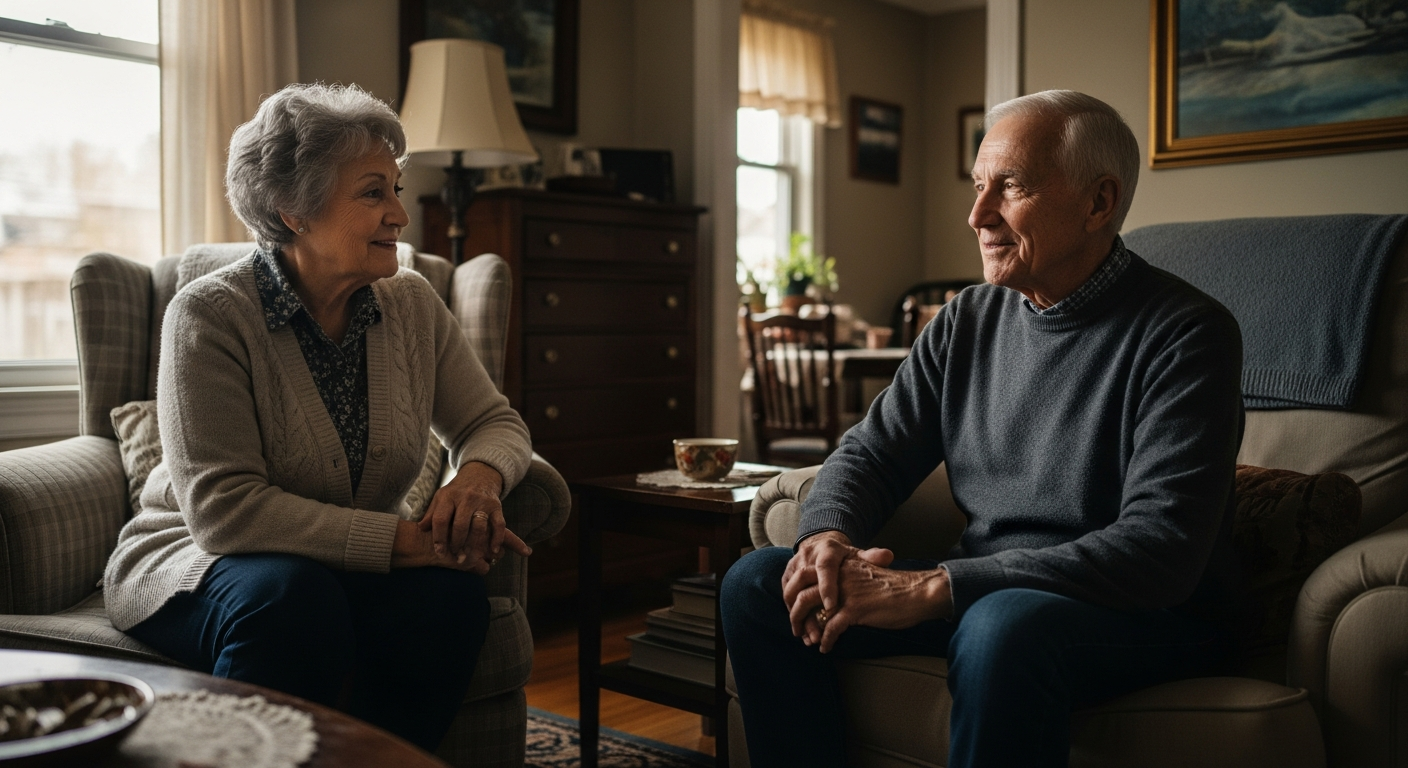
Sustaining Professional Care During Extended Recovery
Critical insight: Family caregiving alone is insufficient for extended medical recovery. Professional care is essential.
PSW (Personal Support Worker) Integration
Months 1-3 (Intensive):
- PSW: 20 hours/week ($22-$28/hour = ~$550/week = ~$2,200/month)
- Tasks: bathing, dressing, toileting, meal prep, light housekeeping
- Your adult child: coordinates, oversees, supplements with PT/OT and appointments
- Benefit: Prevents caregiver burnout; ensures quality care
Months 4-6 (Moderate):
- PSW: 15 hours/week (~$330/week = ~$1,400/month)
- Your adult child returns to part-time work; PSW covers in-home care gaps
- Tasks: bathing, toileting, meal prep (lighter than Months 1-3)
Months 7-12 (Maintenance):
- PSW: 10 hours/week or on-call (~$220-$250/week = ~$1,000/month)
- Your adult child working full-time; PSW provides oversight and safety checks
- Tasks: weekly bathing, medication review, basic housekeeping
Specialized Rehabilitation Services
Physical Therapy:
- Months 1-3: 4 sessions/week ($60-$100/session = $240-$400/week = ~$1,000/month)
- Months 4-6: 2-3 sessions/week (~$600-$800/month)
- Months 7-12: 1 session/week (~$300/month)
Occupational Therapy:
- Months 1-3: 2-3 sessions/week (~$600-$900/month)
- Months 4-6: 1-2 sessions/week (~$300-$600/month)
- Months 7-12: 1 session/month or on-call (~$100-$200/month)
Speech Therapy (if applicable):
- Post-stroke or post-surgery: 2-3 sessions/week (~$600-$900/month) for 3-6 months
Total professional care cost: $2,500-$3,500/month Months 1-3, declining to $1,000-$1,500/month by Months 7-12
Reverse mortgage funding makes this sustainable without depleting family savings.
Work-Caregiving Balance Strategies
Workplace Communication
When to inform your employer:
- Immediately, before taking leave (don't surprise them)
- Provide letter from parent's doctor explaining care needs
- Request Family Medical Leave Act (FMLA) protection if eligible (unpaid, but job protected)
Leave options:
- Unpaid family/medical leave (3-12 months, job-protected if eligible)
- Disability leave (if available through employer)
- Sabbatical (if employer offers)
- Resignation + re-hiring post-recovery (risky, but option for some industries)
Documentation and Flexibility
- Written care plan: timeline, expected recovery, anticipated caregiving needs
- Monthly check-ins with employer: "My parent's recovering well; I expect to return part-time in Month 4, full-time by Month 8"
- Flexibility: Some employers allow phased return (2 days/week → 3 days → full-time)
Professional Career Continuity
Even during 6-12 month caregiving pause:
- Maintain professional certifications/licenses (if applicable, can be prioritized in RM budget)
- Online continuing education: stay current in your field
- Networking: maintain professional relationships (lunch meetings when possible)
- Goal: Minimize career damage; facilitate smooth re-entry post-recovery
According to Statistics Canada, adult children caregivers who maintain some professional engagement during caregiving pause show 40% faster career re-entry and better long-term earning recovery than those who step away completely.
Reverse Mortgage Structure for Extended Recovery
Home value: $450,000 Age: 74 (homeowner) Borrowing capacity: ~$252,000 (56% LTV)
Borrow: $75,000 for extended recovery support
Allocation:
- Adult child income bridge (12 months): $60,000
- Professional PSW care (12 months): $25,000
- PT/OT/speech therapy (12 months): $15,000
- Home modifications for recovery: $5,000
- Emergency buffer: $10,000
- Total 12-month allocation: $115,000
Note: Borrow $75,000 now; if recovery extends beyond 12 months, access remaining RM credit line ($177,000) for continuing care.

Key Takeaways
- Extended medical recovery (6-12 months) requires sustained family caregiving + professional care. A reverse mortgage makes both sustainable.
- Income bridge ($5,000/month Months 1-3, phasing down to $2,000-$2,500 Months 7-12) allows adult children to take leave without financial crisis.
- Professional care ($2,500-$3,500/month) prevents caregiver burnout and ensures quality recovery oversight.
- Phased re-entry (full caregiving → part-time work → full-time employment) aligns with parent's recovery trajectory.
- Employer communication and leave documentation protect adult child's career and job security.
- Reverse mortgage remains flexible: If recovery extends, additional draws continue; if accelerated, draws reduce.
Frequently Asked Questions
What if my adult child's employer won't approve 6-12 months unpaid leave?
Options: (1) Resign and rely on RM income bridge ($75,000 covers 12-15 months of living expenses); (2) Return to part-time work from Month 3-4 (phased approach); (3) Negotiate unpaid leave through HR or employee assistance program; (4) Consult employment lawyer about FMLA or provincial leave protections.
What if my parent's recovery accelerates or stalls?
Reverse mortgage is flexible. If recovery accelerates (faster independence), reduce draws from Month 5-6. If recovery stalls (extended rehabilitation), draw more from remaining RM credit line to extend professional care and income support.
Should I be concerned about my adult child "losing" 12 months of career advancement?
Career pause impacts vary by field. Some industries (healthcare, education) accommodate caregiving leave better. Others penalize career gaps. Professional networking and maintaining certifications help. Real question: Is 12-month career pause acceptable to your adult child, given the alternative (parent recovery compromise or financial crisis)?
What if multiple adult children want to take leave during parent's recovery?
Possible, but expensive. Reverse mortgage budgets for one primary caregiver. If multiple children want leave, discuss roles: one primary caregiver (funded by RM), others part-time support. Distribute RM stipend fairly if both are taking income hit.
Can I repay the reverse mortgage during the recovery period?
Yes, but not recommended. Early repayment penalties may apply (check lender terms). Better strategy: Let the reverse mortgage accrue; repay from estate after parent passes. Focus your income on living expenses during recovery period.
Does FSRAO regulate reverse mortgages for extended caregiver leave?
Yes. All Ontario reverse mortgages are regulated by FSRAO. Funding for caregiver income bridge during extended family medical needs is standard eligible use.
Extended recovery is manageable when adult children have income security.
Contact Rick Sekhon Reverse Mortgages to fund your parent's recovery + your child's caregiving.
Rates and terms subject to lender approval. This content is illustrative and does not constitute financial or medical advice.
Ready to Learn More?
Find out exactly how much you could unlock from your home — free and no obligation.
Related Articles
When Your Adult Child Becomes Your Caregiver: Managing Income Loss With a Reverse Mortgage
Your adult child quit their job to care for you. Learn how a reverse mortgage can bridge the income gap they've sacrificed.
Read →Reverse Mortgage for Adult Child Career Interruption Due to Caregiving: Supporting Sacrifice
How Ontario seniors can use reverse mortgages to support adult children whose careers are interrupted by caregiving responsibilities for aging parents or siblings.
Read →Reverse Mortgage for Adult Child's Career Coaching Business Launch: Supporting Your Coach-Entrepreneur
Fund your adult child's career coaching or life coaching business startup with a reverse mortgage—certification, platform, and client acquisition in Ontario.
Read →