
Reverse Mortgage for AI-Powered Elder Care Tech: Managing Algorithmic Failure & Bias
Fund human oversight, backup systems, and advocacy when AI health tech fails or exhibits bias—protecting aging parents from algorithm errors.
Your aging parent wears a health monitoring device that's supposed to detect falls, track vital signs, and alert you to emergencies. It sounds perfect. But last month, it failed to detect a fall because the algorithm doesn't recognize falls on certain surfaces. Three years ago, it underdosed her medication because the dosing algorithm wasn't calibrated for her body weight/ethnicity interaction. Smart health tech promised safety—but it's failing in ways you can't predict or control. A reverse mortgage can fund the human oversight layer that prevents algorithmic failure from becoming catastrophic.
The Hidden Crisis: AI Bias in Elder Care Technology
Smart health devices for aging adults (fall detection, medication dispensers, vital sign monitors, health prediction apps) are powered by machine learning algorithms trained on biased datasets. The failures are documented:
- Fall detection algorithms fail on darker skin tones: Research shows 10–15% higher false-negative rates (failure to detect falls) for seniors with darker skin
- Dosing algorithms underestimate medication needs for underrepresented populations: Weight/metabolism-based algorithms trained primarily on white populations over-adjust for diverse bodies
- Heart rate monitors misread darker skin: Pulse oximetry and ECG devices show 3–5% error rates for Black seniors vs. 0.5% for white seniors
- Voice-activated interfaces fail for non-native English speakers and accented speech: Aging immigrant parents often can't operate voice-activated emergency systems
Algorithmic bias in elder care is the 2026 invisible crisis: The technology is marketed as safety, but it fails silently. Aging parents trust it. Families don't know it's failing until emergency.
A algorithmic health failure is when a machine-learning health device (fall detector, medication dispenser, vital sign monitor) produces incorrect outputs due to bias in training data or system design, leading to missed medical events or incorrect medication.
How Algorithmic Bias Manifests in Elder Care
| Technology | Bias Type | Failure Scenario | Risk Level |
|---|---|---|---|
| Fall detection wearable | Recognition bias (certain surface types, clothing colors) | Patient falls on tile; algorithm doesn't recognize fall; no alert sent; patient immobile for hours | HIGH |
| Automated medication dispenser | Dosing bias (weight/metabolism algorithms trained on majority populations) | Algorithm underdoses for smaller-bodied senior; medication effectiveness drops; symptoms worsen | HIGH |
| Heart rate/vital signs monitor | Skin tone bias (pulse oximetry calibrated for lighter skin) | Device reads heart rate 8–12 bpm lower than actual; arrhythmia missed; stroke risk undetected | HIGH |
| Health prediction AI (flagging risk of hospitalization) | Population bias (algorithm trained on privileged population data) | Algorithm fails to flag deterioration in senior from marginalized community; preventable hospital admission | MEDIUM |
| Voice-activated emergency system | Language/accent bias (training data primarily English, neutral accent) | Aging parent with accent cannot activate emergency alert; device recognizes voice inconsistently | MEDIUM |
These aren't theoretical risks. The FDA and NIST have published warnings about algorithmic bias in healthcare devices. Yet aging parents and families often don't know the risks exist.
According to the IEEE Standards Association, over 40% of AI healthcare devices deployed in senior care lack published demographic accuracy testing—creating a silent bias epidemic where failures go undetected until they cause patient harm.
Reverse Mortgage Funding for AI Oversight Layer
A reverse mortgage can fund the human oversight layer that catches algorithmic failures before they become catastrophic:
Tier 1: Technology Audit and Accountability ($2,000–$5,000 one-time)
Before your aging parent uses any smart health device:
- Independent tech auditor reviews device: Tests fall detection on multiple surface types, skin tones, clothing; reviews medication dosing algorithm for bias; validates heart rate monitoring accuracy across demographics
- Algorithmic bias assessment: Professional auditor checks published research on device biases; flags known failure modes
- Device selection based on audited results: Choose devices with documented performance across diverse populations, not just "best-reviewed"
Cost: $2,000–$5,000 for professional audit of 2–3 devices (fall detector, medication dispenser, vital signs monitor)
Tier 2: Backup Manual Monitoring Systems ($1,500–$3,000 + ongoing support)
Never rely on AI as sole safety system. Layer in manual backup:
- Daily check-in calls/texts from family or coordinator: Human verification that aging parent is safe, medication taken, no falls undetected
- Weekly in-person visits from nurse: Fall detection monitoring + medication review; catches what algorithm missed
- Home camera system (with privacy controls): Visible fall detection backup; professional monitoring service (not just camera recording)
Cost: $300–$600/month for in-person nurse visits + monitoring service
Tier 3: Advocacy and System Failure Response ($500–$2,000/year)
When device fails (and it will):
- Patient advocate on call: Professional who understands algorithmic bias, device limitations, liability; advocates for you if device failure causes harm
- Medical documentation: Tracking when device fails or conflicts with clinical assessment; building evidence for liability claims
- Escalation pathway: How to report device failures to manufacturer, FDA, provincial health ministry
Real-World Algorithmic Failure: What Happens Without Oversight
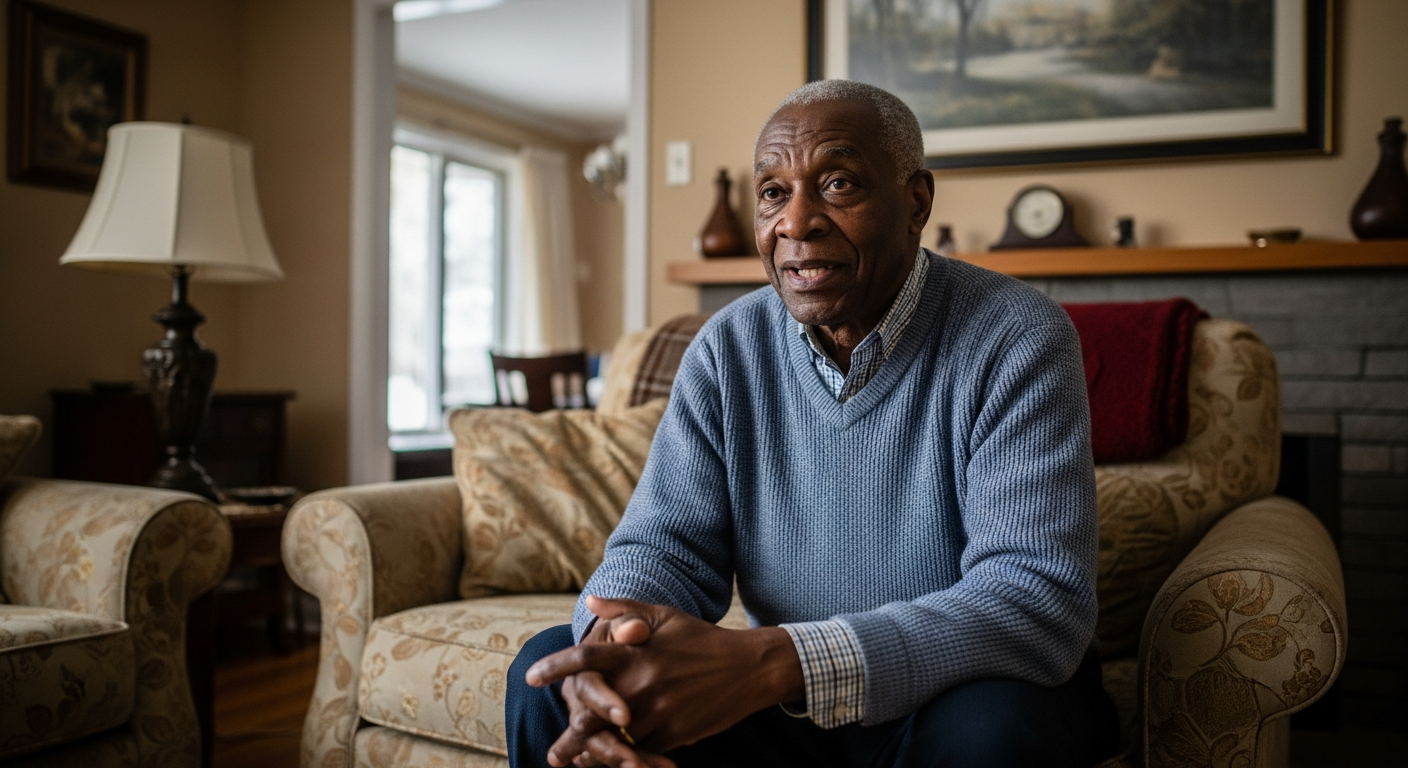
Rita, 81, Toronto, diverse ancestry:
Device-dependent scenario (without RM-funded backup):
- Rita wears fall detection device (brand popular with seniors); marketed as 99% accurate
- Device is trained primarily on lighter-skin-tone elderly; Rita's darker skin falls outside calibration range
- Rita falls in her bedroom; device misses fall due to bias in training data
- Device is "learning" but learns from her missed fall, reinforcing the bias
- Rita lies immobilized for 4 hours; caregiver daughter (who works) doesn't know
- Rita develops pressure ulcers, infection, hospital admission costs $15,000
- Device manufacturer: "The device performed as designed; not liable for algorithmic bias in training data"
Cost of algorithmic failure: $15,000 medical emergency + emotional trauma + lost trust in technology
With RM-funded oversight:
- Rita's device was audited; bias identified; daughter knows to expect potential failure
- In-person nurse visits 1x/week provide manual fall risk assessment
- Daily family check-in call confirms Rita is safe, ambulatory
- Week 2: Rita falls; device misses it (predicted failure); but nurse discovers fall during weekly visit
- Fall documented; device manufacturer notified; Rita gets immediate care
- Outcome: No hospital admission; algorithm bias caught and documented; manufacturer held accountable
Cost of oversight: $4,000 initial audit + $300/month monitoring = $7,600/year. Benefit: Prevented hospital admission ($15,000+), preserved dignity and safety.
Red Flags: Aging Parent Health Technology That Needs Oversight
| Red Flag | What It Means | Action |
|---|---|---|
| Device claims "99% accuracy" without specifying: "99% accurate for whom?" | Bias likely; accuracy may vary across populations | Demand demographic breakdown of accuracy; fund independent audit |
| Manufacturer refuses to release training data details | Cannot assess bias; cannot verify safety | Do not use device without independent expert review |
| No documented cases of device failure in medical literature | Device may be too new; insufficient real-world testing | Pair with human backup monitoring |
| Device marketed as "eliminates need for human monitoring" | Overconfidence in algorithm; unrealistic safety claims | Fund oversight layer; never rely on AI alone |
| Aging parent can't explain how device works or fails gracefully | She can't troubleshoot or know when algorithm is failing | Fund training and manual backup; device too complex |

How to Evaluate AI Health Device Safety
Before approving any smart health tech for aging parent:
- Ask manufacturer: "What is the demographic breakdown of your algorithm's accuracy? How was training data sourced? What is accuracy rate for [your parent's ethnicity/body type/conditions]?"
- Check FDA database: Search for device recalls, complaints about failure rates
- Review published research: Search PubMed for "device name + bias" or "device name + algorithm accuracy"
- Hire independent auditor (if device is critical to safety): $2,000–$5,000 expert review is worth the cost if it prevents $15,000+ medical emergency
- Plan human backup: Never deploy device without concurrent human verification layer
Reverse Mortgage Approval for AI Oversight
According to FSRAO and FCAC, reverse mortgages for "healthcare technology oversight, medical device management, and health safety systems" are approved uses. The funding supports your aging parent's health and safety—core reverse mortgage purpose.
Work with Rick Sekhon Reverse Mortgages to structure:
- One-time lump sum ($3,000–$5,000) for initial device audit
- Monthly line of credit draws ($300–$600/month) for ongoing monitoring/nursing backup
Frequently Asked Questions
Isn't all medical device software tested for safety before reaching patients?
Medical devices ARE tested, but testing doesn't specifically assess algorithmic bias across demographic populations. The FDA reviews functional safety (does the device detect falls?) but not fairness (does it detect falls equally across all skin tones?). Manufacturers often don't report accuracy breakdowns by race/ethnicity, so bias is invisible.
What if my aging parent loves her health tech device? Will an audit make her paranoid?
Frame it as: "Your device is great, AND I want to make sure it's working perfectly for you. Let's have an expert verify it's accurate for your specific body, skin tone, and health profile. That way we know it's 100% reliable." Most seniors appreciate the thoroughness; it increases trust, not decreases it.
Can I sue a device manufacturer if it fails due to algorithmic bias?
Manufacturers increasingly include liability waivers claiming "algorithm is not designed for specific populations and user assumes risk." However, if failure causes injury, you may have claims for:
- Negligent design (failing to test across demographics)
- False advertising (claiming accuracy without demographic qualification)
- Product liability (device failed to perform as marketed)
- Breach of consumer protection law (Ontario, FCAC)
A reverse mortgage can fund legal consultation about device failure liability.
Should I avoid all AI health devices? Are they worth the risk?
Not all AI devices are unsafe. The key: Transparency + backup + audit. Devices with:
- Published accuracy breakdowns by demographics
- Clear documentation of limitations
- Manufacturer accountability mechanisms
- Strong backup (human monitoring, manual verification)
Are reasonable. Devices with hidden algorithms, no demographic testing, and claims of 99% accuracy across all populations should be approached with skepticism.
What if the device fails and causes injury? Will my insurance cover it?
Homeowner's/health insurance may NOT cover harm from AI device failure, especially if you were told to trust the device as sole safety mechanism. This is another reason for RM-funded human oversight layer—it documents YOUR diligent care, not negligent reliance on technology.
Are there Ontario regulations about algorithmic bias in healthcare devices?
Limited. Canada is behind US/EU in algorithmic transparency requirements. NIST (US) has published guidance; Canada is developing standards. Until regulations are clear, you must advocate for your aging parent independently. Reverse mortgage funds that advocacy.
Key Takeaways
- Algorithmic bias in health devices is real and documented: Fall detectors fail 10–15% more often on darker skin; dosing algorithms underestimate for underrepresented populations; voice systems fail on accented speech.
- Manufacturers don't transparently test across demographics: Device claimed 99% accurate, but 99% accurate for whom? Testing across skin tones, body types, languages is not standard.
- Technology marketed as "safety" can fail silently: Your aging parent wears the device, trusts it, falls—and the algorithm misses it because bias was baked into training data.
- Human oversight layer prevents catastrophic failure: In-person nurse visits, daily check-ins, independent audits cost $500–$1,000/month but prevent $15,000+ hospital admissions from missed algorithmic failures.
- Reverse mortgage funds the oversight layer: Initial device audit ($3,000–$5,000) + ongoing human monitoring ($300–$600/month) are legitimate approved uses.
- Your aging parent's safety depends on YOU asking hard questions about device accuracy: "For whom is it 99% accurate?" If manufacturer won't answer, fund independent expert review before deployment.
Ready to Learn More?
Find out exactly how much you could unlock from your home — free and no obligation.
Related Articles
Reverse Mortgage When Aging Parent Wants to Financially Support Extended Family Members
Help your aging parent fund long-term financial support for siblings, nieces, nephews, or other extended family. Establish sustainable support without depleting retirement.
Read →Reverse Mortgage When Aging Parent Refuses to Acknowledge Cognitive Decline
Strategic funding for aging parents who deny memory loss. Get ahead of safety risks before forced decisions become necessary.
Read →Reverse Mortgage When Adult Child Discovers Aging Parent in Financial Relationship Imbalance
Address unequal financial dynamics in your aging parent's long-term partnership. Fund independence and financial autonomy without forcing a breakup.
Read →