
Reverse Mortgage for Water Heater Replacement: Maintaining Hot Water Reliability in Aging Homes
Fund water heater replacement with reverse mortgage. Aging water heaters fail suddenly; reverse mortgage ensures hot water without monthly debt payments.
A water heater failure at 2 AM with no hot water isn't just an inconvenience for seniors—it's a health and safety crisis. Seniors living alone cannot safely manage the stress of emergency repairs, replacement, or temporary cold-water living. Most water heaters last 10–12 years; if yours is older, failure is imminent. A reverse mortgage can fund this replacement before catastrophe strikes, keeping your aging-in-place plan intact.
Why Water Heater Replacement Is Unavoidable and Urgent
Water heaters don't gradually decline; they fail suddenly. One day you have hot water; the next day, the tank ruptures, leaks, or the heating element fails completely. For aging-in-place seniors, this creates an immediate crisis:
- No hot water for bathing (safety risk for balance and hygiene)
- Expensive emergency service calls ($200–$500 just for diagnosis)
- Rental water heaters ($20–$40/month while waiting for replacement)
- Potential water damage if the tank ruptures in your basement
A planned replacement costs $1,500–$3,500. An emergency replacement costs double—plus stress, inconvenience, and health risks.
"Water heater failures are the second most common home emergency requiring immediate replacement after HVAC systems. Most homeowners face replacement costs when they're least prepared financially or logistically." — CMHC Home Maintenance Guide 2025

"Water heaters are the second most common household emergency requiring immediate replacement, after HVAC systems. Most homeowners encounter replacement at the worst possible time." — CMHC Home Maintenance Guide 2025
When water heater failure happens to a senior, it's often when adult children are unavailable, contractors are booked weeks out, or the replacement becomes an unexpected financial crisis on a fixed income.
Water Heater Types and Replacement Costs in Ontario
Understanding your options helps you plan ahead. Different water heater types have different costs and lifespans.
| Water Heater Type | Installation Cost (Ontario) | Lifespan | Energy Efficiency | Monthly Cost | Best For |
|---|---|---|---|---|---|
| Traditional tank (40–50 gal) | $1,500–$2,500 | 10–12 years | Standard (60–70%) | $15–$25 | Most homes; proven reliability |
| High-efficiency tank | $2,000–$3,000 | 10–12 years | High (85%+) | $10–$15 | Seniors on fixed income wanting lower utility costs |
| Tankless/on-demand | $2,500–$4,500 | 15–20 years | Very high (90%+) | $8–$12 | Long-term aging-in-place (excellent for seniors planning to age at home 20+ years) |
| Heat pump water heater | $3,000–$4,500 | 12–15 years | Very high (85%+) | $8–$12 | Energy-conscious seniors with space for unit |
| Solar water heater | $3,500–$5,500 | 15–20 years | Highest (100% solar) | $3–$8 | Ontario homes with good southern exposure |
Most Ontario seniors choose a traditional tank or high-efficiency tank. Both are reliable and familiar; tankless systems cost more upfront but save money long-term for seniors committed to aging in place 15+ years.
Why a Reverse Mortgage Is Perfect for Water Heater Replacement
A reverse mortgage provides several advantages for managing this unavoidable cost:
1. Planned, not panicked. You replace the water heater on your schedule—before it fails. No 2 AM emergency calls to plumbers charging triple rates.
2. No monthly payments. Unlike a traditional loan, a reverse mortgage has zero monthly payments. Your cash flow remains exactly the same. The debt grows against your home equity, not your pension.
3. No income verification needed. CHIP, Equitable Bank, and Home Trust don't care if you're retired with a fixed income. They care about your home equity and age.
4. Flexibility in timing. A reverse mortgage line of credit lets you draw funds when you need them. Replace the water heater when it makes sense, not when a crisis forces the issue.
5. No impact on government benefits. CPP, OAS, and GIS are not affected by reverse mortgage proceeds.
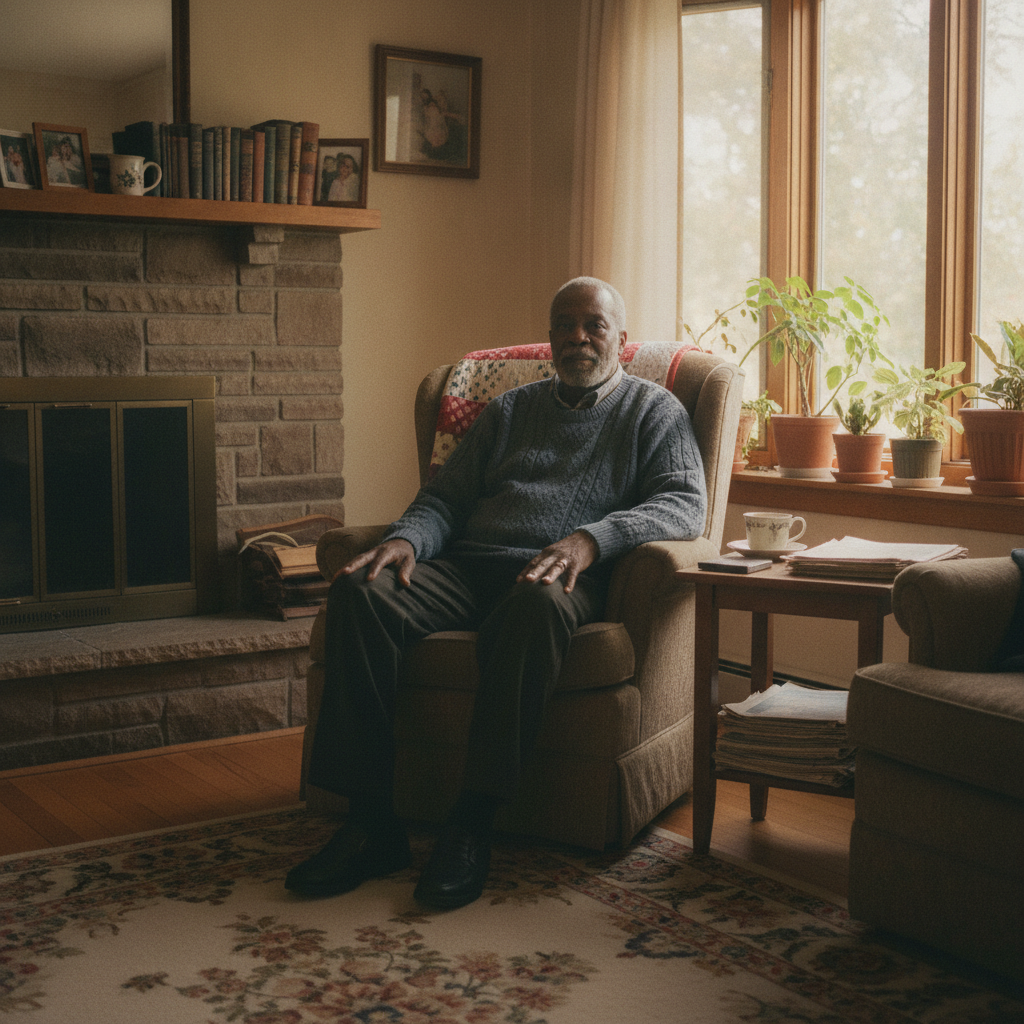
Real-World Scenario: How Reverse Mortgage Covers Water Heater Replacement
Tom, 72, lives in Hamilton, Ontario. His home is worth $480,000 with no mortgage. His water heater is 13 years old—well past its expected lifespan. He knows replacement is coming but hasn't saved specifically for this cost.
Tom qualifies for a reverse mortgage of about $170,000 (based on 55% of home value). He takes a lump sum of $2,500 for a high-efficiency water heater replacement. His monthly expenses don't change. He ages in place with the security of reliable hot water.
At age 75, if Tom ever needs to move to assisted living, the reverse mortgage is repaid from his home sale proceeds. If he stays in his home, the debt grows slowly, compounded at the reverse mortgage rate (currently 5–6% in Ontario).
Water Heater Replacement vs. Emergency Repair: The Math
Scenario A: Planned Replacement (Tom's approach)
- High-efficiency water heater: $2,500 installed
- Reverse mortgage funding: $0 monthly payment
- Total 5-year cost: $2,500
Scenario B: Emergency Replacement (Reacting to failure)
- Emergency service call: $300–$500
- Tank replacement (higher pressure under crisis): $3,500–$4,500
- Temporary heating (rental unit while waiting): $100–$200
- Total 5-year cost: $4,000–$5,500 plus stress, inconvenience, and potential water damage
The difference? $1,500–$3,000 in savings, plus peace of mind and continued independent living.
Planning Your Reverse Mortgage Draw for Water Heater Replacement
If you already have a reverse mortgage or are applying for one:
Step 1: Get a Home Inspection A professional home inspection (typically $300–$500) identifies your water heater's age and condition. This helps you prioritize the replacement before failure occurs.
Step 2: Decide on Tank Type For most aging-in-place seniors, a traditional or high-efficiency tank is the best choice. Tankless systems are excellent long-term but cost more upfront. Discuss options with your reverse mortgage lender.
Step 3: Request Quotations from 2–3 Licensed Plumbers Licensed plumbers in Ontario typically charge $1,500–$3,000 for installation, depending on complexity (basement accessibility, water line setup, permit requirements).
Step 4: Draw from Your Reverse Mortgage Once you have a firm quotation, draw the exact amount needed from your reverse mortgage line of credit or lump sum. Pay the contractor directly.

Critical Questions to Ask Before Water Heater Replacement
Is my current water heater safe to keep? If your water heater is 12+ years old, replacement is strongly recommended. Older tanks are more prone to leaks and rust, which contaminate water and create basement flooding risk.
Should I upgrade to a high-efficiency or tankless model? For seniors planning to age at home 10+ more years, a high-efficiency or tankless system saves money on utilities. But initial cost is higher. A reverse mortgage makes the upfront investment affordable.
How long will installation take? Most water heater replacements take 1–3 days, including permit inspection. Plan for temporary water heating or ask the plumber about temporary hot water solutions.
Will the replacement affect my home's resale value? Yes—positively. A new, efficient water heater is a major selling point for buyers. When you eventually downsize or move, the new water heater adds value.
Key Takeaways
- Water heaters fail suddenly, not gradually. At 10+ years, replacement is not a choice but an inevitability—plan ahead rather than react in crisis.
- Replacement costs $1,500–$4,500 depending on type, ranging from traditional tanks to high-efficiency or tankless systems. A reverse mortgage makes this a planned expense, not a financial shock.
- A reverse mortgage eliminates monthly payments while providing the funds needed immediately. Your retirement cash flow stays the same; the debt grows against your home equity.
- Planned replacement saves $1,500–$3,000 compared to emergency replacement, plus eliminates stress and health risks from temporary loss of hot water.
- High-efficiency or tankless systems pay for themselves in 5–10 years through lower utility costs, making them excellent long-term investments for seniors aging in place.
Frequently Asked Questions
How do I know if my water heater is failing soon?
Water heaters typically last 10–12 years. Check the nameplate on your unit for the manufacturing date. If it's older than 12 years, replacement is imminent. Other warning signs include rust stains, reduced hot water output, or leaking from the tank base. Have a licensed plumber inspect if you're unsure.
Is a tankless water heater better for aging seniors?
Tankless systems provide endless hot water and last longer (15–20 years). However, they cost more upfront ($2,500–$4,500) and require stronger natural gas lines or higher electrical capacity. For seniors planning to age in place long-term, the investment makes sense. For shorter-term planning, a high-efficiency tank is more practical.
Will the plumber install the water heater on the same day as removal?
Most installations take 1–3 days. The old unit is removed first; the new one is installed and tested. Plan for temporary hot water solutions or ask if the plumber offers water heating equipment rental during installation.
Can I DIY a water heater replacement?
No. Water heater installation involves plumbing, potentially electrical or gas work, and municipal permits in Ontario. DIY installation voids warranties, creates safety risks, and violates building codes. Always hire a licensed plumber.
What size water heater do I need?
For a senior living alone, a 40-gallon tank is usually sufficient. For couples or those with frequent guests, 50–75 gallons is better. Your plumber will help size based on your household's hot water usage.
Does FSRAO or FCAC have guidance on funding water heater replacement?
FSRAO (Financial Services Regulatory Authority of Ontario) and FCAC (Financial Consumer Agency of Canada) recommend planning for home maintenance costs, including water heater replacement. Both support reverse mortgages as a legitimate tool for aging-in-place seniors with home equity but limited liquid savings.
Aging in place securely means planning for inevitable home system failures before they become crises. A reverse mortgage transforms a potential emergency into a planned investment in continued independence. Speak with lenders like CHIP or Equitable Bank about drawing funds for water heater replacement as part of your comprehensive aging-in-place strategy.
Ready to Learn More?
Find out exactly how much you could unlock from your home — free and no obligation.
Related Articles
Reverse Mortgage for DEI Consulting Practice: Launching Diversity, Equity, and Inclusion Consulting in Retirement
Start a diversity and inclusion consulting practice. Help corporations and nonprofits build equitable cultures; reverse mortgage funds training, business setup, and market entry.
Read →Reverse Mortgage for Residential Sustainability Auditing Practice: Certifying Aging in Place
Launch a professional home energy and sustainability auditing business. Help Ontario homeowners certify efficiency; reverse mortgage funds training, tools, and market entry.
Read →Reverse Mortgage for Archival and Digital Preservation Consulting: Preserving Institutional History and Heritage
Launch archival consulting practice preserving records for institutions. Help libraries, archives, nonprofits; reverse mortgage funds training, tools, and market entry.
Read →