
Reverse Mortgage for Winterizing Your Home: Staying Warm in Ontario Winters
Discover how a reverse mortgage can fund essential home winterization upgrades to keep you warm, safe, and comfortable during Ontario winters.
"I'm 70 and dreading another brutal Ontario winter. My heating system is 20 years old, my basement leaks in spring, and my home isn't insulated properly. But I can't afford upgrades on a fixed income. Can a reverse mortgage help me winterize before it's too late?" Many Ontario seniors face this dilemma. A reverse mortgage can transform a cold, uncomfortable home into a warm, safe sanctuary — extending the years you can age in place.
This article is for educational purposes only and does not constitute financial advice.
The Winter Comfort Crisis for Ontario Seniors
Ontario winters are brutal. Seniors on fixed incomes face a cruel choice: heat the home or afford other necessities.
| Winter Challenge | Health Impact | Cost to Upgrade | Annual Cost to Manage |
|---|---|---|---|
| Inadequate insulation (walls, attic) | Cold home; increased illness risk | $5,000–$15,000 | $300–$800/year extra heating |
| Old furnace (20+ years) | Inefficient; breakdown risk; cold spots | $8,000–$12,000 | $400–$1,000/year extra fuel |
| Single-pane windows | Heat loss; drafts; condensation | $3,000–$8,000 per room | $200–$500/year per window |
| Uninsulated basement/crawlspace | Moisture, mold, cold floors | $2,000–$6,000 | $300–$600/year heating loss |
| Inadequate weatherstripping | Drafts around doors; cold entry areas | $500–$2,000 | $100–$300/year |
| Leaking roof | Water damage; mold; heating loss | $8,000–$15,000 | $1,000+/year in damage + heating |
| Frozen pipes risk (older homes) | Emergency plumbing; water damage | $10,000–$20,000 (prevention) | $2,000+/year if freeze occurs |
Total typical winterization cost for aging Ontario home: $15,000–$45,000
Annual ongoing heating/damage costs if NOT addressed: $2,000–$5,000+
A single reverse mortgage investment of $30,000 saves $3,000+/year in heating costs — paying for itself in 10 years while keeping you warmer and safer.
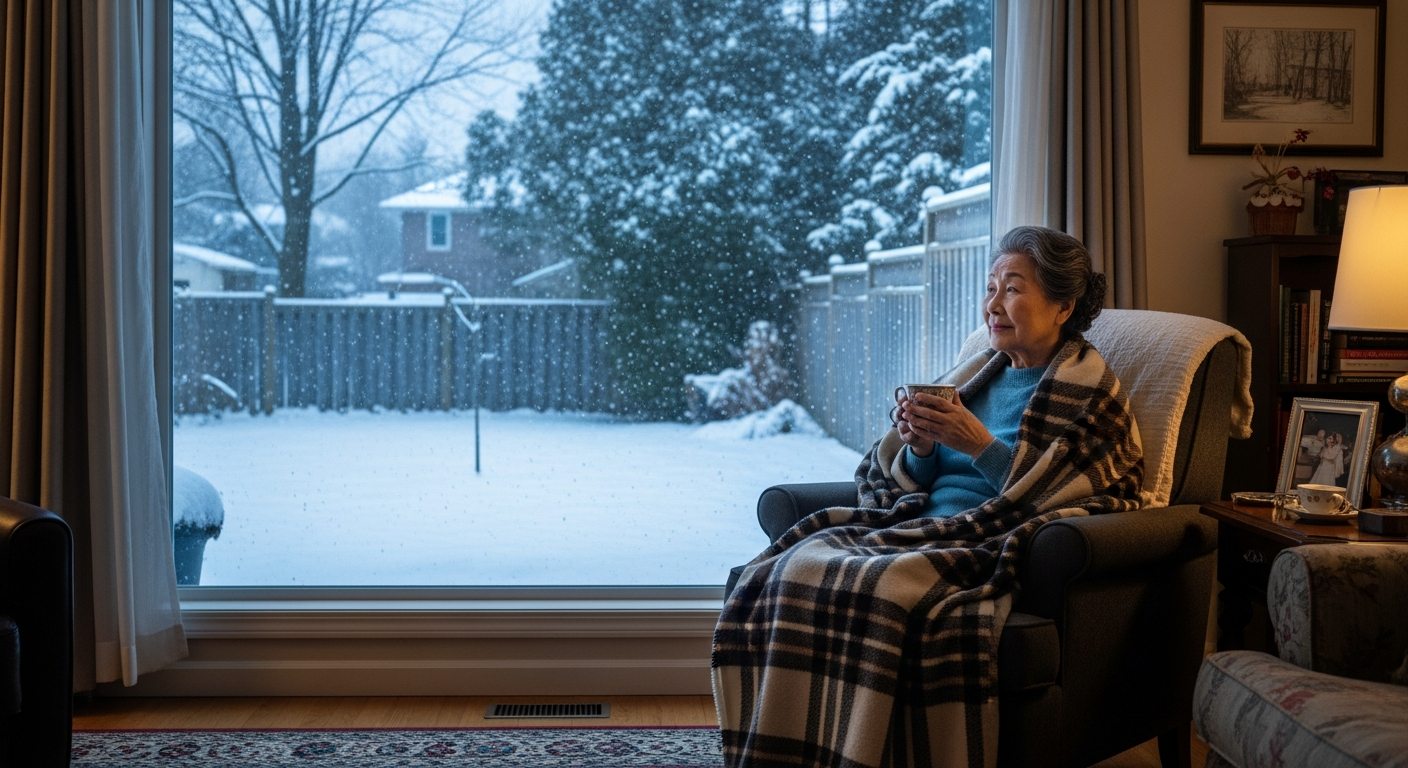
Why Winter Comfort Matters for Aging in Place
Inadequate home heating is directly linked to health crises in seniors:
- Hypothermia risk — Sustained cold in poorly heated homes, especially for seniors with reduced metabolism
- Cardiovascular stress — Cold triggers heart attacks and strokes
- Respiratory illness — Cold, damp homes worsen asthma, COPD, pneumonia risk
- Injury risk — Icy driveways, slippery floors from condensation; falls increase in winter
- Mental health — Seasonal depression worsens in cold, dark homes
- Medication effectiveness — Some seniors reduce medication in cold (dangerous)
According to Statistics Canada, seniors aged 65+ have 40% higher emergency hospital admissions during winter months, largely due to falls and cold-related illness in inadequately heated homes.
A properly winterized home is healthcare prevention. You stay healthier, avoid emergency room visits, and maintain independence longer.
Reverse Mortgage-Funded Winterization Projects
Here are the highest-priority projects Ontario seniors should address:
Priority 1: Heating System (Foundation)
Issue: Furnace is 15+ years old; inefficient; breakdown risk Upgrade: Modern high-efficiency furnace (AFUE 95%+) Cost: $8,000–$12,000 (including installation) Payback: 10–15 years through energy savings Health Impact: HIGH — consistent, reliable warmth prevents illness
Secondary Benefits:
- Quieter operation (less stress)
- Better humidity control (prevents mold)
- Smart thermostat compatibility (temperature control ease)
Priority 2: Insulation (Attic + Walls)
Issue: Attic is under-insulated (R-20 or less); heat escapes through roof Upgrade: Attic insulation to R-60 minimum Cost: $2,000–$4,000 (attic); $8,000–$15,000 (full wall) Payback: 7–10 years Health Impact: MEDIUM-HIGH — significant comfort improvement; reduced drafts
Why This Matters in Ontario: 30–40% of home heat loss escapes through the attic in winter. This single upgrade dramatically improves comfort and reduces heating costs.
Priority 3: Windows (Multi-Pane Replacement)
Issue: Single-pane or old double-pane windows; condensation; drafts Upgrade: Double or triple-pane, low-emissivity windows Cost: $400–$800 per window; full home $3,000–$8,000 Payback: 10–15 years Health Impact: MEDIUM — eliminates drafts; reduces interior condensation
Best Approach: Replace windows on north and west sides first (exposed to most wind/cold).
Priority 4: Basement/Crawlspace Sealing
Issue: Uninsulated basement; moisture intrusion; cold floors; mold risk Upgrade: Insulation, sealant, vapor barrier Cost: $2,000–$6,000 Payback: 8–12 years Health Impact: MEDIUM — reduces mold risk; warmer floors; fewer drafts
Priority 5: Weather Sealing (Doors, Vents, Gaps)
Issue: Air leaks around doors, windows, vents Upgrade: Weatherstripping, door sweeps, vent covers, caulking Cost: $500–$2,000 Payback: 2–3 years (fastest ROI!) Health Impact: MEDIUM — eliminates drafts; easier to control temperature
Priority 6: Roof Repairs (If Needed)
Issue: Roof is leaking; water damage; insulation is wet Upgrade: Roof replacement or major repairs Cost: $8,000–$15,000+ Payback: N/A (this is about preventing damage, not savings) Health Impact: HIGH — prevents water damage, mold, structural issues
Winterization Budget: Three Tiers
Budget Tier 1: Essential ($15,000–$20,000)
Minimum to stay safe and reasonably warm:
- Furnace maintenance/minor repair (if not needed yet)
- Attic insulation upgrade
- Weather sealing (doors, windows, vents)
- Basement sealant
Expected savings: $1,500–$2,000/year in heating costs
Budget Tier 2: Comfort ($25,000–$35,000)
Better warmth + modern convenience:
- New furnace (high-efficiency)
- Attic insulation + some wall insulation
- Key window replacements (north/west sides)
- Basement insulation
- Weather sealing throughout
Expected savings: $2,500–$3,500/year; much greater comfort
Budget Tier 3: Premium ($40,000–$50,000)
Full winterization for maximum comfort:
- New high-efficiency furnace
- Full attic + wall insulation
- All window replacements
- Basement finishing with insulation
- Roof repair/replacement (if needed)
- Smart home heating system
Expected savings: $3,500–$5,000/year; significant comfort and health gains
Case Study: David's Winterization
David, 74, lives in a 40-year-old Ontario home. He's on CPP ($22,000/year) and fights heating costs every winter.
Before Winterization:
- Heating bills: $4,500/year (highest in region)
- Home temperature: Varies 65–72°F depending on room
- Mold issues in basement
- Windows frost over regularly
- David wears layers indoors; dreads winter
Decision: David takes $30,000 reverse mortgage, invests in Tier 2 winterization
Winterization:
- New furnace: $10,000
- Attic insulation: $3,500
- Window replacement (6 key windows): $6,000
- Weather sealing + basement: $4,000
- Contingency: $6,500
After Winterization (One Year):
- Heating bills: $2,800/year ($1,700 savings)
- Home temperature: Consistent 70–72°F
- No mold; basement is dry
- Windows are clear; no frost
- David is comfortable; looking forward to winter
- Home value increased ~$15,000
Five-Year Result:
- Heating savings: $8,500 (5 years)
- Increased home value: $15,000
- Better health (fewer winter illnesses)
- Greater independence (can stay home longer)
Net benefit: David's investment essentially paid for itself through savings and home appreciation.

Maximizing Government Grants for Winterization
Ontario and Canada offer grants for home energy efficiency. Combine these with reverse mortgage funding:
| Grant | Amount | Eligibility | Application |
|---|---|---|---|
| Canada Greener Homes Grant | Up to $5,000 | Homeowner 55+; income-tested | Online application; retrofits must meet standards |
| Ontario Green Bank Finance | Up to $50,000 (loan) | All homeowners | Flexible terms; combined with grants |
| Retrofit for Resilience (Toronto) | Up to $5,000 | Toronto residents; income-tested | Weatherization + insulation projects |
| Federal Tax Credits | Up to $3,200/year | Homeowners; certain upgrades | Filed on income tax return |
Strategy: Use government grants first, then reverse mortgage funds fill the gap.
Example:
- Total winterization needed: $30,000
- Canada Greener Homes Grant: -$5,000
- Ontario Green Bank subsidy: -$3,000
- Reverse mortgage: $22,000
- Net cost to you: $22,000 (instead of $30,000)
Contact Rick Sekhon to discuss grant eligibility before finalizing your winterization plan.
Smart Technology: Winter Heating Optimization
When you winterize, install smart heating technology:
Smart Thermostat
- Learn your preferences and optimize heating schedule
- Remote control via phone
- Energy use reporting
- Integration with heating system
Cost: $300–$600; Savings: $200–$400/year
Programmable Zone Control
- Heat occupied rooms; reduce heat in unused spaces
- Customizable schedules (bedtime, away, home)
- Prevents wasting heat in empty rooms
Cost: $1,000–$2,000; Savings: $500–$800/year
Smart Ventilation Management
- Prevents heat loss through vents
- Humidity control (prevents mold)
- Integrates with insulation upgrades
Cost: $1,500–$2,500; Savings: $300–$500/year
Winterization Impact on Home Value and Resale
Winterization upgrades add significant resale value:
| Upgrade | Cost | Resale Value Added | Net Gain |
|---|---|---|---|
| Furnace replacement | $10,000 | $8,000–$10,000 | Break-even to +$2,000 |
| Insulation upgrade | $5,000 | $6,000–$8,000 | +$1,000–$3,000 |
| Window replacement | $6,000 | $5,000–$7,000 | -$1,000 to +$1,000 |
| Basement waterproofing | $3,000 | $4,000–$6,000 | +$1,000–$3,000 |
| Total winterization | $30,000 | $30,000–$40,000 | Break-even to +$10,000 |
Plus: Energy efficiency appeals to younger buyers, potentially speeding sale and increasing demand.
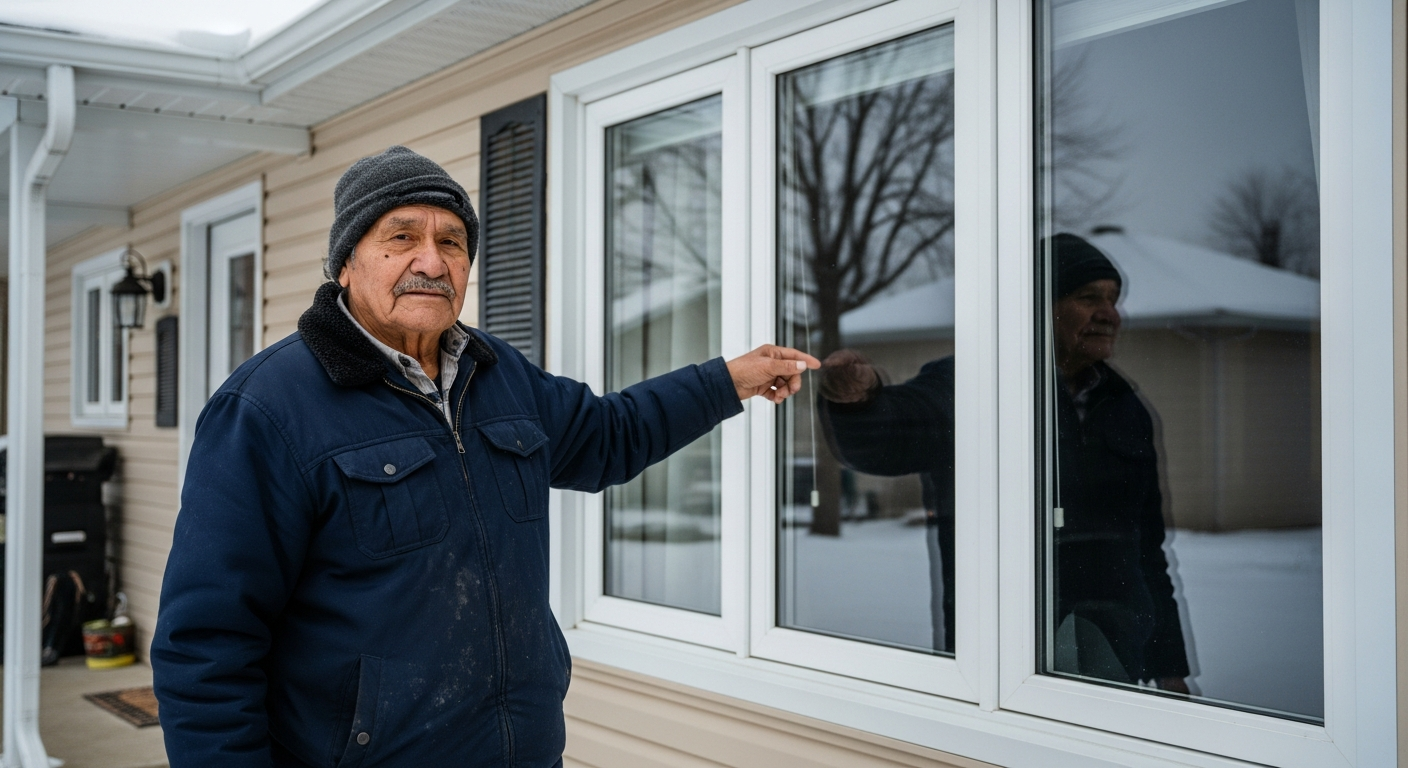
Financing Strategy: Reverse Mortgage + Grants + Savings
Recommended approach:
- Apply for government grants (Canada Greener Homes, Ontario programs)
- Use grant funds first (typically $5,000–$8,000)
- Use your own savings (if available) for the next $5,000–$10,000
- Use reverse mortgage for the remaining balance
This approach minimizes reverse mortgage debt while maximizing available resources.
Tax Deductions and Credit Implications
Good news: Home energy efficiency improvements may qualify for federal tax credits.
| Upgrade | Federal Credit | Ontario Tax Benefit |
|---|---|---|
| Furnace/boiler replacement | Up to $3,200 | Varies by region |
| Insulation (walls, attic) | Partial (bundled projects) | Varies |
| Window replacement | Varies | Varies |
| Weather sealing | Limited | Limited |
Speak with an accountant before winterization to confirm eligibility. These credits reduce your tax burden and offset some reverse mortgage costs.
Quick Reference
| Question | Answer |
|---|---|
| Can reverse mortgage funds be used for winterization? | Yes. There are no restrictions on how funds are used for home improvements. |
| What's the best winterization to prioritize? | Furnace (if old), then attic insulation, then windows. These have the highest impact. |
| Should I get grants first or take the reverse mortgage first? | Apply for grants simultaneously; use those funds first, then reverse mortgage for the gap. |
| How long until winterization pays for itself? | 5–10 years through reduced heating costs and home value appreciation. |
| Will winterization improve my home's resale value? | Yes, typically by 80–100% of the improvement cost. It's a sound investment. |
| Can I get a smaller reverse mortgage if I use government grants? | Yes. Grants reduce the amount you need to borrow, lowering reverse mortgage debt. |
| What if I only have $15,000 to spend? | Prioritize furnace maintenance/repair, attic insulation, weather sealing. These give the best comfort/savings ROI. |
Frequently Asked Questions
What if my home is already modern and well-insulated? Do I still need winterization?
If your home is in good condition, winterization may not be needed immediately. However, even modern homes benefit from window upgrades or smart heating systems. Have a professional energy audit done first; they'll identify specific gaps.
Should I winterize before or after getting a reverse mortgage?
Get a reverse mortgage first, then use the funds for winterization. This ensures you have adequate capital and can shop for the best contractors and materials.
Will winterization work if my home is very old (100+ years)?
Yes, but older homes may need specialized attention (heritage windows, plaster insulation, foundation work). Budget higher and hire contractors experienced with historic homes. The comfort and health gains are worth it.
What if I'm only planning to stay in my home 5 more years? Is winterization worth it?
Yes. You'll save $1,500–$2,500/year in heating costs; 5 years = $7,500–$12,500 in savings. You'll also enjoy greater comfort during those years. The investment pays off even on a shorter timeline.
Ontario winters are relentless. A cold, drafty home is not just uncomfortable — it's a health risk. A reverse mortgage lets you invest in winterization that keeps you warm, healthy, and independent. That's aging in place done right.
Speak with Rick Sekhon Reverse Mortgages about winterization planning. Get your free Ontario Reverse Mortgage Guide →
Ready to Learn More?
Find out exactly how much you could unlock from your home — free and no obligation.
Related Articles
Staying Comfortable Year-Round: Reverse Mortgage for Heating and Cooling in Ontario
Fund home heating, cooling, and HVAC upgrades for aging in place. Ontario winters and summers require reliable climate control—here's how to afford it.
Read →Reverse Mortgage for Climate Resilience and Severe Weather Home Upgrades
Use a reverse mortgage to fund climate-resilient home upgrades in Ontario — sump pumps, backup power, storm hardening, and flood protection.
Read →Reverse Mortgage for Home Renovations: Aging in Place Guide for Ontario Seniors
Learn how to use a reverse mortgage to fund home renovations and modifications that let you age in place safely and comfortably in your Ontario home. Includes cost examples and step-by-step process.
Read →