
Reverse Mortgage for Well and Septic System Upgrade: Rural Ontario Water Infrastructure
Fund well and septic repairs in rural Ontario using reverse mortgage. Essential water system maintenance for aging in place.
If your rural Ontario home's well or septic system fails, can you afford the emergency replacement? These systems can cost $12,000–$35,000 to repair or replace — and failure forces immediate action. A reverse mortgage provides rural homeowners with equity-based funding that prevents financial catastrophe and keeps you in your home.
Rural retirees often have lower liquid savings than urban peers. When a well pump fails or septic field fails, there's no "wait and save" option — you need water and working plumbing now. A reverse mortgage converts home equity into immediate infrastructure funding without selling the property.
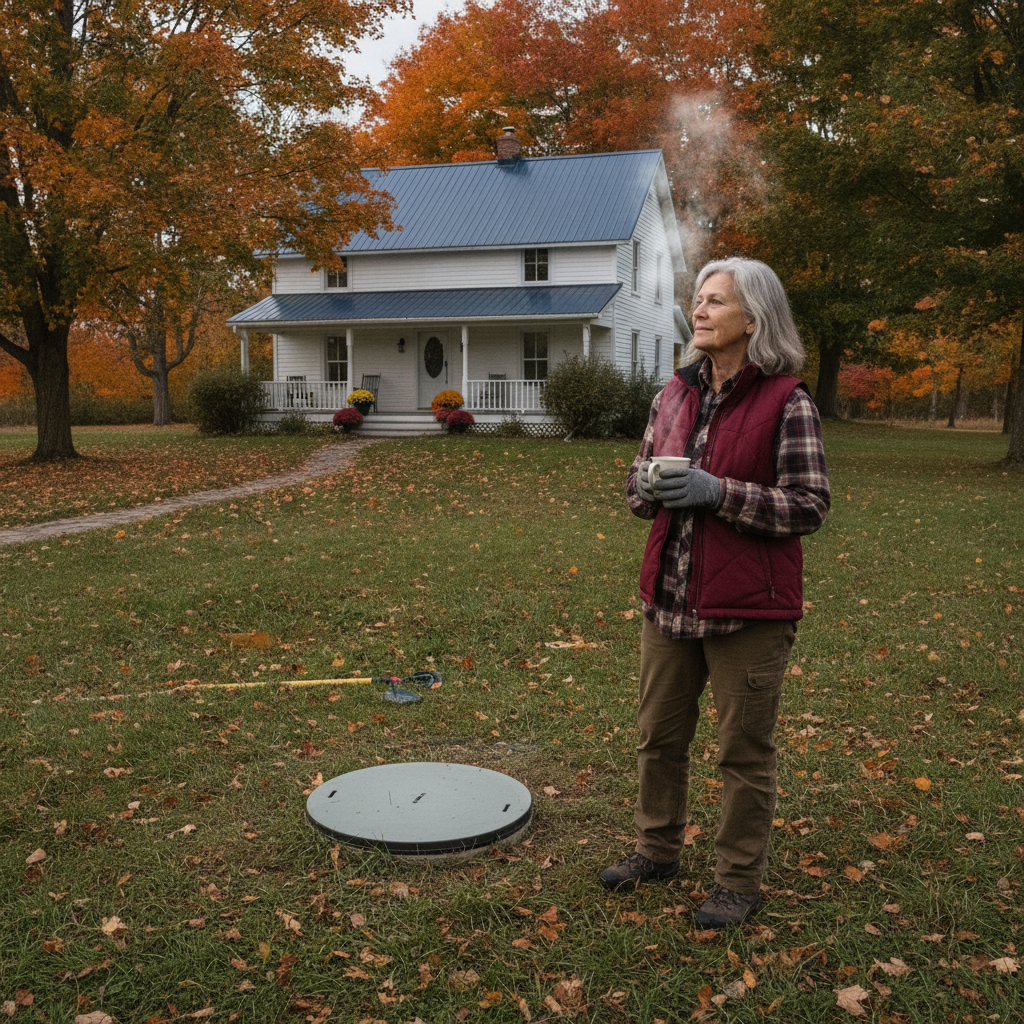
The Hidden Cost of Rural Water Systems
Rural properties often have older wells and septic systems installed 30–50 years ago. These systems age out around the same time retirees want to age in place at home.
Typical Rural Water System Costs in Ontario
| System | Repair Cost | Replacement Cost | Lifespan |
|---|---|---|---|
| Well pump replacement | $2,500–$5,000 | N/A | 10–15 years |
| Well pressure tank | $1,500–$3,000 | N/A | 15–20 years |
| Well water treatment (iron/bacteria) | $2,000–$8,000 | N/A | Ongoing |
| Septic tank inspection/pumping | $300–$600 | N/A | Every 3–5 years |
| Septic tank repair | $3,000–$8,000 | N/A | Variable |
| Septic drain field replacement | $8,000–$25,000 | $12,000–$35,000 | 20–30 years |
| Complete well system replacement | N/A | $8,000–$15,000 | One-time |
According to Ontario Ministry of Environment, rural septic systems are the responsibility of the homeowner and must meet current standards. Failure to maintain systems can result in orders to cease use until fixed.
Why These Costs Explode
Rural water infrastructure failures compound quickly:
- Testing mandatory — Well must be tested before repair ($200–$500)
- Soil evaluation required — Septic drain field replacement demands soil testing ($500–$1,500)
- Professional installation only — DIY not permitted by Ontario regulations ($5,000–$12,000 labor alone)
- Emergency premium — Contractors charge 30–50% more for urgent calls
- Full system upgrades — Replacing one component often requires upgrading whole system to current code
How Reverse Mortgage Solves Rural Water Emergencies
Alex, 71, in Muskoka (Aging in Place persona):
- Rural property valued at $520,000 with well and septic
- Fixed pension: $2,400/month
- Savings: $8,000
- Well pump fails suddenly — $4,200 immediate replacement needed
Without reverse mortgage:
- Emergency savings cover $4,200 pump, but now he's broke
- Septic system still aging — another $15,000 failure imminent
- Cannot sleep at night worrying about next failure
- Forced to sell property or move to town house despite loving rural life
With reverse mortgage:
- Borrows $20,000 against home equity (proactive replacement of aging well AND septic inspection)
- Fixes well pump today ($4,200)
- Budgets for preventive septic assessment ($500)
- Reserves remaining $15,300 for septic replacement when needed
- Stays in beloved rural home with financial security
- Interest only on borrowed amount (~$1,100/year at 5.5%)
Reverse Mortgage vs. Other Rural Water Funding Options
| Funding Source | Available Amount | Speed | Interest Cost | Monthly Payment |
|---|---|---|---|---|
| Credit card | $5,000–$15,000 | Instant | 21% = $2,100–$3,150/year | Minimum ~$150–$300 |
| Personal loan | $5,000–$30,000 | 1–2 weeks | 8% = $400–$2,400/year | Fixed $200–$400 |
| Home equity line of credit | Up to 80% equity | 2–4 weeks | Prime + 1% = 8.5% = $400–$2,550/year | Interest-only, variable |
| Reverse mortgage | 50–65% equity | 3–4 weeks | 5–6.5% = $250–$1,560/year | Zero monthly payments |
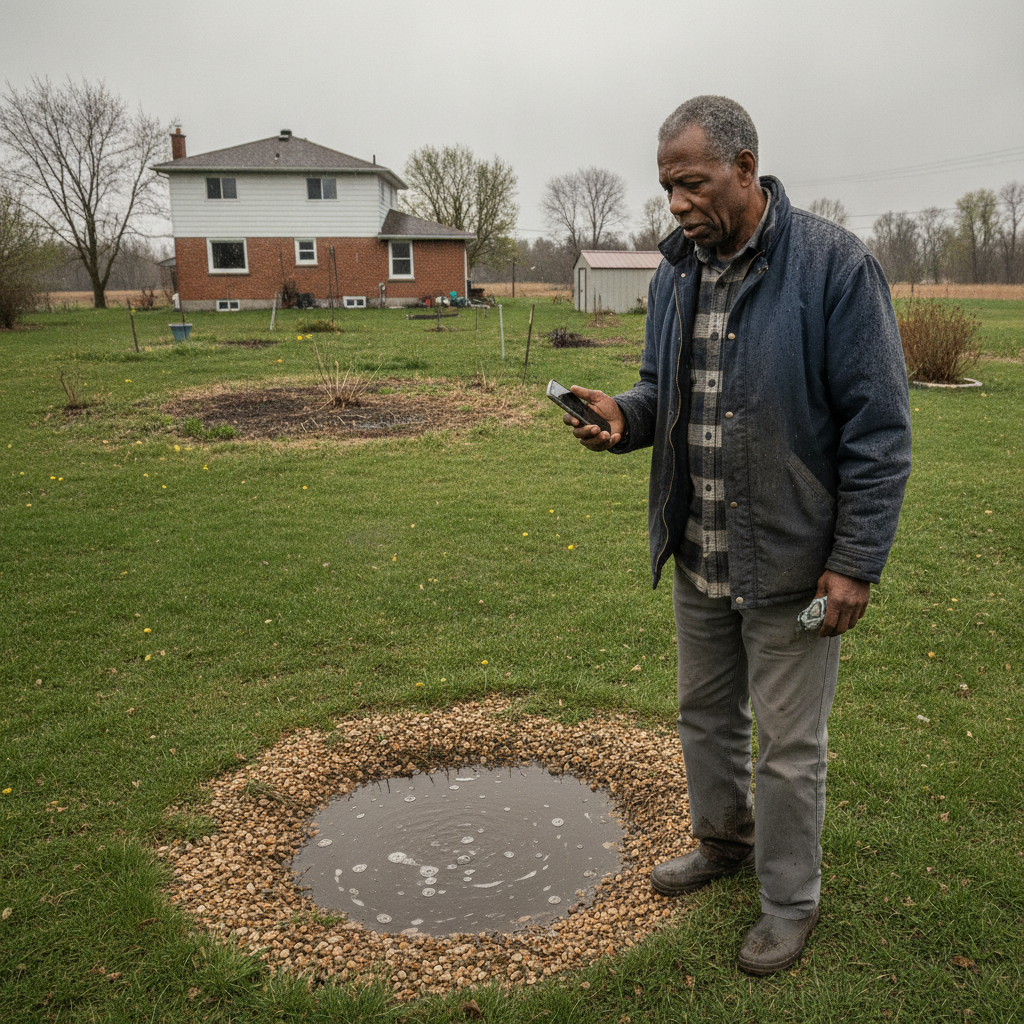
Water Quality Issues That Trigger Replacement
Beyond aging systems, rural Ontario faces specific water challenges:
| Issue | Cause | Cost to Fix | Why Reverse Mortgage Helps |
|---|---|---|---|
| High iron content | Natural groundwater | $3,000–$8,000 treatment system | Age-related mineral increases |
| Coliform/bacteria | Septic contamination of well | $2,000–$6,000 UV/filtration system | Cannot delay — health risk |
| Hard water | Mineral deposits | $1,500–$4,000 softening system | Aging pipes worsen problem |
| Low water pressure | Aging pump or well depth | $2,500–$6,000 pump/tank upgrade | Existing system no longer adequate |
| Drain field saturation | Septic failure | $12,000–$35,000 full replacement | Environmental hazard — must fix |
According to Health Canada, rural well water must meet drinking water standards. Failed wells or septic contamination forces immediate action — property becomes uninhabitable if not fixed.
How to Access Reverse Mortgage for Rural Water Systems
Step 1: Get Home Inspected
Before approaching a lender, have a professional well/septic assessment:
- Well inspection: $200–$400
- Septic assessment: $300–$600
- Water testing: $100–$250
- Total: ~$600–$1,250
This shows lenders you understand your infrastructure status and aren't borrowing blindly.
Step 2: Get Reverse Mortgage Quote
Contact Rick Sekhon, reverse mortgage specialist, with inspection results. Ask about:
- Borrowing capacity (typically 50–65% of home value for rural properties)
- Interest rates from lenders like CHIP, HomeEquity Bank, and Equitable Bank
- Whether to borrow lump sum (known cost) or line of credit (flexible access)
Step 3: Choose Strategic Borrowing
Lump Sum approach: Best if you know exact costs (inspection shows drain field is definitely failing)
- Borrow $25,000 all at once
- Complete both pump and septic simultaneously
- Avoid future emergency scenarios
Line of Credit approach: Best if you're uncertain (well is OK but aging)
- Activate $30,000 line of credit
- Borrow $5,000 for pump maintenance now
- Keep $25,000 available if drain field fails next year
Step 4: Complete System Upgrade
Once funds arrive, hire licensed contractors:
- Well system: Licensed well contractor (required in Ontario)
- Septic system: Licensed septic installer (required in Ontario)
- Get permits and inspections (Ontario Health required for septic)
Key Takeaways
- Rural water system failures cost $8,000–$35,000 and require immediate action — no "wait and save" option
- Reverse mortgages fund emergency replacement without forced home sale or retirement savings depletion
- No monthly payments — interest compounds but you control repayment timing
- Preventive borrowing (fixing aging systems before failure) saves money compared to emergency repairs
- Property value protection — maintained water systems keep property marketable if you ever choose to sell
- Aging in place security — fixed water systems mean you can safely stay in rural home
Frequently Asked Questions
Can a lender require septic/well repair before approving a reverse mortgage on rural property?
Some lenders have environmental standards. If the property is deemed uninhabitable (well non-functional or septic completely failed), they may require repair before closing. Get assessment done early and request pre-approval contingent on repairs.
What if my well goes bad after I get the reverse mortgage?
The borrowed funds remain yours. If you have a line of credit, draw additional funds for the replacement. If you already borrowed a lump sum and spent it, contact the lender about accessing remaining equity (if available).
Are there grants for rural water system upgrades in Ontario?
Limited. Some agricultural conservation authorities offer grants for agricultural wells, but rural residential wells rarely qualify for government support. This makes reverse mortgages particularly valuable for rural homeowners.
How does a septic system failure affect property value?
Significantly — unfixable septic systems can render properties unsalable. A reverse mortgage prevents this by funding necessary repairs, protecting your estate's value for heirs.
Should I borrow for preventive replacement or wait for failure?
Preventive replacement is almost always cheaper. A failing drain field requires emergency calls (30–50% premium), rushed contractors, and potential damage to remaining systems. Borrowing $20,000 now to replace an aging system costs less than emergency $35,000 replacement in crisis mode.
Can I use reverse mortgage funds for water treatment systems (filtration, softening)?
Yes, though these are typically lower priority. Water quality improvements ($2,000–$8,000) are reasonable uses after essential system repairs are funded.
Ready to Learn More?
Find out exactly how much you could unlock from your home — free and no obligation.
Related Articles
Environmental Remediation: Funding Contamination Cleanup with Reverse Mortgage
Discover how Ontario homeowners can fund environmental remediation, soil testing, and contamination cleanup costs using reverse mortgage capital.
Read →Reverse Mortgage for Home Renovations: Aging in Place Guide for Ontario Seniors
Learn how to use a reverse mortgage to fund home renovations and modifications that let you age in place safely and comfortably in your Ontario home. Includes cost examples and step-by-step process.
Read →Aging in Place with a Reverse Mortgage: Home Modification Guide
How Ontario seniors can fund aging-in-place home modifications with a reverse mortgage — costs, top modifications, grants, and a complete planning guide.
Read →