
Using a Reverse Mortgage to Fund Retirement Travel in Canada
Can you use a reverse mortgage to fund retirement travel in Canada? Learn how snowbirds and retirees access home equity for travel without monthly payments.
"We worked for 35 years, paid off the house, and now we can't afford to go anywhere." It is a frustration Rick Sekhon hears regularly from Ontario retirees who are asset-rich but cash-poor. Their home is worth $600,000, $800,000, or more — but their monthly pension and government benefits barely cover the basics, let alone the travel they dreamed of during all those working years. A reverse mortgage can turn that locked-up equity into the retirement travel fund you never had.
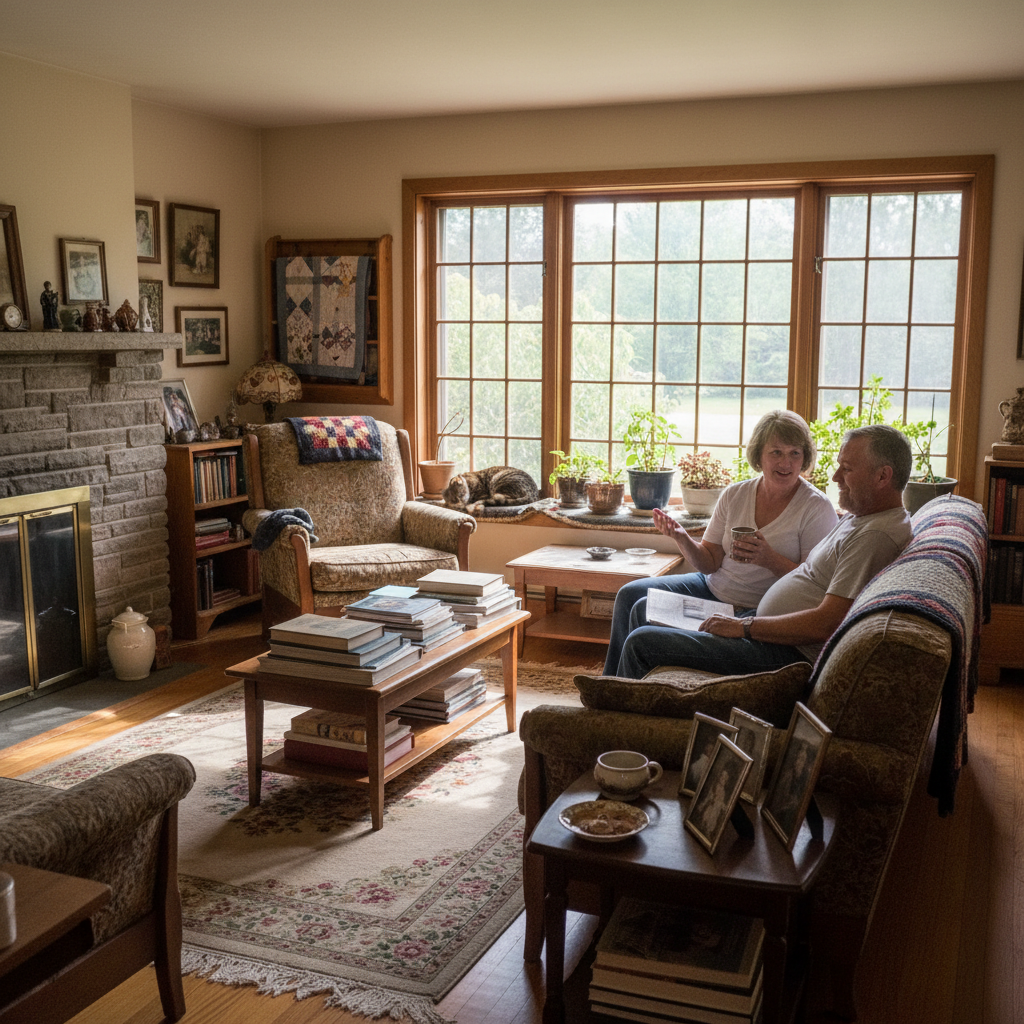
This guide explores how Canadian retirees are using reverse mortgages to fund everything from extended snowbird winters in Florida to bucket-list trips abroad — and what you need to know about costs, residency rules, and making the numbers work.
Why Retirement Travel Is More Than a Luxury
Travel in retirement is not frivolous. Research consistently shows that active, engaged retirees who travel regularly report higher life satisfaction, better physical health, and stronger cognitive function. Yet for many Canadian seniors, travel is the first line item cut from the budget when fixed income meets rising costs.
| Retirement Expense Category | Average Monthly Cost (Ontario, 2026) | Priority Level |
|---|---|---|
| Housing (property tax, insurance, maintenance) | $800–$1,500 | Essential |
| Food and household | $600–$900 | Essential |
| Utilities and communication | $300–$500 | Essential |
| Transportation | $400–$700 | Essential |
| Healthcare and medications | $200–$600 | Essential |
| Travel and leisure | $0–$500 | Often cut first |
| Gifts and charitable giving | $100–$300 | Often cut |
When CPP, OAS, and a modest pension total $2,500–$3,500 per month, there is simply nothing left for travel after essentials are covered. The irony is that many of these same retirees sit on hundreds of thousands of dollars in home equity that they cannot access through traditional means without selling.
According to Statistics Canada, Canadian seniors aged 65–74 spent an average of $2,200 per year on travel in 2023 — but this average masks a significant gap between those with robust pensions and those on fixed government benefits alone.
How Retirees Use Reverse Mortgages for Travel
There are no restrictions on how you use reverse mortgage proceeds. HomeEquity Bank (CHIP), Equitable Bank, Bloom Financial, and Home Trust all disburse funds without conditions on spending. Many Ontario retirees use their funds specifically for travel in several ways:
The Snowbird Fund
The most common travel use is funding a snowbird lifestyle — spending 3–5 months in a warmer climate during Ontario's winter. Typical costs include:
| Snowbird Expense | Annual Cost Estimate |
|---|---|
| Seasonal rental (Florida/Arizona, 3–4 months) | $8,000–$18,000 |
| Travel insurance (age 65–75) | $1,500–$4,000 |
| Flights (2 return trips) | $800–$2,000 |
| Vehicle costs (U.S. car or rental) | $2,000–$5,000 |
| Daily living expenses (above Ontario baseline) | $3,000–$6,000 |
| Total annual snowbird cost | $15,300–$35,000 |
A reverse mortgage lump sum of $150,000–$250,000 can fund a snowbird lifestyle for 5–15 years, depending on spending levels. For a comprehensive guide to the snowbird rules and requirements, see our dedicated reverse mortgage for snowbirds guide.
The Bucket-List Trip
Some retirees do not want annual travel — they want one or two significant trips they have always dreamed of. A river cruise through Europe, a month in Australia visiting family, an African safari. These trips typically cost $10,000–$30,000 per person and are simply out of reach on a fixed government income.
A reverse mortgage draw of $20,000–$60,000 can fund these once-in-a-lifetime experiences. The interest cost over time is real (discussed below), but for many seniors, the trade-off between equity and experience is one they make gladly.
The Regular Travel Budget
Other retirees use a reverse mortgage to create a modest but consistent annual travel budget — $5,000–$10,000 per year for domestic trips, visits to family across Canada, or short warm-weather vacations. Over 10–15 years, this adds up to $50,000–$150,000 in travel spending funded by home equity.
The Cost of Travel Funding: Interest Projections

Every dollar you draw from a reverse mortgage accrues compound interest. Understanding this cost is essential to making an informed decision.
Lump Sum for Travel: Interest Cost Over Time
| Amount Drawn | Rate | Balance After 5 Years | Balance After 10 Years | Balance After 15 Years |
|---|---|---|---|---|
| $50,000 | 6.99% | ~$70,700 | ~$100,000 | ~$141,400 |
| $100,000 | 6.99% | ~$141,400 | ~$200,000 | ~$282,700 |
| $150,000 | 6.99% | ~$212,100 | ~$299,900 | ~$424,100 |
| $200,000 | 6.99% | ~$282,700 | ~$399,900 | ~$565,500 |
Rates are illustrative. Actual rates vary by lender and borrower profile.
A $50,000 travel fund drawn at age 68 would grow to approximately $100,000 by age 78 and $141,400 by age 83. Is the cost worth it? That depends entirely on how you value the experience versus the equity.
Rick Sekhon often frames it this way: "If your home is worth $700,000 and you draw $50,000 for travel, and the balance grows to $141,000 over 15 years — your home has likely appreciated to $900,000+ in that same period. You have funded 15 years of travel and still have significant equity remaining."
The Appreciation Offset
Ontario home values have historically appreciated at 3–5% annually over the long term. This appreciation often offsets or even exceeds the interest accruing on the reverse mortgage balance.
| Year | Home Value (3.5% annual growth) | Reverse Mortgage Balance ($100K at 6.99%) | Net Equity |
|---|---|---|---|
| 0 | $700,000 | $100,000 | $600,000 |
| 5 | $831,000 | $141,400 | $689,600 |
| 10 | $987,000 | $200,000 | $787,000 |
| 15 | $1,172,000 | $282,700 | $889,300 |
In this scenario, net equity actually increases over time despite the reverse mortgage — because the home appreciates faster than the loan balance grows. This is not guaranteed (real estate values can stagnate or decline), but it illustrates why a reverse mortgage for travel is not the equity-destroying decision some people fear.
For detailed interest projections, see our compound interest projections guide.
The Principal Residence Rule: You Must Still Live in Canada
This is the most important rule for travellers with a reverse mortgage: your Ontario home must remain your principal residence. Every reverse mortgage lender in Canada requires this, and violating it can trigger a demand for full repayment.
The 183-Day Rule
You must spend at least 183 days per year (6 months and 1 day) living in your Ontario home. This means your total travel — whether to one destination or multiple — cannot exceed approximately 182 days in any calendar year.
| Travel Duration | Within Rules? | Notes |
|---|---|---|
| 3 months in Florida (Jan–Mar) | ✓ Yes | Well within 182-day limit |
| 4 months snowbird + 2-week summer trip | ✓ Yes | Total ~130 days away |
| 5 months snowbird + 1-month Europe trip | ✓ Yes | Total ~182 days — at the limit |
| 6 months in Portugal + 2 weeks elsewhere | ✗ No | Exceeds 182 days |
| Year-round travel with occasional Ontario visits | ✗ No | Ontario is no longer principal residence |
The CRA also monitors residency for tax purposes. If you spend more than 182 days outside Canada, you may trigger non-resident tax status, which has far-reaching implications beyond your reverse mortgage — including loss of OHIP coverage and potential impacts on OAS and GIS.
According to the Canada Revenue Agency, residential ties — including maintaining a home, having a spouse or dependants in Canada, and having personal property and social ties — determine tax residency. Your reverse mortgage home is one of your strongest residential ties.
Travel Insurance Considerations
Extended travel requires travel health insurance, and costs increase significantly with age. This is an often-overlooked expense that should be factored into your travel budget:
| Age Range | Approximate Annual Travel Insurance (4-month trip) |
|---|---|
| 55–64 | $800–$2,000 |
| 65–74 | $1,500–$4,000 |
| 75–84 | $3,000–$8,000 |
| 85+ | $5,000–$15,000+ (if available) |
Pre-existing medical conditions can increase premiums further or result in exclusions. Rick Sekhon advises clients to obtain travel insurance quotes before committing to a travel budget, as the insurance cost can significantly affect the total amount needed.
Making the Numbers Work: A Planning Framework
Here is a practical framework for deciding how much to draw for retirement travel:
Step 1: Define Your Travel Goals
Be specific. "We want to travel" is not a plan. "We want to spend January through March in Florida for the next 10 years and take one European trip" is a plan you can budget for.
Step 2: Calculate Total Travel Budget
| Travel Goal | Annual Cost | Years | Total Budget |
|---|---|---|---|
| Florida snowbird (3 months) | $18,000 | 10 | $180,000 |
| European bucket-list trip | $25,000 | 1 | $25,000 |
| Annual domestic trips | $4,000 | 10 | $40,000 |
| Travel insurance | $3,000 | 10 | $30,000 |
| Total | $275,000 |
Step 3: Determine Available Equity
Work with Rick Sekhon to determine your borrowing limit. Remember, you may not want to use the entire available amount for travel — you should reserve some capacity for emergencies, healthcare costs, or home maintenance.
Step 4: Consider Staged Draws
Rather than drawing $275,000 on day one (and paying interest on the full amount immediately), consider drawing funds in annual or semi-annual stages. This approach significantly reduces total interest cost:
| Strategy | Total Drawn Over 10 Years | Estimated Interest Cost Over 10 Years |
|---|---|---|
| Full lump sum of $275,000 on day one | $275,000 | ~$245,000 |
| Annual draws of $27,500 for 10 years | $275,000 | ~$120,000 |
The staged approach saves approximately $125,000 in interest over 10 years. This is a substantial difference that should inform your draw strategy. The trade-off is that staged draws require returning to the lender periodically — but this is straightforward with most providers.
What About Your Heirs?
One common concern is the impact on inheritance. Travel funded by a reverse mortgage reduces the equity your children or heirs will eventually receive. This is a legitimate consideration that deserves honest conversation.
Rick Sekhon encourages families to discuss this openly. Many adult children express support for their parents enjoying retirement travel, especially when they understand the numbers. A $100,000 reverse mortgage draw on a $700,000 home still leaves substantial equity — and the home's appreciation may offset the balance growth entirely.
For more on how reverse mortgages affect inheritance, see our inheritance guide and our guide for adult children.
As regulated by OSFI, all reverse mortgage lenders in Canada include a no-negative-equity guarantee, meaning you (or your heirs) will never owe more than the home is worth when it is sold. This provides a floor on the worst-case inheritance scenario.
Alternatives to Consider
Before committing to a reverse mortgage for travel, consider whether other options might work:
✓ TFSA withdrawals — tax-free and benefit-preserving, just like a reverse mortgage. If you have TFSA savings, use them first. ✓ Non-registered savings — taxable but may be more appropriate for smaller travel budgets. ✓ Downsizing — selling your home and using the proceeds for both housing and travel. See our reverse mortgage vs downsizing guide.
✗ HELOC — requires monthly payments, which defeats the purpose for fixed-income retirees. ✗ Credit cards — high interest rates make this an expensive and risky option. ✗ Borrowing from family — can create relationship strain and is not always available.
The Financial Consumer Agency of Canada (FCAC) recommends that seniors explore all available options and seek independent advice before accessing home equity for discretionary spending. This is sound advice — a reverse mortgage is a powerful tool, but it should be part of a considered plan.
Frequently Asked Questions
Can I use reverse mortgage funds for any type of travel?
Yes. There are absolutely no restrictions on how you spend reverse mortgage proceeds. You can use them for snowbird living, cruise vacations, visiting family abroad, RV travel across Canada, or any other travel purpose.
Do I need to tell my lender I am travelling?
For short trips (under 60 days), notification is generally not required. For seasonal absences like snowbird travel, most lenders expect written notification. See our snowbird guide for lender-specific notification requirements.
What happens if I decide to move abroad permanently?
If you permanently leave your Ontario home, the reverse mortgage becomes due and payable — typically within 6–12 months. The home would be sold and the reverse mortgage balance repaid from the proceeds. You would receive any remaining equity. Permanently relocating abroad is not compatible with maintaining a reverse mortgage.
Is it irresponsible to use home equity for travel?
This is a personal values question, not a financial one. From a strictly financial perspective, if you have significant home equity, limited other assets, and a strong desire to travel, a reverse mortgage is one of the most tax-efficient and flexible ways to fund it. The key is to borrow intentionally and understand the long-term cost.
Can I make interest payments to reduce the balance while I travel?
Yes. Most lenders — including HomeEquity Bank and Equitable Bank — allow voluntary interest-only or partial interest payments at any time. If you have some months where travel expenses are lower, making a voluntary payment can slow the balance growth.
How much of my home equity should I use for travel versus other needs?
Rick Sekhon typically recommends reserving at least 30–40% of your available reverse mortgage limit for non-travel needs — emergencies, healthcare, home repairs. This ensures you have a financial cushion beyond your travel fund.
Ready to fund the retirement travel you deserve?
Get your free Ontario Reverse Mortgage Guide →
This content is for illustrative purposes only. Rates may vary. Call Rick Sekhon for the best rates and more information.
Ready to Learn More?
Find out exactly how much you could unlock from your home — free and no obligation.
Related Articles
Reverse Mortgage for Snowbirds: Keep Your Home
Can Canadian snowbirds get a reverse mortgage? Learn the principal residence rules, lender requirements, and how reverse mortgage snowbirds Canada policies work in 2026.
Read →Reverse Mortgage Pros and Cons in Canada: Updated 2026 Guide
Honest, balanced guide to Canadian reverse mortgage advantages and disadvantages in 2026. Real numbers, real trade-offs, and a clear framework for your decision.
Read →How to Supplement CPP and OAS with a Reverse Mortgage in Canada
Ontario retirees: learn how a reverse mortgage creates tax-free income to supplement CPP and OAS without triggering clawbacks or affecting GIS eligibility.
Read →