
Reverse Mortgage for Income Bridge When Spousal Pension Ends After Separation
Sudden income loss after divorce or separation ends spousal pension. Reverse mortgage strategy for managing financial shock from relationship breakdown.
You've been married for 30+ years. Your spouse worked in a unionized job with a strong pension. You relied on that security for retirement planning. Now you're separated or divorced — and your spouse's pension dies with the marriage. The spousal pension benefit you counted on disappears overnight. How do you bridge the sudden income loss? For couples in their 60s–70s, losing a spousal pension at separation is a financial shock that feels impossible to overcome.
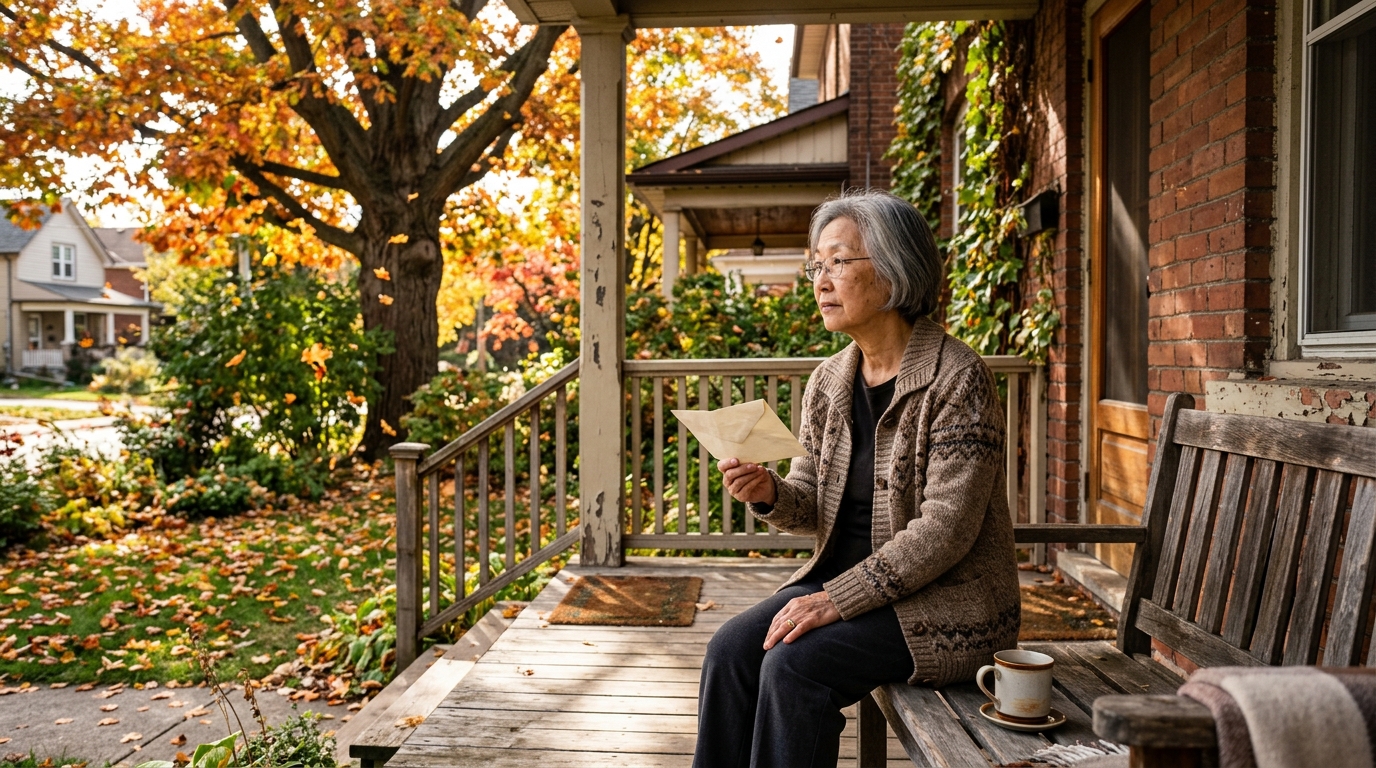
A reverse mortgage can bridge the income gap when a spousal pension ends due to separation or divorce, providing financial stability while you adjust retirement planning and rebuild income security. This isn't about continuing the marriage — it's about protecting your housing and financial stability in the aftermath.
The Spousal Pension Crisis: How Much Income Is Lost?
In Ontario marriages, spousal pension benefits are significant:
Typical scenario (30+ year marriage):
- Spouse had unionized job with defined-benefit pension
- Monthly pension: $3,000–$4,500 (after 30+ year career)
- Spousal portion included in household budget: $1,500–$2,500/month
- Your own income (if any): CPP, OAS, modest savings (~$1,000–$2,000/month)
After separation/divorce:
- Spouse's pension continues (for themselves)
- Spousal/survivor benefit is typically eliminated
- Income loss: $1,500–$2,500/month ($18,000–$30,000/year)
- Your household income drops from ~$4,000–$5,000/month to ~$1,500–$2,500/month
The crisis: This income loss can make housing unaffordable, force downsizing, or require moving to long-term care.
Pension Division vs. Survivor Benefit: The Divorce Complexity
Before divorce: Spousal/survivor benefits protect both partners
After divorce in Ontario:
| Pension Aspect | During Marriage | After Divorce |
|---|---|---|
| Spouse's pension balance | Divided between spouses (through QDRO) | Each has own share; lives on their share only |
| Survivor benefit | You get survivor pension if spouse dies first | Eliminated; no survivor benefit post-divorce |
| Spousal pension income | You may receive part of monthly payment | Stops entirely; pension goes only to retired spouse |
| Life insurance protection | Often built into pension | Lost at divorce; must arrange separately |
| Your income security | Spousal benefit is backup | You must rely on own income + CPP/OAS only |
The problem: A spouse's defined-benefit pension looks like shared security. After divorce, it's not.
Case Study: Patricia & Michael, Married 35 Years, Now Separated
Patricia (68) and Michael (70) were married 35 years. Michael worked for a utility company with a strong pension. Patricia stayed home, raised kids, did part-time work (never accumulating significant pension).
During marriage (2010–2024):
- Michael's pension: $4,200/month (defined-benefit, indexed to inflation)
- Patricia's portion (spousal supplement): $1,500/month
- Patricia's CPP (modest): $800/month
- Patricia's OAS: $700/month
- Total household income: ~$4,500/month ($54,000/year)
After separation (2024 onward):
- Michael's pension: Still $4,200/month (it goes to him entirely)
- Patricia's spousal supplement: ELIMINATED
- Patricia's CPP: $800/month (unchanged)
- Patricia's OAS: $700/month
- Patricia's actual income: $1,500/month ($18,000/year)
- Income loss: $3,000/month ($36,000/year)
The housing crisis:
- Toronto home worth $650,000 (small mortgage remaining from HELOC used years ago)
- Mortgage payment: $1,200/month
- Property tax + utilities + insurance: $800/month
- Monthly housing costs: $2,000/month
- Patricia's income: $1,500/month
- Monthly shortfall: $500/month ($6,000/year)
Without intervention: Patricia faces forced downsizing or move to long-term care housing (institutional solution to financial problem).
Patricia's solution: Reverse mortgage
- Approve reverse mortgage: $150,000
- Draw $500/month (~$6,000/year) to bridge housing cost gap
- Result: Housing remains affordable; Patricia can age in place
- After CPP/OAS increase at age 70–72: can reduce or stop reverse mortgage draws
Income Bridge Timeline: From Separation to Stability
Most separated spouses go through a predictable progression:
| Phase | Timeframe | Income Status | Reverse Mortgage Role |
|---|---|---|---|
| Crisis (immediate) | Month 1–3 | Spousal benefit ends suddenly; major shock | Emergency bridge; assess true income needs |
| Adjustment (short-term) | Month 3–12 | CPP/OAS claims being processed; may increase soon | Continue modest draws; plan future reduction |
| Stabilization (medium-term) | Month 12–24 | CPP/OAS fully in place; possible employment return | Evaluate if draws can stop or reduce |
| Recovery (long-term) | Year 2+ | Income stabilized; possibly increased from deferred CPP claims | Begin reverse mortgage repayment if desired |
Reality: Most separated spouses in their mid-60s–70s use a reverse mortgage for 12–36 months while they rebuild, then either repay or continue indefinitely.
Pension Division in Ontario Divorce
In Ontario, pensions are matrimonial property:
Equalization process:
- Both spouses' pensions are valued at separation/divorce
- The value is divided (typically 50/50 if marriage is long)
- How it works: Spouse can take their share as:
- Own retirement fund (LIRA — locked-in retirement account) — receives defined amount from pension, builds own retirement income
- Share of pension payments — receives portion of monthly payments (uncommon; complex)
- Settlement credit — receives other assets to equalize the pension difference
Problem: Most separated spouses receive a LIRA (locked-in) account with their share of the pension value, but it's insufficient to replace the monthly spousal benefit they lost.
Example:
- Marital home value: $650,000
- Michael's pension value at separation: $400,000
- Patricia's 50% equalization share: $200,000
- Patricia receives: $200,000 in LIRA account
- Michael keeps: His monthly $4,200 pension for life
The math: Patricia's $200,000 LIRA can generate ~$600–$800/month income (if drawn as annuity over 25 years). But she lost $1,500/month from spousal benefit. Net loss: $700–$900/month.
A reverse mortgage bridges this gap efficiently.
Reverse Mortgage vs. Other Solutions for Post-Separation Income Loss
| Solution | Speed | Cost | Conditions | Best For |
|---|---|---|---|---|
| Reverse mortgage | 3–4 weeks | 5.5%–6.5% interest | Non-taxable funds; age 55+ | Home-rich, income-poor separated spouses |
| Downsize/sell home | 2–6 months | Realtor fees (5%) + moving costs | Requires moving; emotionally difficult | Those willing/able to relocate |
| Work longer/return to work | Immediate (if job available) | Personal effort | Requires health + job market | Younger separated spouses (60–65) |
| LIRA/RRSP withdrawal | Immediate | ~30% tax on withdrawal | High tax cost; permanent income loss | Last resort; not recommended |
| Spousal support court order | 3–12 months (legal process) | Lawyer fees ($2K–$5K+); uncertain outcome | Spouse must have capacity to pay | If ex-spouse has significantly higher income |
| Government benefits optimization | Varies | $0 | CPP deferral to 70, OAS planning | Lower-income separated spouses |
Reality: Reverse mortgage is fastest and cleanest for separated homeowners aged 65+.
According to Statistics Canada, divorce after age 55 ("grey divorce") is increasing 2–3% annually. Spousal pension loss is among the top financial shocks for separated women aged 60–75. A reverse mortgage bridges this gap while other income sources stabilize.
Reverse Mortgage Strategy for Post-Separation Income Bridge
Phase 1: Divorce Finalized & Settlement Clear (Month 1–3)
- Settlement agreement specifies pension division
- Your LIRA or pension share is now in place
- You understand your true monthly income (CPP, OAS, LIRA/pension income)
- Calculate shortfall: What income gap exists if you want to keep your home?
Phase 2: Reverse Mortgage Application (Month 4–6)
- Apply for reverse mortgage; approve process takes 3–4 weeks
- Specify modest draw amount (just enough to bridge gap, not excessive)
- Set up line-of-credit structure (can adjust monthly draws as needed)
- Timeline goal: Funded before CPP/OAS decision deadline (age 60–65)
Phase 3: Income Bridge Phase (Month 6–36)
- Draw $500–$1,500/month from reverse mortgage (as needed)
- CPP/OAS claims processed; income increases gradually
- At age 70–72: CPP and OAS may be significantly higher if deferred
- Evaluate reducing or stopping reverse mortgage draws
Phase 4: Recovery & Repayment (Year 3+)
- If income has stabilized: consider repaying reverse mortgage from accumulated savings
- If income remains modest: continue indefinite reverse mortgage, plan estate repayment
- Home equity remains asset for you and eventually your heirs
This structure treats the reverse mortgage as a temporary bridge (2–3 years) while you stabilize financially.
CPP Deferral Strategy for Separated Spouses
Critical decision: When to claim CPP after divorce?
| Claiming Age | Monthly CPP (assuming $1,500/month at 65) | Lifetime Total (to age 90) | Advantage |
|---|---|---|---|
| 60 | ~$960/month | ~$360,000 | Earlier access; higher total if you die early |
| 65 | $1,500/month | ~$375,000 | Standard; break-even around age 78 |
| 70 | $2,100/month | ~$420,000 | 42% higher; best if live past 80 |
Strategy for separated spouses: If you have a reverse mortgage bridge, delay CPP to 70. This gives you:
- 5 extra years of higher income when you claim
- 42% permanent increase in monthly benefit
- Better security if you live to 85+
The reverse mortgage funds the gap from 60–70. Then CPP kicks in at maximum benefit. That's optimal.
Key Takeaways
✓ Spousal pension benefits END at divorce — this is a shock; plan for it ✓ Income loss is typically $1,500–$2,500/month — major financial impact ✓ Reverse mortgage bridges the gap efficiently — 3–4 week funding; no monthly payments ✓ CPP deferral to 70 is ideal — if reverse mortgage sustains you until then ✓ Downsizing is alternative but emotionally difficult — keep home if possible ✓ Pension division gives you lump sum (LIRA), not monthly income — different thing
Frequently Asked Questions
Can I force my ex-spouse to continue spousal support to replace the pension benefit?
Maybe. If your ex-spouse has significantly higher income and the divorce settlement didn't account for pension benefit loss, you might seek spousal support through court. However, this is complex, uncertain, and costly (lawyer fees $3K–$8K+). It's faster to use a reverse mortgage and skip the legal battle.
Will getting a reverse mortgage affect my spousal support claim or divorce settlement?
Not directly. Reverse mortgage funds are home equity conversion, not income. They shouldn't affect spousal support negotiations (which are based on income). However, if you're in active divorce negotiations, consult your lawyer before taking a reverse mortgage — how it affects settlement is jurisdiction-specific.
What if I'm still married but considering divorce — should I apply for a reverse mortgage now?
Consult a family lawyer first. Reverse mortgage taken before divorce becomes part of matrimonial property in Ontario. It could complicate settlement. Wait until after divorce is finalized, then apply for reverse mortgage. The 3–4 week approval timeline is fast enough to handle this after divorce.
Should I downsize instead of using a reverse mortgage?
That's a personal choice. Downsizing eliminates the reverse mortgage entirely but requires selling (realtor fees ~5%), moving, and often leaving your community. If you want to stay in your home, reverse mortgage is better. If you're ready to move, downsizing may be simpler.
Can I repay the reverse mortgage if my income improves later?
Yes. If CPP/OAS increase at age 70+ or you return to part-time work, you can make voluntary repayments to reduce the reverse mortgage balance. There's typically no penalty for early repayment. Discuss repayment options with Rick Sekhon Reverse Mortgages.
What happens to the reverse mortgage if I remarry?
The reverse mortgage remains your obligation. If you remarry, the new spouse is not legally liable for the reverse mortgage (unless they co-sign, which typically doesn't happen). It remains registered against your home; repayment comes from your estate if you pass, or from you/your spouse if you sell.
Ready to Learn More?
Find out exactly how much you could unlock from your home — free and no obligation.
Related Articles
Reverse Mortgage When Spouse Dies: Managing Income Crisis and Family Reorganization
Spouse's death creates sudden income loss and housing reorganization needs. Reverse mortgage bridges crisis for surviving spouse and adult children in Ontario.
Read →Reverse Mortgage After Divorce: A Guide for Seniors
Navigate reverse mortgages after divorce, including property division, sole ownership, and financial planning for separated seniors.
Read →How Reverse Mortgages Interact with Spousal Support Obligations
Can a reverse mortgage affect alimony or spousal support obligations? Legal implications for separated or divorced retirees in Ontario.
Read →