
Reverse Mortgage for Retirement Community Independent Living: Not Nursing Care
Fund a move to a retirement community with independent living services without selling your home—use a reverse mortgage to access equity for the transition costs.
What's the difference between downsizing, assisted living, and independent retirement communities? Many Ontario seniors conflate "moving to a retirement facility" with "losing your home." But independent retirement communities are fundamentally different—they offer amenities, services, and social engagement WITHOUT medical care. A reverse mortgage lets you access your home's equity to fund this transition while keeping your original home as an asset or investment.
This article is for educational purposes only and does not constitute financial advice.
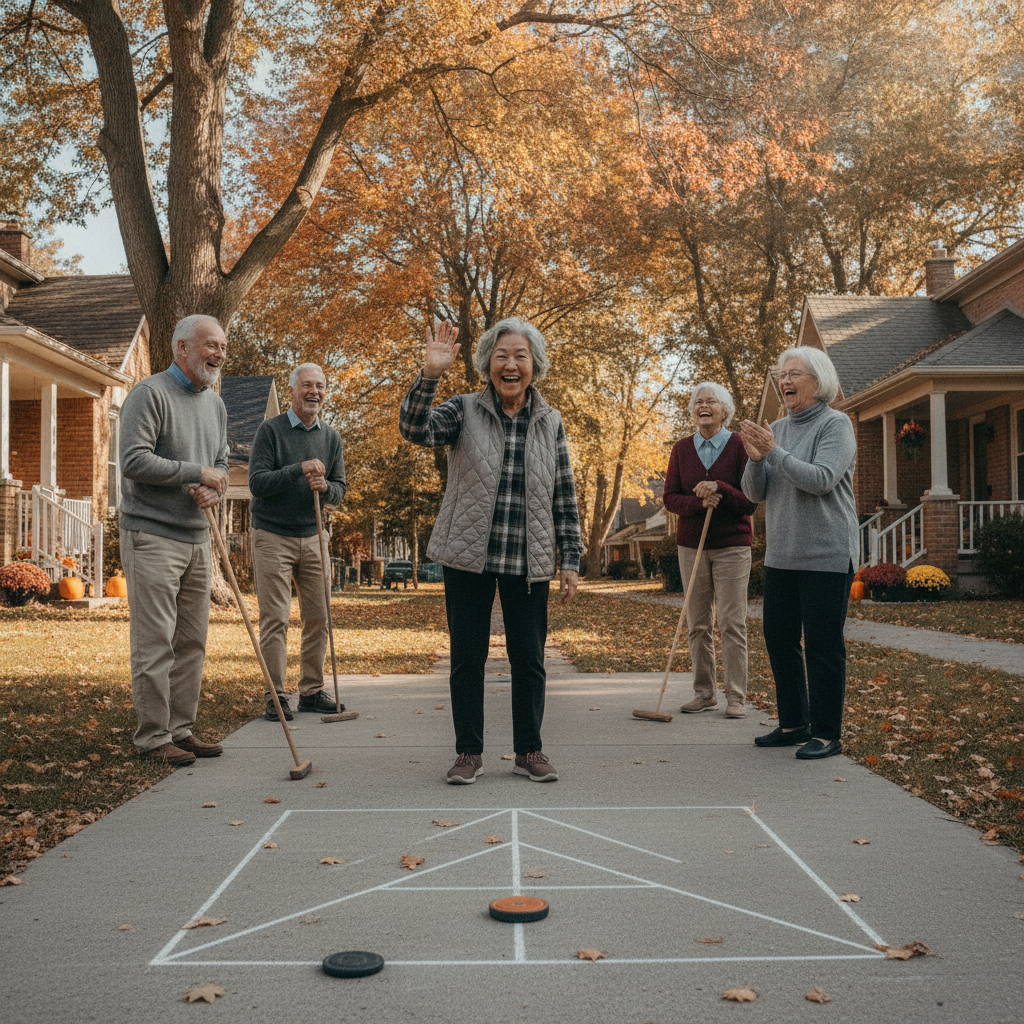
Understanding Retirement Community Models in Ontario
Before exploring reverse mortgage funding, it's essential to understand the distinctions:
| Model | Level of Care | Medical Support | Housing Type | Cost | When to Consider |
|---|---|---|---|---|---|
| Stay at Home | Independent | None; you arrange | Own home | $1,500-$3,000/mo (utilities, maintenance) | Healthy, mobile, family support |
| Independent Retirement Community | Independent | Meal plans, social, basic safety | Apartment/townhouse on-site | $2,500-$5,000/mo | Active, social, want amenities, minimal care needs |
| Assisted Living | Partial | Personal care, medication admin | Private/shared room | $4,000-$7,000/mo | Mild mobility/cognitive decline, need daily support |
| Long-Term Care (Nursing Home) | Full medical | 24/7 nursing, medical care | Shared room | $2,500-$4,500/mo (often government-subsidized) | Advanced dementia, significant medical needs |
Independent retirement communities are the sweet spot many Ontario seniors overlook. They offer:
- Chef-prepared meals (3-5/day options)
- Housekeeping and laundry services
- Social activities and entertainment
- Security and emergency response systems
- Fitness facilities and wellness programs
- Transportation services
- NO medical staff (unless you arrange private care)
Cost range in Ontario: $2,500-$5,500/month depending on location and amenities.
Why Seniors Resist the Move (And How a Reverse Mortgage Helps)
Common objections:
-
"I can't afford to move—my money is in my home."
- Solution: Reverse mortgage funds the transition without selling
-
"I'll lose my home; I'm just renting an apartment."
- Clarification: You can KEEP your home as an asset while living in the community; your children inherit it
-
"It's too expensive—why not stay home?"
- Reality check: Staying home alone with no services often costs MORE (home care, utilities, maintenance, isolation)
-
"Once I leave, I can never go back."
- False: Many seniors live in independent communities part-time or return home if circumstances change
The Reverse Mortgage Strategy for Retirement Community Living
Phase 1: Fund the Entry Cost
Independent retirement communities typically require:
- Entry fee (non-refundable): $20,000-$75,000
- Deposits and prepayment: 1-3 months rent upfront ($5,000-$15,000)
- One-time setup: Furnishing, moving costs, mailings ($3,000-$8,000)
Total transition cost: $28,000-$98,000 upfront
Phase 2: Cover the Monthly Shortfall
If your retirement income doesn't cover the monthly cost:
- Monthly retirement income: $3,200 (CPP + OAS)
- Retirement community cost: $3,500/month
- Gap: $300/month × 12 = $3,600/year
Reverse mortgage bridge: Draw $3,600/year (or $30,000 upfront as emergency buffer)
Phase 3: Maintain Home Ownership (Optional)
Key question: Do you want to KEEP your original home?
Option A: Keep home; rent it out
- Use reverse mortgage to fund community move
- Rent your house (generates income, covers reverse mortgage interest)
- Children inherit both: the house + the reverse mortgage debt (minimal, covered by rental income)
- Requires property management; not suitable for everyone
Option B: Keep home; leave it empty
- Use reverse mortgage for community + maintenance costs
- Home appreciates over time
- Children inherit free-and-clear home (after reverse mortgage is paid from estate)
- Costs: property taxes, home insurance, maintenance ($5,000-$8,000/year)
Option C: Sell home; use proceeds
- Downsize completely; use reverse mortgage as BRIDGE while selling
- Simplest option; no future home maintenance burden
- Popular among seniors seeking complete lifestyle transition
Real-World Example: Dorothy's Independent Living Move
Dorothy, age 78, in Toronto:
- Home value: $750,000 (purchased 1996, paid off)
- Retirement income: CPP $18,000 + OAS $7,500 = $25,500/year ($2,125/month)
- Living situation: Widowed, living alone, 2 adult children
- Health: Mobile, sharp, occasional arthritis; no cognitive decline
- Desire: Move to independent retirement community (has visited several friends there)
The problem:
Independent community in her neighborhood costs $4,200/month (meals, housekeeping, social activities). Her income covers only half. She's reluctant to sell the house—children have emotional attachment.
The reverse mortgage solution:
-
Get reverse mortgage: Age 78, home value $750,000, available: ~$337,500 (45% at age 78)
-
Fund the move:
- Entry fee: $50,000
- Moving & setup: $5,000
- Subtotal: $55,000
-
Cover the gap:
- Monthly shortfall: $4,200 - $2,125 = $2,075/month
- Drawdown: $24,900/year
- 10-year reserve: $249,000
-
Total needed: $55,000 + $249,000 = $304,000
- Available: $337,500
- Dorothy draws: $304,000
- Remaining available: $33,500 (safety buffer)
-
Costs to Dorothy:
- Interest @ 7%: ~$21,280/year on $304,000
- Home remains in her name; appreciates
- At age 88, home worth ~$1.1M, reverse mortgage balance ~$610,000 (conservative estimate)
- Children inherit: $1.1M home - $610K mortgage = $490,000 equity
Alternative benefit: If Dorothy decides retirement community isn't for her, she can return home anytime. The reverse mortgage funded her exploration without forcing a sale.
Addressing Common Concerns
Does Moving to a Retirement Community Affect OAS or GIS?
No. OAS and GIS are based on age and income, not residency. Moving from your home to a retirement community doesn't trigger any government benefits changes. However, if you generate rental income from your old home, that DOES affect income-tested benefits. Consult a tax professional.
According to the Canadian Government's Service Canada, residential location does not affect Old Age Security or Guaranteed Income Supplement eligibility. Only income changes matter.
What If I Need to Move to Assisted Living Later?
Independent → Assisted Living transition is smooth:
- Most retirement communities have assisted living wings; you can upgrade in place
- If you need to move to a different facility, your reverse mortgage stays on your home (doesn't follow you)
- Your home continues appreciating; your estate benefits
- This is the intended progression: independent → assisted → long-term care, if health declines
Can My Adult Children Visit Easily?
Yes. Unlike nursing homes, independent retirement communities welcome family visits freely. Many have:
- Guest suites for overnight visits
- Dining options for visitors
- Family events and open-house days
- Easy access policies (no scheduled visiting hours)
What If My Spouse and I Disagree About Moving?
This is common. One spouse may be ready for community living; the other wants to stay home. Options:
- Compromise: One spouse moves to the community; one stays home (costly but happens)
- Delay: Wait until both are ready (risk: health declines before decision)
- Trial basis: Visit a community for a month; stay in the guest suite to experience it
- Financial incentive: Frame the reverse mortgage as enabling a lifestyle upgrade, not a sacrifice
Key Takeaways
✓ Independent retirement communities are NOT nursing homes—they're active lifestyle communities for mobile seniors seeking amenities and social engagement.
✓ Entry costs ($28,000-$98,000) are one-time; a reverse mortgage can cover this upfront without selling your home.
✓ Monthly shortfalls can be funded through strategic reverse mortgage draws matched to your actual retirement income gap.
✓ You can keep your original home as an asset, rent it out, or leave it to heirs—the reverse mortgage doesn't prevent any of these options.
✓ The transition is reversible; if you change your mind, you can return home without penalty.
Frequently Asked Questions
Are independent retirement communities affordable for average Ontario seniors?
Yes, but it depends on your income and assets. Communities range from $2,500-$5,500/month. If you have $2,000-$2,500/month income and $500,000+ in home equity, a reverse mortgage can bridge the gap comfortably.
Do I lose my government benefits if I move to a retirement community?
No. OAS, GIS, and CPP are unaffected by residential location. Only income matters. If you rent out your old home, that income does affect GIS (if you're low-income), so plan accordingly.
What happens to my reverse mortgage if I move to assisted living later?
The reverse mortgage stays attached to your home. If the home remains your principal residence, it continues appreciated tax-free in Canada. The mortgage is repaid when the home is sold or from your estate.
Can both spouses be on the reverse mortgage?
Yes. Both spouses can be borrowers. Both must be age 55+. This protects the surviving spouse—they can stay in the home and the loan doesn't become due.
Is a retirement community better than staying home with home care?
It depends. Staying home costs: home care ($25-$40/hour × 20 hours/week = $5,200/month for modest support), plus maintenance, utilities, property tax. A retirement community costs $3,500-$5,000/month all-inclusive. Often comparable or cheaper, plus social engagement.
Next Steps
If independent retirement living appeals to you, explore it before health decline forces urgent decisions:
- Visit local retirement communities (many in Toronto, Ottawa, Hamilton, London)
- Calculate your real cost: Don't assume it's unaffordable
- Consult Rick Sekhon Reverse Mortgages about funding the transition
- Discuss with adult children — they may be relieved you're considering a safe, social environment
Ready to Learn More?
Find out exactly how much you could unlock from your home — free and no obligation.
Related Articles
Reverse Mortgage Before Long-Term Care: Should You Access Equity Before Moving?
Strategic guide to timing a reverse mortgage before moving to long-term care in Ontario, protecting your spouse and family.
Read →Reverse Mortgage for Long-Term Care Planning in Ontario: What Triggers Repayment?
Understand what happens to your reverse mortgage if you move to long-term care, retirement home, or nursing facility. Plan ahead to avoid a crisis.
Read →Aging in Place with a Reverse Mortgage: Home Modification Guide
How Ontario seniors can fund aging-in-place home modifications with a reverse mortgage — costs, top modifications, grants, and a complete planning guide.
Read →