
Fund Your Passion Project: Using a Reverse Mortgage for Creative Retirement Goals
Retirement isn't just about financial stability—it's about purpose. A reverse mortgage can fund the creative projects, hobbies, and pursuits you've deferred for 40 years.
You've spent 40 years in a career, raising a family, managing a household. Retirement was supposed to be your time. But many Ontario seniors reach retirement only to discover they can't afford the pursuits that actually interest them—pottery classes, writing a book, building a woodshop, launching a small business. A reverse mortgage can unlock those deferred dreams without guilt or financial strain.
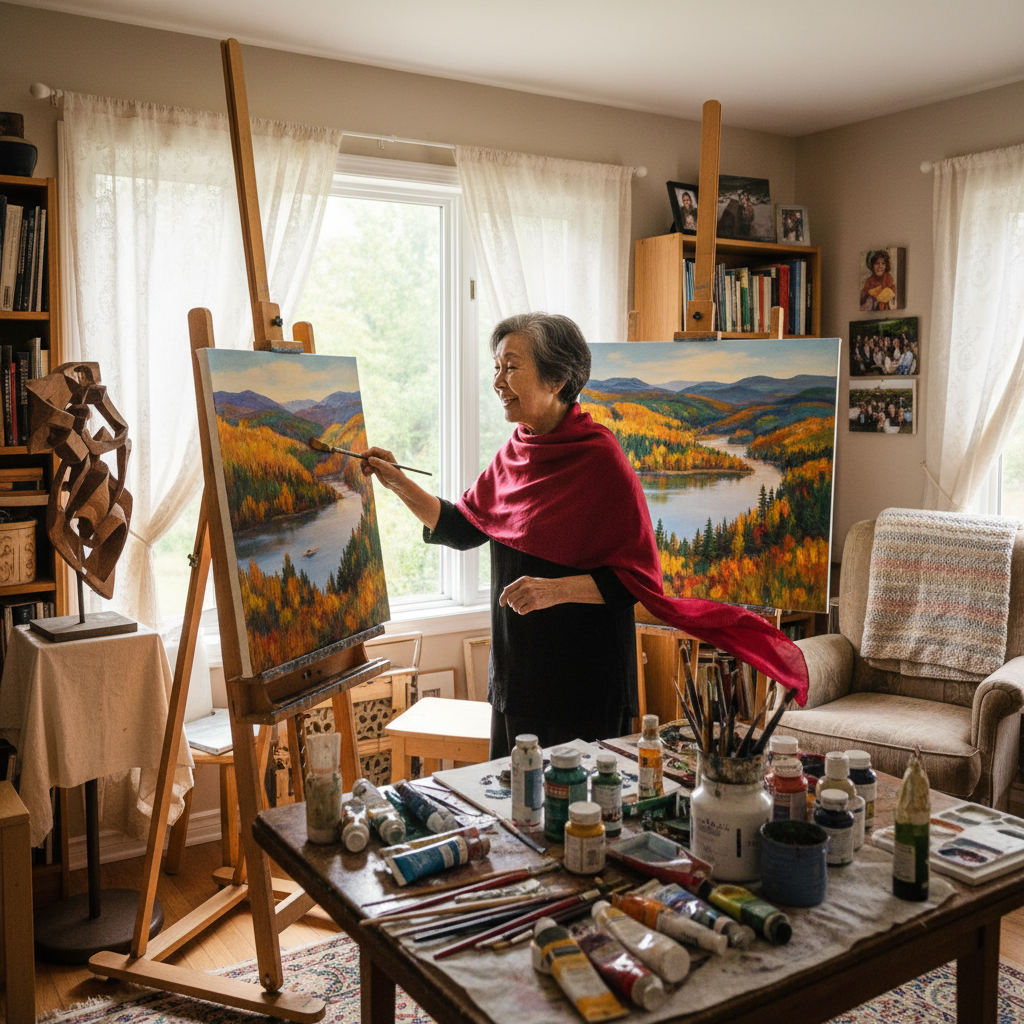
The Retirement Paradox: Time Without Money
Retirement creates a unique paradox: you finally have time for the pursuits you love, but less income to fund them. You might have dreamed of:
- Opening a small art gallery or craft shop
- Writing and self-publishing a novel or memoir
- Building a woodworking studio
- Launching a music project or recording studio
- Starting a consulting or coaching business in your field
- Creating a pottery studio or jewelry workshop
- Building a small farm, greenhouse, or bee colony
- Launching a community project or social enterprise
These pursuits require upfront investment: equipment, space, training, materials. Many retirees have substantial home equity but limited liquid cash. They face a painful choice: fund their passion and stress about finances, or abandon the dream.
A reverse mortgage changes this calculation. You can convert home equity into capital for passion projects without monthly payments that strain your retirement budget.
Types of Passion Projects Ontario Seniors Fund
Creative and Artistic Studios
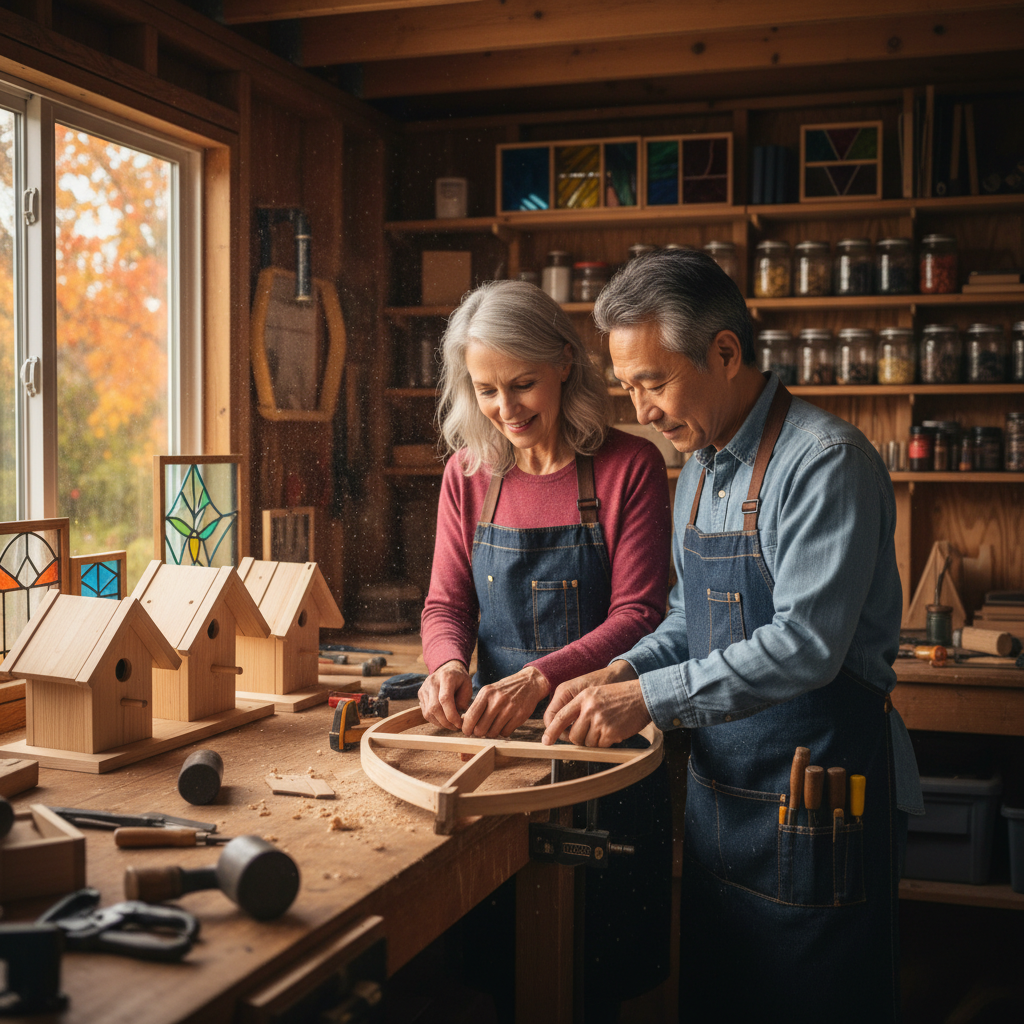
Example: Michael's woodworking studio
Michael, 65, retired from his corporate job as an engineer. He'd always wanted a dedicated woodworking studio but had never had time. At retirement, he imagined spending afternoons designing and building custom furniture.
The challenge: his home had no suitable space, and renting studio space downtown (Toronto) costs $800–$2,000 monthly. He considered building an addition ($60,000) or renting permanent space.
Using a reverse mortgage: He accessed $50,000 to build a climate-controlled workshop in his backyard (not large enough to require zoning variance). He now spends 15+ hours weekly in his studio, has sold $15,000+ in custom pieces to friends, and says the investment gave him the identity and purpose he feared losing at retirement.
Publishing and Writing Projects
Example: Patricia's memoir
Patricia, 72, spent 30 years as a public health nurse in Northern Ontario. Her daughter encouraged her to write a memoir about healthcare, indigenous communities, and personal growth. Publishing a quality memoir costs:
- Professional editing: $3,000–$8,000
- Book design and layout: $2,000–$5,000
- Illustration/artwork: $2,000–$10,000 (if included)
- Printing (small run, high quality): $5,000–$15,000
- Marketing and distribution: $2,000–$5,000
- Self-publishing platform setup: $500–$2,000
Total: $15,000–$45,000 for a professional-quality self-published memoir.
Using a reverse mortgage: Patricia accessed $30,000. She hired a professional editor, designed a beautiful book with archival photos, and printed 1,000 copies. She's sold 400 to libraries, professional organizations, and friends. The book became a legacy document and unexpected income source (she's sold enough to recover 1/3 of her investment). More importantly, her story is now permanently recorded—a gift to her grandchildren and the communities she served.
Small Business and Social Enterprise
Example: David and Susan's community café
David and Susan, both 67, noticed their small town (Shelburne, Ontario) had no welcoming café space where seniors could gather daily. They envisioned a non-profit community café: affordable coffee and light meals, hosting book clubs, game nights, and open mics.
Cost to launch:
- Lease deposit and first month's rent: $5,000
- Renovation (make space welcoming): $15,000
- Kitchen equipment (espresso machine, oven, fridge): $20,000
- Initial inventory and supplies: $5,000
- Licenses, insurance, signage: $5,000
Total: $50,000 to launch.
Using a reverse mortgage: They accessed $40,000 combined from both their homes' equity. They launched the café in early 2024. It's now the social hub of their community, generating enough revenue to cover costs and modest wages for volunteer coordinators. Neither David nor Susan takes a salary (they don't need one), but the project gives them purpose and community connection.
Equipment and Studio Investment
Other passion projects funded via reverse mortgage:
- Photography studio: $20,000–$50,000 (lighting, backdrop, editing software, web presence)
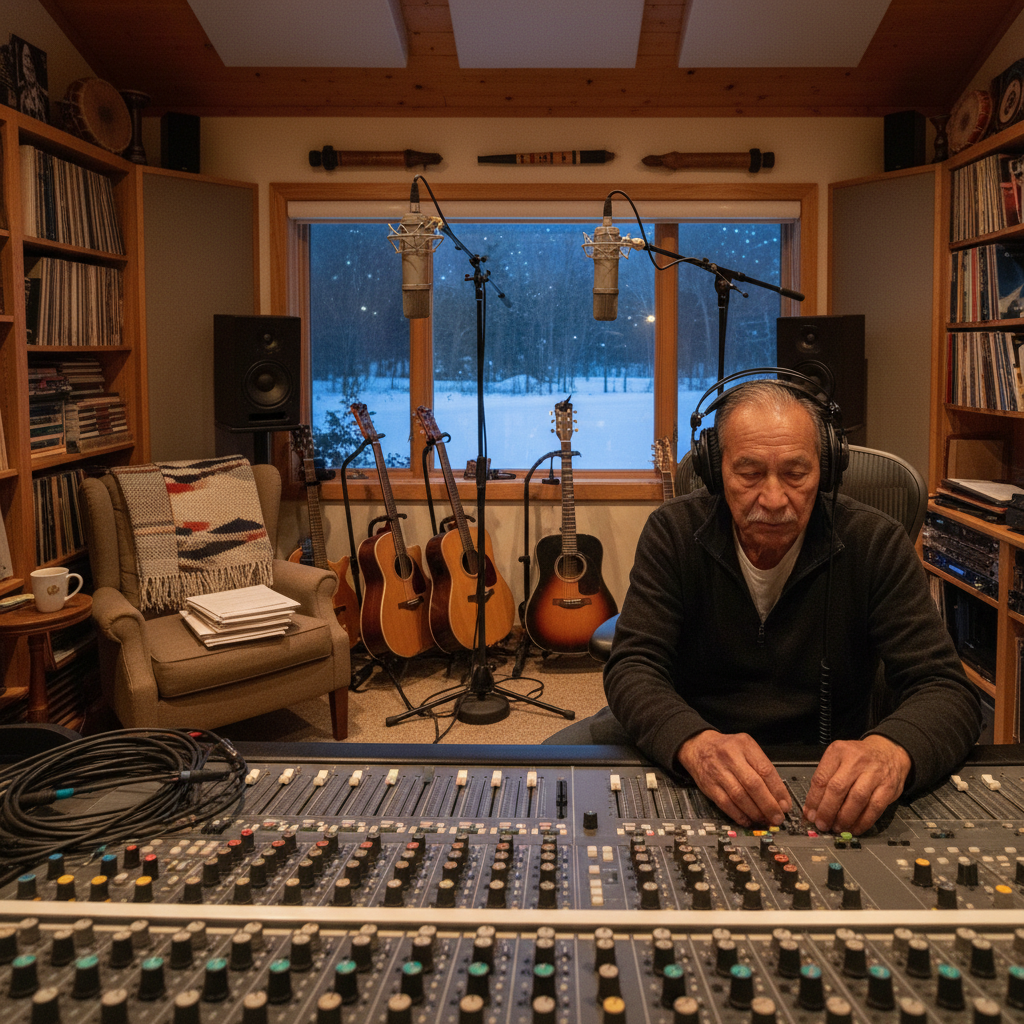
- Music production: $15,000–$40,000 (recording equipment, mixing desk, microphones)
- Pottery studio: $10,000–$30,000 (kiln, wheel, clay supplies, workspace)
- Jewelry making: $5,000–$20,000 (torches, anvils, materials, workspace)
- Painting and sculpture: $5,000–$25,000 (studio space, materials, display equipment)
Typical passion project costs at a glance:
| Project Type | Typical Cost Range |
|---|---|
| Woodworking or backyard studio | $20,000-$60,000 |
| Self-published memoir or book | $15,000-$45,000 |
| Community café or small social enterprise | $40,000-$50,000 |
| Photography studio | $20,000-$50,000 |
| Music production setup | $15,000-$40,000 |
| Pottery studio | $10,000-$30,000 |
| Jewelry-making workshop | $5,000-$20,000 |
Funding method comparison:
| Funding Source | Monthly Payments? | Impact on Retirement Savings | Best For |
|---|---|---|---|
| Reverse mortgage | No | None (uses home equity instead) | Larger projects, uncertain payback |
| Personal savings/investments | No | Depletes retirement nest egg | Smaller, lower-risk projects |
| Traditional loan/HELOC | Yes | None directly, but adds monthly obligation | Retirees with steady income to service debt |
Why Reverse Mortgage Makes Sense for Passion Projects
No Monthly Payment Pressure
A traditional loan for a passion project creates psychological pressure. Every month, you owe payment—so the project must generate income to justify the cost, or you feel guilt about spending retirement money on a hobby.
A reverse mortgage removes this pressure. You're not servicing debt monthly. If your passion project generates income, great—it pays for itself or funds other goals. If it's simply enriching but not profitable, that's fine too. You're spending your home equity (which you already own) on something that matters to you.
Aligns Risk with Lifespan
Passion projects typically have long-term value. A woodworking studio, art gallery, or community café might take 3–5 years to reach steady state or profitability. With a traditional loan, you're stressed about repayment during the ramp-up phase.
A reverse mortgage's deferred repayment model suits this. You're not forced to generate immediate income; you can let the project develop organically.
Preserves Liquid Savings
If you fund a passion project from savings or investments, you deplete the funds you've built for security. A reverse mortgage preserves your investments so they can continue growing, while tapping home equity instead.
Evaluating Whether a Passion Project Justifies a Reverse Mortgage
Not every dream should drain your home equity. Use this framework to decide:
Strong candidates for reverse mortgage funding:
- Projects that bring genuine purpose and life satisfaction (studies show this correlates with longevity)
- Activities that build community or social benefit (the "legacy" element)
- Pursuits with potential for modest income (even if not essential, income justifies the investment)
- Projects that utilize skills you've spent a career developing
- Endeavors you'd regret not attempting
Weak candidates (consider alternatives):
- Passing fads or short-term interests (try the hobby first, cheaply, before major investment)
- Projects that isolate you from others (retirement is also about connection)
- Ventures requiring ongoing monthly capital (a reverse mortgage is one-time, not renewable)
- Pursuits that compete with quality time with family
- Ideas you're pursuing mainly to impress others
Real-World Caution: The Passion Project That Didn't Work
Not every passion project succeeds. Here's a case study in honest failure:
Example: Tom's online teaching platform
Tom, 70, had taught physics for 40 years. At retirement, he wanted to create an online physics course for high school students—a legacy project sharing his passion.
Cost: $40,000
- Course design and curriculum development: $8,000
- Video recording and editing: $12,000
- Learning management system (Teachable/Kajabi): $2,000 setup + $100/month
- Marketing and advertising: $15,000
- Tech support and updates: $3,000
Accessed via reverse mortgage: $40,000
The reality: Tom built a beautiful course. Enrollment? 12 students in year 1. Revenue barely covered ongoing costs. In year 2, he realized he didn't enjoy the isolated work of online teaching—he missed face-to-face interaction. He eventually archived the course.
Did the reverse mortgage fail him? Not entirely. Tom's regret wasn't financial (the reverse mortgage balance just grew with interest), but emotional. He'd invested significant time and energy into a project that didn't deliver the fulfillment he expected.
Lessons learned:
- Test your passion cheaply first (Tom taught one free trial course to friends; if he'd paid attention to their feedback, he might have pivoted earlier)
- Ensure the project matches your actual personality (Tom is a people-person; a solitary online course was a mismatch)
- Be willing to pivot or abandon projects (don't throw good money after bad)
Structuring the Investment
If you decide a passion project warrants reverse mortgage funding:
1. Plan phased investment
Don't borrow the full amount upfront. Use a reverse mortgage line of credit, drawing in stages:
- Phase 1: Core infrastructure ($15,000)
- Phase 2: Expansion or marketing ($10,000)
- Phase 3: Refinement based on learning ($10,000)
This lets you test and adjust before committing all capital.
2. Track actual costs
Many passion projects cost more than anticipated. Keep detailed records of what you're spending so you're not surprised by compound interest later.
3. Build in accountability
Share your project plan with someone you trust—an adult child, friend, or advisor. Report progress. This gentle accountability helps you stay realistic about the project's viability.
4. Plan for income or meaningful output
Even if income isn't essential, most projects benefit from a success metric beyond "I enjoyed it." This might be:
- Sales targets ($5,000/year revenue from the woodshop)
- Visitor goals (200 people through the community gallery annually)
- Legacy goals (complete and publish the family history)
- Community impact (50 people weekly at the café)
Metrics help you assess whether the project is working and whether further investment makes sense.
The Deeper Value: Purpose and Longevity
Research on retirement and aging shows that purpose—a sense of meaningful engagement—correlates with:
- Longer lifespan (several years' difference)
- Better health outcomes
- Lower rates of depression and cognitive decline
- Stronger social connections
- Greater life satisfaction
These are worth money. If a reverse mortgage investment in a passion project adds 2–3 years to your life or dramatically improves those years' quality, the financial cost is justified.
Questions to Ask Yourself
Before pursuing a passion project via reverse mortgage:
- Have I done this before? (Tested the interest/skill at smaller scale)
- Why now? (Clear motivation, not running from something)
- Who benefits? (You, family, community, or all three)
- What's the cost of not doing this? (Regret? Lack of purpose?)
- Can I tolerate failure gracefully? (Will a failed project devastate you?)
- How does this fit my legacy? (What do I want to be remembered for?)
- Does my family understand and support this? (Or will heirs resent the reverse mortgage?)
Getting Started
If a passion project calls to you:
- Define the project specifically — not "open a business" but "launch a yoga studio with 15-20 regular students by year 2"
- Research costs meticulously — talk to people doing similar projects; get quotes; build contingency
- Test the concept cheaply — volunteer, audit a class, take a workshop before investing heavily
- Model finances — what does the reverse mortgage cost? What income does the project generate? How do those balance?
- Consult with a reverse mortgage advisor — discuss structure, timing, and risk
Key Takeaways
- Passion projects like a woodworking studio, memoir publishing, or community café typically cost $10,000-$60,000 to launch in Ontario.
- A reverse mortgage lets homeowners 55+ access 15-59% of their home's value with no monthly payments, removing repayment pressure during a project's ramp-up years.
- Using a reverse mortgage line of credit lets you draw funds in phases (for example, $15,000 for core infrastructure, then $10,000 increments), so you only pay interest on what you've used.
- Reverse mortgage proceeds are tax-free and don't need to be repaid until the home is sold, the owner passes away, or moves out permanently.
- Research links a strong sense of purpose in retirement to measurably better health outcomes and life satisfaction, which many homeowners weigh against the compounding interest cost.
- Testing a passion cheaply first, such as a free trial class or a small pilot, helps confirm a project is the right fit before committing a larger reverse mortgage draw.
Frequently Asked Questions
Can I use a reverse mortgage for a hobby or passion project rather than a "necessity"?
Yes. Reverse mortgage funds can be used for any purpose you choose, including hobbies, creative pursuits, or launching a small business, with no restrictions on how the money is spent.
How much can I typically borrow with a reverse mortgage for a project like this?
Most Ontario homeowners 55+ can access 15-59% of their home's appraised value, depending on age and current interest rates. The exact amount depends on your specific property and situation.
Is it risky to fund a passion project that might not make money?
It carries the same cost as any reverse mortgage draw: interest accrues on the amount borrowed over time. However, since there are no monthly payments required, a project that doesn't generate income won't create cash-flow strain the way a traditional loan payment would.
Should I draw the full amount upfront or use a line of credit?
A line of credit is often better for passion projects, since you can draw funds in phases as the project develops and only pay interest on amounts actually used, rather than borrowing the full estimated cost at once.
What happens to the reverse mortgage if my passion project doesn't work out?
The reverse mortgage balance and accrued interest remain owed regardless of whether the project succeeds financially. It is repaid from the home's value when the home is eventually sold, the owner passes away, or moves out permanently.
Will my family think I'm being irresponsible by using home equity this way?
Many families understand once they see the reasoning: no monthly payments, tax-free proceeds, and a documented plan. Discussing your intentions openly with adult children beforehand can help avoid misunderstandings about how it affects their eventual inheritance.
The Bottom Line
Retirement is not just about financial management—it's about meaning. If you've deferred a passion for 40 years, retirement may be your only chance to pursue it. A reverse mortgage can be the tool that transforms that dream from "someday" to "right now."
The cost is real: compound interest on borrowed funds. But so is the value: purpose, connection, creative expression, and legacy.
What passion project have you deferred? Let's explore whether a reverse mortgage could help you finally pursue it.
Ready to Learn More?
Find out exactly how much you could unlock from your home — free and no obligation.
Related Articles
Reverse Mortgage to Fund Volunteer Transition: Purpose-Driven Retirement
Use a reverse mortgage to fund training and transition for meaningful volunteer work in retirement. Turn purpose into a paid leave from work.
Read →Reverse Mortgage to Fund Lifelong Learning: Community Programs and Courses
Fund lifelong learning programs, university courses, and community education with a reverse mortgage. Keep your mind active in retirement.
Read →Reverse Mortgage for Active Retirement (Age 55–65): Funding Travel and Lifestyle
Early retirees (55–65) face a unique challenge: long lifespan, high lifestyle costs, portfolio longevity. Learn how a reverse mortgage can fund active retirement adventures without portfolio depletion.
Read →